A bedroom should be more than just a place to sleep—it should be a sanctuary. In today’s fast-paced world, cultivating a space that promotes peace, clarity, and rest is essential. One of the most effective ways to achieve this is by drawing inspiration from Japanese interior design. Rooted in Zen philosophy, Japanese decor emphasizes simplicity, harmony with nature, and intentional living. By integrating these principles into your bedroom, you can transform it into a tranquil retreat that supports deep relaxation and emotional balance.
Unlike Western styles that often prioritize ornamentation and maximalism, Japanese design strips away excess to reveal beauty in restraint. This approach isn’t about making a statement; it’s about creating an atmosphere where stillness feels natural and comfort arises from order. The result is a room that doesn’t just look serene—it *feels* serene.
The Philosophy Behind Japanese Bedroom Design
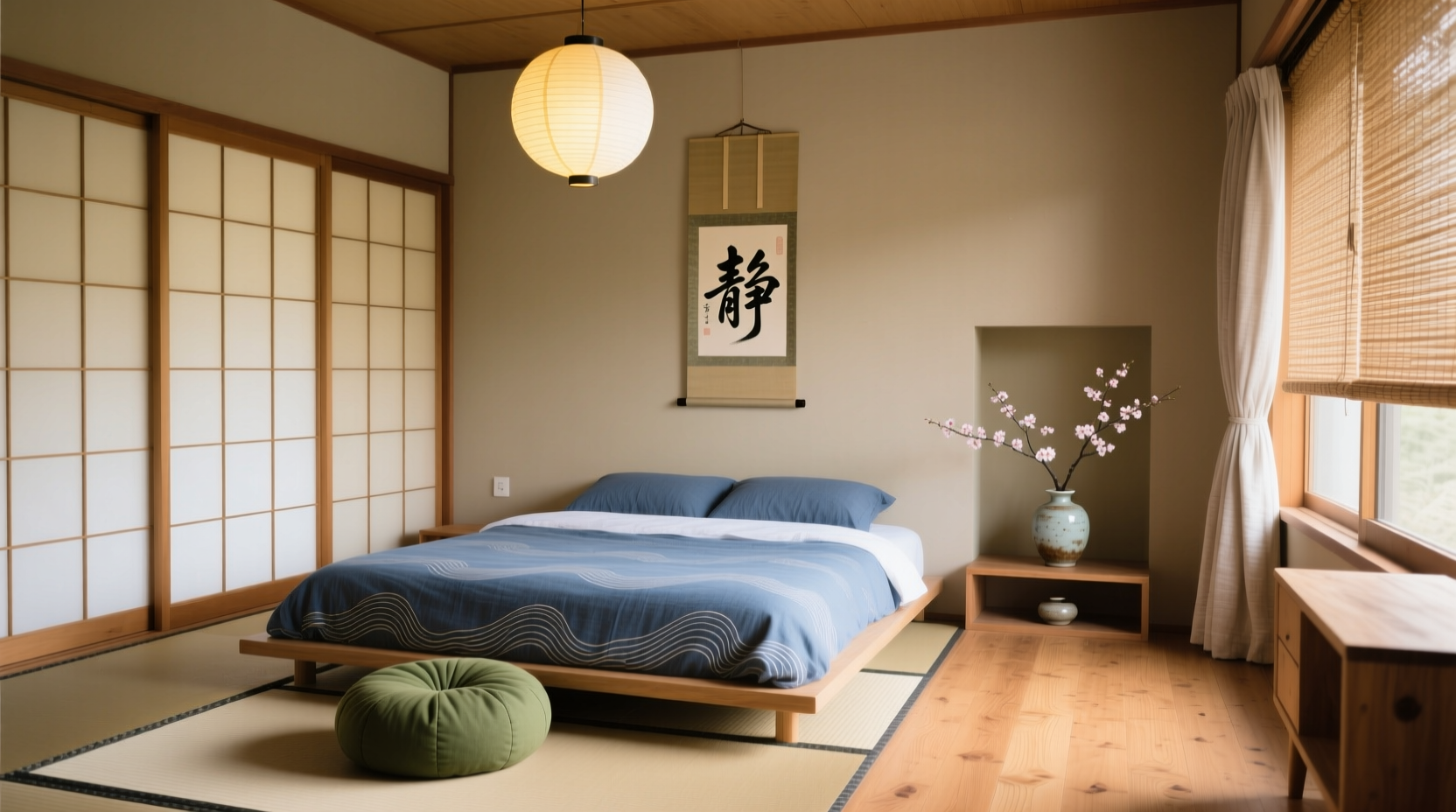
At the heart of Japanese decor lies *wabi-sabi*, a worldview centered on the acceptance of transience and imperfection. It values authenticity over perfection, encouraging spaces that feel lived-in yet uncluttered. Another key concept is *ma*, the intentional use of empty space to create balance and breathing room within a design. These philosophies are not abstract ideas—they directly influence how furniture is arranged, what materials are chosen, and how light interacts with the environment.
In traditional Japanese homes, rooms serve multiple purposes and are designed for flexibility. A bedroom might double as a meditation space or reading nook during the day. This multi-functionality requires thoughtful organization and minimal furnishings. The goal is not emptiness, but purposeful presence—every object has meaning and place.
“Simplicity is not the absence of clutter, but the essence of peace.” — Tadao Ando, Pritzker Prize-winning Japanese architect
This mindset shifts the focus from decoration to experience. Instead of asking “How can I make this room look beautiful?”, the question becomes “How can this room help me feel calm?” That subtle reframe changes everything—from color selection to storage solutions.
Essential Elements of Japanese-Inspired Bedrooms
To authentically capture the spirit of Japanese design, certain core elements must be present. These aren't merely aesthetic choices—they’re functional components that contribute to a deeper sense of well-being.
- Natural Materials: Wood, bamboo, linen, cotton, paper (like shoji screens), and stone are staples. These materials age gracefully and bring warmth without overwhelming the senses.
- Neutral Color Palette: Earth tones dominate—soft grays, warm beiges, muted greens, and off-whites. These colors mimic the natural landscape and reduce visual stimulation.
- Low-Level Furniture: Traditional tatami mats and low platform beds align the body closer to the ground, promoting grounding and stability.
- Indirect Lighting: Harsh overhead lights are avoided. Instead, soft, diffused lighting from floor lamps, paper lanterns, or wall sconces creates gentle shadows and warmth.
- Connection to Nature: Even in urban settings, incorporating plants, water features, or views of greenery helps bridge the indoor-outdoor divide.
Choosing the Right Bed Setup
The bed is the focal point of any bedroom, and in Japanese design, it’s treated with reverence. Traditionally, people slept on futons placed directly on tatami flooring. While modern lifestyles may require more support, you can honor this tradition by selecting a low-profile platform bed—ideally no higher than 18 inches from the floor.
Opt for a wooden frame in unfinished or lightly stained oak, ash, or cedar. Avoid ornate carvings or dark finishes that add visual weight. Pair the bed with a firm mattress and simple, breathable bedding in natural fibers like cotton or linen. Layer with a lightweight duvet or kotatsu-style throw for texture without bulk.
Decluttering and Mindful Organization
No amount of décor can compensate for clutter. In Japanese homes, storage is built-in and discreet—think under-bed drawers, wall niches, and minimalist closets. The principle is clear: if something doesn’t have a designated place, it shouldn’t be there.
Start by removing anything that doesn’t belong in the bedroom—work documents, electronics, exercise equipment. Then evaluate existing items: Do you really need five decorative pillows? Three sets of sheets visible on a shelf? Each object should either serve a practical purpose or bring genuine joy.
- Sort belongings into categories: clothing, linens, personal care, books.
- Keep only what fits comfortably in existing storage.
- Use woven baskets or fabric bins for small items—avoid plastic containers.
- Store seasonal clothing elsewhere to free up space.
- Make tidying part of your nightly routine—just five minutes before bed.
| Do | Don’t |
|---|---|
| Use hidden storage under the bed | Leave clothes piled on chairs |
| Fold clothes vertically (KonMari method) | Overfill drawers causing bulging fronts |
| Label baskets for easy identification | Display knick-knacks on nightstands |
| Rotate decor seasonally to keep space fresh |
Step-by-Step Guide to Transform Your Bedroom
Creating a Japanese-inspired bedroom doesn’t require a full renovation. Follow this timeline to gradually build a calming space rooted in intentionality.
- Week 1: Clear & Clean
Remove all non-essentials. Deep clean floors, windows, and surfaces. Wash all linens and store them neatly. - Week 2: Edit Furniture Layout
Rearrange furniture to maximize open space. Ensure pathways are clear and the bed is accessible from both sides. Remove bulky dressers or nightstands if possible. - Week 3: Introduce Natural Materials
Replace synthetic rugs with woven tatami or jute. Swap out polyester curtains for linen or cotton. Add a wooden tray for bedside essentials. - Week 4: Refine Lighting
Turn off ceiling lights at night. Use floor or table lamps with warm bulbs (2700K). Consider a washi paper lamp for ambient glow. - Week 5: Bring in Nature
Place a single potted plant (like a bonsai or snake plant) near a window. Add a small tabletop fountain or wind chime for subtle sound. - Week 6: Establish Rituals
Begin a pre-sleep ritual: dim lights, light a natural candle, journal briefly. Keep phones outside the room.
Real-Life Example: Sarah’s Urban Apartment Transformation
Sarah, a graphic designer living in downtown Tokyo, struggled with insomnia and constant mental fatigue. Her small studio apartment felt chaotic despite being tidy. After studying Japanese design principles, she decided to redesign her sleeping area.
She replaced her high-rise bed with a low oak platform frame and added a thin memory foam topper over a tatami mat base. She removed the TV stand and relocated her screen to the living zone. Curtains were swapped for sheer linen panels that filtered morning light gently. A single ikebana arrangement—a minimalist flower display in a ceramic vase—sat on a floating shelf.
Within two weeks, Sarah noticed improved sleep quality. She began meditating for ten minutes each morning on a zabuton cushion beside her bed. “It’s not just how the room looks,” she said. “It’s how it makes me feel when I walk in. Like I can finally exhale.”
Expert Insight: The Psychology of Space
Dr. Hiroshi Nakamura, an environmental psychologist at Kyoto University, explains that spatial design directly affects autonomic nervous system regulation. “Clutter increases cognitive load, even subconsciously,” he notes. “In contrast, ordered, nature-connected environments lower cortisol levels and improve heart rate variability—key markers of relaxation.”
“A bedroom designed with mindfulness doesn’t just support sleep—it supports emotional resilience.” — Dr. Hiroshi Nakamura, Environmental Psychologist
This research validates why seemingly small details—like choosing a muted paint color or placing a mirror to reflect greenery—can have measurable impacts on well-being.
Frequently Asked Questions
Can I incorporate Japanese decor in a large bedroom?
Absolutely. The principles scale beautifully. In larger rooms, use zoning: define the sleeping area with a low bed and surrounding mats, then leave open space around it. Avoid filling the void with extra furniture. Let the emptiness speak.
Is tatami flooring necessary for authenticity?
Not necessarily. Authentic tatami requires maintenance and isn’t suitable for humid climates. However, you can replicate the effect with woven rush rugs, seagrass flooring, or even textured neutral carpets that mimic the look and feel underfoot.
How do I maintain a minimalist look with kids or pets?
Focus on smart storage and durable materials. Use closed cabinets instead of open shelves. Choose washable linen bedding and stain-resistant natural fiber rugs. Accept that some flexibility is needed—minimalism in family life is about flow, not perfection.
Checklist: Building Your Calming Japanese-Inspired Bedroom
- ✅ Remove all non-bedroom items (electronics, work materials)
- ✅ Choose a low platform bed or modify existing frame
- ✅ Switch to neutral, earth-toned bedding in natural fabrics
- ✅ Install soft, layered lighting (no harsh overheads)
- ✅ Add one or two houseplants (e.g., peace lily, bamboo)
- ✅ Use concealed or built-in storage solutions
- ✅ Incorporate wood, bamboo, or paper elements
- ✅ Create a nightly reset routine to restore order
- ✅ Dedicate space for quiet activities (reading, stretching, journaling)
- ✅ Eliminate visual noise—limit patterns, bright colors, and busy artwork
Conclusion: Begin With Intention
Creating a calming bedroom with Japanese-inspired decor is not about replicating a style—it’s about adopting a mindset. It asks you to slow down, to value silence, and to treat your space as an extension of your inner state. Every choice, from the height of your bed to the texture of your curtains, becomes an act of self-care.
You don’t need a complete overhaul to start. Begin with one change: clear your nightstand, switch to softer lighting, or sit quietly in the room for five minutes each evening. Notice how the space responds. Over time, these small acts accumulate into profound transformation—not just in your bedroom, but in how you inhabit your life.
💬 Ready to simplify your space and deepen your rest? Start tonight: remove one unnecessary item from your bedroom and observe how the emptiness feels. Share your journey or ask questions in the comments below.








