Burnt-on food stuck to the surface of a ceramic pan can be frustrating—especially when you’re faced with the thought of aggressive scrubbing that might damage the non-stick coating. Ceramic pans are prized for their even heating and chemical-free surfaces, but they require gentle care. Aggressive steel wool or harsh chemicals can scratch or degrade the glaze, shortening the pan’s lifespan. The good news is that removing stubborn residue doesn’t have to mean elbow grease. With the right techniques, ingredients, and a little patience, you can restore your pan to near-new condition—without touching a scouring pad.
The Science Behind Burnt-On Residue
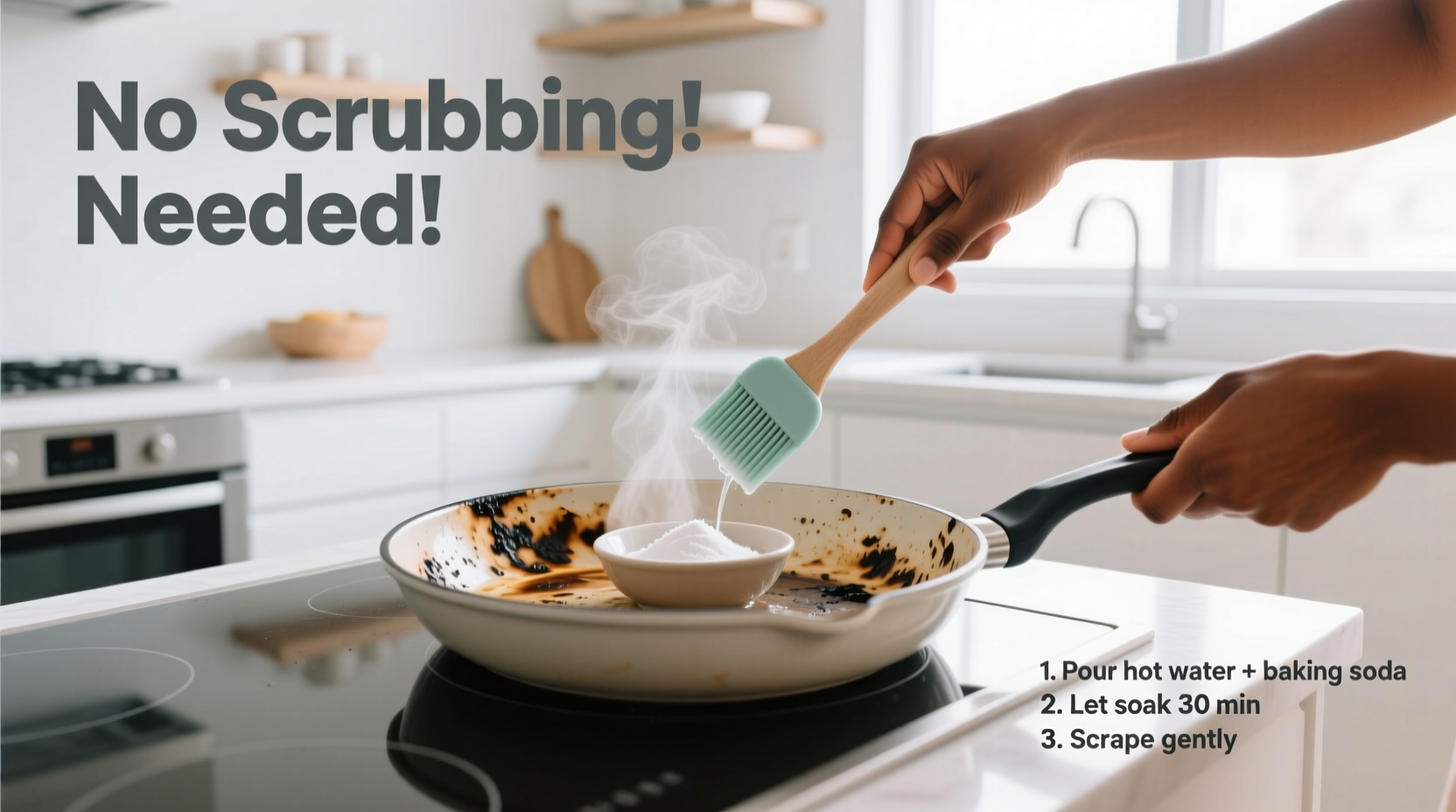
When food burns onto a ceramic pan, it undergoes carbonization—a process where organic matter breaks down under high heat, leaving behind a dark, crusty layer bonded to the cooking surface. This isn’t just charred food; it’s a complex mixture of proteins, sugars, and fats that have polymerized into a tough, adhesive film. Traditional scrubbing often fails because mechanical action alone can’t break these molecular bonds effectively—especially on delicate surfaces like ceramic coatings.
Ceramic coatings are typically made from silica-based sol-gel formulations applied over an aluminum base. These layers are hard but not indestructible. Abrasive cleaning weakens the coating over time, leading to flaking, loss of non-stick performance, and potential health concerns if particles enter food. That’s why chemical and thermal solutions—ones that loosen the bond between residue and surface—are far more effective and safer than physical scrubbing.
“Ceramic cookware responds best to soaking and low-abrasion cleaning. The key is breaking down the carbonized layer chemically, not mechanically.” — Dr. Lena Peterson, Materials Scientist & Kitchenware Consultant
Step-by-Step: Non-Scrubbing Methods That Work
The following methods rely on natural chemistry and controlled heat to lift burnt residue gently. Each requires minimal effort after initial setup and delivers consistent results when followed correctly.
Method 1: Baking Soda and Hot Water Soak (Most Effective)
This method uses alkaline chemistry to break down organic deposits. Baking soda (sodium bicarbonate) is mildly abrasive but safe for ceramic surfaces when used in solution rather than as a dry scrub.
- Fill the pan with enough hot water to cover the burnt area by at least half an inch.
- Add 2–3 tablespoons of baking soda.
- Place the pan on the stove and bring the mixture to a gentle simmer over medium heat.
- Let it simmer for 15 minutes, then remove from heat and allow to cool for 30–60 minutes.
- Pour out the liquid and use a soft sponge or cloth to wipe away loosened debris.
Method 2: Vinegar and Water Simmer
Vinegar’s acetic acid helps dissolve mineral deposits and soften carbonized food. It works especially well when combined with heat.
- Combine equal parts white vinegar and water (e.g., 1 cup each).
- Pour into the pan so the mixture covers the burnt areas.
- Simmer on medium-low heat for 10–15 minutes.
- Turn off the heat and let sit for 30 minutes.
- Wipe clean with a microfiber cloth or soft sponge.
If residue remains, sprinkle baking soda on the damp surface and gently rub with a nylon dish brush—no steel wool needed.
Method 3: Dish Soap and Overnight Soak
A passive approach ideal for light to moderate burns. Use a degreasing dish soap rich in surfactants.
- Cover the burnt area with hot water.
- Add 1–2 tablespoons of heavy-duty dish soap (like Dawn or Palmolive).
- Cover the pan with a lid or plate to reduce evaporation.
- Let it sit overnight (8–12 hours).
- In the morning, most residue will wipe away effortlessly.
This method leverages time instead of force, allowing surfactants to penetrate and lift the residue slowly.
Do’s and Don’ts for Cleaning Ceramic Pans
| Do’s | Don’ts |
|---|---|
| Use wooden, silicone, or nylon utensils to avoid scratching. | Never use metal scrapers, steel wool, or abrasive pads. |
| Soak with baking soda or vinegar solutions. | Avoid chlorine bleach or oven cleaners—they degrade ceramic coatings. |
| Wash with soft sponges and mild detergents. | Don’t subject cold pans to sudden high heat—thermal shock can crack the coating. |
| Store with protective liners if stacking. | Never put ceramic pans in the dishwasher unless explicitly labeled dishwasher-safe. |
| Use medium or low heat for cooking. | Avoid overheating empty pans—this causes rapid degradation of the non-stick layer. |
Real Example: Recovering a Neglected Pan
Sarah, a home cook from Portland, hadn’t used her ceramic skillet in months. When she pulled it out to make scrambled eggs, she realized the last meal—cheesy rice—had burned and hardened over time. The blackened layer covered most of the base, and initial wiping did nothing. Fearing she’d ruined the pan, she tried the baking soda simmer method.
She added two tablespoons of baking soda to warm water, brought it to a gentle simmer, and let it go for 15 minutes. After cooling, she was surprised to see the crust had lifted along the edges. A quick wipe with a soft sponge removed 90% of the residue. One repeat soak cleared the rest. “I couldn’t believe it,” she said. “I was ready to throw it out. Now it looks almost new.”
Sarah now keeps a dedicated container for soaking her ceramic cookware and avoids high-heat cooking altogether.
Expert-Approved Maintenance Tips
To prevent future burning and extend the life of your ceramic pans, adopt preventive habits backed by materials experts and culinary professionals.
Tip: Always preheat your ceramic pan on low to medium heat. Sudden temperature changes cause microfractures in the coating.- Use oil wisely: Even though ceramic is non-stick, a small amount of oil improves food release and protects the surface.
- Avoid high heat: Ceramic pans heat evenly at medium settings. Cranking the heat leads to hotspots and burning.
- Clean immediately after cooling: If you can’t wash right away, at least rinse and soak before residue hardens.
- Inspect regularly: Look for signs of coating wear—flaking, dull patches, or sticking. Replace if damage is visible.
“The best way to clean a burnt ceramic pan is to never let it burn in the first place. Proper heat control and timely cleaning make all the difference.” — Chef Rafael Nguyen, Sustainable Kitchen Advocate
FAQ: Common Questions About Burnt Ceramic Pans
Can I use Bar Keepers Friend on a ceramic pan?
No. While effective on stainless steel, Bar Keepers Friend contains oxalic acid and abrasives that can damage ceramic coatings. Stick to baking soda, vinegar, and mild detergents.
Why does food stick to my ceramic pan even though it’s non-stick?
Sticking usually occurs due to overheating, using metal utensils, or coating degradation. Once the ceramic layer is compromised, food bonds directly to exposed metal. Regular gentle cleaning and proper use help maintain non-stick performance.
Is it safe to cook in a ceramic pan with minor scratches?
Minor surface scratches are generally safe, but deep grooves where the base metal is exposed should be avoided. Scratches can harbor bacteria and leach metals into food. When in doubt, replace the pan.
Alternative Remedies That Actually Work (And Some That Don’t)
Many DIY hacks circulate online, but not all are safe or effective for ceramic surfaces. Here’s a breakdown:
- Lemon Juice Soak: Similar to vinegar, lemon juice is acidic and can help loosen residue. Combine with baking soda for a mild foaming action. Safe and effective for light burns.
- Paste of Baking Soda and Hydrogen Peroxide: A thick paste can be applied to dry stains and left for several hours. The oxygen release helps lift grime. Rinse thoroughly afterward.
- Commercial Ceramic Cleaners: Products like Weiman Ceramic Cooktop Cleaner are formulated for similar surfaces and can work, but always test on a small area first.
- Boiling Potato Peels: A folk remedy claiming potato starch lifts residue. Limited evidence supports this, and results are inconsistent. Not recommended as a primary method.
- Bleach Soak: Avoid entirely. Bleach corrodes ceramic coatings and leaves harmful residues.
Prevention Checklist: Keep Your Ceramic Pans Looking New
Follow this checklist weekly to minimize the risk of burning and prolong pan life:
- ✅ Cook on low to medium heat only.
- ✅ Use silicone, wood, or nylon utensils.
- ✅ Preheat gradually—never on high.
- ✅ Add oil before food, even if the pan is non-stick.
- ✅ Hand-wash with soft sponge and mild soap.
- ✅ Dry immediately to prevent water spots.
- ✅ Store with felt protectors if stacking.
- ✅ Inspect monthly for coating wear.
Conclusion: Gentle Care Leads to Long-Lasting Results
Cleaning a burnt ceramic pan doesn’t require hours of scrubbing or harsh tools. By understanding the nature of burnt residue and leveraging simple household ingredients like baking soda and vinegar, you can restore your cookware efficiently and safely. The real secret lies in combining gentle chemistry with patience—simmering, soaking, and wiping replace scraping and scraping.
More importantly, prevention is easier than restoration. Adjusting your cooking habits—using lower heat, avoiding metal tools, and cleaning promptly—can dramatically extend the life of your ceramic pans. Treat them with care, and they’ll reward you with years of reliable, non-toxic cooking.
💬 Have a stubborn pan you rescued? Share your method in the comments below—your tip could save someone else’s favorite skillet!








