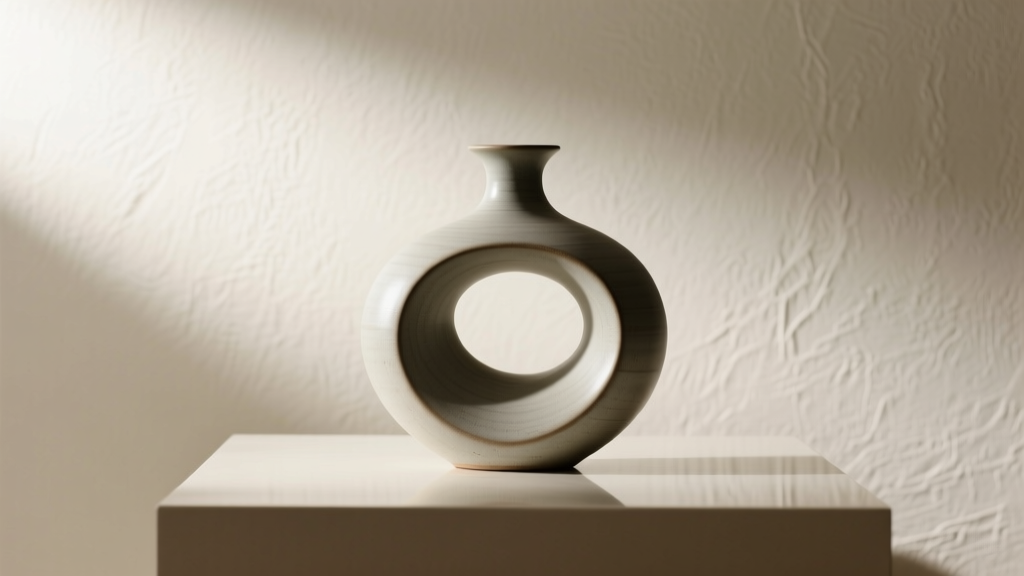
Types of Handmade Diya Stands: A Complete Guide
A handmade diya stand is more than just a functional item—it’s a symbol of tradition, artistry, and spiritual significance in Indian culture. These unique stands are crafted from a wide variety of materials, each offering distinct aesthetic, safety, and durability features. Whether used during festivals like Diwali or as part of daily rituals, choosing the right diya stand enhances both the ambiance and safety of your space.
Below is a detailed breakdown of the most popular types of handmade diya stands available today, including their benefits, limitations, and ideal uses.
Wooden Diya Stands
Crafted from seasoned wood, these stands often feature carved bowls for oil or wicks, sometimes adorned with motifs of Goddess Lakshmi or intricate geometric patterns.
Advantages
- Beautiful natural grain and warm aesthetic
- Can be intricately hand-carved for artistic value
- Eco-friendly and biodegradable material
- Ideal for indoor ceremonial setups
Limitations
- Flammable—should not be placed on wooden surfaces or carpets
- Requires careful placement on non-combustible bases (e.g., stone or ceramic tiles)
- Not suitable for outdoor use in humid conditions (may warp)
Best for: Indoor rituals, festive decor, traditional homes, altar displays
Ceramic Diya Stands
Made from clay and fired at high temperatures, these stands are often glazed in vibrant colors or hand-painted with traditional designs, making each piece one-of-a-kind.
Advantages
- Fire-resistant and safe for open-flame diyas
- Heavy and stable—less likely to tip over
- Available in artistic, colorful designs
- Durable and easy to clean with a damp cloth
Limitations
- Can break if dropped or mishandled
- May vary slightly in design due to handmade nature
- Heavier than other materials, less portable
Best for: Diwali celebrations, temple decor, long-term indoor use, gift-giving
Metal Diya Stands
Commonly made from brass, copper, or wrought iron, metal stands often feature elegant jali (perforated) work, adding a classic Indian aesthetic to any setting.
Advantages
- Highly durable and long-lasting
- Resistant to heat and open flames
- Brass and copper develop a rich patina over time
- Intricate designs enhance decorative appeal
Limitations
- Can tarnish if not polished regularly
- Heavier models may be difficult to move
- Premium materials like brass can be expensive
Best for: Luxury homes, religious ceremonies, heirloom pieces, outdoor puja setups
Fiber & Metal Combination Stands
Constructed from lightweight materials like thermocol (polystyrene foam) or paper mâché, reinforced with steel wire frames for structure and support.
Advantages
- Extremely lightweight and easy to transport
- Affordable and ideal for mass decoration
- Can be molded into complex, artistic shapes
- Popular for temporary festival installations
Limitations
- Highly flammable—unsafe for open flames
- Not durable; intended for short-term use
- Can degrade in humidity or rain
- Less eco-friendly due to synthetic components
Best for: Temporary decor, stage setups, photography backdrops, LED diya arrangements
Stone Diya Stands
Typically carved from marble or soapstone, these stands are known for their weight, stability, and exquisite craftsmanship, often featuring miniature carvings of deities, flowers, or animals.
Advantages
- Extremely durable and weather-resistant
- Fire-safe and ideal for open-flame diyas
- Heavy and stable—won’t tip easily
- Suitable for both indoor and outdoor use
Limitations
- Very heavy and difficult to move
- Higher cost due to labor-intensive carving
- Limited design flexibility compared to lighter materials
Best for: Permanent installations, temple courtyards, garden decor, luxury interiors
Glass Diya Stands
Typically made from clear, colored, or frosted glass with a supportive metal base, these stands offer a modern and elegant look.
Advantages
- Versatile in design—can be transparent, opaque, or patterned
- Creates beautiful light diffusion effects
- Easy to clean and maintain
- Affordable and widely available
Limitations
- Can break if knocked over
- May not be heat-resistant depending on glass type
- Lightweight models may tip easily
Best for: Contemporary homes, wedding decor, table centerpieces, decorative lighting
| Material | Fire Safety | Durability | Aesthetic Appeal | Best Use Case |
|---|---|---|---|---|
| Wooden | Fair (Use with caution) | Medium | High (Natural, traditional) | Indoor rituals, festive decor |
| Ceramic | Excellent | Good | High (Colorful, artistic) | Diwali, temples, home altars |
| Metal | Excellent | Excellent | Very High (Elegant, classic) | Luxury decor, religious events |
| Fiber & Metal | Poor (Avoid open flames) | Fair (Short-term use) | Medium (Decorative, lightweight) | Festival setups, photo props |
| Stone | Excellent | Excellent | High (Timeless, premium) | Outdoor, permanent installations |
| Glass | Good (Depends on type) | Fair to Good | High (Modern, elegant) | Table decor, events, modern homes |
Expert Tip: Always place open-flame diyas on non-combustible surfaces. For wooden or fiber-based stands, consider using LED tea lights instead of oil or ghee lamps to maintain the visual effect without the fire risk.
While traditional materials like clay, wood, and metal remain popular, modern innovations have introduced diya stands made from resin, acrylic, and even recycled materials. When selecting a diya stand, consider both style and safety. Opt for reusable, easy-to-clean options for long-term value. If using oil or ghee diyas, ensure the stand is flame-resistant and placed in a stable, draft-free area. With the right choice, your handmade diya stand can become a cherished part of your cultural and spiritual traditions.
Design of Handmade Diya Stand: A Complete Guide to Styles, Materials, and Uses
Handmade diya stands are more than just functional items—they are expressions of culture, spirituality, and personal aesthetics. Crafted with care, these stands come in a wide variety of designs tailored to suit individual preferences, festival needs, the number of diyas to be lit, and available space. Whether used during grand celebrations like Diwali or as daily ritual items, the right diya stand enhances both ambiance and meaning.
Traditional Indian Designs
Cultural Symbolism & Craftsmanship
Traditional Indian diya stands often feature iconic motifs such as peacocks, paisleys (known as *kairi*), and intricate mandalas—each rich in cultural and spiritual significance. The peacock symbolizes grace and divinity, while the paisley represents eternity and life, and mandalas reflect cosmic harmony.
These designs are typically hand-carved or etched into durable materials like brass, bronze, ceramic, or stone, showcasing the artisan���s skill and attention to detail. Multi-tiered stands, capable of holding five, seven, or even eleven diyas, are especially popular during Diwali, Lakshmi Puja, and other major Hindu festivals.
Material & Safety Considerations
Many traditional stands are crafted from flame-resistant materials such as terracotta, brass, or cast iron to ensure safety when multiple oil lamps are lit simultaneously. Some are coated with heat-resistant glaze or treated with protective finishes to prevent warping or cracking.
These stands not only serve a functional purpose but also act as heirloom pieces, often passed down through generations, making them deeply sentimental and culturally valuable.
Modern Designs
Contemporary Aesthetics
Modern diya stands embrace clean lines, minimalist silhouettes, and sleek geometric forms. These designs cater to urban lifestyles and contemporary interior decor, where simplicity and elegance take precedence.
Commonly made from stainless steel, aluminum, glass, or acrylic, modern stands are often finished in trendy colors and textures—such as matte black, brushed gold, chrome, or rose gold—to complement modern homes and office spaces.
Functionality & Adaptability
Designed with space efficiency in mind, many modern stands are compact, stackable, or wall-mountable—ideal for apartments, balconies, or small prayer corners. Their lightweight construction makes them easy to store and transport.
These stands are especially well-suited for electric diyas (LED lamps), which mimic the flicker of real flames without the fire risk. This makes them perfect for use in fire-sensitive environments such as offices, hospitals, or high-rise buildings where open flames are prohibited.
Floral or Nature-Inspired Designs
Spiritual & Environmental Harmony
Nature-inspired designs draw from the beauty of flora and natural elements. Lotus-shaped stands are particularly revered, as the lotus symbolizes purity, enlightenment, and divine birth in Hinduism, Buddhism, and Jainism. Other common motifs include leaves, vines, trees, and flowers like marigolds and jasmine.
These stands are often used in temples, meditation spaces, and eco-conscious homes, where the connection to nature is emphasized. The organic forms create a calming, serene atmosphere ideal for prayer and reflection.
Sustainable Materials
Many nature-themed stands are crafted from renewable or biodegradable materials such as bamboo, reclaimed wood, coconut shells, or clay. These eco-friendly options appeal to environmentally conscious users who prioritize sustainability.
Artisans often use natural dyes and non-toxic finishes, ensuring that the production process remains gentle on the planet. These stands are not only beautiful but also align with green living principles.
Geometric or Minimalistic Designs
Simplicity & Symmetry
Geometric diya stands feature precise shapes—circles, triangles, hexagons, and squares—arranged in symmetrical patterns. This design style reflects a growing appreciation for balance, order, and understated elegance.
While they may lack ornate detailing, their visual impact comes from proportion, repetition, and negative space. These stands are often laser-cut or precision-molded to achieve flawless symmetry.
Practical Advantages
Due to their simple construction, geometric stands are easier and faster to produce, making them more affordable and accessible. They are also highly portable and easy to clean.
Ideal for minimalist interiors, small homes, or modern altars, these stands offer a subtle yet meaningful presence without overwhelming the space. Though less flamboyant, they maintain a dignified aesthetic suitable for daily rituals.
Custom or Personalized Designs
Emotional & Commemorative Value
Personalized diya stands allow individuals to incorporate names, initials, significant dates (like wedding anniversaries or birth dates), or meaningful symbols such as Om, Swastika, or family crests.
These custom pieces are often commissioned as gifts for special occasions—weddings, housewarmings, baby showers, or business inaugurations—adding a deeply personal touch to spiritual or celebratory rituals.
Artisan Collaboration
Many artisans now offer customization services, working directly with clients to design unique stands that reflect personal stories, cultural heritage, or spiritual beliefs. Options include engraving, hand-painting, or 3D modeling for complex designs.
Such stands become cherished keepsakes, blending artistry with sentimentality and making them treasured parts of family traditions.
| Design Style | Best For | Material Examples | Ideal Use Case |
|---|---|---|---|
| Traditional Indian | Festivals, rituals, temples | Brass, ceramic, stone | Diwali, Lakshmi Puja, religious ceremonies |
| Modern | Urban homes, offices | Stainless steel, glass, acrylic | Daily prayers, electric diyas, compact spaces |
| Nature-Inspired | Eco-conscious users, spiritual spaces | Bamboo, wood, clay, coconut shell | Meditation, temples, sustainable living |
| Geometric/Minimalist | Minimalist interiors, small homes | Metal, ceramic, laser-cut wood | Daily rituals, modern decor |
| Custom/Personalized | Gifting, special events | Any material with engraving/painting | Weddings, anniversaries, memorials |
Pro Tip: When selecting a diya stand, consider how it will be used—seasonally or daily—and whether it needs to accommodate oil-based or electric diyas. Also, think about ease of cleaning and storage, especially if you plan to reuse it year after year.
In conclusion, the design of a handmade diya stand is a thoughtful blend of art, culture, functionality, and personal expression. From the intricate beauty of traditional Indian motifs to the sleek simplicity of modern minimalism, each style offers unique advantages. By aligning the stand’s design with your lifestyle, space, and values—whether spiritual, aesthetic, or environmental—you create a meaningful focal point for light, warmth, and devotion.
Scenarios of Handmade Diya Stands: Beyond Traditional Lighting
Handcrafted diya stands have evolved far beyond their traditional role of holding oil lamps. While deeply rooted in cultural and spiritual practices, these beautifully designed pieces now serve a wide range of aesthetic, functional, and symbolic purposes across homes, events, and public spaces. Their versatility makes them a cherished element in both everyday decor and special occasions.
Home Decoration
In modern interiors, handmade diya stands are embraced as elegant decorative accents that enhance ambiance and warmth. Crafted from materials like brass, terracotta, wood, or ceramic, they add a touch of ethnic charm to living rooms, bedrooms, entryways, and balconies.
- Used to create soft, soothing mood lighting with tea lights or LED diyas, especially in the evening
- Electric or battery-operated versions allow safe use in homes with children or fire restrictions
- Minimalist designs blend seamlessly with contemporary decor, while ornate stands complement traditional themes
- Often paired with indoor plants, mirrors, or wall art to create a focal point in a room
Design Tip: Rotate seasonal diya stands to refresh your home’s aesthetic throughout the year.
Festivals & Cultural Celebrations
During major Indian festivals such as Diwali, Gudi Padwa, Pongal, and Durga Puja, diya stands take center stage in rituals symbolizing the triumph of light over darkness and good over evil.
- Multi-tiered or circular stands hold dozens of diyas, creating a stunning visual display during Lakshmi Puja
- Outdoor arrangements along pathways, rooftops, and courtyards guide positive energy and welcome prosperity
- Themed stands with rangoli patterns or regional motifs enhance cultural authenticity
- Community events use large, decorative stands to illuminate public spaces and temples
Cultural Insight: Lighting diyas is believed to invite Goddess Lakshmi into homes during Diwali.
Religious Ceremonies & Worship
Diya stands are integral to daily rituals (pooja) in homes and temples, serving both functional and symbolic roles in spiritual practice.
- Brass or stone stands are placed on altars to hold offerings of light during morning and evening aarti
- Temple courtyards use rows of stands to create sacred illumination during festivals and special pujas
- Smaller, portable stands allow individuals to perform personal worship in gardens, balconies, or meditation spaces
- Some stands are designed with multiple wicks to represent different deities or spiritual elements
Sacred Symbolism: The flame represents divine knowledge, purity, and the eternal soul.
Weddings & Grand Celebrations
Wedding venues across India use elaborate diya stands to evoke a sense of tradition, elegance, and celebration. These stands are often part of larger thematic decor involving flowers, fabrics, and lighting.
- Custom stands with ghee or oil diyas line mandap entrances, reception halls, and garden pathways
- Combination stands with floral arrangements and fairy lights create a romantic, festive atmosphere
- Pre-designed wedding diya sets include matching stands, lamps, and holders for coordinated decor
- Bridal homes use ornate stands as part of the pre-wedding rituals and welcoming ceremonies
Event Styling Tip: Use gold or copper stands for a royal, opulent look at weddings.
Artistic & Display Purposes
For artists, interior designers, and boutique owners, diya stands are valued as standalone art pieces that convey cultural heritage and craftsmanship.
- Unique designs from metal, glass, or hand-carved stone are displayed in galleries, studios, and retail windows
- Used as centerpieces in cafes, yoga studios, and wellness centers to promote tranquility
- Seasonal window displays in stores feature diya stands during festive months to attract customers
- Photographers use them as props in lifestyle and cultural shoots
Creative Use: Even without lighting, the intricate patterns and textures of stands add visual depth to any space.
Gift Giving & Symbolic Tokens
Diya stands are increasingly popular as meaningful gifts during housewarmings, weddings, festivals, and religious milestones.
- Paired with a diya and incense, they form a complete wellness or spiritual gift set
- Personalized or hand-painted stands add a thoughtful, handmade touch
- Affordable yet elegant, they are accessible to a wide range of budgets
- Symbolize warmth, positivity, and the sharing of light—ideal for expressing goodwill
Gifting Idea: Include a small note explaining the cultural significance for international or younger recipients.
Modern Trend: Today, diya stands are no longer limited to religious or festival use. Urban households incorporate them into daily decor, blending tradition with modern aesthetics. Their growing popularity reflects a renewed appreciation for handmade craftsmanship and mindful living.
| Usage Scenario | Common Materials | Popular Designs | Ideal Placement |
|---|---|---|---|
| Home Decoration | Wood, Ceramic, Metal | Minimalist, Geometric, Nature-inspired | Living Room, Balcony, Entryway |
| Festivals | Brass, Terracotta, Clay | Multi-tiered, Circular, Rangoli-based | Courtyard, Rooftop, Temple Grounds |
| Religious Ceremonies | Brass, Stone, Silver-plated | Traditional, Deity-themed, Aarti-style | Pooja Room, Altar, Temple |
| Weddings & Events | Brass, Copper, Acrylic | Floral-embedded, Ornate, Custom-shaped | Mandap, Lawn, Reception Hall |
| Artistic Displays | Glass, Metal, Mixed Media | Sculptural, Abstract, Contemporary | Galleries, Stores, Studios |
Additional Considerations
- Sustainability: Many handmade stands use eco-friendly, biodegradable materials like clay and natural dyes, aligning with green living trends
- Safety: For homes with open flames, ensure stands are heat-resistant and placed on non-flammable surfaces
- Customization: Artisans offer personalized engravings or regional designs for special occasions
- Preservation: Store delicate stands in padded boxes when not in use to prevent chipping or tarnishing
- Cultural Education: Including a small description with gifts or displays helps educate younger generations and global audiences about their significance
Specification & Maintenance of Handmade Diya Stand
A handmade diya stand is more than just a functional item—it’s a symbol of tradition, artistry, and spiritual significance. Whether used during Diwali, weddings, or daily rituals, selecting the right stand and maintaining it properly ensures both safety and longevity. This guide covers essential specifications to consider when choosing a diya stand and provides detailed maintenance practices to preserve its beauty and functionality for years.
Safety Note: Always place diya stands on heat-resistant, non-flammable surfaces away from curtains, paper, or other combustible materials. Never leave burning diyas unattended, especially around children or pets.
Key Specifications for Choosing a Diya Stand
When selecting or crafting a handmade diya stand, several critical factors influence both performance and aesthetics. Consider these specifications to ensure durability, safety, and visual appeal.
Material
The choice of material directly impacts the stand’s durability, heat resistance, and overall elegance. Materials must safely contain the flame without warping, cracking, or emitting harmful fumes.
- Brass: A premium choice known for its rich golden finish and excellent heat resistance. Brass stands are durable, corrosion-resistant, and develop a beautiful patina over time.
- Stone (e.g., marble, soapstone): Naturally heat-resistant and heavy, making them ideal for outdoor or ceremonial use. They offer a timeless, elegant appearance but require careful handling to avoid chipping.
- Glazed Ceramic: Offers vibrant colors and intricate hand-painted designs. The glaze provides a protective layer that resists soot and moisture.
- Stainless Steel: Modern, sleek, and highly durable. Resists rust and is easy to clean, making it suitable for both indoor and outdoor use.
- Wood: Aesthetic and traditional, but must be properly sealed to resist smoke, soot, and humidity. Avoid using unvarnished wood near open flames.
- Avoid: Plastic, paper mache, or low-melting-point metals like aluminum in areas near direct flame, as they can deform or ignite.
Size & Design
The size and structure of the diya stand should match its intended use—whether for a single diya or a grand display.
- Stands should be large enough to securely hold diyas without tipping. A stable base is crucial, especially for tall or multi-tiered designs.
- Multilevel stands (e.g., tiered lotus or temple-style) must have firmly attached tiers to prevent wobbling or collapse.
- Spacing between diya holders should prevent flame contact between adjacent lamps to avoid accidents.
- Consider portability: larger ceremonial stands may require two people to move safely.
Weight & Stability
Weight plays a vital role in the stand’s stability, especially in drafty or outdoor environments.
- Heavy Stands (stone, brass, cast metal): Ideal for outdoor use or areas with wind. Their weight prevents tipping and enhances safety.
- Lightweight Stands (wood, ceramic, papier-mâché): Best suited for indoor, controlled environments. Use with caution near open windows or fans.
- For lightweight stands, consider placing them on non-slip mats or trays for added stability.
Finish & Craftsmanship
The finish not only enhances visual appeal but also determines maintenance needs and longevity.
- Smooth, sealed finishes (polished brass, glazed ceramic, lacquered wood) resist soot and are easier to clean.
- Unsealed or porous materials (raw wood, unglazed clay) absorb smoke and moisture, leading to discoloration and deterioration over time.
- Hand-carved or engraved details should be free of sharp edges and structural weaknesses that could compromise safety.
Heat Resistance
Since diyas produce open flames, the stand must withstand prolonged exposure to heat without damage.
- Prioritize materials with high thermal resistance: metal, stone, and fired ceramics are safest.
- Ensure there is adequate clearance between the flame and any decorative elements to prevent scorching.
- Test new stands with a single diya first to observe any warping, discoloration, or odor.
| Material | Heat Resistance | Durability | Maintenance Level | Best Use Case |
|---|---|---|---|---|
| Brass | Excellent | High | Low (occasional polishing) | Ceremonial, daily worship |
| Stone (Marble/Soapstone) | Excellent | High | Low (wipe with damp cloth) | Outdoor, temple, large displays |
| Glazed Ceramic | Good | Moderate | Low | Indoor decor, festivals |
| Stainless Steel | Excellent | High | Very Low | Modern homes, public events |
| Wood (Sealed) | Fair | Moderate | Moderate (seasonal sealing) | Indoor rituals, decorative |
| Papier-Mâché | Poor | Low | High (delicate handling) | Short-term decor, art pieces |
Maintenance Tips for Longevity & Beauty
Proper care preserves the craftsmanship and ensures your diya stand remains a cherished part of your traditions.
- Regular Cleaning:
- Clean the stand after every use to prevent soot buildup, which can stain and corrode surfaces over time.
- For brass, stainless steel, or glazed ceramic: Use a soft, damp cloth and mild soap. Dry immediately to prevent water spots.
- For wood: Use a dry or slightly damp cloth. Avoid soaking, as moisture can cause warping or cracking.
- For stone: Wipe with a damp cloth; avoid harsh chemicals that may dull the surface.
- Storage:
- Store in a cool, dry place away from direct sunlight to prevent fading, warping, or material degradation.
- Use breathable fabric covers (like cotton muslin) instead of plastic to allow air circulation and prevent mold or condensation.
- For multi-tiered or fragile stands, disassemble if possible and store in padded containers to avoid damage.
- Preventing Damage:
- Apply a thin layer of beeswax or metal polish to brass stands every 3–6 months to maintain shine and prevent tarnishing.
- Seal wooden stands annually with a food-safe varnish or natural oil (e.g., linseed oil) to protect against humidity and smoke.
- Avoid placing oily, waxy, or dyed substances directly on the stand to prevent permanent stains.
- Repairs & Restoration:
- Inspect joints, fasteners, and structural elements regularly. Tighten loose screws or re-glue weak joints promptly.
- For ceramic or stone cracks, use clear, heat-resistant epoxy or superglue designed for ceramics.
- Minor scratches on metal can be buffed with appropriate polishing compounds.
- For significant damage, consult the original artisan or a skilled restorer to maintain authenticity.
Expert Tip: After each festival, dedicate 10–15 minutes to clean and inspect your diya stand before storing. This small effort prevents long-term damage and ensures your stand is ready and radiant for the next celebration.
Final Thoughts
Choosing the right handmade diya stand involves balancing aesthetics, functionality, and safety. High-quality materials, thoughtful design, and proper heat resistance ensure a safe and beautiful display. Equally important is consistent maintenance—cleaning, storing, and protecting your stand enhances its lifespan and preserves its cultural and emotional value. With care, a well-crafted diya stand can become a treasured heirloom, lighting up homes and hearts for generations.
Frequently Asked Questions About Diya Stands and Their Use
Q1: Can diya stands be used for electric diyas as well?Yes, diya stands are fully compatible with electric diyas, making them a versatile and safe option—especially during festivals like Diwali. Since electric diyas do not involve an open flame, they significantly reduce fire hazards while still maintaining the traditional aesthetic and spiritual significance of lighting lamps.
- Safety First: Electric or battery-operated diyas eliminate the risk of accidental fires, making them ideal for homes with children, pets, or flammable decor.
- Versatility: Whether powered by wires or batteries, these lights can be easily placed on stands indoors or outdoors without constant supervision.
- Security & Durability: Using sturdy diya stands helps protect the lamps from being knocked over or stolen, especially when placed in verandas, balconies, or gardens during festive seasons.
Many modern households now prefer this combination for both convenience and safety during extended celebrations.
Q2: What is the best place to keep a diya stand?The ideal location for a diya stand depends on the occasion and spiritual or decorative purpose, but traditionally, it is placed in the pooja ghar (prayer room) or home temple, where daily rituals are performed.
- Indoor Use: In many Hindu households, diya stands are used throughout the house—not just in prayer rooms but also in living rooms, entryways, and near sacred symbols.
- Festive Placement: During Diwali and other major festivals, families often place diya stands in verandas, courtyards, balconies, and even on rooftops to welcome prosperity and positivity.
- Outdoor Decor: Gardens, walkways, and driveways are also popular spots for arranging rows of lit diyas on stands, creating a warm and inviting ambiance.
Modern diya stands are designed to be both functional and decorative, making them suitable for indoor spiritual use and outdoor festive decoration.
Q3: Which metal is best for a diya stand?The choice of metal affects both the durability and aesthetic appeal of a diya stand. Different metals offer unique benefits based on tradition, strength, and design flexibility.
| Metal | Benefits | Best For |
|---|---|---|
| Brass | Highly durable, corrosion-resistant, and offers a rich, traditional golden finish that ages gracefully. | Ideal for daily worship and ceremonial use; preferred in traditional households. |
| Stainless Steel | Strong, rust-proof, low maintenance, and has a sleek, modern appearance. | Perfect for both indoor and outdoor use, especially in humid climates. |
| Copper | Softer metal that allows for intricate engravings and artistic designs; believed to have purifying properties. | Suited for decorative or gifting purposes, especially for weddings and religious events. |
| Wrought Iron | Offers a bold, contemporary or rustic look with strong structural integrity. | Great for outdoor stands, though less resistant to moisture unless coated. |
Brass remains the most popular choice due to its balance of beauty, durability, and cultural significance.
Q4: Can diya stands be used outdoors?Yes, diya stands can be used outside, but certain precautions should be taken to ensure safety and longevity.
- Stability: Choose stands made from heavier materials like brass or cast iron to prevent them from being blown over by wind.
- Weather Resistance: Metal stands made of stainless steel or coated iron are better suited for outdoor conditions and resist rust and corrosion.
- Temporary Use: During adverse weather—such as heavy rain or strong winds—it's advisable to bring the stands indoors to avoid damage or accidents.
- Electric Options: For outdoor use, battery-powered or solar-powered electric diyas on stands are safer and more convenient than flame-based ones.
With proper selection and care, diya stands can beautifully enhance outdoor spaces during festivals and special occasions.
Q5: Are diya stands only used for Diwali?No, diya stands have a wide range of uses beyond Diwali and are integral to many cultural, spiritual, and celebratory occasions.
- Daily Worship: Used in homes and temples for regular prayers and rituals.
- Housewarming Ceremonies: Symbolize the lighting of a new beginning and are often gifted as auspicious tokens.
- Weddings & Anniversaries: Decorative stands with personalized engravings are popular gifts.
- Other Festivals: Used during Pongal, Gudi Padwa, Navratri, Karthikai Deepam, and other festivals where lighting lamps holds spiritual significance.
- Public Celebrations: In some regions, diyas are placed along shores, promenades, and riverbanks during evening rituals, often supported by stands for stability.
Their versatility makes diya stands meaningful across seasons and celebrations, not just limited to one festival.
Q6: Can diya stands be personalized?Yes, diya stands can be customized to suit individual preferences, making them thoughtful and meaningful gifts for special occasions.
- Engraving: Names, dates, blessings, or mantras can be etched onto brass or copper stands for weddings, anniversaries, or housewarmings.
- Design Customization: Artisans can create stands with specific motifs—like peacocks, lotus flowers, or deities—based on personal or regional preferences.
- Gifting Potential: Personalized stands are cherished as keepsakes and often passed down through generations.
- Corporate & Event Use: Custom stands are also used in cultural events, religious gatherings, or as branded gifts with logos and messages.
Whether for spiritual, decorative, or sentimental reasons, personalized diya stands add a unique and heartfelt touch to any occasion.