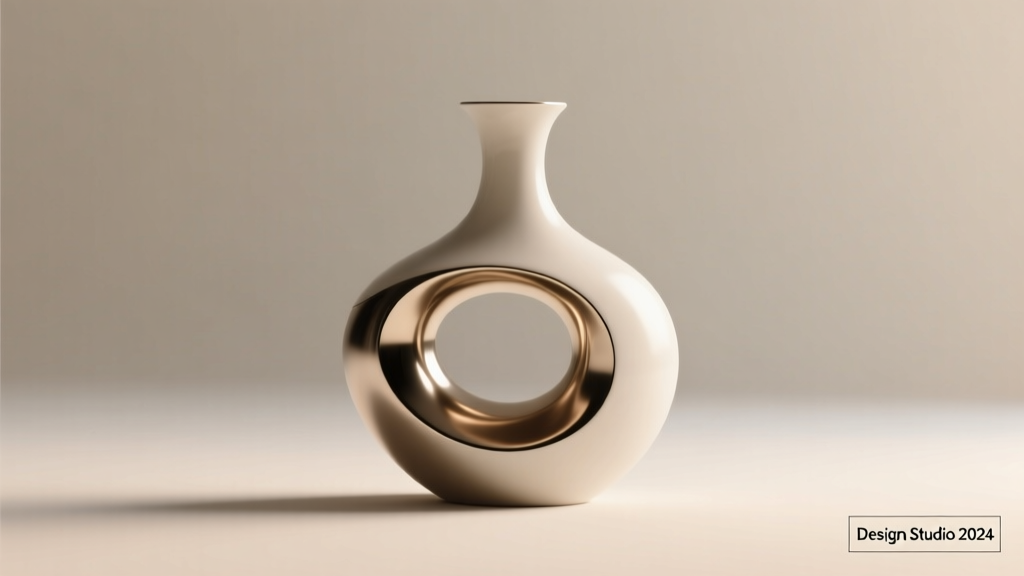
Types of Glass and Mirror Side Tables
Glass and mirror side tables are elegant, versatile furniture pieces that combine aesthetic appeal with functional design. By incorporating reflective surfaces and transparent materials, these tables enhance spatial perception, amplify natural light, and elevate interior decor. Ideal for modern, minimalist, or glamorous interiors, they are available in various styles tailored to different rooms and purposes. Below is a detailed overview of the most popular types of glass and mirror side tables.
Coffee Tables
A glass and mirror coffee table blends elegance with utility, serving as a centerpiece in living rooms. Typically featuring a tempered glass top and a base with mirrored panels or chrome-finished mirror accents, this table creates an illusion of openness and sophistication.
Advantages
- Enhances room brightness through reflection
- Creates a sense of spaciousness
- Easy to clean and maintain
- Complements both modern and classic decor
Considerations
- Shows fingerprints and smudges easily
- May require frequent polishing
- Less suitable for homes with young children (fragile edges)
Best for: Living rooms, contemporary homes, small or dimly lit spaces
End Tables / Accent Tables
Compact and stylish, end tables with glass tops and mirrored bases are perfect for flanking sofas or armchairs. These accent tables offer a functional surface for lamps, drinks, or decorative items while contributing to a light, airy atmosphere.
Advantages
- Space-efficient and visually lightweight
- Adds glamour without overwhelming the space
- Versatile placement in living rooms, bedrooms, or hallways
- Available in various shapes and finishes
Considerations
- Limited surface area for larger items
- Mirrored surfaces may reflect clutter if not organized
- May feel less substantial than solid wood alternatives
Best for: Small living spaces, modern interiors, accent lighting setups
Dressing Tables
Dressing tables with glass tops and integrated mirrors are essential for bedroom organization and personal grooming. These tables often feature a large central mirror, storage drawers, and a sleek glass surface that resists wear and adds a touch of luxury.
Advantages
- Provides a clear, undistorted reflection
- Modern aesthetic enhances bedroom decor
- Ample workspace for cosmetics and accessories
- Reflective surfaces brighten up the room
Considerations
- Requires regular cleaning to avoid streaks
- Can be heavy if combined with wooden frames
- Potential glare from overhead lighting
Best for: Master bedrooms, walk-in closets, vanity areas
Console Tables
Slender and sophisticated, glass and mirror console tables are ideal for entryways, hallways, or behind sofas. Featuring a glass top and mirrored legs or back panels, these tables offer a minimalist footprint while maximizing visual impact.
Advantages
- Perfect for narrow spaces
- Enhances lighting and depth perception
- Ideal for displaying art, photos, or floral arrangements
- Instantly elevates entryway aesthetics
Considerations
- Not suitable for heavy storage
- May feel fragile in high-traffic areas
- Requires careful placement to avoid reflections of unattractive angles
Best for: Foyers, hallways, apartment living, minimalist interiors
| Type | Primary Use | Style Compatibility | Space Efficiency | Maintenance Level |
|---|---|---|---|---|
| Coffee Table | Living room centerpiece | Modern, glam, transitional | Medium | Moderate (frequent wiping needed) |
| End/Accent Table | Supplemental surface | Contemporary, minimalist | High | Low to moderate |
| Dressing Table | Bedroom grooming | Luxury, modern, vintage | Medium | Moderate (mirror cleaning) |
| Console Table | Entryway decor | Minimalist, modern, eclectic | Very High | Low to moderate |
Expert Tip: To maintain the pristine look of glass and mirror tables, clean them regularly with a microfiber cloth and a streak-free glass cleaner. Avoid abrasive pads or ammonia-based products that can damage mirrored coatings over time.
Industrial Features of Glass Side Mirror Tables
Glass side mirror tables are a modern fusion of elegance and practicality, making them a popular choice in both residential and commercial interiors. These tables combine reflective surfaces with durable materials to deliver a visually striking yet functional piece of furniture. Their unique design enhances spatial perception, adds brightness, and complements a wide range of décor styles—from minimalist contemporary to opulent classic.
Key Industrial Features
Stylish Design
The aesthetic appeal of glass side mirror tables is one of their most defining industrial features. The seamless integration of tempered glass and mirrored panels creates a sleek, high-end appearance that elevates any space. These tables are engineered to be visually lightweight, making them ideal for small rooms where space optimization is essential.
Their reflective surfaces amplify natural and artificial light, contributing to a brighter, more open atmosphere. This makes them especially effective in dimly lit areas such as hallways, lobbies, or compact living rooms. Designers often use these tables to create focal points or to enhance symmetry in interior layouts, thanks to their clean lines and luminous finish.
Functionality
Beyond their visual appeal, glass side mirror tables are highly functional. Commonly used as end tables beside sofas or armchairs, they provide convenient surface space for lamps, books, drinks, or decorative items. In commercial settings—such as hotel lobbies, waiting rooms, or salons—they serve as stylish accent pieces that also offer utility.
Many models include added features like concealed drawers, open shelves, or built-in organizers, blending storage solutions with modern design. The non-porous glass surface is easy to wipe clean and resists stains, making it ideal for high-traffic environments. Their versatility allows them to double as nightstands, entryway consoles, or even vanity tables when equipped with a full-length mirror.
Durability and Material Quality
Despite their delicate appearance, glass side mirror tables are constructed for long-term durability. The tabletops are typically made from tempered glass—up to five times stronger than regular glass—which enhances resistance to impact, scratches, and thermal stress. If broken, tempered glass shatters into small, blunt pieces, reducing the risk of injury.
The supporting frames are crafted from robust materials such as solid wood, engineered MDF with premium veneers, or powder-coated metal, ensuring stability and longevity. These materials are selected not only for strength but also for resistance to warping, moisture, and everyday wear. The mirrored panels are often backed with protective coatings to prevent tarnishing and corrosion over time.
Installation and Assembly
Manufacturers prioritize user convenience by designing glass side mirror tables for straightforward assembly. Most models require minimal setup—such as attaching pre-mounted legs or securing a tabletop to a base—with all necessary hardware and instructions included. Some smaller accent tables even come fully assembled, ready to use out of the box.
Larger or multi-component designs, such as mirrored dressing tables with adjustable mirrors or multi-tier shelving, may require more involved assembly. However, modular construction and labeled parts streamline the process. Pre-drilled holes, tool-free connectors, and step-by-step guides ensure that installation remains accessible to users without specialized skills.
| Feature | Industrial Benefit | Common Applications |
|---|---|---|
| Tempered Glass Top | High impact resistance, safety compliance, scratch-resistant surface | Living rooms, hotels, offices |
| Mirrored Side Panels | Enhances lighting, creates illusion of space, decorative accent | Small apartments, lobbies, salons |
| Wood/Metal Frame | Structural stability, long-term durability, aesthetic versatility | Residential and commercial interiors |
| Modular Design | Easy shipping, simplified assembly, reduced damage risk | E-commerce, DIY installations |
Maintenance Tips for Longevity
Important: Always follow the manufacturer’s care instructions to preserve the finish and structural integrity of your glass side mirror table. Improper cleaning agents or excessive weight beyond the recommended load limit can lead to damage. Proper handling during assembly and relocation will prevent chipping or cracking of glass and mirrors.
Scenarios of Glass Side Mirror Tables: Stylish & Functional Uses Across Spaces
Glass side mirror tables combine elegance with practicality, making them a versatile choice for various interior settings. Their reflective surfaces amplify light, create a sense of openness, and add a modern, luxurious touch to any room. Below is a detailed exploration of how these sophisticated pieces enhance different areas of the home and office.
Living Rooms: The Centerpiece of Elegance
In living rooms, glass side mirror tables—such as coffee tables and end tables—serve as stylish focal points. Positioned beside sofas or at the center of seating arrangements, they elevate the room’s aesthetic with their sleek, reflective surfaces.
- Enhance ambient lighting by reflecting natural and artificial light, making the space feel brighter and more expansive
- Perfect for displaying decorative accents like vases, candles, or photo frames without overwhelming the visual balance
- Add a refined touch ideal for entertaining guests, contributing to a polished and inviting atmosphere
- Pair well with modern, minimalist, or contemporary décor styles, complementing metallic or glass finishes in furniture and lighting
Design Tip: Choose tables with beveled or frosted edges for added texture and reduced glare.
Bedrooms: Functional Beauty in Personal Spaces
In bedrooms, glass side mirror tables often double as dressing tables or vanity units. Their integrated mirror functionality makes them both practical and visually appealing.
- Provide a dedicated space for applying makeup, styling hair, or organizing beauty essentials like perfumes, jewelry, and skincare products
- Commonly found in master bedrooms or walk-in dressing rooms, where they contribute to a boutique-like, spa-inspired ambiance
- Reflective surfaces help brighten dim corners and make compact bedrooms feel larger and more open
- Available with LED lighting or magnifying mirrors for enhanced usability
Pro Tip: Opt for tables with built-in drawers or shelves to maintain clutter-free organization.
Entryways & Hallways: First Impressions Matter
Console-style glass side mirror tables are ideal for entryways and hallways—transitional spaces that set the tone for your home’s interior.
- Create a welcoming focal point by displaying decorative items such as fresh flowers, framed photos, or scented candles
- Maximize light reflection in narrow or windowless hallways, enhancing brightness and spatial perception
- Offer convenient storage for everyday items like keys, wallets, and sunglasses, combining form and function
- Add a sense of sophistication and modernity to the home’s entrance, impressing guests from the moment they arrive
Stylish Note: Pair with a matching mirror or artwork above the table to create a cohesive look.
Offices: Professional Flair with Modern Appeal
Whether in a home office or a corporate environment, glass side mirror tables bring a sleek, professional aesthetic to workspaces.
- Serve as compact workstations for laptops, notebooks, and office supplies, ideal for small or multi-functional rooms
- Enhance the perception of space in compact offices, making them feel more open and less confined
- Act as stylish accent pieces in reception areas or executive offices, projecting innovation and attention to detail
- Complement modern office furniture and glass partitions, supporting a clean, contemporary design language
Functionality Insight: Consider tempered glass for durability and safety in high-traffic office areas.
Interior Designer Insight: When incorporating glass side mirror tables, balance their reflective nature with soft textures—like rugs, curtains, or upholstered furniture—to prevent the space from feeling too cold or sterile. Additionally, keep surfaces minimally styled to maintain clarity and elegance, avoiding overcrowding with decor.
| Room Type | Primary Function | Design Benefit | Recommended Features |
|---|---|---|---|
| Living Room | Decorative centerpiece | Enhances lighting and openness | Beveled edges, tempered glass, slim profile |
| Bedroom | Dressing & storage | Functional mirror with elegance | Integrated lighting, drawers, soft-close mechanism |
| Entryway/Hallway | First impression & utility | Expands visual space | Closed storage, durable frame, anti-scratch coating |
| Office | Workstation & accent | Projects professionalism | Cable management, sturdy base, minimalist design |
Additional Considerations for Optimal Use
- Lighting Interaction: Position tables to maximize natural light reflection, especially near windows or opposite light sources
- Maintenance: Glass surfaces require regular cleaning to avoid smudges and water spots; use streak-free glass cleaners
- Safety: Ensure tables are made from tempered or laminated glass, especially in homes with children or high foot traffic
- Style Coordination: Match the table’s frame material (chrome, brass, black metal) with existing hardware and fixtures for a unified look
- Space Planning: In small rooms, choose floating or wall-mounted designs to preserve floor space and enhance airiness
How to Choose the Perfect Glass Side Mirror Table
Selecting the right glass side mirror table is more than just a matter of aesthetics—it's about enhancing your space with functionality, style, and light. These elegant pieces combine reflective surfaces with sleek design to create a sense of openness and sophistication. Whether you're furnishing a modern apartment or a traditionally styled home, understanding the key selection criteria will help you make an informed decision. This guide breaks down the essential factors: style, size and proportion, base materials, and budget considerations.
Important Note: Glass and mirror surfaces are beautiful but require regular cleaning to maintain their clarity and luster. Consider low-maintenance finishes or protective coatings if you prefer hassle-free upkeep.
1. Style: Match Your Interior Aesthetic
Choosing a glass side mirror table begins with aligning it to your room’s overall decor theme. The reflective nature of glass and mirrors can amplify both light and design elements, making style compatibility crucial.
- Modern & Contemporary Interiors: Opt for minimalist designs with clean lines, geometric shapes, and frameless or chrome-edged glass tops. These tables often feature metallic bases and contribute to a sleek, uncluttered look.
- Traditional & Classic Spaces: Look for tables with ornate detailing, beveled mirror edges, or carved wooden bases. These add elegance and complement vintage or opulent decor schemes.
- Transitional Design: Choose pieces that blend simplicity with subtle embellishments—such as mirrored tops with brushed gold or brass accents—to bridge classic and modern styles.
- Maximize Light and Space: Because glass and mirrors reflect ambient light, they’re ideal for small rooms or dimly lit areas. Position them opposite windows or light sources to enhance brightness and create an illusion of depth.
2. Size and Proportion: Balance and Functionality
The right size ensures your glass side mirror table complements, rather than overwhelms, your space. Proper proportions are key to both visual harmony and practical use.
- Height Guidelines:
- End Tables: Should align with the armrest height of your sofa or chair—typically between 24" and 26".
- Coffee Tables: Ideally 14"–18" lower than the seat height to allow easy access while seated.
- Footprint Considerations:
- In compact spaces, choose narrow or round tables to avoid crowding walkways.
- In larger rooms, opt for wider or dual-tiered designs to anchor seating areas without getting visually lost.
- Clearance: Allow at least 18" between the table and adjacent furniture for comfortable movement and accessibility.
3. Base Materials: Durability Meets Design
While the tabletop is typically made of tempered glass or mirrored glass for safety and elegance, the base material significantly influences the table’s strength, weight, and aesthetic appeal.
- Metal Bases (Stainless Steel, Iron, Aluminum):
- Pros: Durable, modern look, resistant to warping and moisture.
- Best For: contemporary, industrial, or minimalist interiors.
- Wooden Bases (Solid Wood, Engineered Wood, MDF):
- Pros: Warm, natural appearance; adds stability and grounding to reflective surfaces.
- Best For: traditional, rustic, or Scandinavian-inspired spaces.
- Hybrid & Acrylic Bases:
- Combines materials (e.g., wood with metal legs) for unique styling.
- Acrylic bases offer a lightweight, futuristic look but may scratch more easily.
- Stability Tip: Heavier bases help balance the reflective top and prevent tipping, especially in homes with children or pets.
4. Budget: Smart Investment Without Overspending
Glass side mirror tables vary widely in price based on craftsmanship, materials, and brand. Setting a clear budget helps narrow options while ensuring quality.
- Entry-Level ($100–$250): Often feature MDF or particleboard bases with standard mirrored glass. Suitable for temporary or rental spaces.
- Mid-Range ($250–$600): Include solid wood or metal bases, tempered glass, and better finishes. Ideal for long-term use in living rooms or bedrooms.
- Premium ($600+): Handcrafted designs with high-end materials like brass, marble inlays, or custom beveled mirrors. Perfect for statement pieces in luxury interiors.
- Cost-Saving Tips:
- Shop during seasonal sales or at outlet stores.
- Consider floor models or open-box items for discounts.
- Prioritize essential features (e.g., durability over ornate details) to stay within budget.
| Selection Factor | Key Questions to Ask | Recommended Features | Avoid If... |
|---|---|---|---|
| Style | Does it match my room’s theme? Does it reflect light well? | Beveled edges, frameless design, cohesive finish with other furniture | It clashes with existing decor or looks too flashy |
| Size & Proportion | Is it too tall, short, or bulky for the space? | Proportional height, adequate surface area, sufficient clearance | It blocks pathways or looks out of scale |
| Base Material | Is it sturdy? Does it suit my lifestyle? | Tempered glass top, solid wood or metal base, non-slip feet | It wobbles or uses low-quality composite materials |
| Budget | Is it worth the investment? Are there hidden costs? | Transparent pricing, warranty, easy assembly | It sacrifices safety or durability for low cost |
Expert Tip: When placing a glass or mirror table near windows, avoid direct sunlight exposure to prevent glare and potential heat buildup that could damage nearby furnishings or create discomfort.
Final Considerations Before Purchase
- Check product specifications for weight capacity, especially if you plan to place lamps, books, or decorative items on the table.
- Look for tempered or safety-processed glass to reduce the risk of shattering.
- Read customer reviews for insights on durability, ease of assembly, and long-term satisfaction.
- Consider the ease of cleaning—mirrored surfaces show fingerprints and dust more easily than matte finishes.
- Ensure the table has protective padding on the bottom to prevent floor scratches.
By thoughtfully evaluating style, size, materials, and budget, you can select a glass side mirror table that not only elevates your decor but also serves as a functional and enduring piece. Whether you're aiming for a bold statement or subtle elegance, the right table will reflect both your taste and your space’s personality.
Frequently Asked Questions About Glass Side Mirror Tables
Q1: Can I use a glass side mirror table in a small room?Absolutely! Glass side mirror tables are an excellent choice for compact living spaces. Their transparent and reflective surfaces help create the illusion of depth, making a room appear more open and airy. By reflecting ambient light and surrounding décor, these tables enhance brightness and visual space—ideal for studios, apartments, or narrow hallways.
- Space-Saving Design: The minimalist footprint allows for easy placement without overwhelming the room.
- Light Amplification: Mirrored elements bounce natural and artificial light around the space, reducing the feeling of confinement.
- Visual Continuity: Because the table doesn’t block sightlines, it helps maintain an uninterrupted flow in the interior design.
This makes glass side mirror tables both functional and aesthetically beneficial for small or dimly lit environments.
Q2: How do I clean a glass side mirror table?Maintaining the pristine look of a glass side mirror table is simple with the right cleaning technique. Regular dusting and spotless wiping will keep it looking elegant and streak-free.
- Glass Top: Spray a high-quality glass cleaner directly onto a microfiber or soft lint-free cloth (not the surface, to avoid overspray) and gently wipe in circular motions to remove fingerprints and smudges.
- Mirrored Surfaces: Use a gentle, ammonia-free mirror cleaner with a cotton pad or soft cloth to prevent scratching or chemical damage, especially on the back-coated mirror finishes.
- Frame & Edges: Wipe metal or wooden frames with a slightly damp cloth, then dry immediately to prevent moisture damage.
- Frequency: Clean weekly or more often in high-use areas to maintain clarity and shine.
Avoid abrasive sponges, harsh chemicals like bleach or acetone, and excessive water, which can damage seals or cause fogging in mirrored components.
Q3: Are glass side mirror tables durable?Yes, when constructed with high-quality materials, glass side mirror tables are quite durable and built to last. Most premium models use tempered glass, which is up to five times stronger than regular glass and designed to resist breakage from impact.
- Tempered Glass: Heat-treated for strength and safety; if shattered, it breaks into small, blunt pieces rather than sharp shards.
- Mirror Integrity: Modern mirrored surfaces are coated with protective layers to resist tarnishing, scratching, and humidity damage.
- Sturdy Frames: Many designs include reinforced metal or solid wood bases that provide stability and support.
- Care Tips: While durable, avoid placing heavy or sharp objects directly on edges, and lift the table when moving instead of dragging.
With proper handling and maintenance, a glass side mirror table can remain a stylish and resilient piece in your home for years.
Q4: What styles of decor work best with a glass side mirror table?Glass side mirror tables are remarkably versatile and complement a wide range of interior design aesthetics due to their sleek, reflective, and modern appearance.
| Decor Style | Compatibility | Design Tips |
|---|---|---|
| Modern & Contemporary | Excellent | Pairs beautifully with clean lines, neutral tones, and minimalist furniture. |
| Traditional | Good | Works well when combined with ornate mirrors, classic lighting, and rich textiles for contrast. |
| Industrial | Very Good | Complements exposed metals and raw textures—opt for black metal frames. |
| Bohemian | Fair to Good | Use as a reflective accent among colorful patterns and layered décor. |
Whether you're aiming for a luxurious, airy feel or a bold design statement, a glass side mirror table can serve as a functional centerpiece that enhances the overall ambiance of your space.
Q5: Can I place a glass side mirror table outside?It’s generally not recommended to place a glass side mirror table in outdoor environments due to exposure to weather elements that can compromise its structure and finish.
- Weather Risks: Rain, snow, and humidity can seep into mirror backing, causing fogging, corrosion, or delamination over time.
- Temperature Fluctuations: Extreme heat or cold may stress the glass or adhesive bonds, increasing the risk of cracks or warping.
- UV Exposure: Prolonged sunlight can fade finishes and weaken protective coatings on mirrored surfaces.
- Safe Alternative: You can place the table in a covered, enclosed outdoor area like a sunroom, porch, or patio with a roof—provided it remains dry and shielded from direct weather exposure.
For fully outdoor settings, consider weather-resistant materials like aluminum, teak, or all-weather wicker instead. Always check manufacturer guidelines before placing indoor furniture in semi-outdoor spaces.