Plush tassel cushion covers add elegance and comfort to any living space. Their soft textures and decorative details elevate interior design, but they also demand careful maintenance. Improper cleaning can lead to fraying, shrinkage, color bleeding, or distorted tassels. Unlike standard cushion covers, those with plush fabric and ornamental tassels require a tailored approach that balances cleanliness with preservation. Understanding fiber types, water temperature limits, and drying techniques is essential to maintaining their beauty and longevity.
Know Your Fabric: The Foundation of Safe Cleaning
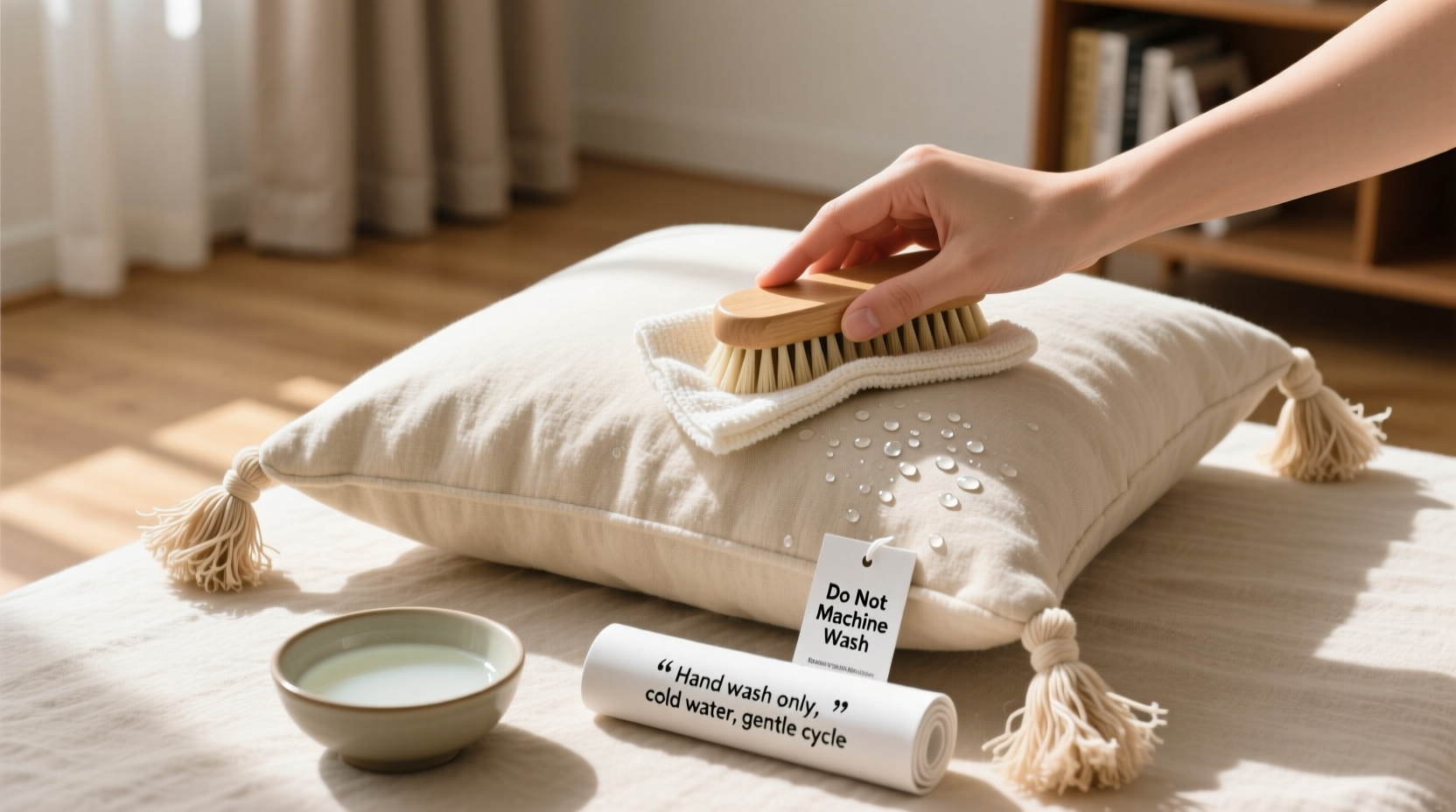
The first step in cleaning any plush tassel cushion cover is identifying the material. Common fabrics include polyester, cotton blends, velvet, acrylic, and wool. Each reacts differently to water, detergents, and agitation. Always check the care label before proceeding. If no label exists, perform a simple test: gently tug a small thread from an inconspicuous seam and burn it. Cotton and linen burn quickly with a papery smell; wool and silk burn slowly with a hair-like odor; synthetic fibers melt and bead.
Fabrics like velvet or chenille are prone to crushing under pressure, while natural fibers such as cotton may shrink when exposed to hot water. Tassels—often made from twisted yarns or braided threads—are especially vulnerable to unraveling if handled too roughly. Knowing these properties allows you to choose the safest method and avoid irreversible damage.
Tip: Never assume a cover is machine-washable just because it looks durable. Delicate trims and plush weaves often require hand-cleaning.Step-by-Step Guide: Hand-Washing Plush Tassel Covers Safely
Hand-washing is the most reliable method for preserving plush tassel cushion covers. It offers control over water temperature, detergent concentration, and mechanical stress. Follow this sequence for best results:
- Remove the insert: Take out the cushion filler and set it aside in a dry area. Clean only the cover.
- Vacuum lightly: Use a soft brush attachment to remove surface dust and debris, especially around tassels.
- Spot test: Dampen a hidden corner (like an inner seam) with your cleaning solution and wait 10 minutes. Check for color loss or texture change.
- Prepare lukewarm bath: Fill a clean basin with water at 30°C (86°F) or lower. Add a small amount of mild, pH-neutral detergent formulated for delicates.
- Submerge gently: Place the cover in the water. Do not wring, twist, or rub. Instead, press it down and let it soak for 10–15 minutes.
- Clean tassels separately: Use a soft toothbrush dipped in soapy water to lightly clean tassels. Work from base to tip to prevent tangling.
- Rinse thoroughly: Drain the soapy water and refill the basin with clean, cool water. Repeat rinsing until no suds remain.
- Press out water: Lay the cover flat on a clean towel. Roll the towel with the cover inside to absorb excess moisture. Do not wring.
- Air dry flat: Place the cover on a drying rack or clean towel, away from direct sunlight and heat sources. Reshape tassels as needed.
Drying can take 24–48 hours depending on humidity. Flip the cover halfway through to ensure even drying and prevent mildew.
Do’s and Don’ts: Key Practices for Longevity
| Do’s | Don’ts |
|---|---|
| Use cold or lukewarm water | Use hot water or steam |
| Choose gentle, dye-free detergents | Use bleach or fabric softeners |
| Dry flat in a ventilated area | Tumble dry or hang vertically |
| Brush tassels gently with a wide-tooth comb once dry | Aggressively rub stained areas |
| Vacuum monthly to reduce deep stains | Ignore spills—clean immediately |
Expert Insight: Why Gentle Care Matters
“Plush textiles and tassels are designed for visual impact, not durability. Overwashing or using harsh methods strips fibers of their natural resilience. A single aggressive cycle can dull luster and loosen stitching.” — Lydia Grant, Textile Conservation Specialist
According to industry experts, up to 70% of damage to decorative cushion covers comes from improper home cleaning. Machine agitation, high heat, and chemical exposure break down fiber integrity faster than regular use. Even “machine-washable” labels may not account for long-term wear on tassels or embroidery. When in doubt, opt for gentler methods—even if they take more time.
Mini Case Study: Recovering a Vintage Velvet Cushion Cover
Sophie, a vintage home stylist, inherited a set of 1970s velvet cushion covers with intricate silk tassels. After years in storage, they were dusty and had faint mildew spots. Instead of washing them immediately, she consulted a textile restorer who advised spot treatment only. Using a mix of distilled water and a drop of castile soap, Sophie dabbed stains with a microfiber cloth, avoiding saturation. She then placed the covers near a fan for 48 hours. The result? Restored vibrancy without warping or fraying. This case underscores that less is often more when dealing with delicate materials.
Tip: For minor stains, use a damp cloth with a tiny bit of dish soap. Blot—don’t scrub—to lift dirt without spreading it.Checklist: Safe Cleaning Routine for Plush Tassel Covers
- ✅ Check care label or fabric type
- ✅ Remove cushion insert
- ✅ Vacuum surface gently
- ✅ Perform spot test in hidden area
- ✅ Hand-wash in lukewarm water with mild detergent
- ✅ Rinse thoroughly until water runs clear
- ✅ Press dry with towel—no wringing
- ✅ Dry flat away from sunlight
- ✅ Fluff tassels gently once dry
- ✅ Store in breathable cotton bag when not in use
FAQ: Common Questions About Cleaning Plush Tassel Covers
Can I machine wash a plush tassel cushion cover?
Only if the care label explicitly permits it. Even then, use a mesh laundry bag, cold water, and the delicate cycle. However, hand-washing is always safer to protect tassels and fabric pile.
How often should I clean my cushion covers?
Light vacuuming every 4–6 weeks helps prevent buildup. Full cleaning is recommended every 3–6 months, or immediately after spills. High-use areas like living rooms may need more frequent attention.
What should I do if the tassels become tangled?
Once completely dry, use a wide-tooth comb or your fingers to gently detangle. Start from the ends and work upward. Avoid brushing wet tassels, as this increases breakage risk.
Preserve Beauty Through Mindful Maintenance
Cleaning plush tassel cushion covers isn’t just about removing dirt—it’s about honoring the craftsmanship behind them. These pieces blend function and artistry, and their upkeep reflects how much you value both. By adopting slow, deliberate cleaning habits, you extend not only their lifespan but also their aesthetic contribution to your space. Whether you own modern bohemian decor or heirloom-quality pieces, the principles remain the same: respect the material, prioritize gentleness, and act promptly yet carefully.
💬 Have a favorite method for caring for delicate cushion covers? Share your experience and help others protect their home textiles with confidence.