Selecting the ideal pillowcase isn’t just about matching your bedroom decor. The right fit ensures your cushion stays protected, maintains its shape, and contributes to a restful sleep. Yet, many people overlook the importance of proper sizing, opting instead for aesthetic appeal or convenience. A too-tight case strains seams and distorts the pillow, while an oversized one slips and bunches. Understanding how to match pillow dimensions with the correct pillowcase is essential for both comfort and longevity.
Understand Standard Pillow Sizes and Their Dimensions
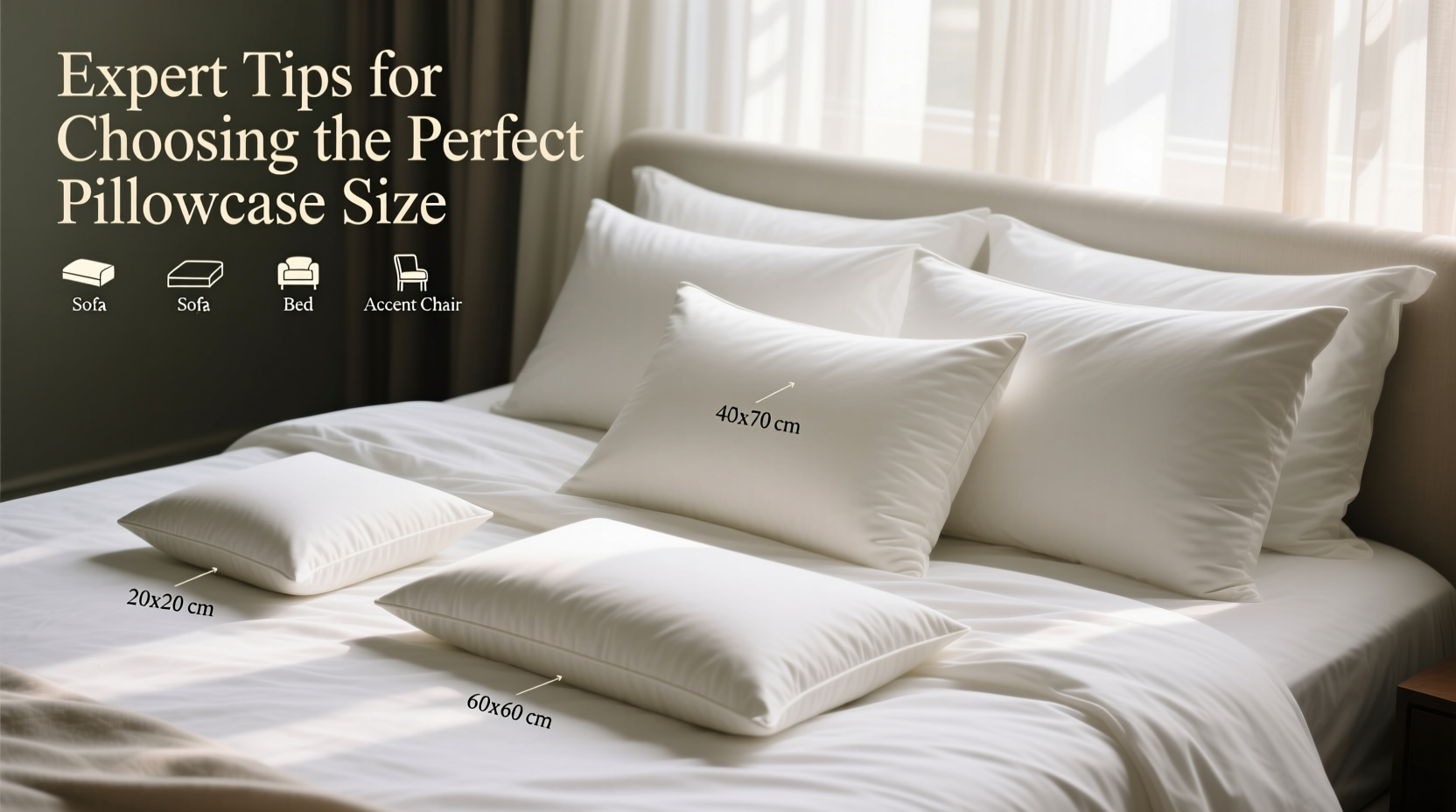
Pillow sizes vary significantly across regions and manufacturers. While some standardizations exist, slight variations in thickness and length can affect how well a pillowcase fits. Knowing the exact measurements of your cushion helps eliminate guesswork when shopping.
| Pillow Type | Dimensions (Inches) | Common Pillowcase Size |
|---|---|---|
| Standard | 20\" x 26\" | 20\" x 28\" – 30\" |
| Queen | 20\" x 30\" | 20\" x 32\" – 34\" |
| King | 20\" x 36\" | 20\" x 40\" – 42\" |
| European (Euro) | 26\" x 26\" | 27\" x 27\" – 28\" x 28\" |
| Body Pillow | 20\" x 54\" | 20\" x 54\" – 56\" |
Note that pillowcases are typically cut slightly larger than the pillow itself—usually 1–2 inches in length—to allow for ease of insertion and accommodate fluffing over time. However, this margin should not exceed 3 inches, or the case may appear baggy and slip off during use.
Tip: Always measure your pillow before purchasing a case. Don’t assume store-bought pillows conform exactly to standard sizes.Measure Your Cushion Accurately
To avoid ill-fitting cases, take precise measurements of your existing pillows. Use a soft measuring tape and record three key dimensions:
- Length – From top to bottom edge.
- Width – Across the broadest side.
- Depth/Height – Especially important for thick memory foam or down-alternative pillows.
For example, a deep euro pillow might be 26” square but 6” thick. A standard flat pillowcase won’t accommodate that depth. In such cases, consider envelope-style or gusseted pillowcases designed for extra volume.
“Many customers return pillowcases thinking they’re defective, when in reality, they didn’t account for pillow depth. Always measure all three dimensions.” — Lena Torres, Home Textiles Specialist at RestWell Linens
Choose the Right Closure and Fit Style
Beyond size, the way a pillowcase closes affects both appearance and functionality. There are several common styles:
- Open End (Housewife) – Simple fold-over flap. Best for low-loft pillows; may not secure deeper cushions.
- Envelope Closure – Overlapping panels that tuck behind each other. Ideal for thicker pillows and prevents slipping.
- Zipper or Button Closure – Secure and modern, often used in decorative or luxury bedding. Ensures full coverage but may require more effort to insert/remove.
For body pillows or specialty cushions, consider custom-length cases with zipper closures to keep filling evenly distributed. Envelope styles are particularly effective for king and queen pillows where movement during sleep is common.
Mini Case Study: Fixing a Slippery King Pillow
Sarah from Portland replaced her old king pillows with premium hypoallergenic models that were slightly taller—about 28” long and 5” thick. She bought standard king pillowcases (20” x 36”), but they kept sliding off at night. After consulting a linen expert, she switched to gusseted king cases with envelope backs. The added depth and secure overlap eliminated slippage, improved comfort, and extended the life of her investment. The small upgrade transformed her nightly routine.
Factor in Fabric and Stretch
The material of the pillowcase influences fit. Some fabrics naturally stretch, while others remain rigid:
- Cotton Percale – Crisp and breathable, minimal stretch. Stick to exact sizing.
- Sateen Weave – Slightly smoother with a bit more give. Can accommodate minor size discrepancies.
- Jersey Knit – Highly elastic, like a t-shirt. May fit a range of pillow sizes but can appear loose if oversized.
- Linen – Stiff initially but softens over time. Pre-washed linen has less shrink risk.
If you're using a stretchy jersey case on a firm pillow, opt for a snugger size. Conversely, with non-stretch cotton, add 1–2 inches for ease. Always check care labels—some materials shrink after washing, which can turn a perfect fit into a strained one.
Tip: Wash new pillowcases before first use, especially natural fibers. This pre-shrinks the fabric and reveals the true post-wash fit.Checklist: How to Choose the Perfect Pillowcase Size
Follow these steps to ensure a flawless fit every time:
- Measure your pillow’s length, width, and depth.
- Check manufacturer specs if buying new pillows.
- Determine the closure type based on pillow thickness and usage (sleep vs. decorative).
- Select a pillowcase 1–2 inches longer than the pillow for ease of fit.
- Account for fabric stretch—tighter weave needs more room; knits can be closer fitting.
- Consider gusseted or envelope styles for deep or oversized pillows.
- Wash a sample case first to test shrinkage before bulk purchasing.
Common Mistakes to Avoid
- Assuming all “king” pillows are identical – Brands vary; always verify dimensions.
- Ignoring pillow depth – A 20” x 36” case may fit lengthwise but fail to cover a 6”-thick pillow.
- Using twin cases on queen pillows – Even a 4-inch difference causes strain and premature wear.
- Buying decorative cases without checking fit – Pretty prints don’t matter if the case won’t stay on.
“The most overlooked factor in pillowcase selection is depth compatibility. A case that covers only half the pillow defeats its purpose.” — Dr. Marcus Lin, Sleep Ergonomics Researcher, National Rest Institute
Frequently Asked Questions
Can I use a queen pillowcase for a standard pillow?
Yes, but it will be loose and may shift during sleep. For a cleaner look and better fit, use a standard-sized case. If you prefer extra fabric for tucking, ensure the width matches and the closure keeps it secure.
What size pillowcase do I need for a 20x30 inch pillow?
A queen pillowcase (typically 20\" x 32\" to 34\") is ideal. It provides 2–4 inches of extra length for ease and accommodates light stuffing expansion. Avoid going larger unless the case has a secure closure.
Do pillowcases shrink after washing?
Natural fibers like cotton and linen can shrink by 3–5% after the first wash, especially if not pre-shrunk. Always check product details for shrinkage ratings and consider buying slightly larger if using non-prewashed fabric.
Final Thoughts and Action Steps
Choosing the perfect pillowcase size is more than a matter of convenience—it directly impacts sleep quality, pillow durability, and bedroom aesthetics. By measuring accurately, understanding fabric behavior, and selecting the right closure style, you create a seamless blend of function and comfort. Don’t let an overlooked detail compromise your rest.
Take inventory of your current pillows today. Measure each one, note their depth, and compare them to your existing pillowcases. Replace any ill-fitting covers with properly sized alternatives. Your neck, shoulders, and sheets will thank you.
💬 Have a pillowcase fit success story or a sizing challenge? Share your experience in the comments below—your insight could help others find their perfect match!








