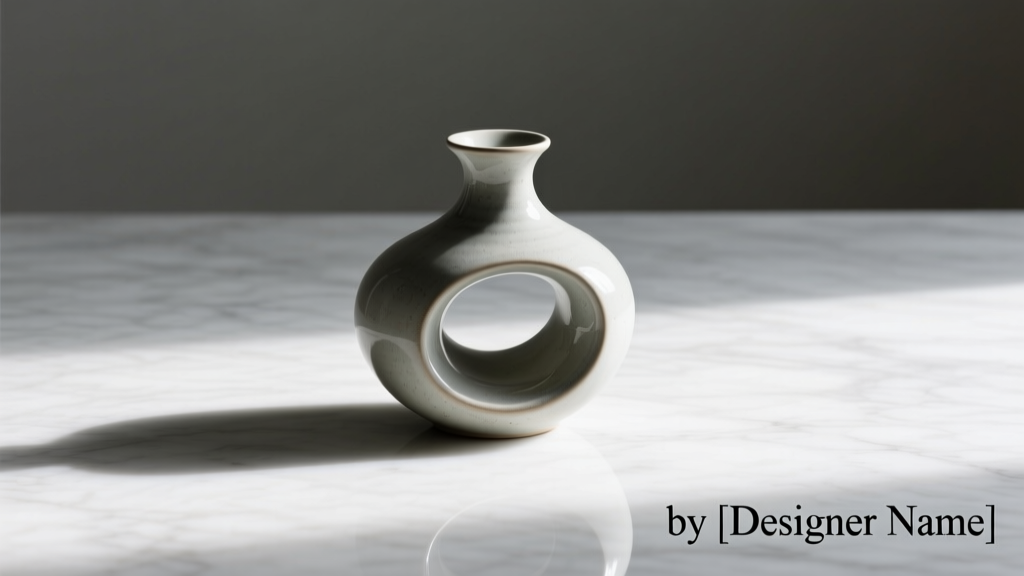
Types of Enamel Flower Soup Pots
Enamel flower soup pots are more than just functional kitchenware—they blend practicality with artistry. These beautifully crafted pots are made from cast iron or steel coated with a durable porcelain enamel, often adorned with vibrant floral patterns that bring charm and elegance to any kitchen. Not only do they distribute heat evenly and resist chipping, but their aesthetic appeal also makes them perfect for both cooking and serving. Whether you're simmering a hearty stew or presenting a delicate broth, enamel flower soup pots elevate the culinary experience.
Traditional Round Soup Pot
A timeless classic, this pot features a symmetrical round shape ideal for even heat distribution and versatile cooking.
Advantages
- Even heat distribution due to rounded design
- Stable flat base compatible with all stovetops
- Versatile for boiling, simmering, and slow cooking
- Timeless floral enamel design enhances kitchen décor
Limitations
- Limited capacity compared to larger stockpots
- May be heavier than non-cast alternatives
- Requires gentle cleaning to preserve enamel finish
Best for: Everyday cooking, family meals, slow-simmered soups and stews
Stockpot with Floral Enamel
Designed for large-volume cooking, this tall, deep pot is perfect for preparing big batches of soup, broth, or pasta.
Advantages
- High capacity ideal for meal prepping and entertaining
- Durable enamel resists staining and odors
- Excellent for canning, boiling, and stock-making
- Floral design transforms utilitarian cooking into an artistic experience
Limitations
- Bulkier and heavier, requiring more storage space
- May take longer to heat due to size
- Potential for chipping if mishandled
Best for: Large families, batch cooking, holiday meals, and preserving
Bouillon Pot with Enamel Coating
Compact and elegant, this small pot is specifically designed for preparing and serving delicate broths and sauces.
Advantages
- Perfect size for single or small servings
- Non-reactive enamel preserves flavor integrity
- Suitable for direct stovetop-to-table serving
- Enhances presentation of refined dishes
Limitations
- Not suitable for large meals or family use
- Limited versatility beyond soups and sauces
- Higher price per volume compared to standard pots
Best for: Gourmet cooking, light broths, sauce preparation, and elegant dining
Asymmetric Flower Enamel Soup Pot
Featuring unique shapes and artistic floral patterns, this pot combines functionality with bold design.
Advantages
- Stands out as a decorative kitchen centerpiece
- Encourages creative expression in cooking and serving
- Offers ergonomic or innovative shapes for specialized use
- High collector’s appeal and gifting potential
Limitations
- May have uneven heat distribution due to shape
- Limited availability and higher cost
- Less practical for standard cooking routines
Best for: Artistic kitchens, collectors, unique serving pieces, and statement décor
Soup Pot with Lid
A practical and efficient design featuring a snug-fitting lid to lock in moisture, heat, and flavor during cooking.
Advantages
- Speeds up cooking by trapping steam and heat
- Preserves nutrients and enhances flavor retention
- Allows for storage directly in the pot (when cooled)
- Lid complements the floral design for a polished look
Limitations
- Lid may chip if knocked or stacked improperly
- Requires careful handling to maintain seal and fit
- Some lids may not be oven-safe depending on knob material
Best for: Slow cooking, meal prep, soups that benefit from steaming, and multi-use functionality
| Type | Capacity | Best Use Case | Heat Performance | Aesthetic Value |
|---|---|---|---|---|
| Traditional Round Soup Pot | Medium (3–5 quarts) | Daily cooking, stews, soups | Excellent | High |
| Stockpot with Floral Enamel | Large (8+ quarts) | Batch cooking, canning, boiling | Very Good | High |
| Bouillon Pot with Enamel Coating | Small (1–2 quarts) | Broths, sauces, single servings | Good | Very High |
| Asymmetric Flower Enamel Soup Pot | Varies | Decorative use, artistic presentation | Fair to Good | Exceptional |
| Soup Pot with Lid | Medium to Large | Slow cooking, flavor retention | Excellent | High |
Expert Tip: To preserve the beauty and longevity of your enamel flower soup pot, avoid using metal utensils and clean with a soft sponge. Never subject a hot pot to cold water abruptly, as thermal shock can cause the enamel to crack.
Designs of Enamel Flower Soup Pots: Style, Function, and Aesthetic Appeal
Enamel flower soup pots are more than just functional kitchenware—they are decorative pieces that blend artistry with utility. Their vibrant floral designs and durable enamel coating make them ideal for both cooking and serving, adding a touch of charm to any kitchen or dining table. These pots are crafted by fusing glass onto heavy-gauge steel, resulting in a smooth, non-porous surface that resists chipping and staining while showcasing intricate artwork. Below is an in-depth exploration of the most popular design styles available today.
Vintage Floral Patterns
The revival of vintage aesthetics has brought classic floral designs back into the spotlight, especially on enamel soup pots. These patterns typically feature large, romantic motifs such as roses, daisies, peonies, or wildflowers, rendered in soft, nostalgic hues like blush pink, sage green, and sky blue. The background is often a timeless enamel color—black, white, or creamy ivory—providing a striking contrast that enhances the floral details.
These pots evoke a warm, rustic charm reminiscent of heirloom kitchenware passed down through generations. Perfect for country cottages or farmhouse-style interiors, they bring a sense of heritage and comfort to the modern home. Their handcrafted appearance and retro appeal make them excellent for both everyday use and special occasions, blending functionality with sentimental value.
Floral Patterns with Geometric Borders
A growing trend in enamelware design combines the organic flow of floral art with structured geometric elements. In this style, delicate blossoms and vines are painted along the upper body of the pot, while the lower half features crisp patterns such as zigzags, chevrons, diamonds, or concentric lines. This fusion creates a balanced visual rhythm—softness meets symmetry.
Ideal for contemporary or transitional kitchens, this design bridges the gap between traditional femininity and modern minimalism. The geometric borders add a sense of order and sophistication, making the pot feel current and intentional. These pieces are particularly popular among homeowners who appreciate decorative details but prefer a cleaner, more curated aesthetic.
Single Flower Motif
For those who favor understated elegance, the single flower motif offers a refined alternative to busy patterns. This design highlights one prominent bloom—such as a lotus, sunflower, tulip, or cherry blossom—centered on the pot’s surface. The rest of the enamel remains plain, allowing the solitary flower to stand out with clarity and grace.
This minimalist approach emphasizes quality over quantity, turning the pot into a statement piece without overwhelming the space. It’s especially suited for modern kitchens, open shelving displays, or formal dining settings where simplicity and sophistication are valued. Because of its subtle beauty, this design easily complements a wide range of tableware and décor styles.
Abstract Floral Patterns
Pushing the boundaries of traditional enamel art, abstract floral designs use expressive brushstrokes, flowing lines, and splashes of color to suggest the essence of flowers rather than depict them realistically. These patterns often resemble watercolor paintings, with blurred edges, overlapping hues, and dynamic compositions that feel artistic and freeform.
Perfect for modern, eclectic, or artistically inspired kitchens, abstract floral pots serve as functional art pieces. While still suitable for cooking, they are often displayed as decorative objects when not in use. Their uniqueness makes them conversation starters and ideal for individuals who view their kitchen as a creative extension of their personality.
Hand-Painted Floral Designs
Among the most prized enamel flower pots are those featuring hand-painted artwork. Each piece is individually crafted by skilled artisans, resulting in subtle variations that ensure no two pots are exactly alike. These designs may draw from traditional European, Eastern European, or Japanese painting styles, incorporating fine details, delicate shading, and cultural motifs.
The hand-painted process adds a layer of authenticity and craftsmanship, transforming the pot into a collectible item. Whether depicting a field of wildflowers or a single chrysanthemum in ink-wash style, these pots celebrate the human touch in an age of mass production. They are perfect for gifting, collecting, or enhancing a kitchen with artisanal character.
| Design Style | Aesthetic Appeal | Best Suited For | Functionality Notes |
|---|---|---|---|
| Vintage Floral | Rustic, nostalgic, warm | Country kitchens, farmhouse décor | High durability; excellent for stovetop and oven use |
| Geometric-Floral Fusion | Modern, balanced, stylish | Contemporary or transitional interiors | Durable and practical with strong visual presence |
| Single Flower Motif | Elegant, minimalist, refined | Modern homes, formal dining | Easy to match with other kitchenware |
| Abstract Floral | Artistic, expressive, unique | Eclectic or design-forward spaces | May prioritize aesthetics over heavy-duty use |
| Hand-Painted | Authentic, artisanal, exclusive | Collectors, gift-giving, statement pieces | Handle with care; avoid abrasive cleaning |
Choosing the Right Design for Your Space
Important: While enamel flower soup pots are generally durable and versatile, avoid sudden temperature changes (like placing a hot pot in cold water) to prevent cracking. Also, use wooden or silicone utensils to protect the enamel surface from scratches. Proper care ensures your beautifully designed pot remains both functional and visually stunning for years to come.
Features of Enamel Flower Soup Pots
Enamel flower soup pots combine timeless charm with modern functionality, making them a favorite in both professional and home kitchens. Crafted with a fusion of durable materials and artistic design, these pots are more than just cookware—they're heirloom-quality pieces that enhance every aspect of food preparation, storage, and presentation. Below are the key features that make enamel flower soup pots a superior choice for everyday cooking and elegant serving.
Durability and Chip Resistance
Unlike traditional ceramic or porcelain cookware, enamel flower soup pots are built for real-world use. They feature a robust steel core coated with a layer of glass-like enamel, creating a resilient structure that resists breaking, cracking, and denting under daily wear and tear.
- The steel base provides structural strength, preventing warping or deformation over time
- If chipped, the damage typically doesn’t spread, maintaining the integrity of the pot
- Ideal for busy kitchens, family homes, or outdoor cooking where accidental bumps are common
- Withstands temperature changes better than pure ceramic, reducing the risk of thermal shock
Pro tip: Avoid metal utensils to minimize surface scratches and preserve the enamel finish.
Non-Reactive Cooking Surface
The enamel coating is formed by fusing powdered glass to steel at high temperatures, resulting in a smooth, inert surface that does not interact with food. This makes it exceptionally safe for cooking a wide variety of dishes, especially those with acidic ingredients.
- Safely cook tomato-based soups, citrus-marinated stews, or vinegar-heavy sauces without flavor contamination
- No metallic leaching or chemical reactions that can alter taste or color of food
- Preserves nutritional integrity of ingredients, making it a healthier cooking option
- Safe for long-term food storage, reducing the need for transferring leftovers
Key benefit: Ideal for individuals with sensitivities to reactive metals like aluminum or copper.
Superior Heat Distribution & Retention
Thanks to the conductive steel core beneath the enamel layer, these pots heat evenly and maintain consistent temperatures—essential for slow-simmering soups, stews, and braises.
- Steel base ensures rapid and uniform heat transfer across the entire cooking surface
- Minimizes hot spots that cause burning or uneven cooking
- Excellent heat retention keeps food warm long after removal from the stove or oven
- Energy-efficient, requiring less heat input to maintain desired cooking temperatures
Best practice: Use medium to low heat to preserve enamel and optimize energy use.
Easy to Clean and Maintain
The non-porous enamel surface resists staining, odor absorption, and food sticking, making cleanup quick and hassle-free.
- Most spills and residues can be wiped away with warm water and mild detergent
- Dishwasher-safe (check manufacturer guidelines), though hand washing extends longevity
- Resistant to scratches from nylon or wooden utensils
- Stain-resistant glaze keeps floral designs vibrant even after years of use
Maintenance tip: Soak stubborn residue instead of scrubbing aggressively to protect the enamel surface.
Aesthetic Appeal and Decorative Value
Enamel flower soup pots are as much a decorative object as they are a functional tool. Their hand-painted floral patterns, vintage-inspired colors, and glossy finish add warmth and character to any kitchen space.
- Available in a range of styles—from rustic farmhouse to modern Scandinavian
- Perfect for serving directly at the table, enhancing the dining experience
- Can be displayed on open shelves, wall racks, or countertops as part of kitchen décor
- Makes a thoughtful and beautiful gift for housewarmings, weddings, or holidays
Design insight: The visual charm of these pots encourages mindful cooking and joyful presentation.
Versatility and Compatibility
These pots are designed for multi-functional use across various cooking environments, making them a true kitchen workhorse.
- Safe for use on gas, electric, ceramic, and induction stovetops (if the base is magnetic)
- Oven-safe up to high temperatures (typically 400–500°F / 200–260°C)
- Suitable for both cooking and serving, eliminating the need to transfer dishes
- Cold-oven start capability allows for gradual heating without risk of cracking
Usage note: Always avoid sudden temperature extremes (e.g., placing a hot pot in cold water).
Expert Recommendation: For optimal performance and longevity, pair your enamel flower soup pot with wooden or silicone utensils, use gentle cleaning methods, and store it carefully to avoid chipping. These pots are an investment in both culinary excellence and home beauty—treat them with care, and they can last for generations.
| Feature | Benefit | Ideal For |
|---|---|---|
| Durability & Chip Resistance | Long-lasting, accident-tolerant cookware | Families, busy kitchens, outdoor use |
| Non-Reactive Surface | Safe for acidic foods and long-term storage | Tomato soups, citrus dishes, meal prep |
| Even Heat Distribution | Prevents burning and ensures consistent cooking | Slow-cooked stews, simmered sauces |
| Easy to Clean | Low maintenance, retains appearance over time | Daily use, quick cleanup routines |
| Decorative Design | Enhances kitchen aesthetics and dining experience | Open shelving, tableside serving, gifting |
Additional Considerations
- Weight: Slightly heavier than aluminum or non-stick pots, but the added mass improves heat retention
- Color Options: Bright and dark enamel finishes may react differently to prolonged heat; lighter interiors make it easier to monitor food
- Environmental Impact: Made from recyclable materials and free from PFOA, PTFE, and other synthetic coatings
- Repairability: While chips can't be fully repaired, they don’t compromise safety or usability
- Brand Quality: Reputable brands often use thicker enamel layers and higher-grade steel for enhanced performance
How to Choose the Perfect Enamel Flower Soup Pot
Enamel flower soup pots combine functionality, durability, and timeless beauty, making them a cherished addition to any kitchen. Whether you're a passionate home cook or a collector of vintage-style cookware, selecting the right enamel pot involves more than just aesthetics. This comprehensive guide covers the essential factors—from material quality and heat performance to design and value—so you can make an informed decision that balances practicality with visual appeal.
Important Note: While enamelware is durable, it can chip if dropped or exposed to sudden temperature changes. Always avoid thermal shock (e.g., placing a hot pot in cold water) and handle with care to preserve both function and beauty.
Key Factors to Consider When Choosing an Enamel Flower Soup Pot
- Material Quality: The Foundation of Performance
The metal base beneath the enamel coating determines the pot’s heat conduction, durability, and overall cooking performance. The most common and reliable materials include:
- Cast Iron: Offers exceptional heat retention and even distribution, ideal for slow-simmering soups and stews. Heavier than other options but extremely durable when properly maintained.
- Carbon Steel: Lighter than cast iron and heats up quickly. Provides good heat responsiveness and is often more affordable, though it may require seasoning to prevent rust.
- Stainless Steel: Highly resistant to corrosion and lightweight. While it doesn’t retain heat as well as cast iron, it’s excellent for induction cooktops and resists chipping.
Note: Some premium enamel pots use a bismuth alloy core for enhanced thermal conductivity and reduced weight, offering excellent cooking performance and long-term durability—ideal for serious cooks.
- Floral Design and Aesthetic Appeal
One of the most charming aspects of enamel flower pots is their decorative surface. The right design can elevate your kitchen’s ambiance and reflect your personal style:
- Vintage & Rustic Styles: Look for hand-painted roses, daisies, or wildflowers in soft pastels or classic red-and-white patterns. These suit farmhouse, cottage, or country-themed kitchens.
- Modern & Minimalist Designs: Opt for abstract floral motifs, geometric patterns, or monochrome color schemes for a contemporary kitchen aesthetic.
- Color Coordination: Choose a pot that complements your kitchen cabinets, backsplash, or dinnerware. Bright, cheerful colors can add warmth, while neutral tones offer timeless elegance.
A well-designed enamel pot doesn’t just cook—it becomes a centerpiece, doubling as serving ware for family dinners or dinner parties.
- Size and Capacity: Matching Your Cooking Needs
Selecting the right size ensures efficiency and convenience:
- Large Pots (5–8 quarts): Ideal for families, meal prepping, or batch cooking soups, stews, and pasta. Great for holiday cooking or entertaining guests.
- Medium Pots (3–4 quarts): Perfect for couples or small households preparing everyday meals.
- Compact Pots (1–2 quarts): Best for single servings, sauces, or reheating.
Look for models with ergonomic handles and a secure-fitting lid to prevent spills. Some premium pots feature interior compartments or nesting lids for storage and transport, adding versatility beyond the stove.
- Heat Resistance and Versatility
A high-quality enamel flower pot should be versatile enough for multiple cooking environments:
- Ensure the pot is safe for use on gas, electric, ceramic, and induction stovetops.
- Check if it’s oven-safe—most quality enamelware can withstand temperatures up to 500°F (260°C).
- Avoid direct flame exposure on glass or induction stoves unless specified by the manufacturer.
- Never use on open flames (e.g., campfires) unless explicitly designed for it.
Pots with superior heat resistance not only perform better but also last longer, resisting thermal stress and enamel cracking over time.
- Price and Brand Reputation: Investing in Quality
Enamelware ranges from budget-friendly to premium investment pieces. Consider the following:
- Premium Brands: Companies like Le Creuset, Staub, and Chasseur are renowned for their craftsmanship, vibrant finishes, and durable enamel coatings. These often come with lifetime warranties.
- Budget-Friendly Options: Brands from Turkey, China, or Eastern Europe offer attractive floral designs at lower prices, though quality may vary in enamel thickness and chip resistance.
- Value Over Cost: While high-end pots are more expensive, they often provide better heat distribution, longer lifespan, and higher resale value.
Always read customer reviews and check return policies. A slightly higher upfront cost can save money in the long run by avoiding frequent replacements.
| Selection Factor | Best For | What to Watch Out For | Top Recommendations |
|---|---|---|---|
| Cast Iron Base | Slow cooking, heat retention | Heavy weight, requires drying to prevent rust | Le Creuset, Staub |
| Carbon Steel Base | Budget-friendly, responsive heating | Less durable, may chip more easily | Turkish enamelware, vintage finds |
| Floral Design | Kitchen decor, serving appeal | Faded prints, low-quality paint | Hand-painted vintage, premium brands |
| Oven & Induction Safe | Versatile cooking | Not all enamel pots are induction-compatible | Check product specs carefully |
| 5+ Quart Capacity | Family meals, batch cooking | Bulkiness, storage space needed | 8-quart Dutch ovens with lids |
Expert Tip: After purchasing your enamel pot, perform a "seasoning" step by simmering water with a tablespoon of vinegar for 10–15 minutes. This helps seal microscopic pores in the enamel and prepares the surface for cooking, especially for carbon steel-based pots.
Care and Maintenance Tips
- Hand wash with a soft sponge—avoid abrasive scrubbers that can scratch the enamel.
- Never immerse a hot pot in cold water to prevent thermal shock and chipping.
- Store with the lid slightly ajar to prevent moisture buildup and odor retention.
- If the pot chips, discontinue use for cooking acidic foods (like tomato soup), as the exposed metal may react.
- Use wooden or silicone utensils to avoid scratching the interior surface.
Choosing the right enamel flower soup pot is about balancing beauty and utility. With the right selection, you’ll enjoy years of reliable performance and a touch of culinary artistry every time you cook. Whether you're drawn to vintage charm or modern flair, a high-quality enamel pot will become a treasured kitchen heirloom passed down through generations.
Frequently Asked Questions About Enamel Flower Soup Pots
Q1: Are enamel flower soup pots durable?Yes, enamel flower soup pots are highly durable. They are constructed by fusing a layer of glass-like enamel over a strong metal core—typically cast iron or steel—creating a resilient surface that resists chipping, scratching, and corrosion when properly cared for.
- Impact Resistance: While the enamel surface is hard and scratch-resistant, it can chip if subjected to sharp impacts or dropped on hard surfaces.
- Thermal Durability: These pots can withstand high temperatures, making them suitable for stovetop, oven, and even broiler use (depending on the brand and handle material).
- Long-Term Use: With proper handling, enamel pots can last for decades, combining both functional strength and timeless aesthetic appeal.
Many modern enamel pots are designed with reinforced edges and thicker enamel coatings to further enhance their durability, especially for daily cooking tasks like simmering soups and stews.
Q2: How should one care for an enamel flower soup pot?Proper care ensures your enamel pot remains beautiful and functional for years. The non-porous enamel surface is easy to clean but requires gentle handling to maintain its finish.
- Cleaning: Use warm water and mild dish soap with a soft sponge or cloth. Avoid steel wool, abrasive scrubbers, or harsh cleaners like bleach or oven cleaner, which can dull or damage the surface.
- Stain Removal: For stubborn stains or cooked-on food, soak the pot in warm, soapy water before gently scrubbing with a non-abrasive pad. Baking soda paste can help lift tough residues.
- Drying: Dry thoroughly after washing to prevent water spots and mineral buildup, especially in hard water areas.
- Storage: Store in a dry place. If stacking, place a soft cloth or paper towel between pots to prevent scratching.
Never place a hot enamel pot under cold water, as sudden temperature changes can cause thermal shock and lead to cracking or crazing of the enamel surface.
Q3: Are enamel flower soup pots safe for acidic foods?Yes, they are completely safe for cooking acidic foods such as tomato soup, citrus-based stews, vinegar marinades, and wine sauces.
- Non-Reactive Surface: The enamel coating is inert and does not react with acidic ingredients, preserving both the flavor of your food and the integrity of the cookware.
- No Metal Leaching: Unlike uncoated cast iron or aluminum, enamel prevents any metal from leaching into your food, making it a healthier choice for long-simmered dishes.
- Preserves Taste: Acidic ingredients won’t develop a metallic taste, ensuring your meals remain delicious and true to recipe.
However, if the enamel becomes chipped or cracked, exposing the underlying metal, it’s best to discontinue use with acidic foods to avoid potential contamination.
Q4: Do these pots heat food evenly?Yes, enamel flower soup pots are excellent at distributing heat evenly, thanks to their dense metal base and high-quality construction.
- Heat Retention: Made from cast iron or heavy-gauge steel, these pots retain heat well, maintaining a consistent temperature during cooking.
- Uniform Distribution: The thick walls and base minimize hot spots, allowing soups, stews, and braises to cook uniformly without scorching or uneven texture.
- Stovetop Compatibility: Suitable for gas, electric, ceramic, and induction cooktops (check manufacturer guidelines), ensuring reliable performance across different heating sources.
For best results, preheat the pot slowly over medium heat to avoid thermal stress and ensure optimal heat distribution throughout the cooking process.
Q5: How can buyers ensure the longevity of their enamel flower soup pots?Maximizing the lifespan of your enamel pot involves mindful usage and consistent maintenance. These elegant yet functional pieces can last generations with proper care.
- Avoid Extreme Temperature Shifts: Never add cold liquid to a scorching hot pot or place a hot pot on a cold surface. Allow gradual cooling before washing.
- Use Wooden or Silicone Utensils: Metal utensils can scratch or chip the enamel surface over time.
- Prevent Chipping: Handle with care—avoid knocking the pot against sinks or countertops.
- Regular Inspection: Periodically check for chips, cracks, or signs of wear. Small chips may be manageable, but large damage can compromise safety and performance.
- Follow Manufacturer Instructions: Adhere to care and usage guidelines provided by the brand to maintain warranty and performance standards.
With gentle handling and proper storage, your enamel flower soup pot will remain a cherished kitchen staple, blending practicality with charming floral design for years to come.









