Dog owners often face the frustrating reality of returning home to find a chewed-up coffee table leg, a mangled armrest, or a shredded throw pillow. While chewing is a natural behavior—especially in puppies—it becomes problematic when it targets household items. The good news: with patience, consistency, and the right approach, you can teach your dog to leave furniture alone for good. This guide outlines science-backed methods, real-world applications, and expert insights to help you reclaim your home and strengthen your bond with your pet.
Why Dogs Chew Furniture
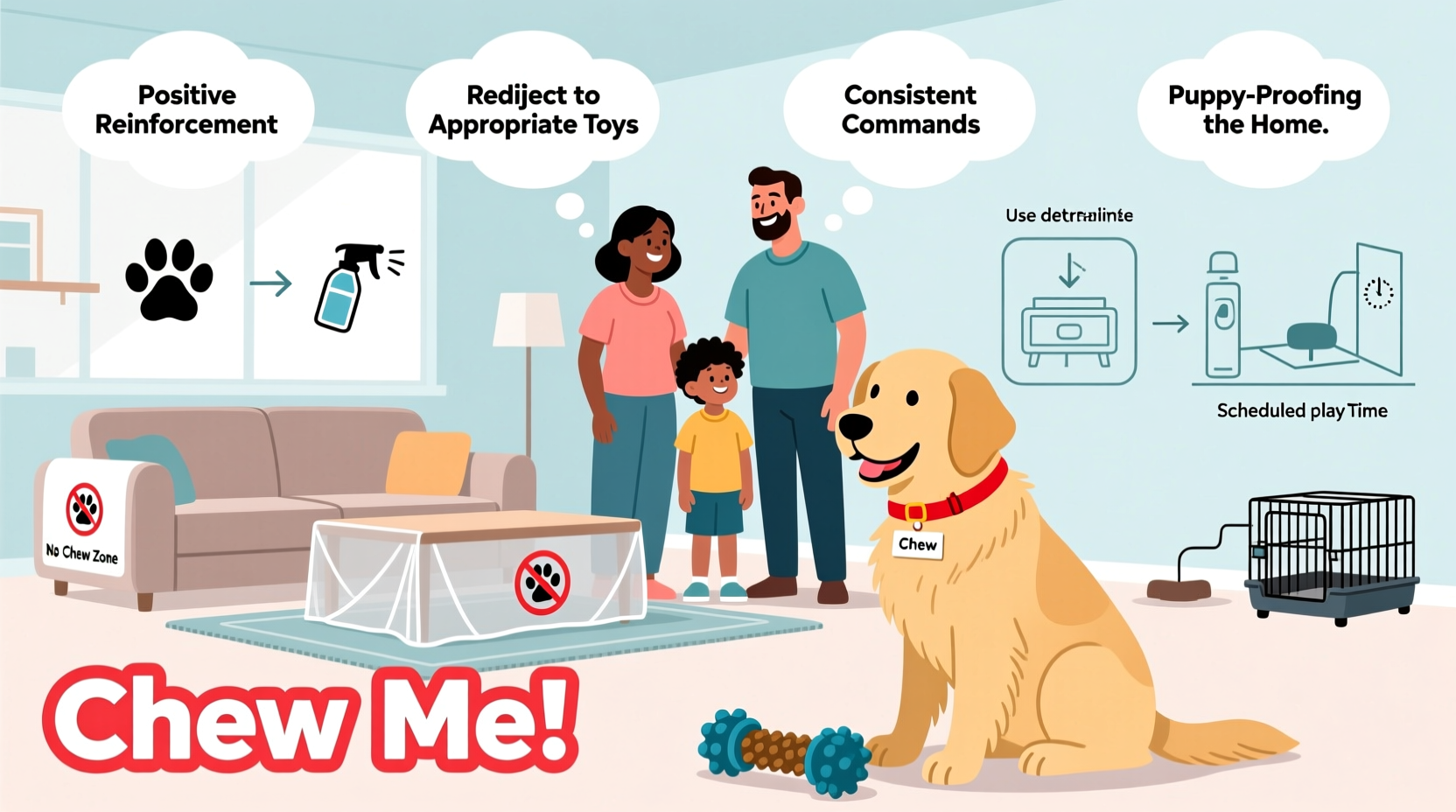
Understanding the root cause of destructive chewing is essential before implementing solutions. Dogs don’t chew out of spite; their behavior stems from instinct, emotion, or environment.
- Puppies teethe: Between 3 and 6 months, puppies lose baby teeth and grow adult ones, causing discomfort that leads to chewing.
- Boredom or excess energy: Dogs left alone without stimulation may resort to chewing as a form of entertainment.
- Anxiety or stress: Separation anxiety, changes in routine, or loud noises can trigger destructive behaviors.
- Lack of training: Without clear boundaries, dogs assume all objects are fair game.
- Nutritional deficiencies: Rarely, compulsive chewing can indicate a dietary issue requiring veterinary attention.
Addressing the underlying cause ensures long-term success—not just temporary fixes.
Tip: Always rule out medical causes first. If your adult dog suddenly starts chewing excessively, consult your veterinarian.Step-by-Step Training Plan to Stop Furniture Chewing
Effective training relies on consistency, redirection, and positive reinforcement. Follow this timeline-based approach for lasting results.
- Day 1–7: Assess and puppy-proof
Remove or block access to chew-prone furniture. Use baby gates, close bedroom doors, or confine your dog to a safe area when unsupervised. Cover legs with aluminum foil or bitter-tasting sprays (pet-safe only). - Day 8–14: Introduce appropriate chew toys
Provide a variety of durable, safe chew toys. Rotate them weekly to maintain interest. Encourage interaction by rubbing treats on them or playing tug games. - Day 15–30: Reinforce desired behavior
When you catch your dog chewing an approved toy, praise enthusiastically or offer a treat. If they go for furniture, calmly redirect them to a toy. Never yell or punish after the fact—dogs don’t connect delayed consequences to actions. - Week 5 onward: Build reliability
Gradually increase freedom in the home as your dog proves trustworthy. Continue supervision and reward appropriate chewing. Use verbal cues like “Leave it” when they approach off-limits items.
This phased method builds habits through repetition and clarity, not fear.
Do’s and Don’ts of Furniture-Chewing Correction
| Do’s | Don’ts |
|---|---|
| Use pet-safe bitter sprays on furniture legs | Use physical punishment or scolding |
| Provide multiple chew toys suited to size and breed | Leave shoes, cords, or cushions within reach |
| Exercise your dog daily to burn excess energy | Assume your dog will “grow out of it” without training |
| Supervise closely during early training stages | Use human food as frequent rewards (can encourage begging) |
| Rotate toys to keep them interesting | Ignore signs of anxiety or obsessive behavior |
Real Example: Turning Around Max the Labrador’s Chewing Habit
Max, a one-year-old Labrador Retriever, had destroyed three chairs, a side table, and two pairs of shoes in six months. His owner, Sarah, worked full-time and returned home daily to new damage. After consulting a trainer, she implemented a structured plan:
- She confined Max to a crate with a stuffed Kong when leaving for work.
- She installed a pet camera to monitor behavior and discovered Max chewed only when anxious (barking at delivery people).
- She began desensitizing him to doorbell sounds using recordings at low volume, rewarding calm behavior.
- She introduced durable rubber toys filled with peanut butter (xylitol-free) to keep him occupied.
Within eight weeks, Max stopped chewing furniture entirely. The key wasn’t punishment—it was addressing his anxiety and providing better outlets.
“Dogs aren’t destructive by nature. They’re responding to unmet needs. Redirect, don’t reprimand.” — Dr. Karen Becker, DVM, Certified Animal Behaviorist
Essential Tips for Long-Term Success
Sustaining progress requires ongoing effort and environmental management. Consider these actionable tips:
Tip: Freeze a Kong filled with yogurt and blueberries. It keeps dogs engaged for 20+ minutes and soothes sore gums in teething puppies. Tip: Use a leash indoors during early training. It allows gentle correction and redirection without chasing your dog. Tip: Mark and reward the exact moment your dog chooses a toy over furniture. Timing is critical in shaping behavior.Training Checklist: Stop Furniture Chewing in 6 Steps
Use this checklist to ensure you’re covering all bases:
- ✅ Remove or protect vulnerable furniture
- ✅ Stock up on high-quality chew toys (rubber, nylon, edible chews)
- ✅ Establish a daily exercise routine (walks, play, mental challenges)
- ✅ Supervise your dog closely during transition period
- ✅ Practice consistent redirection and positive reinforcement
- ✅ Consult a professional if chewing persists beyond 6 months or appears compulsive
Frequently Asked Questions
How long does it take to stop a dog from chewing furniture?
Most dogs show improvement within 2–4 weeks with consistent training. Full habit change typically takes 6–8 weeks. Puppies may need longer due to teething, while adult dogs with anxiety may require behavioral therapy.
Are bitter sprays safe for dogs?
Yes, when used as directed. Look for products labeled “pet-safe” and avoid those with strong essential oils. Test on a small area first to ensure no allergic reaction. Reapply after cleaning, as water removes the taste.
What if my dog only chews when I’m not home?
This often indicates separation anxiety or boredom. Try puzzle feeders, long-lasting chews, or crating with a safe toy. Consider hiring a dog walker or using a pet cam to assess triggers. In severe cases, consult a veterinary behaviorist.
Conclusion: A Chew-Free Home Is Within Reach
Stopping your dog from chewing furniture isn’t about dominance or discipline—it’s about communication and care. By understanding your dog’s needs, providing appropriate outlets, and reinforcing good choices, you create a home where both you and your pet thrive. The process demands patience, but every redirected chew, every praised choice, strengthens trust and builds better habits.
💬 Have a success story or a challenge with dog chewing? Share your experience in the comments—your insight could help another pet owner turn frustration into progress.








