Sleeping on a cotton pillowcase might seem harmless, but over time, it can take a toll on your hair—especially if you’re prone to frizz, dryness, or breakage. Enter silk pillowcases: long praised by beauty influencers and dermatologists alike as a low-effort upgrade for healthier hair. But do they actually deliver on their promises? Or is this just another wellness trend with more hype than substance?
The answer lies in understanding how friction, moisture retention, and fabric texture affect hair integrity during sleep. This article dives into clinical research, expert opinions, and real-world experiences to determine whether silk pillowcases truly help prevent frizz and breakage—and how to use them effectively.
The Science Behind Hair Friction and Fabric Interaction
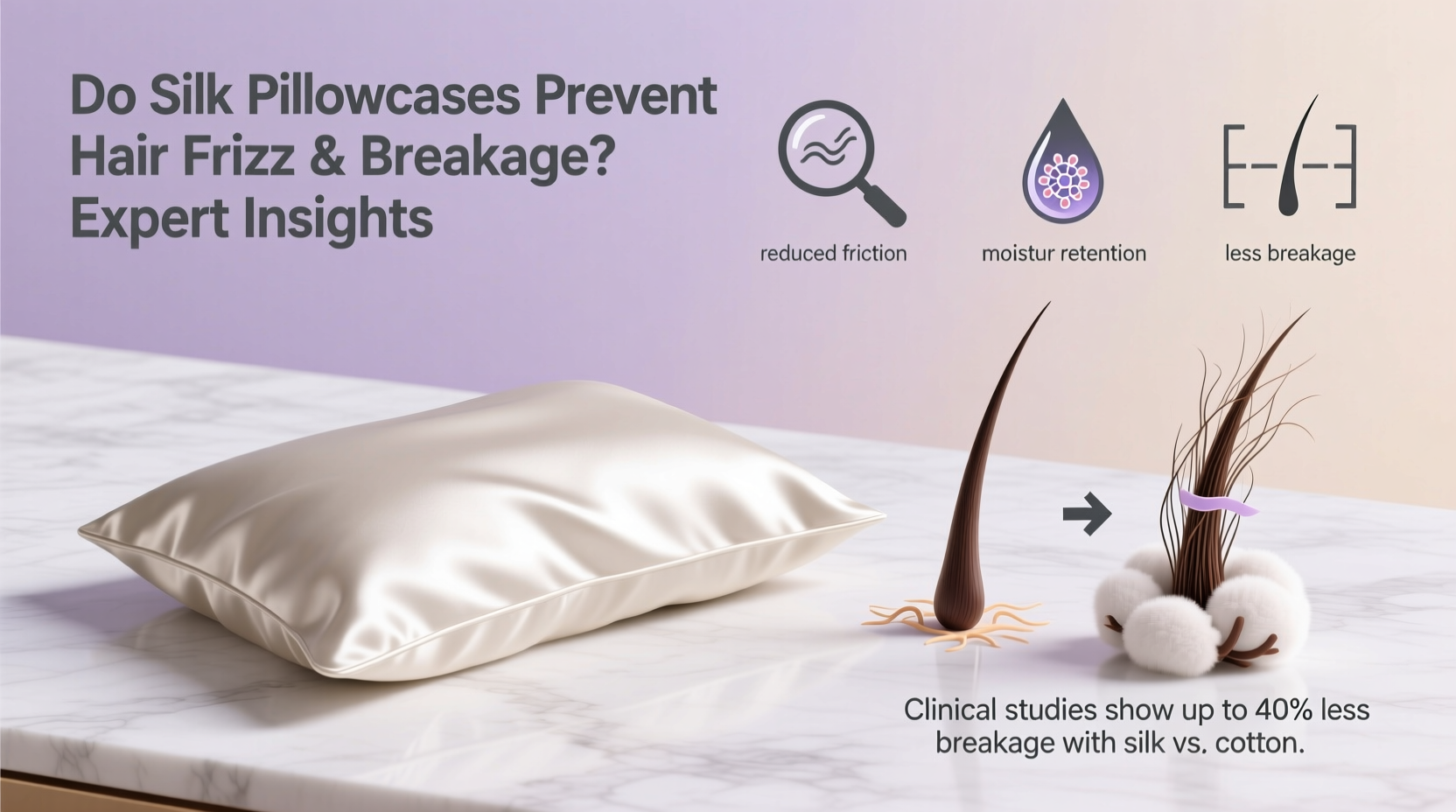
Every night, as you toss and turn, your hair rubs against your pillowcase. Cotton, the most common bedding material, has a coarse weave that creates significant friction. This repeated rubbing can lead to cuticle damage—the outer layer of the hair shaft—which results in split ends, tangles, and increased frizz.
In contrast, silk is a naturally smooth fiber. Its tightly woven structure reduces surface resistance, allowing hair to glide across it rather than snag. A 2017 study published in *Skin Research and Technology* found that participants who slept on silk pillowcases reported less hair roughness and improved manageability after four weeks compared to those using cotton.
Dr. Anabel Cruz, a board-certified dermatologist specializing in hair health, explains: “The mechanical stress from cotton pillowcases contributes to what we call ‘frictional alopecia’—a form of hair breakage caused by repetitive trauma. Silk minimizes this risk significantly.”
“Silk doesn’t absorb moisture like cotton does, so your hair retains hydration overnight. That alone makes a measurable difference in reducing frizz.” — Dr. Lena Patel, Trichologist
How Silk Helps Prevent Frizz and Breakage
Frizz occurs when hair absorbs moisture from the air due to a raised cuticle or lack of internal hydration. Cotton wicks away natural oils and moisture from the scalp and strands, leaving hair dehydrated and vulnerable. Silk, being less absorbent, preserves your hair’s natural oils and moisture balance.
Additionally, reduced friction means fewer tangles upon waking. Less tugging during detangling translates directly into lower breakage rates, especially for curly, coily, or chemically treated hair types that are more fragile.
Tip: For maximum benefit, pair your silk pillowcase with a loose braid or satin bonnet—this further reduces surface contact and tension.Key Benefits of Silk Pillowcases for Hair Health
- Reduced friction: Smoother surface decreases cuticle damage and static buildup.
- Moisture retention: Silk doesn’t draw out natural oils, helping maintain hydration.
- Fewer tangles: Hair glides instead of gripping, leading to easier morning styling.
- Less breakage: Especially beneficial for fine, curly, or textured hair.
- Cooler sleep surface: Silk regulates temperature better than cotton, reducing sweat-induced frizz.
Silk vs. Satin: What’s the Difference?
A common point of confusion is the difference between silk and satin. While both feel smooth, they are fundamentally different materials. Silk is a natural protein fiber derived from silkworms, while satin refers to a weaving technique that can be applied to synthetic fibers like polyester.
Though satin pillowcases offer similar slipperiness, they don’t provide the same breathability or moisture-wicking properties as genuine silk. Moreover, synthetic satins may trap heat and increase sweating, counteracting some anti-frizz benefits.
| Feature | Silk | Satin (Polyester) |
|---|---|---|
| Natural Material | Yes | No |
| Mechanical Friction | Very Low | Low |
| Maintains Hair Moisture | Yes | Limited |
| Breathability | High | Low |
| Durability (with care) | Good | Excellent |
| Price Range | $$$ | $ |
If budget allows, authentic mulberry silk offers superior performance. However, high-quality satin remains a viable alternative for those seeking affordability without completely sacrificing slip.
Expert-Backed Tips for Maximizing Results
Simply owning a silk pillowcase isn’t enough—you need to use it correctly to see lasting improvements in hair condition. Here’s how professionals recommend integrating silk into your nightly routine.
Step-by-Step Guide to Using Silk Pillowcases Effectively
- Choose high-grade mulberry silk: Look for 19–22 momme weight and a tight charmeuse weave. Lower momme counts indicate thinner, less durable fabric.
- Wash before first use: Remove any chemical residues from manufacturing with a gentle hand wash using pH-balanced detergent.
- Apply leave-in conditioner or oil: Seal moisture in your hair before bed to enhance silk’s protective effects.
- Style hair loosely: Opt for a low ponytail, braid, or pineapple method (for curls) to minimize pressure points.
- Wash weekly: Dirt, oil, and product buildup reduce silk’s effectiveness. Hand wash or machine wash on delicate cycle with a mesh bag.
- Air dry flat: Avoid direct sunlight and heat, which can degrade silk fibers over time.
Real User Experience: A Case Study
Tasha R., a 34-year-old graphic designer with 3C/4A curly hair, struggled with persistent breakage and shrinkage. She washed her hair weekly but noticed rapid loss of definition and excessive tangling by morning. After reading about silk’s benefits, she invested in a 22-momme mulberry silk pillowcase.
Within two weeks, Tasha reported less morning frizz and noticeably fewer single-strand knots. Over three months, she observed a half-inch increase in retained length—her first measurable growth in over a year. “I wasn’t doing anything differently except changing my pillowcase,” she said. “Now I can’t imagine going back to cotton.”
While individual results vary, Tasha’s experience aligns with broader patterns seen among users of textured or high-porosity hair types, where moisture preservation and friction reduction have the greatest impact.
Common Myths and Misconceptions
Despite growing popularity, several myths persist about silk pillowcases:
- Myth: Any shiny pillowcase is silk.
Truth: Many are polyester satin. Always check the label for “100% mulberry silk.” - Myth: Silk prevents hair loss.
Truth: It helps reduce breakage but doesn’t stop medical or hormonal shedding. - Myth: One size fits all.
Truth: Larger heads or longer hair benefit from king-sized cases to ensure full coverage. - Myth: Silk is too high-maintenance.
Truth: With proper care (cool water, mild soap), silk lasts years and requires minimal effort.
Checklist: Choosing and Caring for Your Silk Pillowcase
Use this checklist to ensure you get the most value and performance:
- ✅ Made from 100% mulberry silk (not “silk-like” or satin)
- ✅ Momme weight between 19–25 for durability and softness
- ✅ OEKO-TEX certified (ensures no harmful dyes or chemicals)
- ✅ Hidden zipper or envelope closure to protect hair
- ✅ Machine washable (in a mesh bag) or easy hand-wash instructions
- ✅ Paired with a consistent nighttime hair routine (e.g., moisturizing, protective styling)
- ✅ Replaced every 1–2 years or when fibers begin to pill or thin
Frequently Asked Questions
Can silk pillowcases cure frizzy hair permanently?
No fabric can permanently \"cure\" frizz, which is influenced by genetics, humidity, porosity, and styling habits. However, silk pillowcases significantly reduce overnight frizz by preserving moisture and minimizing disruption to the hair cuticle. Used consistently, they contribute to smoother, more manageable hair over time.
Are silk pillowcases worth the investment?
For individuals with curly, dry, or damaged hair, the answer is often yes. At an average cost of $40–$80, a high-quality silk pillowcase pays for itself in reduced salon treatments, fewer split-end trims, and extended hairstyle longevity. Even those with straight hair report shinier, softer results after regular use.
How soon will I see results?
Most users notice less tangling and improved smoothness within the first week. Visible reductions in breakage and frizz typically appear after 3–6 weeks of consistent use, especially when combined with good hair hygiene practices.
Final Thoughts: A Small Change with Long-Term Impact
Preventing hair frizz and breakage doesn’t always require expensive serums or complex regimens. Sometimes, the solution lies in rethinking the surfaces your hair interacts with daily. Silk pillowcases represent a simple yet scientifically supported intervention—one that leverages material properties to support hair integrity while you sleep.
Experts agree: while silk isn’t a miracle cure, its role in reducing mechanical damage and preserving hydration makes it a worthwhile addition to any hair care routine. As Dr. Cruz emphasizes, “Hair health is cumulative. Small protective habits compound over time. Switching to silk is one of the easiest changes you can make—with tangible results.”
💬 Have you tried silk pillowcases? Share your experience in the comments below—your story could help someone else achieve healthier, frizz-free mornings!








