When curating a bedroom that balances luxury, comfort, and aesthetic harmony, every detail counts. Among the most subtle yet impactful elements are pillow covers—especially those adorned with chinoiserie patterns, known for their intricate blue-and-white motifs inspired by 18th-century European interpretations of Chinese art. But when choosing between velvet and silk for these decorative accents, does the fabric truly affect not just how your space looks, but how you sleep? The answer is more layered than it appears.
Fabric isn’t merely decorative; it influences texture, temperature regulation, durability, and even skin interaction during sleep. While both velvet and silk offer opulence, their performance diverges significantly depending on environment, personal preferences, and maintenance habits. Understanding these differences ensures your sleep decor enhances—not compromises—your rest.
The Aesthetic Appeal of Chinoiserie in Modern Bedrooms
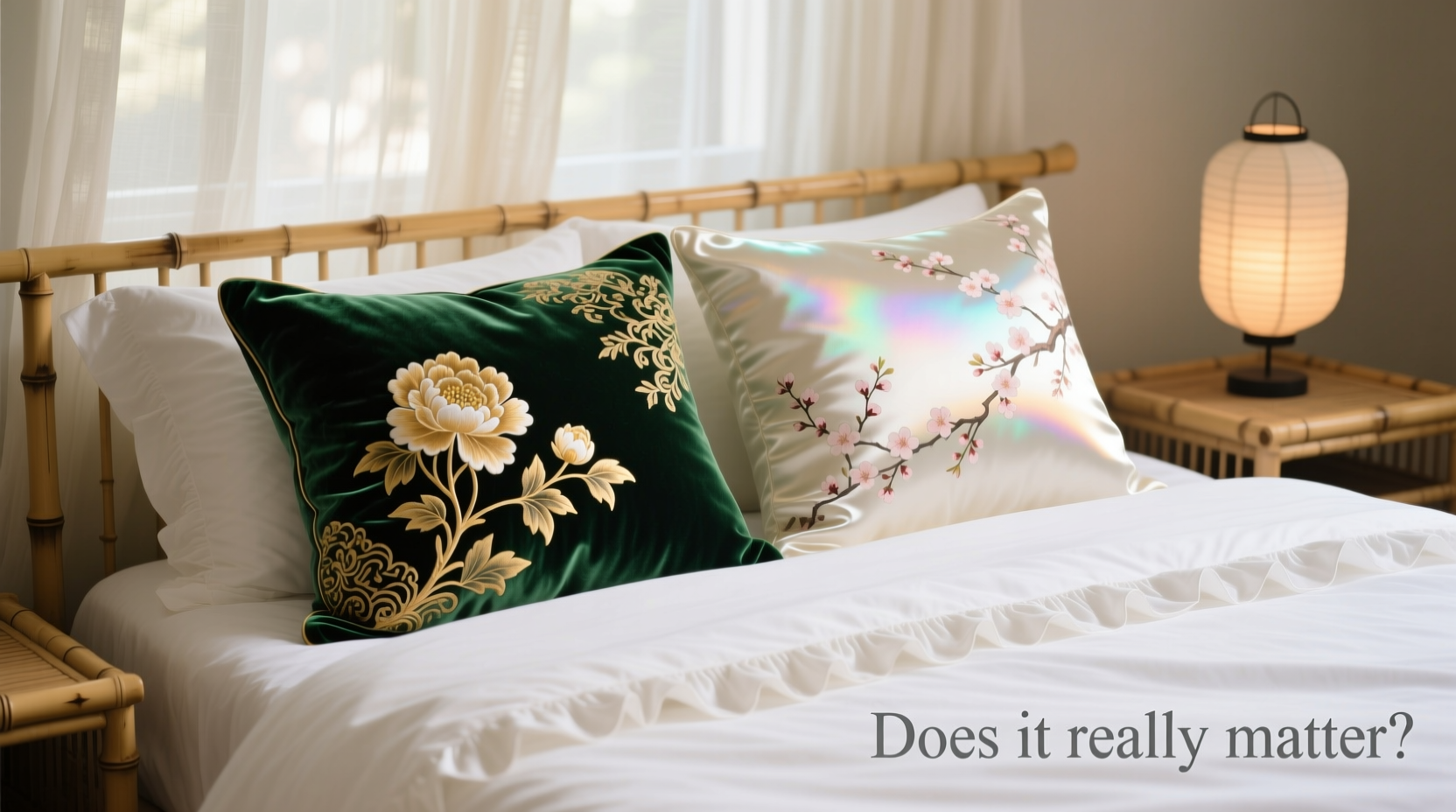
Chinoiserie design evokes timeless elegance. Its hand-painted florals, pagodas, and exotic birds bring a sense of narrative and history to interiors. When applied to pillow covers, this style becomes a focal point—whether on a tufted headboard or layered atop neutral bedding.
Velvet amplifies the drama of chinoiserie. Its deep pile catches light differently across folds, adding dimension and richness. A navy-blue chinoiserie scene on crushed velvet feels regal and enveloping, ideal for traditional or maximalist bedrooms.
Silk, in contrast, offers luminosity. It reflects ambient light softly, giving designs a delicate, almost ethereal quality. On tightly woven silk, fine brushstrokes in chinoiserie artwork remain crisp and vivid. This makes silk ideal for minimalist spaces where one statement piece carries visual weight without overwhelming.
“Chinoiserie works best when the material supports the story. Velvet tells a tale of warmth and intimacy; silk whispers refinement and airiness.” — Lila Chen, Interior Design Historian
Comfort & Sleep Quality: How Fabric Impacts Rest
While aesthetics draw attention, comfort determines longevity. Pillow covers may not be in direct contact with your face during sleep (unlike sheets), but they influence microclimate and tactile experience—especially if you lean against them while reading or relaxing in bed.
Velvet: Known for its plush, soft texture, velvet provides excellent cushioning. However, its dense fibers trap heat. In warmer climates or during summer months, velvet-covered pillows can contribute to overheating, disrupting sleep cycles. Additionally, low-pile velvets may feel warm and cozy, but high-shed varieties can irritate sensitive skin.
Silk: Naturally temperature-regulating, silk wicks moisture and resists heat buildup. It remains cool in summer and insulates gently in winter. For side sleepers who press their shoulders into decorative pillows, silk offers smooth resistance without clinging. Moreover, silk’s hypoallergenic properties reduce dust mite accumulation—a benefit for allergy sufferers.
Tip: If using velvet pillow covers in a hot climate, opt for cotton-blend backing to improve breathability and reduce heat retention.Material Comparison: Velvet vs Silk at a Glance
| Feature | Velvet Chinoiserie Covers | Silk Chinoiserie Covers |
|---|---|---|
| Texture | Plush, soft, tactile depth | Smooth, cool, lightweight |
| Thermal Regulation | Retains heat; less breathable | Excellent airflow; stays cool |
| Durability | Prone to crushing and pilling over time | Delicate; requires gentle handling |
| Maintenance | Spot clean only; vacuum lightly | Dry clean recommended; avoid water exposure |
| Skin Interaction | May cause friction; not ideal for acne-prone skin | Gentle; reduces hair breakage and facial creasing |
Care & Longevity: Preserving Your Investment
Chinoiserie pillow covers, especially in premium fabrics, represent an investment in home aesthetics. Their lifespan depends heavily on care practices.
Vacuuming velvet covers monthly with a soft brush attachment prevents dust buildup and maintains pile integrity. Avoid folding or compressing them for long periods—this leads to permanent creases. Rotate covers seasonally to prevent uneven fading from sunlight.
Silk demands more caution. Exposure to direct sunlight causes color degradation, particularly in hand-dyed chinoiserie prints. Always store silk covers flat or rolled, never folded sharply. Use acid-free tissue paper between layers to prevent fiber stress. Never machine wash—even “silk-safe” detergents can strip natural proteins over time.
Step-by-Step Guide to Maintaining Chinoiserie Pillow Covers
- Dust Weekly: Use a lint roller or soft microfiber cloth on both fabrics to remove surface particles.
- Rotate Monthly: Switch front-facing sides to ensure even wear and light exposure.
- Spot Clean Immediately: Blot spills gently; never rub. For silk, use distilled water; for velvet, test cleaning solution on hidden seam first.
- Store Properly: Keep in breathable cotton bags away from humidity and direct light.
- Professional Refresh: Schedule dry cleaning for silk annually; consider professional steaming for velvet every 6–12 months.
A Real-Life Example: The Brooklyn Brownstone Bedroom Makeover
Jessica M., a freelance editor in Brooklyn, wanted to elevate her guest bedroom with vintage-inspired elegance. She chose two sets of chinoiserie pillow covers—one in emerald green velvet, another in ivory silk with cobalt detailing.
Initially, she used the velvet set year-round. By July, guests complained of discomfort due to heat retention. She switched to the silk version in warmer months and kept velvet for fall and winter. Not only did sleep quality improve, but the seasonal rotation extended the life of both sets. Jessica now treats her pillow covers like curated wardrobe pieces—selected based on season, function, and mood.
“I didn’t realize fabric could impact comfort so much,” she said. “Now I plan my bedding like I do my closet.”
Choosing What’s Right for Your Lifestyle
The choice between velvet and silk isn't about which is objectively better—it's about alignment with your daily routine and environmental conditions.
- If you live in a cooler climate and enjoy a cocoon-like bedroom atmosphere, velvet delivers unmatched warmth and visual depth.
- If you prioritize skin health, have allergies, or reside in a humid area, silk’s breathability and hypoallergenic nature make it superior.
- For homes with pets or children, velvet tends to hide minor snags better than silk, which can snag easily from claws or jewelry.
- If you frequently change decor themes, silk allows for easier layering and mixing due to its lighter weight and reflective finish.
Frequently Asked Questions
Can I mix velvet and silk chinoiserie pillow covers in the same space?
Yes—and doing so adds textural contrast and sophistication. Pair a silk lumbar pillow with velvet Euro shams for balanced elegance. Just ensure color tones align to maintain cohesion.
Are synthetic alternatives worth considering?
Polyester velvet and silk-like rayon can mimic appearance at lower cost, but they lack natural breathability and durability. For true sleep-friendly decor, invest in natural fibers despite higher upfront cost.
Do chinoiserie designs work in modern interiors?
Absolutely. When paired with clean lines and neutral bases, chinoiserie acts as a bold accent. A single silk pillow with a pagoda motif can become the centerpiece of a contemporary room.
Final Thoughts: Elevate Both Style and Sleep
Chinoiserie velvet versus silk pillow covers isn’t just a design decision—it’s a lifestyle consideration. The fabric you choose affects how cool or warm you feel, how often you need to replace decor, and even how your skin responds overnight. Velvet offers indulgence and depth; silk brings refinement and comfort. Neither is universally superior, but each excels under specific conditions.
By aligning material choice with climate, usage, and personal needs, you create a bedroom that doesn’t just look good—but supports genuine rest. Whether you lean toward the sumptuous embrace of velvet or the whisper-light grace of silk, let intentionality guide your selection.
💬 Have you experimented with chinoiserie fabrics in your bedroom? Share your experiences with velvet or silk pillow covers—we’d love to hear what works in real-life settings.