Choosing flooring for your bedroom isn’t just about aesthetics—it’s a decision that affects comfort, maintenance, air quality, and long-term value. At the heart of this choice lies a classic dilemma: soft, warm carpet or sleek, durable hardwood? One promises barefoot luxury on cold mornings; the other offers timeless elegance and easier upkeep. But which truly delivers the best balance for a personal sanctuary like the bedroom?
The answer depends on more than preference. It involves lifestyle, climate, allergies, budget, and how much effort you’re willing to invest in maintenance. While carpet delivers unmatched coziness underfoot, it also harbors dust, allergens, and stains. Hardwood floors, though elegant and low-maintenance in some ways, can feel cold and amplify noise. So, is the plush comfort of carpet worth the extra cleaning burden—or should you opt for the clean lines and resilience of hardwood?
Comfort and Sensory Experience
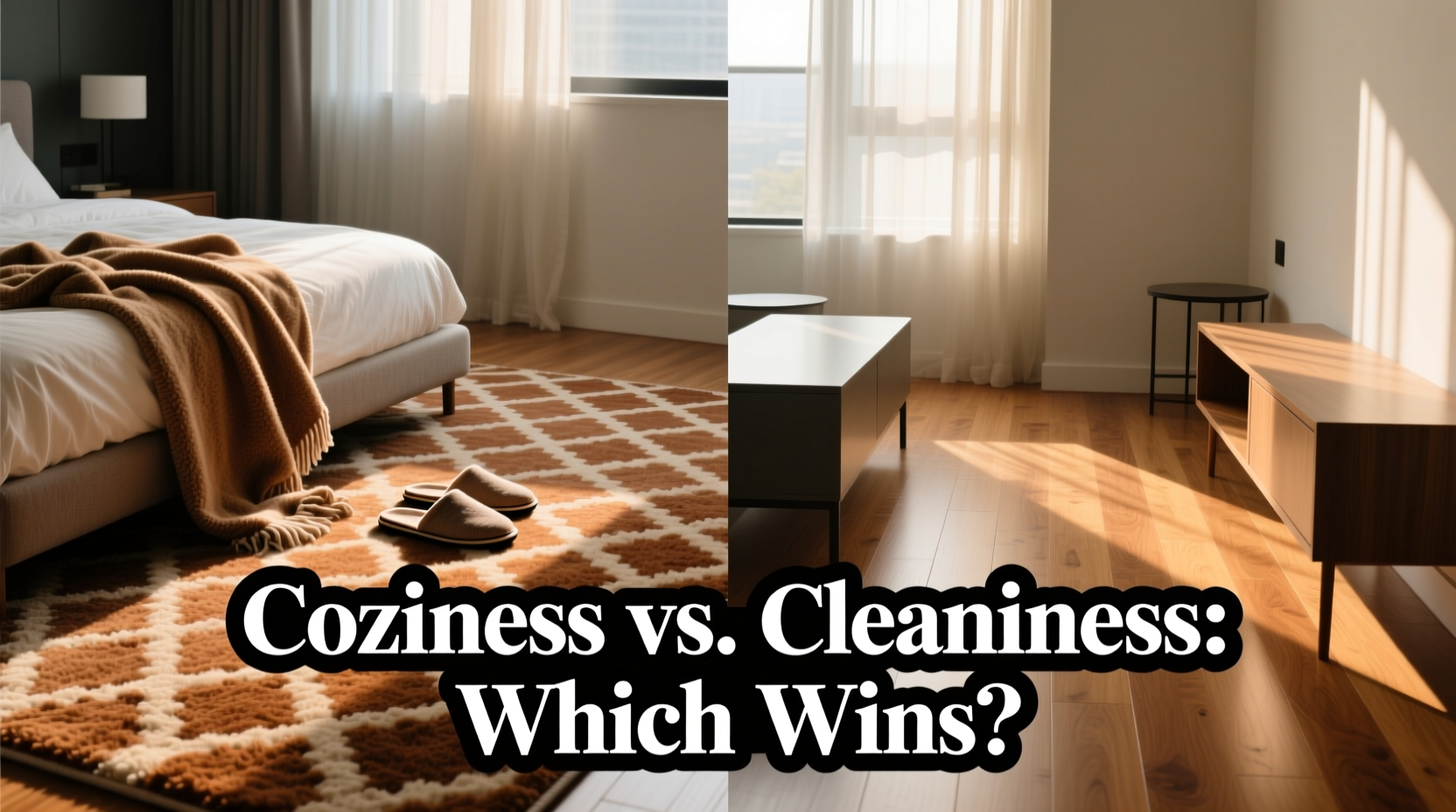
No material matches carpet when it comes to immediate tactile comfort. Stepping out of bed onto a thick, plush carpet on a winter morning is an experience many homeowners cherish. The insulation properties of carpet help retain heat, making the room feel warmer by as much as 5–10 degrees compared to hardwood. This thermal resistance is especially valuable in basements, upper floors, or homes in colder climates.
Hardwood, while beautiful, conducts temperature quickly. Without radiant heating or area rugs, hardwood floors can feel chilly underfoot. However, they offer a firm, stable surface—ideal for those who prefer a more structured walking experience. Some people find that hardwood contributes to better posture and foot support over time, particularly if they spend extended periods standing in the bedroom.
Tip: If you choose hardwood but miss the warmth, layering with high-pile area rugs beside the bed can deliver localized comfort without sacrificing floor durability.Sound Dampening and Privacy
Another often-overlooked aspect is acoustics. Carpet acts as a natural sound absorber, reducing both impact noise (like footsteps) and airborne sound transmission between floors. This makes it ideal for multi-story homes where minimizing disturbance to others below is important.
In contrast, hardwood floors tend to echo and transmit sound more readily. Even with underlayment, hard surfaces amplify noise unless paired with rugs or acoustic panels. For light sleepers or households with children, carpet can contribute to a quieter, more peaceful bedroom environment.
“From a noise-reduction standpoint, carpet remains one of the most effective flooring solutions for bedrooms—especially in shared living spaces.” — Daniel Reyes, Interior Acoustics Consultant
Maintenance and Cleaning Realities
This is where the trade-offs become stark. Carpet requires consistent care to remain hygienic and attractive. Vacuuming at least twice a week is essential to prevent dust mites, pet dander, and allergens from embedding deep into fibers. Spills, pet accidents, or tracked-in mud can lead to permanent stains if not addressed immediately. Deep cleaning every 6–12 months is recommended to maintain indoor air quality and extend carpet life.
Hardwood, while not maintenance-free, generally demands less frequent attention. Daily sweeping or weekly vacuuming (with a hardwood-safe attachment) keeps debris from scratching the surface. Occasional damp mopping with a manufacturer-approved cleaner suffices for spills and buildup. However, hardwood is vulnerable to water damage, scratches, and fading from sunlight—so placement of furniture and use of protective pads are critical.
Long-Term Durability Comparison
With proper care, hardwood floors can last 25–100 years and can be refinished multiple times, restoring them to near-new condition. Solid hardwood, in particular, can be sanded and recoated up to 10 times depending on thickness.
Carpet typically lasts 5–15 years before showing signs of wear, matting, or discoloration. Unlike hardwood, it cannot be “refinished.” Once damaged or saturated with allergens, replacement is the only option. High-traffic areas near the bed or closet may show wear patterns within a few years, even with rotation of furniture.
Health and Indoor Air Quality
For allergy sufferers, this factor alone may tip the scales. Carpet acts like a filter, trapping dust, pollen, mold spores, and pet allergens. While this sounds beneficial, it becomes problematic when these particles aren’t regularly removed. Over time, disturbed carpet fibers release trapped allergens back into the air, exacerbating asthma and respiratory conditions.
Studies by the Environmental Protection Agency (EPA) have shown that poorly maintained carpet can significantly degrade indoor air quality. In contrast, hardwood floors don’t trap allergens in the same way, making them easier to clean thoroughly and keep hypoallergenic.
If you or a family member has asthma, eczema, or seasonal allergies, hardwood is often the medically recommended choice. That said, modern carpets made from low-VOC materials and equipped with antimicrobial treatments (such as solution-dyed nylon or wool blends) can reduce off-gassing and microbial growth.
Tip: Choose carpets labeled as “Green Label Plus” certified—they meet strict standards for low chemical emissions and improved indoor air quality.Cost Analysis: Upfront and Long-Term
Initial costs vary widely based on material quality and installation method. Here’s a realistic breakdown for a standard 12x14 ft bedroom (168 sq ft):
| Flooring Type | Average Material Cost | Installation Cost | Lifespan | Total 15-Year Cost* |
|---|---|---|---|---|
| Mid-Grade Carpet + Pad | $336 ($2/sq ft) | $336 ($2/sq ft) | 8–10 years | $1,344 (2 replacements) |
| Premium Carpet (Wool Blend) | $840 ($5/sq ft) | $336 ($2/sq ft) | 12–15 years | $1,176 (1 replacement) |
| Engineered Hardwood | $672 ($4/sq ft) | $504 ($3/sq ft) | 25+ years | $1,176 (no replacement) |
| Solid Hardwood (Red Oak) | $840 ($5/sq ft) | $504 ($3/sq ft) | 50+ years | $1,344 (includes refinishing) |
*Assumes one professional deep clean per year for carpet ($150), occasional sanding/refinishing for hardwood ($500 every 10 years). Excludes DIY cleaning supplies.
While carpet may appear cheaper upfront, especially in basic installations, its shorter lifespan and recurring replacement costs can make it more expensive over decades. Hardwood, though pricier initially, often proves more economical in the long run due to longevity and property value benefits.
Real-Life Scenario: The Family Bedroom Dilemma
Consider the Thompson family in suburban Chicago. They remodeled their master bedroom and were torn between carpet and hardwood. The wife preferred the warmth of carpet, especially during harsh winters. The husband leaned toward hardwood for ease of cleaning and resale appeal. Their 5-year-old daughter had mild asthma, which complicated the decision.
They consulted an allergist, who advised against wall-to-wall carpet due to its potential to harbor dust mites. Instead, they opted for engineered hardwood with a matte finish, installing a large, washable wool rug beside the bed for comfort. They added felt pads under furniture and used a HEPA vacuum weekly. After one year, the daughter’s nighttime coughing decreased, and the parents appreciated the quiet elegance of the space. The compromise delivered both health benefits and cozy touches where needed.
Their experience highlights a growing trend: hybrid solutions that blend the strengths of both materials.
Step-by-Step Guide: Choosing the Right Floor for Your Bedroom
Follow this practical sequence to make an informed decision tailored to your needs:
- Assess your priorities: Rank comfort, cleanliness, durability, cost, and aesthetics in order of importance.
- Evaluate household members: Check for allergies, pets, or mobility issues that might influence material choice.
- Review climate and home structure: Cold regions favor carpet’s insulation; humid areas increase mold risk in carpet.
- Set a realistic budget: Include installation, underlayment, and projected maintenance over 10+ years.
- Test samples: Order small swatches of carpet and wood to place in your bedroom for a few days. Walk on them barefoot at different times of day.
- Consult professionals: Talk to flooring installers, allergists, or interior designers for unbiased input.
- Consider resale value: Hardwood generally increases market appeal, especially in primary bedrooms.
- Decide on a hybrid approach: Use hardwood as the base and add high-quality, easy-to-clean rugs for warmth.
FAQ: Common Questions About Bedroom Flooring
Can I install hardwood in a basement bedroom?
Solid hardwood is not recommended for below-grade spaces due to moisture risks. Engineered hardwood, however, is designed for basements and resists warping better. Always include a vapor barrier and monitor humidity levels.
How do I keep carpet clean with pets?
Use pet-friendly, stain-resistant carpet fibers like nylon or olefin. Vacuum daily, clean accidents immediately with enzyme cleaners, and schedule professional steam cleaning every six months. Consider dark or patterned carpets to hide dirt.
Does hardwood increase home value?
Yes. According to the National Association of Realtors, homes with hardwood flooring sell faster and at higher prices. Bedrooms with hardwood are seen as more modern and upscale, appealing to a broader range of buyers.
Final Checklist Before You Decide
- ✅ Have I considered all household members’ health needs?
- ✅ Am I prepared for the long-term maintenance of my chosen material?
- ✅ Does the flooring align with my home’s overall style and resale goals?
- ✅ Have I tested physical samples in my actual bedroom lighting and temperature?
- ✅ Did I get at least two professional quotes for installation?
- ✅ Have I explored area rugs as a supplement to hardwood?
Conclusion: Balancing Warmth and Practicality
The debate between carpet and hardwood in bedrooms ultimately hinges on lifestyle. If you prioritize immediate comfort, sound insulation, and a soft landing for bare feet, carpet offers undeniable appeal—provided you commit to rigorous cleaning and eventual replacement. But if you value longevity, air quality, and timeless design, hardwood emerges as the smarter, more sustainable investment.
Many modern homeowners no longer see it as an either/or choice. By combining hardwood floors with strategically placed, washable rugs, you gain the best of both worlds: durability underfoot and pockets of warmth exactly where you need them. This balanced approach respects both comfort and practicality, proving that thoughtful design doesn’t require compromise.
💬 What flooring do you have in your bedroom—and would you choose it again? Share your experience to help others navigate this common yet deeply personal decision.








