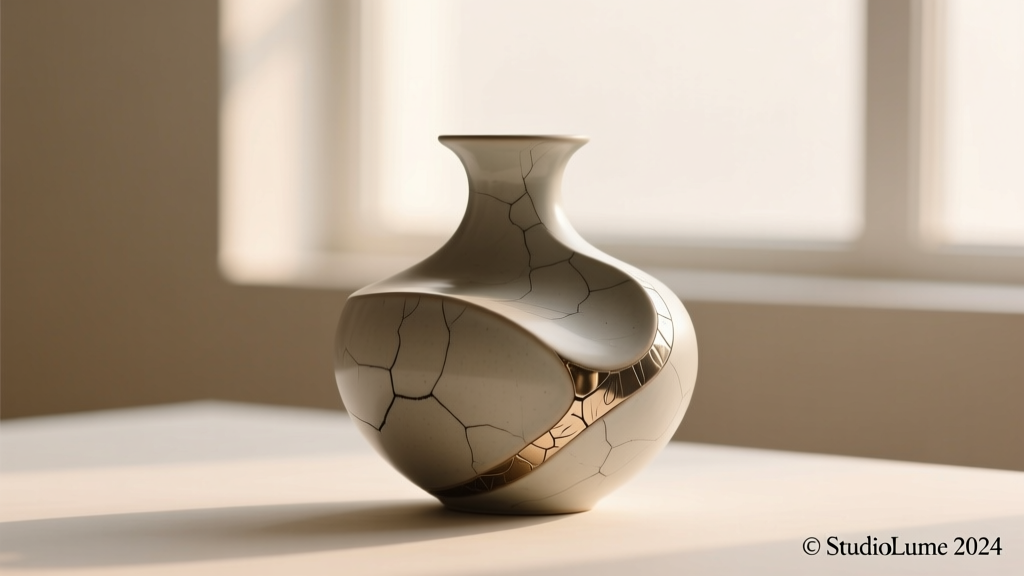
Types of Bathroom Glass Basin & Antique Sink Designs
An antique glass sink is a stunning centerpiece that blends timeless elegance with modern craftsmanship. These sinks combine the delicate beauty of glass with vintage-inspired designs, creating a luxurious focal point in any bathroom. Available in various styles, materials, and installation methods, glass basin sinks offer both aesthetic appeal and functional versatility. Whether you're aiming for a classic, opulent look or a sleek, minimalist statement, there's a glass sink design to match your vision.
Vessel Basins
Mounted atop the countertop, vessel basins are bold, eye-catching fixtures that serve as a dramatic centerpiece in modern and traditional bathrooms alike.
Advantages
- Striking visual impact and design flexibility
- Available in tempered, frosted, colored, or textured glass
- Comes in diverse shapes: round, square, rectangular, or organic forms
- Easy to retrofit into existing countertops
Considerations
- Requires taller faucets for proper clearance
- Potential for splashing due to shallow depth
- May collect dust or water spots on rim
Best for: Modern bathrooms, powder rooms, luxury master suites
Undermount Basins
Installed beneath the countertop, undermount glass sinks offer a seamless, clean look that enhances the elegance of natural stone or solid-surface countertops.
Advantages
- Smooth, uninterrupted surface for easy cleaning
- Enhances the appearance of high-end countertops
- Water flows directly into the basin without pooling on edges
- Ideal for minimalist and contemporary designs
Considerations
- More complex and costly installation
- Requires precise cutouts and professional support
- Limited to countertops that allow undermounting
Best for: Granite, marble, or quartz countertops; high-end bathroom renovations
Drop-In (Top-Mount) Basins
These basins are set into a pre-cut hole in the countertop, with the rim resting on top—offering a practical and budget-friendly alternative to undermount styles.
Advantages
- Simple and affordable installation
- Compatible with a wide range of countertop materials
- Secure fit with visible rim providing added stability
- Great for DIY-friendly bathroom upgrades
Considerations
- Seams around the rim can collect dirt and moisture
- Less sleek appearance compared to undermount options
- Visible edge may clash with ultra-modern aesthetics
Best for: Budget-conscious remodels, utility bathrooms, farmhouse-style decors
Pedestal Basins
A classic design where the glass basin is supported by a matching pedestal, creating an elegant, freestanding appearance reminiscent of vintage bathrooms.
Advantages
- Timeless, regal aesthetic with antique charm
- Conceals plumbing for a clean, uncluttered look
- Makes small bathrooms appear more spacious
- Serves as a true focal point in the room
Considerations
- Less storage space due to open design
- Plumbing access may be difficult for repairs
- Limited flexibility in positioning
Best for: Traditional, Victorian, or cottage-style bathrooms; period homes
Integrated Bowls
These sinks are crafted as a single seamless unit with the countertop, typically from solid glass or engineered stone, offering a futuristic and ultra-smooth surface.
Advantages
- Flawless, hygienic surface with no seams or crevices
- Highly modern and sculptural appearance
- Customizable shapes and edge profiles
- Premium finish ideal for luxury interiors
Considerations
- Most expensive option due to custom fabrication
- Requires professional installation and templating
- Less forgiving to scratches or chips over time
Best for: Contemporary, minimalist, or high-end designer bathrooms
| Sink Type | Installation | Aesthetic Style | Cost Level | Ideal For |
|---|---|---|---|---|
| Vessel Basin | Top-mount | Dramatic, Modern, Eclectic | $$ | Statement pieces, powder rooms |
| Undermount Basin | Under-counter | Clean, Seamless, Luxurious | $$$ | High-end countertops, modern baths |
| Drop-In Basin | Top-mount | Classic, Practical, Traditional | $ | Budget updates, utility spaces |
| Pedestal Basin | Freestanding | Vintage, Elegant, Antique | $$-$$$ | Period homes, decorative bathrooms |
| Integrated Bowl | Custom seamless unit | Minimalist, Sculptural, Modern | $$$$ | Luxury renovations, designer spaces |
Expert Tip: For antique-style glass sinks, consider pairing with vintage-inspired faucets and brass or oil-rubbed bronze fixtures to enhance the classic ambiance. Always use non-abrasive cleaners to preserve the glass finish and prevent etching, especially on frosted or textured surfaces.
Designs of Bathroom Glass Basin & Antique Sink Styles
Bathroom glass basins have evolved into artistic centerpieces, blending functionality with aesthetic elegance. With continuous innovation in design and craftsmanship, modern glass sinks offer homeowners an expansive range of styles—from vintage-inspired antique finishes to bold contemporary statements. These sinks not only elevate bathroom decor but also cater to diverse tastes, whether you're aiming for a cozy historical ambiance or a vibrant, modern space.
Popular Glass Basin Design Types
Carved Glass with Etching
Etched glass basins feature intricate designs delicately carved into the surface using acid, sandblasting, or laser techniques. These patterns can range from classic floral motifs and scrollwork to abstract geometrical shapes, adding a refined and timeless elegance to the bathroom.
Ideal for traditional or vintage-themed interiors, etched glass sinks serve as functional art pieces. The textured surface also provides subtle visual privacy while maintaining the luminous quality of glass. These are particularly favored in heritage-style homes or luxury bathrooms seeking a touch of sophistication.
Mosaic Glass Sinks
Mosaic glass basins are handcrafted from small, colorful glass tiles arranged into stunning patterns and fused together to form a seamless, durable basin. The use of varied hues, textures, and reflective surfaces creates a dynamic visual effect that transforms the sink into a focal point.
Available in circular, rectangular, or freeform shapes, mosaic sinks are perfect for revitalizing outdated bathrooms. Their vibrant appearance contrasts beautifully with neutral walls and floors, injecting energy and personality into the space. Each piece is often unique, making it a personalized addition to any modern or eclectic bathroom.
Aged or Antique Finish
Antique glass sinks are designed to mimic the charm of vintage fixtures, featuring distressed textures, frosted surfaces, or subtle discoloration that evoke the look of aged glass. Some models incorporate faux patina or hand-painted details to enhance the historical character.
These sinks are ideal for homeowners aiming to create a nostalgic or rustic atmosphere. Whether used in a farmhouse-style bathroom or a restored heritage home, antique-finish glass basins blend seamlessly with clawfoot tubs, brass fixtures, and ornate mirrors, offering both aesthetic harmony and modern durability.
Colored Glass Basins
Colored glass basins bring bold personality and dramatic flair to bathroom spaces. Crafted in rich tones—from oceanic blues and emerald greens to fiery reds and deep ambers—these sinks act as vibrant design statements.
Many feature a colored outer layer with a clear, smooth interior, allowing light to refract through the glass and highlight its depth and brilliance. This design maximizes both visual impact and practicality, as the smooth inner surface remains easy to clean. Colored basins are perfect for modern, minimalist, or spa-inspired bathrooms seeking a pop of color and elegance.
Recycled Glass Designs
Recycled glass basins are an eco-conscious choice, crafted from post-consumer or reclaimed glass materials such as bottles, windows, or industrial waste. These pieces are crushed, melted, and reformed into unique, durable sinks with a marbled or speckled appearance.
Beyond their environmental benefits, recycled glass sinks often feature one-of-a-kind patterns and subtle color variations, making each basin a distinctive work of art. They appeal to sustainability-minded homeowners and designers who value both green living and artisanal craftsmanship. These sinks integrate well in modern, rustic, or nature-inspired bathrooms.
Transparency & Form Variations
Glass basins come in a variety of transparency levels—clear, frosted, opaque, or layered—each offering a different aesthetic effect. Clear glass provides a sleek, modern look, while frosted or textured finishes add softness and privacy.
Shapes range from classic round and rectangular to organic freeforms and vessel-style designs that sit atop the counter. Vessel sinks, in particular, are popular for their dramatic height and sculptural presence, often used in master bathrooms or powder rooms to create a luxurious impression.
| Design Type | Best For | Key Benefits |
|---|---|---|
| Etched & Carved Glass | Traditional, vintage, luxury bathrooms | Elegant detailing, timeless appeal, adds texture without sacrificing clarity |
| Mosaic Glass | Remodeled or eclectic bathrooms | Vibrant, customizable, breaks monotony of neutral spaces |
| Antique/Aged Finish | Historic homes, rustic themes | Warm, nostalgic feel, blends with vintage fixtures |
| Colored Glass | Modern, bold, or themed bathrooms | High visual impact, enhances lighting, easy to coordinate with decor |
| Recycled Glass | Eco-friendly, sustainable interiors | Environmentally responsible, unique patterns, artisan quality |
Tips for Choosing the Right Glass Basin
Important: Always verify the sink’s dimensions, weight, and compatibility with your countertop and plumbing setup before purchase. Improper installation can lead to leaks or structural stress. For antique or handcrafted designs, consider professional installation to preserve the integrity of the piece.
How to Choose a Bathroom Glass Basin or Antique Sink
Selecting the perfect antique glass basin sink for your bathroom is both an exciting and thoughtful process. With a wide variety of styles, sizes, materials, and finishes available, finding the ideal match requires balancing aesthetic appeal, functional needs, and practical considerations. Whether you're renovating a vintage-inspired bathroom or adding a unique focal point to a modern space, the right glass sink can elevate the entire room’s ambiance.
Bathroom Style & Aesthetic Harmony
The style of your bathroom should guide your choice of an antique glass sink. The sink should act as a design anchor that complements—not clashes with—the overall decor. Matching the sink to your bathroom’s architectural era and interior theme ensures a cohesive and visually pleasing result.
- Vintage or traditional bathrooms: Opt for ornate, handcrafted glass sinks with etched patterns, pedestal bases, or colored antique glass that echo early 20th-century designs.
- Rustic or farmhouse styles: Choose sinks with recycled glass, mottled textures, or amber-toned finishes that evoke a sense of history and craftsmanship.
- Modern or minimalist spaces: Frameless, clear, or tinted vessel sinks with clean lines enhance contemporary aesthetics without overwhelming the space.
- Eclectic or art-inspired bathrooms: Boldly colored or sculptural glass basins serve as functional art pieces.
Design tip: Consider the faucet style, hardware finish, and surrounding tiles to ensure a unified visual language.
Size, Proportion & Installation Type
Proper sizing is crucial to avoid a sink that dominates the room or gets lost in it. The dimensions must harmonize with the countertop, vanity, and available floor or wall space.
- Vessel sinks: Sit atop the counter and make a bold statement; ideal for spacious bathrooms but may be too tall for small users or tight spaces.
- Undermount sinks: Installed beneath the countertop for a seamless, sleek look; best suited for solid-surface or stone countertops.
- Drop-in (self-rimming) sinks: Fit into a cutout with a visible rim; easier to install and suitable for standard vanities.
- Pedestal sinks: Classic antique-style options that save space but offer limited storage.
Key consideration: Measure your vanity or countertop precisely and consider user height, especially for vessel sinks which can range from 5 to 8 inches in height.
Material & Glass Quality
Antique glass sinks are crafted from various glass types, each offering different durability, appearance, and maintenance needs. Understanding these materials helps you choose a sink that lasts and performs well.
- Tempered glass: Heat-treated for strength and safety; shatter-resistant and ideal for high-traffic bathrooms. Can withstand thermal stress and impact.
- Frosted or satin glass: Offers a soft, elegant appearance with reduced visibility of water spots, though may show fingerprints or soap residue more easily.
- Recycled or artisan glass: Eco-friendly and unique in color and texture; often used in vintage-style sinks for a one-of-a-kind look.
- Colored or stained glass: Adds decorative flair and can hide minor stains, but may fade over time with UV exposure.
Quality check: Look for smooth edges, uniform thickness, and no internal bubbles or cracks—signs of professional craftsmanship.
Finish, Detailing & Craftsmanship
The finer details define the character of an antique glass sink. From hand-etched motifs to embossed borders, these elements contribute significantly to the sink’s vintage charm and overall elegance.
- Look for sinks with hand-etched designs, floral patterns, or Art Deco-inspired detailing for authentic antique appeal.
- Smooth, polished rims enhance comfort and safety, especially for vessel sinks.
- Some sinks feature metal accents like brass or bronze trims, which add to the vintage aesthetic but require regular polishing to prevent tarnishing.
- Consider the drain placement and compatibility with your chosen faucet—center-drain vs. offset designs affect both function and style.
Attention to detail: Even small elements like the finish of the overflow rim or the clarity of the glass can impact the perceived quality and longevity.
Budget & Value Considerations
Antique glass sinks vary widely in price based on craftsmanship, material, brand, and rarity. Setting a realistic budget helps narrow choices while ensuring you get the best value.
- Budget-friendly options: Factory-made glass basins with simple designs; suitable for secondary bathrooms or rental properties.
- Mid-range selections: Hand-finished or semi-custom sinks from reputable brands offering a balance of style and durability.
- Premium & artisan pieces: One-of-a-kind or imported antique-style sinks made by skilled craftsmen; ideal for primary bathrooms or historic restorations.
- Consider long-term value: A higher initial investment may pay off in durability, aesthetics, and home resale appeal.
Smart tip: Factor in installation costs—some vessel sinks require specialized faucets or countertop modifications.
Functionality & Maintenance
While beauty is important, daily usability and upkeep should not be overlooked. Glass sinks, though elegant, have specific care requirements.
- Tempered glass is scratch-resistant but can show water spots and soap scum—regular wiping helps maintain clarity.
- Use non-abrasive cleaners to preserve the finish; avoid harsh chemicals that may dull the surface.
- Textured or frosted glass may trap residue in crevices—clean with soft brushes or microfiber cloths.
- Ensure proper sealing around undermount or drop-in installations to prevent water damage.
Pro tip: Pair your sink with a matching glass backsplash or coordinating tile to minimize visible splashes and simplify cleaning.
Professional Recommendation: When selecting an antique glass basin, prioritize both form and function. Choose a sink that reflects your personal style while fitting seamlessly into your bathroom’s layout and usage needs. For vintage authenticity, seek out artisan-made or reproduction antique sinks with certification or provenance. Always verify compatibility with your plumbing setup and consider professional installation for vessel or undermount models to ensure safety and longevity.
| Bathroom Style | Recommended Sink Type | Material Suggestion | Maintenance Level |
|---|---|---|---|
| Traditional/Victorian | Pedestal or vessel with etching | Colored or frosted tempered glass | Moderate |
| Modern Minimalist | Frameless undermount or vessel | Clear or smoked tempered glass | Low to Moderate |
| Rustic Farmhouse | Recycled glass basin | Mottled or amber-toned artisan glass | Moderate |
| Luxury/Spa-Inspired | Sculptural vessel sink | Hand-blown or layered colored glass | Moderate to High |
Additional Considerations
- Plumbing Compatibility: Ensure the sink’s drain configuration matches your existing plumbing or plan for modifications.
- Faucet Pairing: Choose a faucet with the correct height and spout reach, especially for tall vessel sinks.
- Weight & Support: Glass sinks, especially large vessel types, can be heavy—verify countertop strength and support.
- Lighting Impact: Glass reflects light; consider how natural and artificial lighting will enhance the sink’s appearance.
- Eco-Friendliness: Recycled glass sinks are sustainable and reduce environmental impact.
Maintenance of Bathroom Glass Basin & Antique Sink
Glass basin sinks, especially antique or vintage-style models, add elegance and charm to any bathroom. However, their beauty requires consistent care to preserve clarity, finish, and structural integrity. Unlike standard porcelain sinks, glass basins are more susceptible to water spots, scratches, and mineral buildup. This comprehensive guide outlines best practices for daily upkeep, deep cleaning, and long-term preservation of your glass antique sink—ensuring it remains a stunning focal point for years to come.
Important Note: Always handle antique or handcrafted glass sinks with extra caution. These may have unique finishes, thin edges, or delicate detailing that can be damaged by improper cleaning techniques or harsh products. When in doubt, test any cleaner on a small, inconspicuous area first.
1. Regular Cleaning: Preserve Shine After Every Use
Glass sinks are particularly prone to showing watermarks, soap residue, and fingerprints. To maintain a spotless appearance, incorporate a quick cleaning routine after each use.
- Clean the sink daily using a soft, non-abrasive cleanser (such as mild dish soap or a pH-neutral glass cleaner)
- Use a damp microfiber cloth to gently wipe down the entire surface, including the rim and drain area
- Immediately dry the sink with a second clean, dry microfiber cloth to prevent water spots and mineral deposits
- Avoid abrasive sponges, steel wool, or harsh scrubbing pads that can create fine scratches over time
- Never use bleach, ammonia-based cleaners, or acidic bathroom sprays unless specifically recommended for glass surfaces
Pro Tip: Keep a dedicated microfiber cloth near the sink for daily wipe-downs. This simple habit can dramatically reduce buildup and keep your sink looking professionally polished.
2. Deep Cleaning: Weekly Maintenance for Lasting Clarity
Even with daily care, residue can accumulate in crevices, around the overflow, or within decorative etchings. A weekly deep clean ensures thorough sanitation and restores brilliance.
- Fill the basin with warm water and a small amount of gentle detergent
- Allow the solution to sit for 5–10 minutes to loosen grime and soften soap scum
- Use a soft-bristled toothbrush or silicone scrubber to gently clean textured areas, edges, and intricate designs
- Avoid metal tools or stiff brushes that could chip or scratch the glass
- Rinse thoroughly with clean water to remove all cleaning residue
- Dry completely with a lint-free cloth to prevent streaks and water spots
3. Avoiding Scratches: Protect the Surface Integrity
While tempered glass sinks are durable, they are not scratch-proof. Scratches can dull the finish and make the sink harder to clean over time.
- Never place sharp objects (razors, scissors, nail clippers) directly on the sink surface
- Avoid sliding heavy items like bottles or metal containers across the glass
- Do not use cleaning products containing gritty particles or crystalline abrasives
- Discourage children from playing with toys in or around the sink, especially those with hard plastic or metal parts
- Consider placing felt pads or a decorative tray under frequently used items to minimize contact wear
4. Preventing Limescale & Mineral Deposits
If you live in a hard water area, mineral deposits (limescale) can quickly form on glass surfaces, leading to a cloudy, filmy appearance and potentially slippery conditions.
- Mix equal parts white vinegar and distilled water in a spray bottle
- Spray the solution on affected areas and let it sit for 5–10 minutes (do not leave vinegar on for extended periods)
- Gently wipe with a soft cloth, then rinse thoroughly with water
- Dry completely to prevent new deposits from forming
- Repeat this process weekly if needed, or use a commercial lime remover specifically formulated for glass
Expert Tip: Install a water softener or use filtered water for handwashing to significantly reduce mineral buildup on glass fixtures over time.
5. Caring for Antique & Specialty Finishes
Antique glass sinks often feature frosted, etched, or hand-painted finishes that require special attention to preserve their character and craftsmanship.
- Frosted or matte-finish glass can trap moisture and stains more easily—dry thoroughly after each use
- Avoid alcohol-based or solvent cleaners on painted or gilded accents, as these may cause fading or peeling
- Place coasters, trays, or fabric mats under toiletries to prevent abrasion and chemical exposure
- Inspect the finish monthly for signs of wear, cloudiness, or discoloration
- For valuable or historically significant sinks, consult a restoration specialist before using any new cleaning method
| Maintenance Task | Frequency | Recommended Products | Avoid |
|---|---|---|---|
| Daily Wipe-Down | After each use | Mild soap, microfiber cloth | Scouring pads, paper towels |
| Deep Cleaning | Once per week | Soft brush, gentle detergent | Steel wool, abrasive cleaners |
| Limescale Removal | As needed (weekly in hard water areas) | Vinegar solution, glass-safe descaler | CLR, muriatic acid, undiluted vinegar |
| Finish Inspection | Monthly | Magnifying glass, flashlight | Harsh solvents, pressure washers |
| Protective Measures | Ongoing | Felt pads, trays, coasters | Leaving wet items on surface |
Long-Term Care Advice: Document the condition of your antique glass sink with photos every six months. This helps track wear patterns, identify issues early, and maintain provenance for valuable fixtures.
Final Recommendations
- Always follow manufacturer guidelines if available, especially for specialty glass or custom finishes
- Never pour boiling water directly into a glass sink—thermal shock can cause cracking
- Keep drain strainers clean to prevent debris from scratching the basin
- Consider applying a glass protectant sealant (designed for sinks) every 6–12 months to enhance water repellency
- For rare or high-value antique sinks, schedule professional inspections every few years
With proper care, a glass antique basin can remain both functional and beautiful for decades. Consistent, gentle maintenance not only preserves its appearance but also protects your investment in a unique bathroom feature. By following these guidelines, you ensure that your sink continues to shine as a centerpiece of elegance and craftsmanship.
Frequently Asked Questions About Antique and Glass Sinks
Q1: Can an antique sink realistically be set up in a modern bathroom?Yes, antique sinks can be seamlessly integrated into modern bathrooms with thoughtful design and proper plumbing adaptations. While they carry vintage charm, many antique sinks—especially pedestal, vessel, or farmhouse styles—can be retrofitted to meet contemporary standards.
- Vessel Sink Adaptations: Modern vessel sinks often mimic antique designs but are crafted for today’s countertops, making them ideal for blending classic aesthetics with current functionality.
- Material Options: Clear or colored glass, ceramic, or cast iron reproductions can replicate historical styles while offering durability and easier maintenance.
- Faucet Pairings: Contemporary faucets with sleek finishes (chrome, matte black, brushed nickel) can beautifully contrast with an antique sink, creating a balanced fusion of old and new.
- Plumbing Considerations: Older sink configurations may require updated supply lines, drain fittings, or modifications to countertop cutouts. Consulting a plumber ensures compatibility with modern water systems.
With the right approach, an antique sink can become a stunning focal point in a modern bathroom, combining timeless elegance with updated convenience.
Q2: Are glass basins suitable for households with children?Tempered glass basins are generally safe and practical for family bathrooms, provided certain precautions are taken. These sinks are engineered to withstand daily use and are designed to resist breakage.
- Shatter-Resistance: Tempered glass is heat-treated to be up to five times stronger than regular glass and breaks into small, blunt pieces if impacted—reducing injury risk.
- Durability: Resistant to thermal shock and everyday knocks, making it ideal for high-traffic bathrooms.
- Child Safety Tips:
- Teach children not to bang objects against the sink or lean heavily on the rim.
- Avoid placing heavy or hard items (like toys or bottles) near the edges where impact could cause chipping.
- Supervise young children during handwashing to prevent accidental splashing or rough play.
- Design Flexibility: Available in various colors and shapes, glass basins can add a fun, decorative touch that appeals to both adults and children.
When properly installed and used responsibly, tempered glass basins are a safe and stylish choice for homes with kids.
Q3: What is the best way to avoid scratches on a glass basin?Preserving the pristine appearance of a glass basin requires mindful cleaning habits and careful handling of objects around the sink.
- Avoid Abrasive Cleaners: Never use steel wool, metal scrubbers, or harsh powders like baking soda in concentrated form, as they can leave fine scratches over time.
- Use Soft Cleaning Tools: Opt for microfiber cloths, non-abrasive sponges, or soft brushes specifically designed for delicate surfaces.
- Cleaning Solutions: Mild dish soap and warm water are sufficient for daily cleaning. For deeper cleaning, use a vinegar-water solution (1:1 ratio) or a glass-safe cleaner.
- Prevent Object Contact: Avoid placing sharp or heavy items (razors, keys, bottles) directly on the basin surface. Use a soap dish or tray to keep accessories off the glass.
- Rinse After Use: Residual toothpaste, makeup, or hair products can build up and create micro-scratches when wiped dry—rinse the basin after each use.
Regular maintenance with gentle materials will keep your glass basin looking flawless for years, maintaining its clarity and shine.
Q4: Is it possible to install a glass basin for antiques outdoors?Glass basins are not recommended for outdoor installations, even in shaded or covered areas. While some glass is tempered for strength, it is not designed to withstand prolonged exposure to environmental elements.
- UV Exposure: Even with UV-resistant coatings, extended sunlight can cause discoloration, fading, or weakening of the glass over time.
- Temperature Fluctuations: Outdoor temperature swings can stress the glass, increasing the risk of cracking—especially if water remains in the basin and freezes.
- Weather Damage: Rain, humidity, pollen, and debris can lead to staining, mineral buildup, and difficult-to-clean residues.
- Structural Concerns: Outdoor settings may lack proper drainage, support, or protection from accidental impacts (e.g., from gardening tools or foot traffic).
If you're aiming for an antique-style outdoor water feature, consider weather-resistant materials like stone, copper, or concrete instead. For indoor use only, glass basins thrive in controlled environments like bathrooms or powder rooms.
Q5: Will hard water really affect my antique sink?Yes, hard water can significantly impact the appearance and longevity of glass antique sinks, particularly in areas with high mineral content in the water supply.
- Limescale Buildup: Minerals like calcium and magnesium leave behind white, chalky deposits on the surface, especially around the drain and faucet base.
- Visual Dulling: Over time, untreated hard water residue can create a hazy film that diminishes the sink’s clarity and shine.
- Prevention Tips:
- Dry After Use: Wipe the sink with a soft towel after each use to prevent water spots and mineral accumulation.
- Vinegar Cleaning: Once a month, apply a 50/50 mix of white vinegar and water. Let it sit for 10–15 minutes, then rinse thoroughly to dissolve limescale.
- Water Softeners: Installing a whole-house or point-of-use water softener can dramatically reduce mineral content and protect all plumbing fixtures.
- Sealants: Some glass sinks benefit from protective sealants that repel water and minerals—check manufacturer recommendations.
With consistent care, you can maintain the elegance of your antique glass sink and prevent long-term damage caused by hard water.









