Reusable straws have become a staple in eco-conscious households, replacing single-use plastic with sustainable alternatives made from stainless steel, silicone, glass, and bamboo. While their environmental benefits are clear, many users question their hygiene. Can a straw used multiple times remain clean? Are bacteria lurking inside after just one use? The answer depends not on the material alone, but on consistent and proper care.
Hygiene is the cornerstone of safe reusable product use. Unlike disposable straws, which are used once and discarded, reusable straws come into repeated contact with saliva, beverages, and storage environments that can harbor microbes if not cleaned correctly. Understanding how to maintain them—and how often—is essential for both health and longevity.
The Hygiene Reality of Reusable Straws
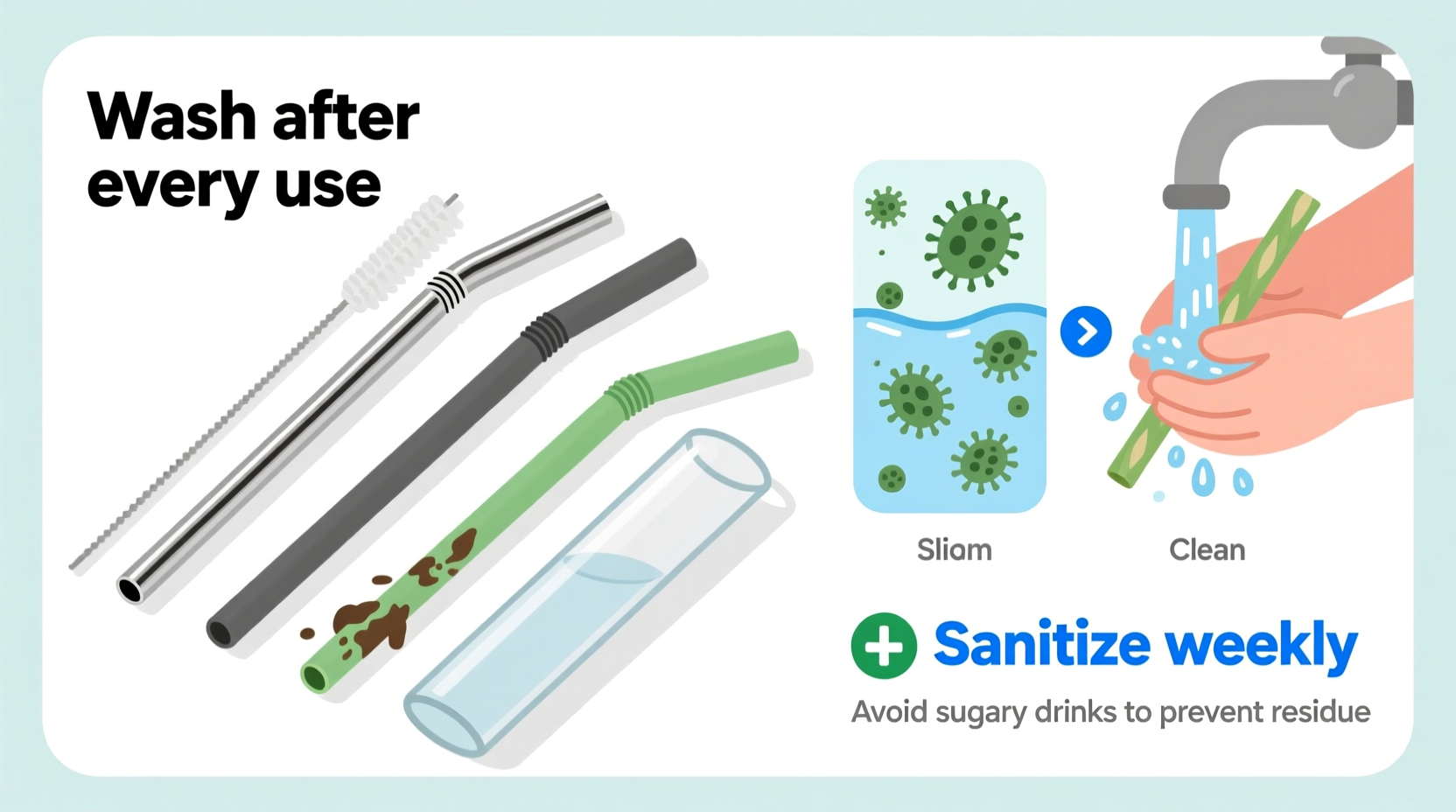
All straws, regardless of material, accumulate residue when used. This includes sugars from drinks, proteins from saliva, and even traces of food particles. These organic materials create an ideal breeding ground for bacteria, mold, and yeast—especially in moist, dark environments like the interior of a narrow tube.
Studies have shown that improperly cleaned reusable items, including water bottles and straws, can carry harmful pathogens such as E. coli, Staphylococcus aureus, and Candida. A 2020 study published in the Journal of Applied Microbiology found that reusable drinking tubes left unwashed for more than 12 hours developed significant microbial growth, particularly when used with sugary or dairy-based beverages.
However, this doesn’t mean reusable straws are inherently unhygienic. On the contrary, when cleaned properly and regularly, they can be safer and cleaner than their disposable counterparts—which may be produced in less regulated conditions and handled by multiple people before reaching the consumer.
“Any item that comes into contact with your mouth needs thorough cleaning. With reusable straws, consistency is key. One missed wash can lead to biofilm formation.” — Dr. Lena Patel, Microbiologist and Public Health Consultant
How Often Should You Wash Your Reusable Straw?
The short answer: after every single use.
Just like a fork or spoon, a straw enters your mouth and transfers bodily fluids and beverage residues. Treating it as a one-time-use item between cleans defeats the purpose of hygiene. Even if you only sip water, moisture trapped inside can promote bacterial colonies within hours.
Here’s a breakdown based on usage:
- After each drink: Rinse immediately, then perform a full clean within a few hours.
- Daily: If used multiple times in a day, wash thoroughly at the end of the day—even if rinsed between uses.
- Weekly deep clean: Recommended for all types, especially if used frequently, to remove any lingering odors or mineral buildup.
Step-by-Step Guide to Washing Reusable Straws
Effective cleaning isn’t just about rinsing under tap water. Residue hides in crevices and along inner walls. Follow this detailed process to ensure complete sanitation:
- Rinse immediately after use: Flush both ends with warm water to remove loose debris.
- Use a dedicated cleaning brush: Insert a pipe cleaner or narrow bottle brush coated with mild dish soap. Scrub the entire interior length, twisting as you go.
- Clean the exterior: Wipe down the outside with soapy water, paying attention to the rim where lips make contact.
- Soak (if needed): For stubborn stains or odors, soak in warm, soapy water for 10–15 minutes. For deeper disinfection, use a solution of one part white vinegar to three parts water.
- Rinse thoroughly: Ensure no soap or vinegar residue remains.
- Air dry completely: Place upright on a drying rack or towel, allowing airflow through the tube. Never store while damp.
For metal and glass straws, boiling is an effective weekly sanitizing method: submerge in boiling water for 3–5 minutes. Silicone straws can usually tolerate this too, but check manufacturer guidelines. Bamboo straws should never be boiled, as they may crack or degrade.
Material Matters: Cleaning Guidelines by Type
Not all straws respond the same way to cleaning methods. Here's how to handle the most common materials safely and effectively:
| Material | Wash Frequency | Recommended Cleaning Method | Avoid |
|---|---|---|---|
| Stainless Steel | After every use | Soap + brush, vinegar soak, boiling | Chlorine bleach (can corrode) |
| Glass | After every use | Soap + brush, vinegar soak, boiling | Dropping on hard surfaces |
| Silicone | After every use | Soap + brush, dishwasher-safe (top rack), boiling | High heat from open flame |
| Bamboo | After every use | Rinse, light scrub, air dry; monthly oil treatment | Soaking, boiling, dishwasher |
| Plastic (BPA-free) | After every use | Soap + brush, dishwasher-safe (check label) | Hot water (may warp), abrasive pads |
Bamboo straws require special attention. They are porous and absorb moisture, making them prone to mold if not dried quickly. To extend their life, treat them monthly with food-grade mineral oil to condition the wood and reduce cracking.
Common Mistakes That Compromise Hygiene
Even well-intentioned users can fall into habits that undermine cleanliness. Watch out for these frequent errors:
- Skipping the brush: Rinsing alone doesn’t remove biofilm—the slimy layer of bacteria that adheres to surfaces.
- Storing wet: Putting a damp straw into a closed container traps moisture and accelerates microbial growth.
- Using the wrong cleaner: Harsh chemicals like bleach can degrade materials and leave toxic residues.
- Sharing without washing: Sharing a straw without cleaning in between is equivalent to sharing a toothbrush.
- Ignoring odor: A funky smell means bacteria or mold is already present. Don’t ignore it—deep clean or replace.
Mini Case Study: Office Smoothie Habit Gone Wrong
Sarah, a marketing professional, switched to a reusable metal straw to reduce waste during her daily smoothie breaks. She’d rinse it under tap water after use and slide it into her desk drawer. After two weeks, she noticed a faint sour smell. A week later, she developed a sore throat and mild gastrointestinal discomfort.
Upon inspection, a cotton swab revealed a grayish film inside the straw. She sent it to a local lab for testing through a community health program. Results showed high levels of Pseudomonas aeruginosa, a bacterium known to thrive in moist environments.
After adopting a strict cleaning routine—brushing after each use, weekly boiling, and storing in a ventilated case—her symptoms resolved, and her straw remained odor-free. The experience reshaped her approach to all reusable foodware.
Expert Tips for Long-Term Hygiene and Safety
Maintaining hygiene goes beyond washing. It involves smart habits and awareness. Consider these expert-backed strategies:
- Carry a cleaning kit: Many brands sell compact kits with a brush, pouch, and travel-sized soap. Use them when away from home.
- Replace when damaged: Cracks, scratches, or discoloration can harbor bacteria. Replace metal straws with deep grooves, or bamboo straws that feel soft or spongy.
- Use separate straws for different drinks: Reserve one for milkshakes or smoothies (harder to clean) and another for water or juice.
- Inspect regularly: Hold the straw up to light to check for internal residue or cloudiness, especially in glass models.
“Hygiene isn’t optional—it’s part of responsible reuse. The environmental benefit disappears if you’re risking illness.” — Dr. Rajiv Mehta, Environmental Health Scientist
Checklist: Daily Reusable Straw Care Routine
Stay on track with this simple daily checklist:
- ✅ Rinse immediately after drinking
- ✅ Scrub interior with a brush and mild soap
- ✅ Rinse again until water runs clear
- ✅ Air dry upright, fully drained
- ✅ Store in a breathable pouch or open container
- ✅ Weekly: Deep clean with vinegar soak or boiling
Frequently Asked Questions
Can I put my reusable straw in the dishwasher?
Most stainless steel, silicone, and glass straws are dishwasher-safe, especially when placed in the cutlery basket to prevent falling. However, always check the manufacturer’s instructions. Bamboo and some plastics should never go in the dishwasher, as heat and prolonged moisture can damage them.
How do I know if my straw is still hygienic?
A clean straw should have no odor, visible residue, or slimy texture. Shine a flashlight through transparent straws to inspect the interior. If in doubt, perform a vinegar soak or boiling cycle. When hygiene can’t be guaranteed, replacement is the safest option.
Is it safe to share reusable straws?
No. Reusable straws should not be shared unless thoroughly washed between users. Saliva transfer can spread viruses like colds, flu, or even oral herpes. In shared settings, assign individual straws by color or label.
Conclusion: Clean Today, Safe Tomorrow
Reusable straws are hygienic—when cared for correctly. Their safety hinges on discipline: washing after every use, using the right tools, and storing them properly. The small effort invested in cleaning pays off in both personal health and environmental impact.
Think of your reusable straw not as a convenience item, but as a piece of eating utensil. Would you eat with a fork you only rinsed but never scrubbed? The same standard applies. By treating your straw with respect and routine care, you ensure it remains a clean, sustainable choice for years to come.
🚀 Start today: Grab your straw, pull out the cleaning brush, and give it a thorough scrub. Share this guide with someone who uses a reusable straw—because true sustainability includes safety.








