
It’s a common travel complaint: you step off the plane after even a moderate-length flight and notice your feet feel tight, your shoes are digging in, and your ankles look puffier than when you boarded. This phenomenon, known as edema, affects millions of travelers each year. While usually harmless, foot swelling after flying can be uncomfortable and concerning if you don’t understand what’s happening or how to manage it.
The truth is that prolonged sitting, changes in cabin pressure, and reduced mobility all contribute to fluid buildup in the lower limbs. But with the right knowledge and proactive steps, you can significantly reduce or even prevent post-flight swelling and its associated discomfort.
What Causes Feet to Swell During and After Flying?
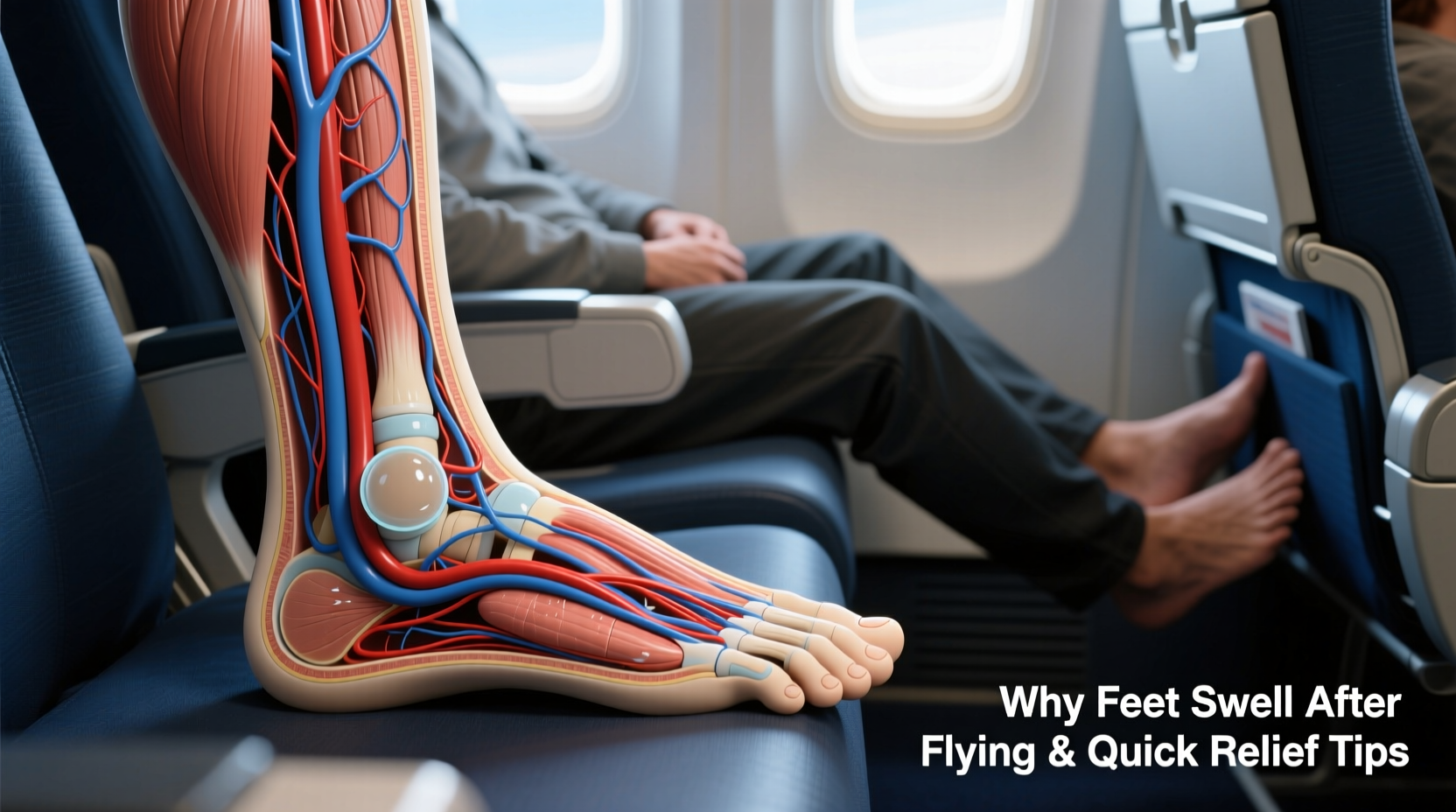
Swelling in the feet and ankles—medically termed peripheral edema—is primarily caused by fluid pooling in the tissues due to gravity and poor circulation. When you sit for long periods, especially in confined spaces like airplane seats, blood and lymphatic fluid struggle to return efficiently from your legs to your heart.
Aircraft cabins are pressurized to an altitude equivalent of 6,000–8,000 feet, which reduces oxygen levels slightly and can affect vascular function. Lower oxygen tension causes blood vessels to dilate, increasing capillary permeability and allowing fluid to leak into surrounding tissues. This effect is compounded by:
- Immobility: Sitting still for hours restricts calf muscle contractions, which normally act as pumps to push blood upward.
- Dehydration: Dry cabin air and limited fluid intake cause the body to retain sodium and water, worsening fluid retention.
- High-sodium meals: Airline food often contains excess salt, encouraging water retention.
- Warm environments: Heat expands blood vessels, making leakage more likely.
For most healthy individuals, this swelling is temporary and resolves within hours of walking and rehydrating. However, frequent flyers, older adults, pregnant women, and people with circulatory or cardiac conditions may experience more pronounced or persistent symptoms.
“Prolonged immobility in a low-humidity, hypobaric environment creates a perfect storm for fluid accumulation in the lower extremities.” — Dr. Lena Patel, Vascular Health Specialist
Effective Strategies to Reduce Foot Swelling Before and During Flight
Prevention is far more effective than trying to reverse swelling after it occurs. Implementing simple lifestyle adjustments before and during your flight can make a dramatic difference in comfort and recovery time.
1. Stay Hydrated (But Time It Right)
Dehydration triggers the body to hold onto water, increasing swelling risk. Drink plenty of water in the 24 hours leading up to your flight. Aim for at least 2–3 liters, unless restricted for medical reasons.
During the flight, continue sipping water—but avoid excessive intake right before landing to minimize bathroom urgency. Steer clear of alcohol and caffeine, both of which promote dehydration and vasodilation.
Tip: Bring an empty reusable bottle through security and fill it at a water station post-checkpoint.2. Wear Compression Socks
Graduated compression socks apply gentle pressure to the ankles and calves, helping veins push blood back toward the heart. Studies show they reduce swelling and lower the risk of deep vein thrombosis (DVT) on flights over four hours.
Choose knee-high socks with 15–20 mmHg pressure—available at pharmacies or medical supply stores. Put them on before boarding, while lying down, for maximum effectiveness.
3. Move Frequently
Your calf muscles are essential for circulation. Every 30–60 minutes, stand up, stretch, or walk the aisle for a few minutes. If movement isn’t possible, perform seated exercises:
- Ankle circles (10 clockwise, 10 counterclockwise)
- Toe raises (lift heels while keeping toes on floor)
- Calf pumps (press ball of foot down, then heel)
- Leg extensions (straighten one leg at a time, flexing foot)
4. Avoid Tight Clothing and Constrictive Footwear
Tight belts, waistbands, or shoes can impede blood flow. Opt for loose-fitting clothes and wear slip-on shoes that allow room for slight swelling. Bring a larger shoe size if you're prone to puffiness.
5. Limit Salt Intake
Sodium increases fluid retention. Avoid salty snacks like pretzels, chips, and processed meals. Choose fresh fruit, nuts, or low-sodium options if available. Pack your own snacks if possible.
Immediate Relief: How to Reduce Swelling Quickly After Landing
Even with precautions, some swelling may occur. The good news is that you can reverse it quickly using natural, non-invasive methods.
Step-by-Step Guide to Rapid Swelling Reduction
- Walk immediately: As soon as you deplane, walk briskly for 10–15 minutes. This activates the muscle pump mechanism and encourages fluid return.
- Elevate your legs: Once seated (e.g., at baggage claim or in a lounge), prop your feet up above heart level for 10–20 minutes.
- Hydrate with electrolytes: Drink water with a pinch of sea salt or a low-sugar electrolyte solution to balance fluids.
- Perform self-massage: Use firm but gentle strokes from toes to knee, following the path of lymphatic flow.
- Apply cool compresses: Wrap ice in a cloth and apply to swollen areas for 10-minute intervals to constrict blood vessels and reduce inflammation.
- Change into looser footwear: Prevent constriction and allow circulation to normalize.
Do’s and Don’ts When Managing Post-Flight Swelling
| Do’s | Don’ts |
|---|---|
| Drink water consistently before and after the flight | Consume alcohol or large amounts of caffeine |
| Wear compression socks during long flights | Wear tight shoes or restrictive clothing |
| Move every hour—stand, stretch, or walk | Sit for more than 90 minutes without moving |
| Elevate legs upon arrival | Ignore persistent pain or one-sided swelling |
| Use cold therapy to reduce puffiness | Apply heat, which can worsen swelling |
When to Be Concerned: Recognizing Warning Signs
While mild bilateral (both sides) swelling is normal, certain symptoms warrant immediate medical attention. These could indicate deep vein thrombosis (DVT), heart failure, or kidney issues.
Seek urgent care if you experience:
- Swelling in only one leg
- Pain, warmth, or redness in the calf
- Sudden shortness of breath or chest pain
- Swelling that doesn’t improve after 24 hours of rest and movement
- History of blood clots or cardiovascular disease
“If swelling is sudden, painful, and localized to one limb, assume it could be a clot until proven otherwise. Prompt evaluation saves lives.” — Dr. Rajiv Mehta, Emergency Medicine Physician
Mini Case Study: Sarah’s Long-Haul Recovery Routine
Sarah, a 42-year-old business consultant, flies over 80,000 miles annually. She used to dread arriving at her destination with swollen, aching feet. “I’d need an hour just to walk normally,” she says. After developing mild varicose veins, her doctor recommended a proactive plan.
Now, Sarah follows a strict pre-flight protocol: she hydrates well, wears 20 mmHg compression socks, avoids salty foods the day before, and does calf exercises every 45 minutes. On landing, she walks straight to baggage claim without stopping, then elevates her legs during transit.
“The difference is night and day. I arrive feeling alert and mobile. My colleagues don’t even know I’ve been on a 12-hour flight.”
Essential Checklist: Prevent and Treat Swollen Feet After Flying
Use this checklist before your next trip to stay ahead of discomfort:
- ✅ Hydrate well 24 hours before departure
- ✅ Pack compression socks (15–20 mmHg)
- ✅ Choose low-sodium snacks
- ✅ Wear loose, comfortable clothing and shoes
- ✅ Set a timer to move every 30–60 minutes
- ✅ Perform seated calf and ankle exercises
- ✅ Walk immediately after landing
- ✅ Elevate legs during layovers or transit
- ✅ Avoid alcohol and excess caffeine
- ✅ Monitor for warning signs (pain, asymmetry, breathing issues)
Frequently Asked Questions
Is foot swelling after flying dangerous?
For most people, no. Mild, symmetrical swelling that resolves within hours is normal. However, if swelling is severe, one-sided, painful, or accompanied by chest pain or breathing difficulties, seek medical help immediately—it could signal a blood clot or other serious condition.
Can drinking more water really help reduce swelling?
Yes. Dehydration causes the body to retain sodium and water, worsening edema. Proper hydration helps kidneys flush excess fluid and maintain electrolyte balance, reducing puffiness.
How long does post-flight swelling usually last?
In healthy individuals, swelling typically subsides within 6 to 24 hours after walking, elevating the legs, and rehydrating. Persistent swelling beyond a day should be evaluated by a healthcare provider.
Conclusion: Take Control of Your Travel Comfort
Swollen feet after flying don’t have to be an inevitable part of travel. Understanding the physiological causes empowers you to take practical, effective steps that preserve your comfort and well-being. From choosing the right socks to timing your hydration and movement, small habits yield significant results.
Whether you’re a frequent flyer or preparing for a once-in-a-lifetime journey, applying these strategies will help you step off the plane feeling refreshed—not puffy and sore. Your body supports every mile you travel; give it the care it deserves.
💬 Have a tip that works for you? Share your go-to method for staying comfortable in the skies—we’d love to hear what keeps your feet happy at 30,000 feet!








