
Cellulite affects up to 90% of women at some point in their lives, yet it remains one of the most misunderstood and unfairly stigmatized aspects of body health. Often described as “orange peel” or “cottage cheese” skin, cellulite appears when fat deposits push through the connective tissue beneath the skin, creating a dimpled texture—typically on the thighs, hips, buttocks, and abdomen. While not harmful medically, its presence can impact self-confidence. Understanding why cellulite forms and what you can realistically do about it is essential for making informed decisions about your body care.
What Causes Cellulite? The Science Behind the Dimples
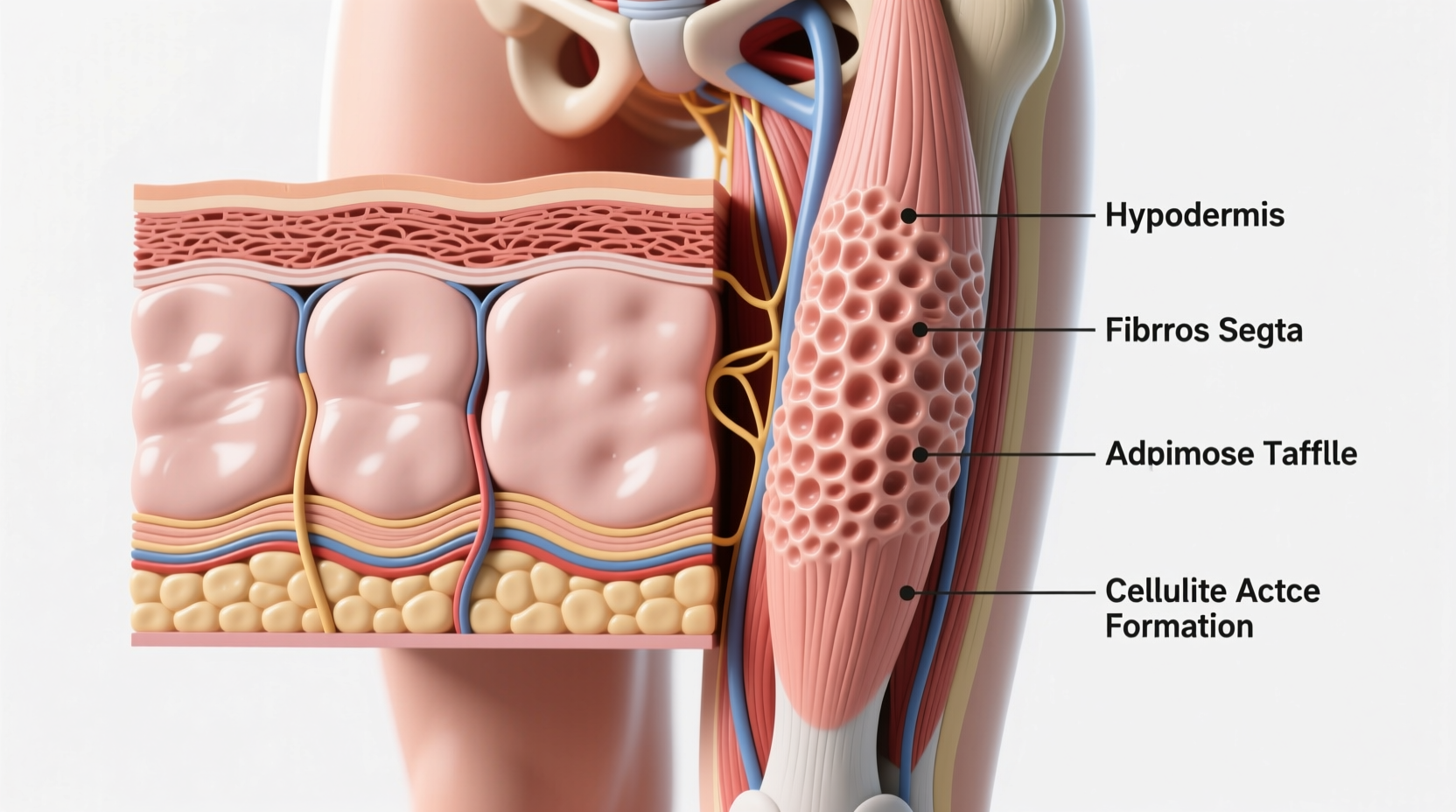
Contrary to popular belief, cellulite is not caused by being overweight. Even lean, athletic individuals can have cellulite. Its development stems from a combination of structural, hormonal, and lifestyle factors:
- Anatomy of connective tissue: Women’s collagen bands (septae) that hold fat in place are arranged vertically, allowing fat cells to protrude more easily into the dermis. Men’s fibers are crisscrossed, offering more resistance.
- Hormonal influence: Estrogen plays a significant role. As estrogen levels decline—especially during menopause—blood flow to the skin decreases, reducing collagen production and weakening connective tissue.
- Genetics: If your mother has cellulite, you’re more likely to develop it. Genes influence fat distribution, skin thickness, and circulation.
- Poor circulation and lymphatic drainage: Reduced blood flow leads to toxin buildup and weaker skin structure, exacerbating the appearance of cellulite.
- Lifestyle habits: Sedentary behavior, smoking, high-sugar diets, and dehydration can worsen skin elasticity and fat storage patterns.
Common Myths About Cellulite Debunked
Misinformation fuels frustration and unrealistic expectations. Let’s clarify what doesn’t cause cellulite—and what won’t fix it:
| Myth | Reality |
|---|---|
| Only overweight people get cellulite. | False. Cellulite is common in people of all body sizes—even very fit women. |
| Crash dieting eliminates cellulite. | No. Rapid weight loss can actually make cellulite more visible due to looser skin. |
| Anti-cellulite creams work long-term. | Most offer only temporary tightening via caffeine or retinol; effects fade quickly. |
| Cellulite means poor hygiene. | Completely false. It’s unrelated to cleanliness or moral worth. |
“Cellulite is a structural feature of skin, not a flaw. Treating it like a medical condition pathologizes a normal female physiology.” — Dr. Lena Peterson, Dermatologist & Skin Health Researcher
What You Can Do: Realistic Strategies to Reduce Appearance
While no method completely erases cellulite permanently, consistent lifestyle changes and targeted treatments can significantly improve skin texture and firmness over time.
1. Build Muscle and Improve Circulation
Strength training increases muscle mass beneath affected areas, which can smooth out the skin’s surface. Focus on compound movements like squats, lunges, and deadlifts. Improved circulation from regular exercise also supports collagen synthesis and lymphatic drainage.
2. Optimize Nutrition for Skin Health
Foods rich in antioxidants, healthy fats, and collagen-supporting nutrients strengthen skin integrity. Prioritize:
- Fatty fish (salmon, mackerel) for omega-3s
- Leafy greens high in vitamins C and K
- Berries and citrus fruits for collagen production
- Hydration—drink at least 2–3 liters of water daily
3. Try Proven Topical and In-Clinic Treatments
Some interventions show measurable results in clinical studies:
- Retinol creams: Thickens the dermis over months of use.
- Radiofrequency (RF) therapy: Heats deep layers to stimulate collagen.
- Acoustic wave therapy: Uses sound waves to break fibrous bands.
- Subcision: A minor procedure where a needle breaks tethered septae under the skin.
Step-by-Step Guide to a Holistic Anti-Cellulite Routine
A comprehensive approach yields better results than isolated fixes. Follow this 12-week plan to support skin resilience and reduce dimpling:
- Week 1–2: Assess and Prepare
- Take progress photos under consistent lighting.
- Eliminate processed sugars and trans fats from your diet.
- Begin walking 30 minutes daily.
- Week 3–6: Build Foundation
- Add two strength training sessions weekly focusing on glutes and legs.
- Start dry brushing before showers to stimulate circulation.
- Apply a retinol-based cream every other night (patch test first).
- Week 7–12: Intensify and Monitor
- Incorporate resistance bands or weights into lower-body workouts.
- Consider professional RF or acoustic wave therapy (if accessible).
- Reassess progress with new photos; adjust routine as needed.
Mini Case Study: Maria’s Experience
Maria, a 34-year-old yoga instructor, noticed increased cellulite after her second pregnancy. Despite staying active and eating clean, she felt self-conscious in swimwear. She began a structured routine: three weekly glute-focused strength sessions, daily hydration tracking, and twice-weekly dry brushing. After eight weeks, she added biweekly radiofrequency treatments. By week 12, her skin appeared tighter and smoother, though not flawless. More importantly, her confidence improved—not because the cellulite vanished, but because she felt empowered by taking proactive steps aligned with her health values.
Checklist: Your Action Plan Against Cellulite
Use this checklist weekly to stay on track:
- ✅ Engage in strength training 2–3 times per week
- ✅ Drink at least 8 glasses of water daily
- ✅ Eat whole foods rich in antioxidants and protein
- ✅ Perform dry brushing or massage affected areas
- ✅ Apply topical treatments consistently (e.g., retinol or caffeine cream)
- ✅ Avoid tight clothing that restricts circulation
- ✅ Limit alcohol and refined sugar intake
- ✅ Track progress monthly with photos and notes
Frequently Asked Questions
Can losing weight get rid of cellulite?
Not necessarily. While fat reduction may lessen the prominence of cellulite in some cases, rapid weight loss can leave skin looser, potentially making dimples more noticeable. Sustainable fat loss combined with muscle toning offers the best outcome.
Do anti-cellulite massages work?
Manual or mechanical massage (like Endermologie) may temporarily improve appearance by increasing blood flow and reducing fluid retention. Effects are short-lived without ongoing sessions and complementary lifestyle habits.
Is cellulite preventable?
Given genetic and hormonal influences, complete prevention is unlikely. However, maintaining muscle tone, avoiding smoking, staying hydrated, and managing inflammation through diet can delay onset and minimize severity.
Conclusion: Rethinking Cellulite with Confidence
Cellulite is not a personal failing—it’s a natural variation in how skin interacts with underlying fat and connective tissue. While various strategies can improve its appearance, the most lasting transformation comes from shifting perspective: from shame to understanding, from quick fixes to sustainable care. Embracing your body while making informed choices fosters both physical health and emotional well-being.
💬 Your body deserves compassion, not criticism. Share your journey or tips in the comments—let’s build a supportive conversation around real skin health.








