
As we age, our metabolism slows, muscle mass declines, and hormonal shifts make it easier to gain fat—especially around the abdomen. Belly fat after 50 isn’t just a cosmetic concern; visceral fat surrounding internal organs increases the risk of heart disease, type 2 diabetes, and certain cancers. The good news? With targeted strategies, it’s entirely possible to reduce abdominal fat and improve overall health—even later in life. This guide outlines evidence-based methods supported by medical experts and real-world success.
Why Belly Fat Increases After 50
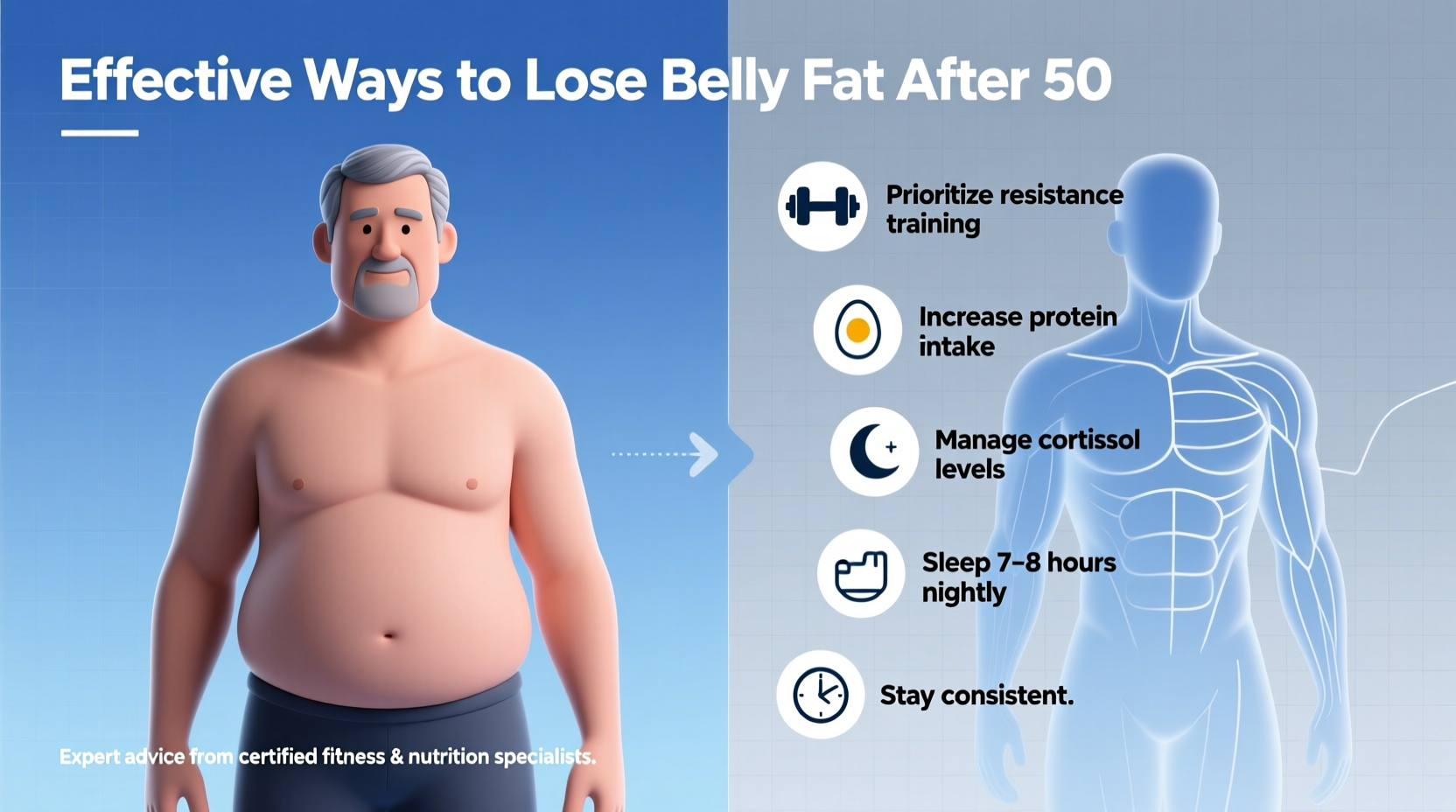
Several biological factors contribute to abdominal weight gain in midlife. Menopause in women leads to a drop in estrogen, which shifts fat storage from hips and thighs to the belly. In men, testosterone levels gradually decline, reducing muscle mass and slowing metabolic rate. Additionally, insulin sensitivity often decreases, making blood sugar harder to regulate and promoting fat accumulation.
Sedentary lifestyles, poor sleep, chronic stress, and dietary habits compound these changes. But understanding the root causes allows for more precise interventions.
“After 50, losing belly fat isn’t about extreme diets—it’s about sustainable metabolic support through strength, movement, nutrition, and recovery.” — Dr. Linda Chen, MD, Endocrinologist and Metabolic Health Specialist
Nutrition Strategies That Work
Diet remains the most influential factor in reducing visceral fat. However, calorie restriction alone is not enough. What you eat—and when—matters significantly.
Prioritize Protein at Every Meal
Protein helps preserve lean muscle mass, supports satiety, and has a higher thermic effect than fats or carbohydrates. Aim for 25–30 grams of high-quality protein per meal.
Tip: Include a source of protein in your breakfast—such as eggs, Greek yogurt, or a plant-based protein shake—to reduce cravings later in the day.Choose Whole, Unprocessed Foods
Focus on vegetables, fruits, legumes, whole grains, nuts, seeds, and healthy fats like olive oil and avocado. These foods are rich in fiber, which improves digestion and stabilizes blood sugar.
Limit Refined Carbs and Added Sugars
White bread, pastries, sugary drinks, and processed snacks spike insulin and promote fat storage. Replace them with complex carbohydrates such as quinoa, oats, sweet potatoes, and brown rice.
| Foods to Emphasize | Foods to Limit or Avoid |
|---|---|
| Leafy greens, cruciferous vegetables | Sugary cereals and granola bars |
| Lean proteins (chicken, fish, tofu) | Processed meats (sausages, deli meats) |
| Healthy fats (avocado, nuts, olive oil) | Trans fats (fried foods, margarine) |
| Whole grains and legumes | Soda and fruit juices |
The Role of Exercise: Beyond Cardio
While walking and light cardio are excellent for heart health, they aren’t sufficient for significant belly fat loss. A combination of resistance training, interval work, and consistent daily movement delivers better results.
Strength Training Is Non-Negotiable
Muscle burns more calories at rest than fat. Lifting weights two to three times per week helps counteract age-related muscle loss (sarcopenia) and boosts metabolism.
Start with bodyweight exercises like squats, lunges, push-ups, and planks. Gradually add dumbbells, resistance bands, or machines. Focus on compound movements that engage multiple muscle groups.
Incorporate Interval Training
High-intensity interval training (HIIT), even in modified form, can accelerate fat loss. Try alternating 1 minute of brisk walking or cycling with 1 minute of moderate effort for 15–20 minutes, two to three times a week.
Stay Active Throughout the Day
Non-exercise activity thermogenesis (NEAT)—like standing, gardening, or pacing during phone calls—adds up. One study found that individuals over 50 who walked an extra 2,000 steps daily reduced visceral fat by nearly 5% over 12 weeks.
“Patients who combine strength training with smart eating see not just waistline reduction, but improved energy, balance, and joint function.” — Mark Rivera, CSCS, Certified Strength and Conditioning Specialist
Lifestyle Factors That Accelerate Results
No amount of dieting or exercise will fully overcome poor sleep, chronic stress, or dehydration. These elements play a direct role in fat metabolism.
Prioritize Quality Sleep
Getting less than 6 hours per night disrupts hormones like cortisol and ghrelin, increasing appetite and fat storage. Aim for 7–8 hours of uninterrupted sleep. Maintain a consistent bedtime, limit screen exposure before bed, and keep your bedroom cool and dark.
Manage Chronic Stress
Elevated cortisol promotes abdominal fat deposition. Incorporate stress-reducing practices such as meditation, deep breathing, yoga, or journaling. Even 10 minutes of mindfulness daily can lower cortisol levels over time.
Stay Hydrated
Dehydration can mimic hunger and slow metabolism. Drink water throughout the day—aim for half your body weight in pounds as ounces (e.g., 150 lbs = 75 oz). Herbal teas and water-rich foods like cucumbers and tomatoes also help.
Tip: Start your day with a glass of water and drink one before each meal to support fullness and digestion.Real Example: How Susan Reduced Her Waistline at 57
Susan, a retired teacher from Oregon, struggled with bloating and a growing waistline after menopause. Despite walking regularly, she couldn’t lose the stubborn lower belly fat. She consulted a registered dietitian and began tracking her food intake.
Her plan included:
- Eating 30g of protein at breakfast (eggs + cottage cheese)
- Adding two weekly strength sessions using resistance bands
- Replacing evening wine with herbal tea
- Going to bed by 10 p.m. and eliminating late-night snacking
Within four months, Susan lost 3 inches from her waist, reported better energy, and lowered her fasting blood sugar from 108 mg/dL to 94 mg/dL. “I didn’t starve myself,” she said. “I just made smarter choices consistently.”
Step-by-Step Guide to Start Today
- Week 1: Assess current habits. Track food intake for 3 days and note sleep quality and movement patterns.
- Week 2: Add protein to breakfast and eliminate sugary drinks.
- Week 3: Begin strength training twice this week—use bodyweight or light weights.
- Week 4: Improve sleep hygiene—set a bedtime alarm and reduce screen time after 8 p.m.
- Ongoing: Reassess waist measurement every 4 weeks and adjust as needed.
Frequently Asked Questions
Can I lose belly fat without losing weight overall?
Yes. While overall fat loss contributes to belly fat reduction, building muscle through strength training can change body composition—losing inches without a major drop on the scale.
Are supplements helpful for belly fat loss after 50?
Some, like vitamin D or omega-3s, may support metabolic health if deficient, but no supplement replaces diet and exercise. Always consult your doctor before starting any supplement.
How long does it take to see results?
With consistent effort, noticeable changes in waist circumference can appear in 6–12 weeks. Visceral fat responds well to lifestyle changes, but patience and consistency are key.
Take Action Now—Your Health Depends on It
Losing belly fat after 50 is not about quick fixes or punishing routines. It’s about adopting sustainable habits that align with your changing physiology. By focusing on protein-rich nutrition, strength training, quality sleep, and stress management, you can reshape your body and significantly reduce health risks.
You don’t need perfection—just persistence. Start with one change this week: swap a snack for Greek yogurt, do 10 squats in your living room, or go to bed 20 minutes earlier. Small steps compound into lasting transformation.
💬 Ready to begin? Share your first step in the comments below or commit to one action today—your future self will thank you.








