
Nightmares are more than just unsettling dreams—they can disrupt sleep, affect mood, and even influence daytime performance. If you've noticed that your dreams have taken a consistently dark turn, you're not alone. Many people experience phases where nightmares dominate their sleep cycles. While occasional bad dreams are normal, persistent nightmares may signal underlying stressors or health issues. Understanding the root causes and learning how to prevent them is essential for restoring restful, rejuvenating sleep.
Common Causes of Recurring Nightmares
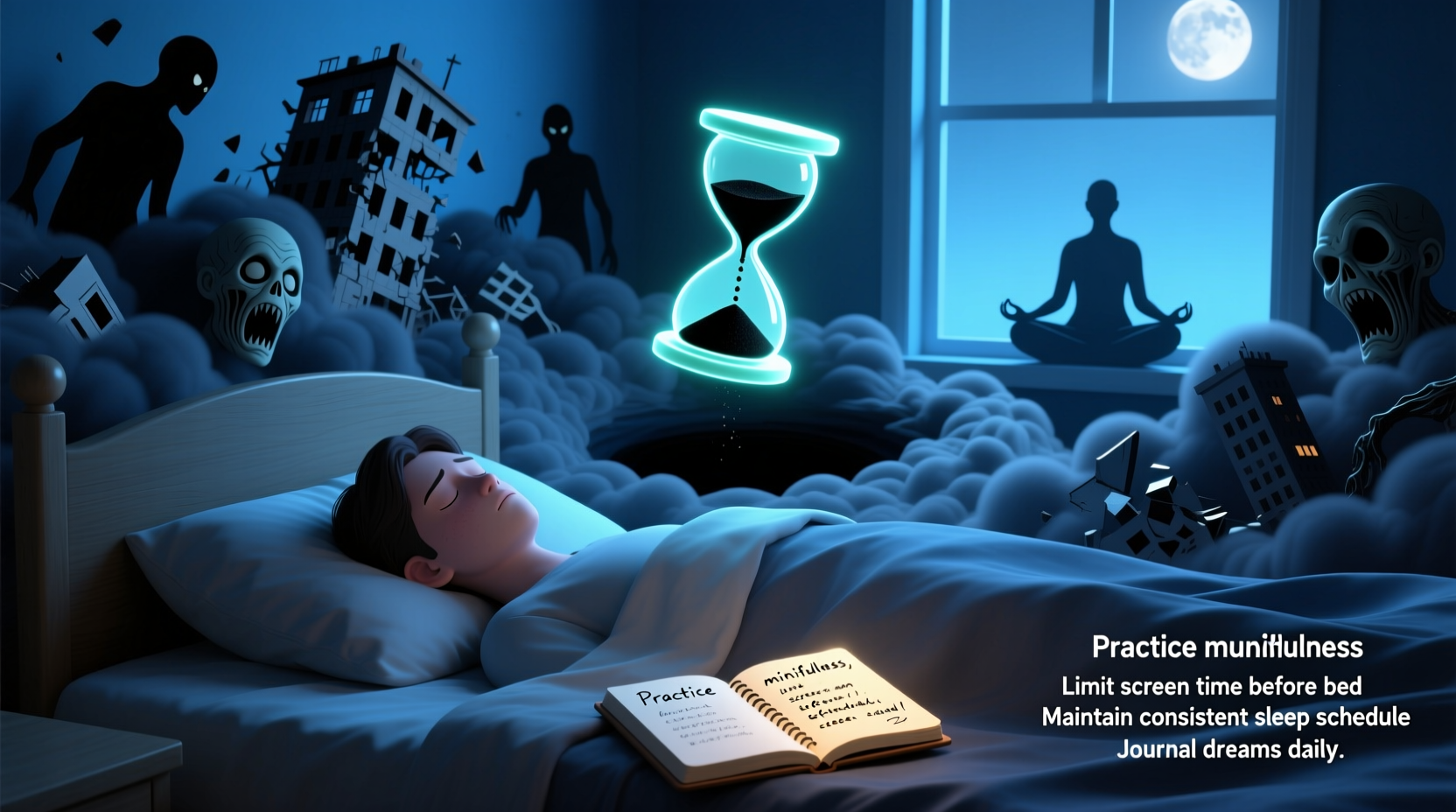
Nightmares arise from a complex interplay of psychological, physiological, and environmental factors. When they become frequent, it's often a sign that something in your internal or external world needs attention. Below are some of the most prevalent causes:
- Stress and Anxiety: Daily pressures, work-related tension, or unresolved emotional conflicts can manifest during REM sleep as vivid, frightening dreams.
- Trauma and PTSD: Individuals who have experienced trauma—especially combat veterans, abuse survivors, or accident victims—often relive distressing events through nightmares.
- Sleep Deprivation: Lack of consistent, quality sleep increases brain activity during REM cycles, making nightmares more likely.
- Diet and Medications: Heavy meals before bed, alcohol, caffeine, and certain medications (like antidepressants or blood pressure drugs) can alter brain chemistry and dream patterns.
- Mental Health Conditions: Disorders such as depression, bipolar disorder, and anxiety disorders are frequently linked with disturbing dream content.
- Environmental Triggers: Watching scary movies, reading intense material, or engaging in stimulating conversations before bedtime primes the mind for negative imagery.
“Recurring nightmares are often the mind’s way of processing unmet emotional needs or unresolved fear.” — Dr. Lena Torres, Clinical Sleep PsychologistTip: Keep a dream journal by your bed. Writing down nightmares immediately upon waking can help identify recurring themes and emotional triggers.
How Stress and Emotions Fuel Nightmares
The connection between emotional well-being and dream content is well-documented. During REM sleep, the brain processes memories and emotions, especially those left unprocessed during waking hours. When stress accumulates, the brain attempts to \"work through\" these feelings at night, sometimes resulting in symbolic or exaggerated nightmare scenarios.
For example, someone under financial strain might dream about falling from a building, symbolizing a loss of control. A person navigating relationship conflict might experience dreams of being chased or abandoned. These metaphors reflect subconscious fears rather than literal threats.
Chronic stress elevates cortisol levels, which can interfere with sleep architecture. This disruption increases the duration and intensity of REM sleep, giving nightmares more opportunity to occur. Over time, this creates a feedback loop: nightmares cause poor sleep, which heightens stress, which in turn leads to more nightmares.
Prevention Strategies: Building a Nightmare-Resistant Sleep Routine
While you can't completely control what happens in your dreams, you can shape the conditions that make nightmares less likely. The key lies in cultivating a stable, calming pre-sleep routine and addressing any underlying emotional or physical imbalances.
- Establish a Consistent Sleep Schedule: Go to bed and wake up at the same time every day—even on weekends. This regulates your circadian rhythm and reduces sleep fragmentation.
- Limit Screen Exposure Before Bed: Blue light from phones and TVs suppresses melatonin. Avoid screens at least one hour before sleep.
- Avoid Stimulants Late in the Day: Cut off caffeine after 2 p.m. and avoid alcohol close to bedtime, as both disrupt REM cycles.
- Practice Relaxation Techniques: Deep breathing, progressive muscle relaxation, or guided meditation can calm an overactive mind.
- Create a Soothing Bedroom Environment: Keep the room cool, dark, and quiet. Use white noise if needed to block disturbances.
| Do’s | Don’ts |
|---|---|
| Read a calming book before bed | Watch horror films or thrillers at night |
| Drink herbal tea like chamomile or valerian root | Eat heavy or spicy meals within three hours of sleep |
| Use aromatherapy (lavender, bergamot) | Check work emails or stressful messages before bed |
| Write down worries in a journal earlier in the evening | Try to force sleep when anxious—get up and do something quiet instead |
Mini Case Study: Recovering Restful Sleep After Trauma
Sarah, a 34-year-old teacher, began experiencing nightly nightmares after surviving a car accident. For weeks, she dreamed of crashing vehicles, screeching tires, and being trapped. She avoided sleep, leading to fatigue and irritability. Eventually, she consulted a sleep therapist who diagnosed her with acute stress reaction.
Her treatment plan included cognitive behavioral therapy for insomnia (CBT-I), daily mindfulness exercises, and a structured wind-down routine. She also started writing her nightmares down and reimagining alternative endings—a technique known as Imagery Rehearsal Therapy (IRT). Within six weeks, the frequency of her nightmares dropped from nearly every night to once a week. By addressing both the emotional trauma and her sleep habits, Sarah regained control over her nights.
Expert-Backed Tips for Reducing Nightmare Frequency
Clinical research supports several targeted approaches for reducing nightmares, especially in cases of chronic or trauma-related dreaming. These methods go beyond general sleep hygiene and address the content and context of disturbing dreams.
Tip: Try \"dream rescripting.\" During the day, rewrite your nightmare with a positive outcome. Visualize the new version—it can reduce the dream’s power at night.“Imagery Rehearsal Therapy has shown up to a 70% reduction in nightmare frequency in clinical trials.” — Dr. Alan Pierce, Sleep Research Institute at UCLA
Other evidence-based strategies include:
- Exposure, Relaxation, and Rescripting Therapy (ERRT): Combines trauma processing with relaxation and narrative change.
- Medication Review: Some SSRIs can initially increase nightmares. Work with your doctor to adjust timing or dosage if needed.
- Lifestyle Adjustments: Regular exercise, especially in daylight, helps regulate mood and sleep hormones.
FAQ: Common Questions About Nightmares
Can nightmares be a sign of a serious health problem?
Occasional nightmares are normal, but frequent ones—especially when accompanied by sleep disruption, daytime fatigue, or emotional distress—may indicate underlying issues like PTSD, anxiety, or sleep apnea. Persistent nightmares warrant evaluation by a healthcare provider.
Why do I remember my nightmares so clearly?
Nightmares typically occur during late REM cycles, which happen closer to morning. Because you’re nearer to waking, dream recall is stronger. High emotional intensity also enhances memory encoding, making nightmares feel more vivid and lasting.
Are children more prone to nightmares than adults?
Yes, children aged 3–6 commonly experience nightmares due to developing imaginations and limited ability to distinguish fantasy from reality. Most outgrow them, but stress or major life changes can trigger episodes even in older kids.
Take Control of Your Nights
Waking up in fear night after night doesn’t have to become your norm. By identifying potential triggers—whether emotional, chemical, or environmental—you can begin to reverse the pattern. Small, consistent changes in your daily and nightly routines can yield profound improvements in sleep quality. Don’t dismiss nightmares as mere bad luck; treat them as signals from your mind asking for attention.
If self-help strategies aren’t enough, consider speaking with a therapist or sleep specialist. Tools like CBT-I and IRT are highly effective and accessible. Remember, restful sleep isn’t a luxury—it’s a foundation for mental clarity, emotional balance, and overall well-being.
💬 Have you overcome a phase of frequent nightmares? Share your story or tip in the comments—your experience could help someone else find peace at night.








