
Feeling cold when others are comfortable — or even warm — is more common than you might think. While occasional chills are normal, especially in cooler environments, a constant sense of coldness can be frustrating and concerning. If you're frequently reaching for extra layers while those around you feel fine, it may signal an underlying physiological or environmental factor. Understanding the root causes can help determine whether your symptoms are benign or require medical attention.
1. Low Body Fat and Insulation
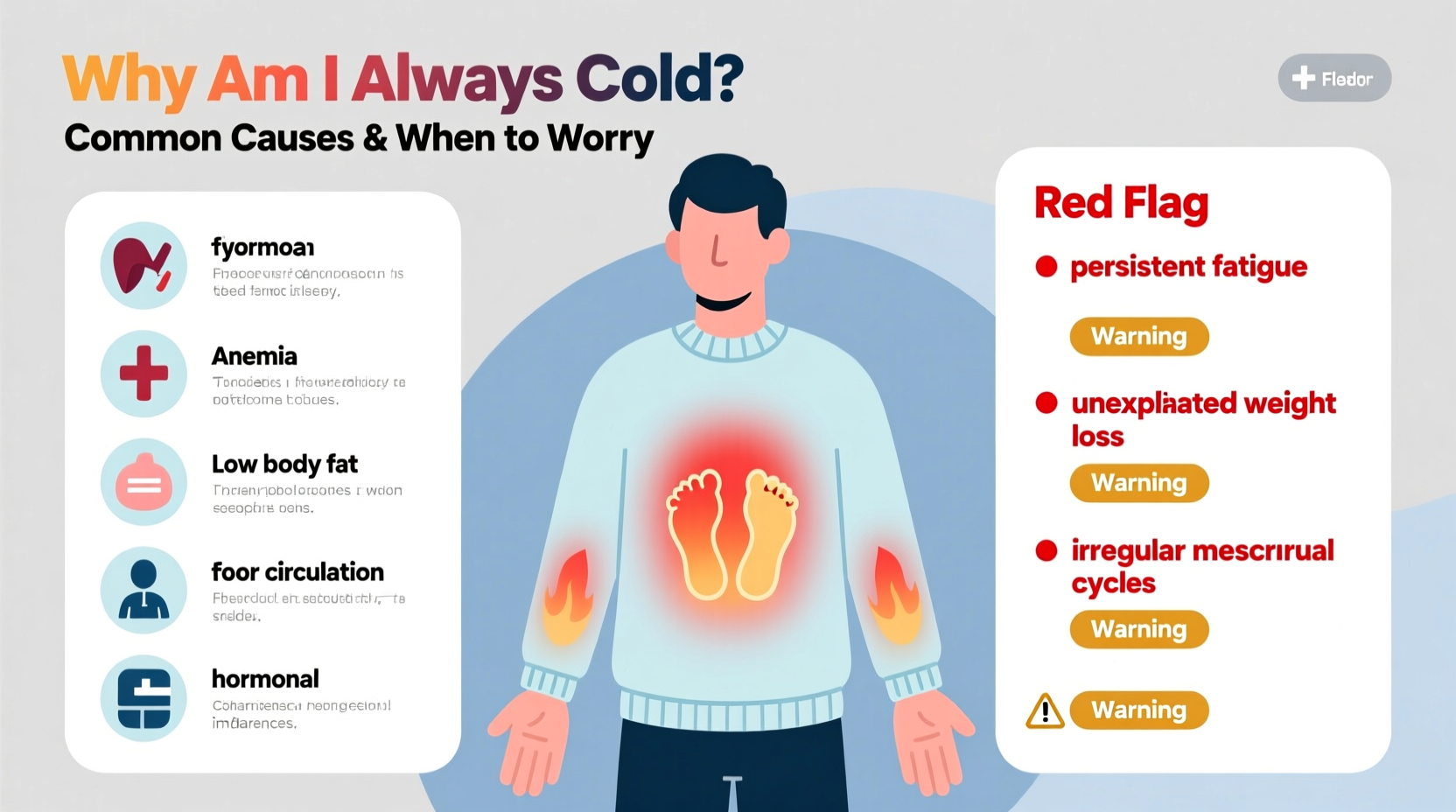
Body fat plays a crucial role in thermal regulation. It acts as natural insulation, helping retain heat generated by internal organs and muscles. Individuals with lower body fat percentages — such as athletes, people recovering from illness, or those following strict diets — often report feeling cold more easily.
This is particularly noticeable in extremities like hands and feet, where blood flow is already reduced to preserve core temperature. Without adequate subcutaneous fat, the body struggles to maintain warmth during periods of inactivity or exposure to cool air.
Tip: Consuming nutrient-dense foods rich in healthy fats (like avocados, nuts, and olive oil) can support both energy levels and thermal regulation.2. Iron Deficiency Anemia
Anemia caused by iron deficiency is one of the most common nutritional deficiencies worldwide. Iron is essential for hemoglobin production, the protein in red blood cells that carries oxygen throughout the body. When iron levels drop, oxygen delivery slows, impairing cellular metabolism and reducing heat generation.
Symptoms include fatigue, pale skin, brittle nails, and — notably — persistent feelings of cold, especially in the hands and feet. Women of reproductive age are at higher risk due to menstrual blood loss.
“Patients with unexplained cold intolerance should be screened for iron deficiency, even if they don’t present with classic fatigue.” — Dr. Lena Torres, Hematologist
3. Hypothyroidism (Underactive Thyroid)
The thyroid gland regulates metabolism through hormone production. When it underperforms — a condition known as hypothyroidism — metabolic rate drops, leading to reduced body heat output. This often results in chronic cold sensitivity, weight gain, dry skin, and low energy.
Hypothyroidism is more prevalent in women over 50 but can occur at any age. A simple blood test measuring TSH (thyroid-stimulating hormone) can confirm diagnosis.
| Symptom | Associated Condition |
|---|---|
| Persistent coldness | Hypothyroidism, anemia |
| Fatigue + weakness | Anemia, sleep apnea |
| Dry skin + hair loss | Hypothyroidism |
| Weight gain | Hypothyroidism, hormonal imbalance |
| Numbness in extremities | Circulatory issues, neuropathy |
4. Poor Circulation
Blood circulation delivers warmth from the core to the limbs. Conditions like peripheral artery disease (PAD), Raynaud’s phenomenon, or prolonged sitting can restrict blood flow, making hands and feet feel icy even when the rest of the body is warm.
Raynaud’s, for example, causes small arteries in fingers and toes to spasm in response to cold or stress, temporarily cutting off circulation. Episodes may last minutes and are often accompanied by color changes — white, then blue, then red upon rewarming.
When to Worry About Circulation Issues
- Color changes in fingers or toes without obvious cause
- Pain or numbness during routine activities
- Slow-healing sores on feet or legs
- Chest pain or shortness of breath alongside cold extremities
5. Dehydration and Low Calorie Intake
The body generates heat through metabolic processes fueled by food and water. Skipping meals or severely restricting calories reduces thermogenesis — the production of heat through digestion and cellular activity.
Dehydration also impairs circulation and electrolyte balance, both of which affect temperature regulation. Even mild dehydration can make you feel chilled, especially in air-conditioned spaces or during physical exertion.
Tip: Drink warm fluids like herbal tea or broth throughout the day to stay hydrated and maintain internal warmth.6. Medication Side Effects
Certain medications alter vascular tone or nervous system function, contributing to cold sensitivity. These include:
- Beta-blockers (used for high blood pressure and anxiety)
- Some antidepressants (especially SSRIs and SNRIs)
- Stimulant drugs for ADHD
- Medications containing pseudoephedrine
If you started feeling colder after beginning a new prescription, discuss this side effect with your healthcare provider. Never stop medication without medical advice.
7. Autoimmune Disorders
Conditions like lupus, rheumatoid arthritis, and Sjögren’s syndrome can disrupt temperature regulation. Inflammation affects blood vessels and nerves involved in sensing and responding to cold. Additionally, some autoimmune diseases increase susceptibility to secondary conditions like anemia or thyroid dysfunction.
These disorders often present with a cluster of symptoms beyond cold sensitivity, including joint pain, rashes, and extreme fatigue.
8. Age-Related Changes
As we age, skin thins and subcutaneous fat diminishes, reducing natural insulation. Older adults also tend to have slower metabolisms and less muscle mass, both of which contribute to lower baseline body heat.
In addition, aging can impair the body’s ability to detect temperature changes, increasing the risk of hypothermia even in mildly cool environments.
Real Example: Maria’s Experience
Maria, a 68-year-old retired teacher, began wearing sweaters indoors during summer months while her husband preferred the fan on high. She dismissed it as “getting old,” but after experiencing dizziness and fatigue, she visited her doctor. Blood work revealed iron-deficiency anemia and borderline hypothyroidism. With iron supplements and thyroid medication, her energy returned — and so did her tolerance to normal room temperatures.
9. Sleep Deprivation and Chronic Stress
Chronic lack of sleep disrupts the autonomic nervous system, which controls involuntary functions like heart rate, digestion, and temperature regulation. Elevated cortisol from ongoing stress can constrict blood vessels and reduce peripheral circulation.
People under long-term stress often report feeling \"cold inside\" despite ambient warmth — a sensation linked to altered neurochemical signaling.
10. Gender Differences in Temperature Perception
Women are statistically more likely than men to report feeling cold. This stems from several biological factors:
- Lower average muscle mass (muscle generates heat)
- Higher surface-area-to-volume ratio (lose heat faster)
- Fluctuating hormones — estrogen influences blood vessel dilation
- Menstrual cycle phases affecting basal body temperature
During the luteal phase of the menstrual cycle, progesterone rises, slightly increasing core temperature — but many women still feel colder due to shifts in blood flow distribution.
11. Underlying Infections or Chronic Illness
Persistent coldness can sometimes be an early sign of serious conditions. Examples include:
- Tuberculosis (often presents with night sweats *and* chills)
- Endocarditis (infection of the heart lining)
- Liver or kidney failure
- Cancer (particularly lymphoma or leukemia)
In these cases, cold sensations are usually accompanied by other red-flag symptoms such as unexplained weight loss, fever, swollen lymph nodes, or persistent fatigue.
When to Worry: Red Flags That Require Medical Evaluation
- New or worsening cold sensitivity not explained by environment
- Coldness paired with fatigue, weakness, or dizziness
- Color changes or pain in fingers/toes suggesting circulatory problems
- Unintentional weight loss or appetite changes
- History of thyroid, heart, or autoimmune disease
Action Plan: What You Can Do Now
If you're constantly cold, take these practical steps to assess and address potential causes:
📋 Checklist: Steps to Investigate Chronic Cold Sensitivity- Track symptoms daily for two weeks (include energy, diet, sleep, and temperature notes)
- Review all medications with your doctor
- Schedule blood tests: CBC, iron/ferritin, TSH, vitamin B12, and vitamin D
- Improve nutrition with balanced meals containing protein, complex carbs, and healthy fats
- Stay hydrated with warm beverages
- Exercise regularly to boost circulation and metabolism
- Wear layered clothing and warm socks indoors if needed
- Monitor for additional symptoms like swelling, pain, or breathing issues
Frequently Asked Questions
Can anxiety make me feel cold?
Yes. Anxiety triggers the fight-or-flight response, redirecting blood flow away from the skin and extremities toward vital organs. This can leave hands and feet feeling cold or clammy, even in warm rooms.
Is it normal to feel colder as I age?
To some extent, yes. Aging reduces fat stores, muscle mass, and circulation efficiency. However, severe or sudden cold intolerance should not be ignored and warrants evaluation.
Should I get tested if I only feel cold in my hands and feet?
If it happens frequently or is accompanied by color changes, numbness, or pain, consult a doctor. It could indicate Raynaud’s phenomenon or early circulatory disease.
Final Thoughts
Feeling cold occasionally is normal. But when it becomes a persistent pattern — especially when others around you are comfortable — it's worth investigating. From nutritional gaps to hormonal imbalances and circulatory concerns, the reasons behind chronic coldness are diverse but often treatable.
Start by paying attention to your body, tracking patterns, and consulting a healthcare professional if symptoms persist. Small changes in diet, hydration, and lifestyle can make a big difference. Don’t dismiss your discomfort — your body might be sending an important signal.
💬 Your experience matters. Have you discovered a cause for your constant coldness? Share your story in the comments to help others recognize symptoms and seek timely care.








