
Dry brushing has surged in popularity across wellness circles, touted as a natural solution for smoother skin, improved circulation, and—most notably—reducing the appearance of cellulite. From celebrity endorsements to Instagram routines, the ritual of brushing the skin with a stiff-bristled brush before showering has become a staple in many self-care regimens. But behind the glowing testimonials lies a pressing question: is dry brushing actually effective for cellulite, or is it merely another overhyped wellness fad?
To answer this, we need to look beyond anecdotal evidence and examine what science says about how cellulite forms, how dry brushing works on the body, and whether there’s any real mechanism by which it could lead to lasting improvements.
Understanding Cellulite: Why It Forms and Who Gets It
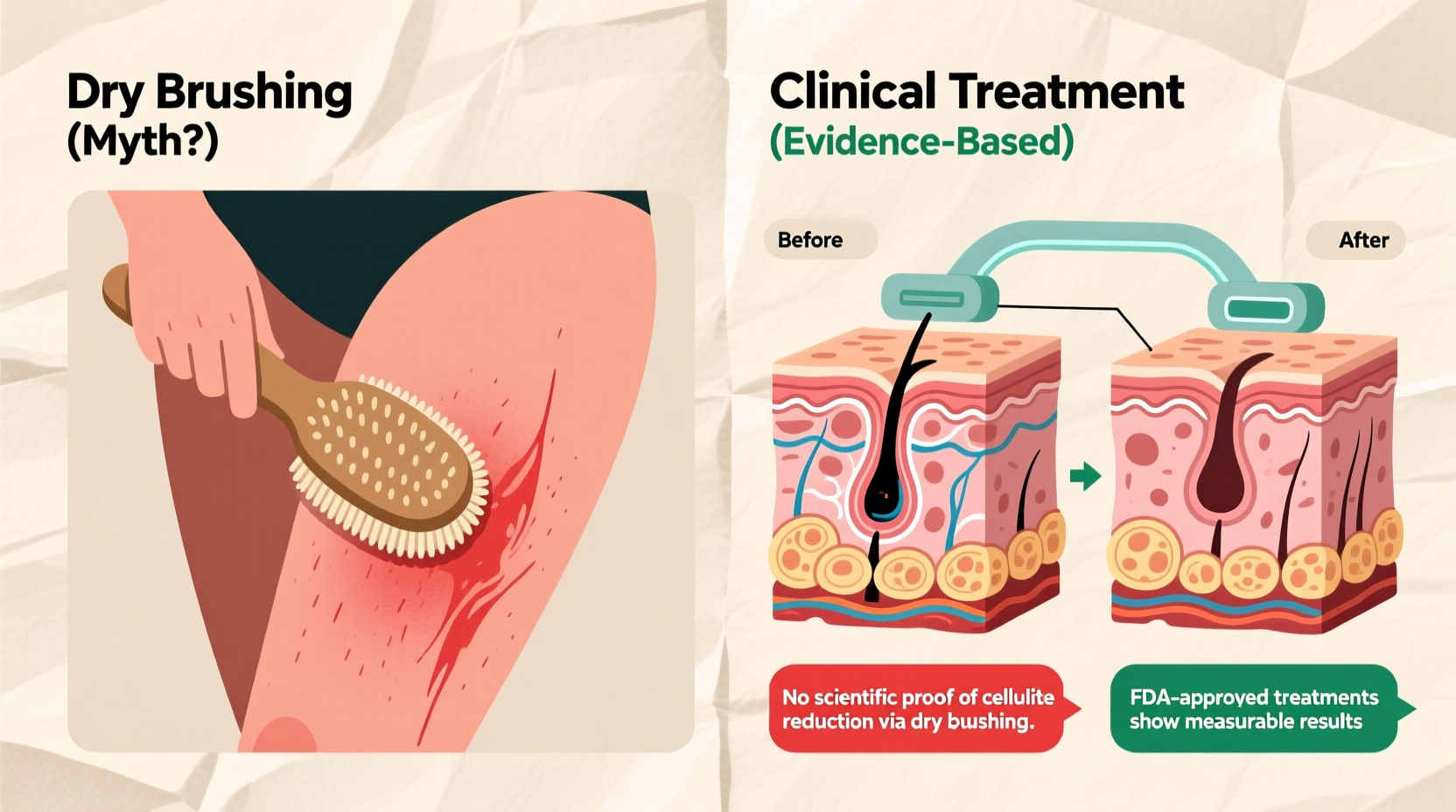
Cellulite affects up to 90% of women at some point in their lives, regardless of weight, fitness level, or diet. It appears as dimpled or lumpy skin, most commonly on the thighs, hips, buttocks, and sometimes the abdomen. Despite its prevalence, cellulite remains one of the most misunderstood skin conditions—and one of the most unfairly stigmatized.
At a structural level, cellulite occurs due to the way fat cells sit beneath the skin’s surface. In women, connective tissue bands (called septae) that anchor the skin to deeper tissues are arranged vertically. As fat cells push upward against these bands, they create a puckered effect, visible as dimpling. Hormonal factors, genetics, age-related collagen loss, and reduced circulation all contribute to its development.
Unlike general fat accumulation, cellulite isn’t simply a matter of excess weight. Even lean individuals can have noticeable cellulite because it’s more about skin structure than volume. This distinction is crucial when evaluating treatments—because if cellulite is rooted in anatomy and biology, temporary fixes like massage or exfoliation may offer only cosmetic relief.
How Dry Brushing Works: Mechanism and Claims
Dry brushing involves using a natural-bristle brush with firm but not abrasive bristles to gently stroke the skin in upward motions, typically starting from the feet and moving toward the heart. Advocates claim multiple benefits:
- Exfoliates dead skin cells
- Stimulates lymphatic drainage
- Boosts blood circulation
- Reduces fluid retention
- Improves skin texture and tone
- Minimizes the appearance of cellulite
The theory behind cellulite reduction centers on two key ideas: increased circulation and lymphatic stimulation. Proponents argue that enhanced blood flow delivers more oxygen and nutrients to skin tissue, potentially supporting collagen production. Meanwhile, stimulating the lymphatic system may help reduce swelling and trapped fluids that could accentuate dimpling.
Additionally, the mechanical action of brushing may temporarily plump and tighten the skin through mild inflammation and micro-trauma—similar to how facial gua sha creates a “lifted” look. However, these effects are generally short-lived.
“While dry brushing can improve skin texture and provide a temporary smoothing effect, there is no clinical evidence that it alters the underlying structure of cellulite.” — Dr. Lena Patel, Board-Certified Dermatologist
Evidence vs. Anecdote: What Does Science Say?
Despite widespread popularity, scientific research on dry brushing and cellulite is extremely limited. No peer-reviewed studies directly link dry brushing to long-term cellulite reduction. Most claims are based on theoretical mechanisms or subjective user experiences.
A 2018 review published in Clinical, Cosmetic and Investigational Dermatology examined non-invasive cellulite treatments and found that methods involving mechanical stimulation (like massage, endermologie, or radiofrequency) showed modest, temporary improvements—usually lasting days to weeks. However, dry brushing was not specifically studied, and results depended heavily on frequency, technique, and individual physiology.
One small pilot study observed that participants who performed daily dry brushing for four weeks reported softer skin and improved smoothness, but researchers noted these changes were likely due to exfoliation and hydration rather than structural fat reduction. The study concluded that perceived improvements might be psychological or visual—cleaner, smoother skin simply appears less dimpled under light.
In contrast, proven cellulite treatments such as FDA-cleared procedures (e.g., Cellfina, Qwo injections, or laser therapies) target the fibrous bands causing dimpling. These interventions have measurable outcomes supported by clinical trials, unlike dry brushing, which lacks standardized protocols or measurable biomarkers.
Tip: Pair dry brushing with moisturizing to enhance skin barrier function and maintain elasticity—this can amplify the appearance of smoothness.What Dry Brushing Can Actually Do (And What It Can’t)
It's important to separate realistic outcomes from marketing hype. Dry brushing offers several legitimate skincare benefits—but they don't include eliminating cellulite.
| Benefit | Supported By Evidence? | Notes |
|---|---|---|
| Exfoliation | Yes | Removes dead skin cells, improves texture and product absorption |
| Improved circulation | Partially | Short-term increase in blood flow; not sustained |
| Lymphatic stimulation | Theoretical | No direct proof; requires consistent, correct technique |
| Cellulite reduction | No | No structural change to fat or connective tissue |
| Enhanced skin tone | Subjective | May appear tighter due to temporary inflammation |
The truth is, dry brushing can make skin feel invigorated and look momentarily smoother—especially when followed by hydration. But expecting it to \"break down\" fat cells or restructure collagen networks is unrealistic. Cellulite is not a toxin buildup or poor hygiene issue; it’s a complex interplay of anatomy, hormones, and genetics.
Realistic Expectations: A Case Example
Consider Sarah, a 34-year-old fitness instructor who began dry brushing daily after seeing influencers praise its anti-cellulite effects. She committed to six weeks of consistent brushing—every morning before her shower, always using upward strokes and a high-quality boar-bristle brush. She also increased water intake and applied coconut oil post-shower.
After a month, Sarah noticed her legs felt smoother to the touch and looked slightly more even in photos. Her skin appeared healthier, likely due to better exfoliation and hydration. However, close-up side profile shots revealed no meaningful change in dimpling. When she paused the routine during vacation, the difference wasn’t missed—indicating the impact was subtle and transient.
Sarah concluded that dry brushing enhanced her self-care ritual and skin condition but didn’t deliver transformative results. “It made me feel more connected to my body,” she said, “but I stopped blaming myself for having cellulite once I learned it’s normal—even for athletes.”
Best Practices: How to Dry Brush Effectively (If You Choose To)
If you're interested in trying dry brushing—not as a miracle cure, but as part of a holistic skincare routine—here’s how to do it safely and effectively.
- Choose the right brush: Opt for a natural bristle brush with a long handle for hard-to-reach areas. Bristles should be firm but not scratchy.
- Brush on dry skin: Always perform dry brushing before showering, never on wet or damp skin.
- Start from the extremities: Begin at your feet and hands, brushing upward toward the heart to support circulation and lymph flow.
- Use gentle pressure: Avoid scrubbing harshly. The goal is stimulation, not redness or irritation.
- Focus on common areas: Thighs, buttocks, arms, and abdomen are typical targets—but avoid sensitive or broken skin.
- Shower afterward: Rinse off loosened skin cells and follow with moisturizer to lock in hydration.
- Clean your brush weekly: Wash with mild soap and let air dry to prevent bacterial buildup.
Dry Brushing Checklist
- ☑ Use a clean, dry brush with natural bristles
- ☑ Perform before showering on dry skin
- ☑ Apply light to moderate pressure
- ☑ Move in circular motions on joints, upward strokes elsewhere
- ☑ Focus on areas with rough or bumpy texture
- ☑ Moisturize thoroughly after rinsing
- ☑ Clean brush every 7–10 days
Frequently Asked Questions
Can dry brushing permanently reduce cellulite?
No. There is no scientific evidence that dry brushing leads to permanent cellulite reduction. Any visual improvement is typically temporary and due to exfoliation, increased blood flow, or skin plumping.
How long does it take to see results from dry brushing?
Some people notice smoother skin within a few days due to exfoliation. However, claims of visible cellulite reduction within two weeks are not backed by clinical data and likely reflect placebo or hydration effects.
Are there risks to dry brushing?
When done improperly, dry brushing can cause micro-tears, irritation, or infection—especially on sensitive or acne-prone skin. Avoid brushing over varicose veins, rashes, cuts, or sunburns. Those with eczema or rosacea should consult a dermatologist first.
Conclusion: Ritual Over Results
Dry brushing is not a myth—it offers real, albeit modest, benefits for skin health and sensory well-being. It exfoliates, invigorates, and can become a grounding part of a daily routine. For many, the act itself—taking time each morning to tune into the body—is more valuable than any physical outcome.
But when it comes to cellulite, expectations must be grounded in reality. Cellulite is not a flaw to be erased; it’s a normal variation in how skin interacts with fat and connective tissue. No brush, cream, or massage will reengineer human anatomy. Instead of chasing quick fixes, focus on sustainable habits: staying hydrated, maintaining muscle tone, protecting skin elasticity, and embracing body diversity.
If you enjoy dry brushing, continue—as long as it feels good and doesn’t irritate your skin. Just remember: smoother skin doesn’t require perfection, and self-care shouldn’t come with false promises.
💬 Have you tried dry brushing for cellulite? Did you notice a difference? Share your experience in the comments and help others navigate the line between wellness ritual and realistic results.








