As the demand for effective yet gentle skincare grows, many with sensitive skin are reevaluating their anti-aging routines. Retinol has long been hailed as the gold standard for reducing fine lines, improving texture, and boosting collagen. But its reputation for causing redness, dryness, and irritation makes it a risky choice for reactive complexions. Enter bakuchiol — a plant-based alternative gaining acclaim for delivering similar results without the harsh side effects. For those walking the tightrope between visible anti-aging benefits and skin comfort, understanding the differences between retinol and bakuchiol is essential.
Understanding Retinol: Power and Pitfalls
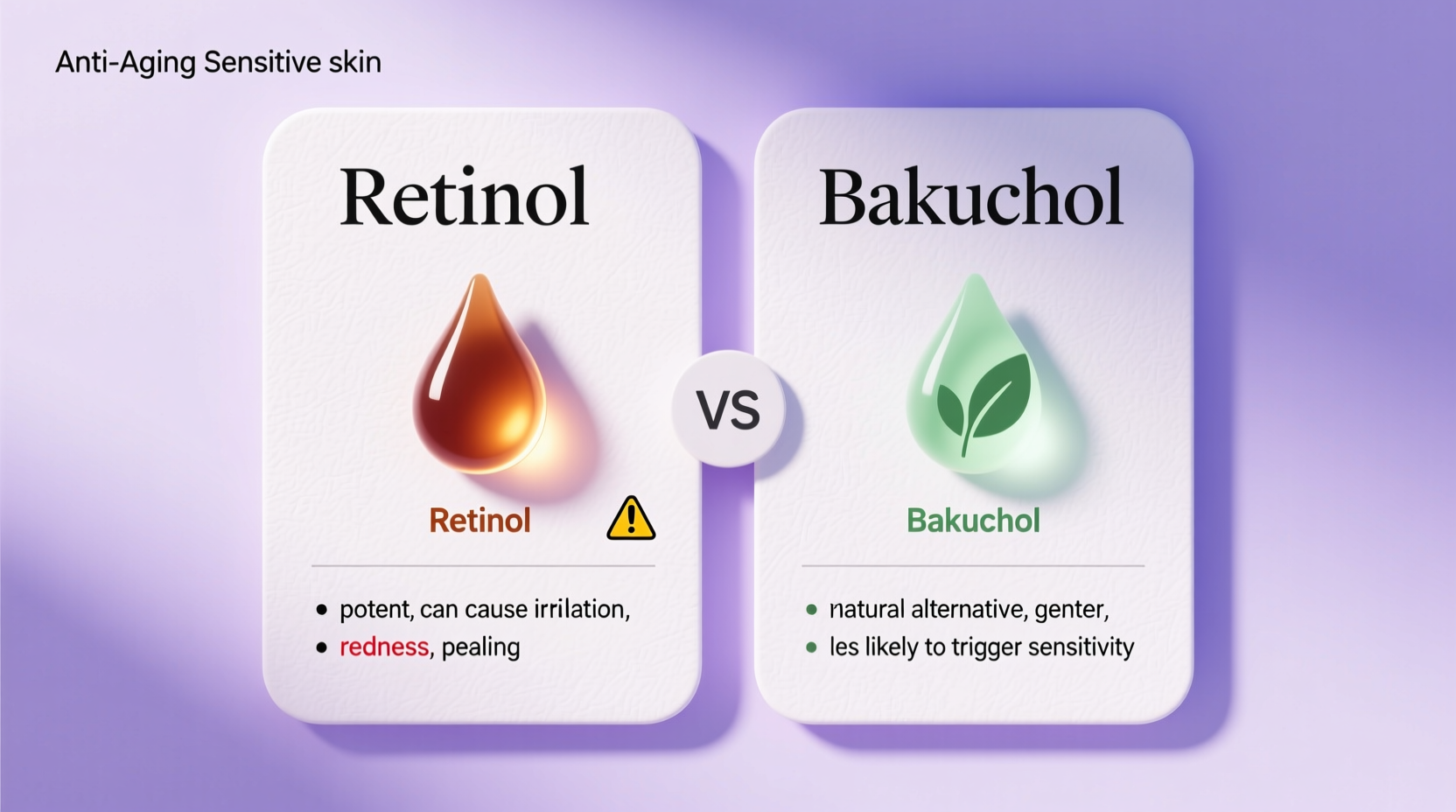
Retinol, a derivative of vitamin A, works by accelerating cell turnover and stimulating collagen production. It penetrates deep into the skin to unclog pores, fade hyperpigmentation, and smooth fine lines. Dermatologists often recommend it for its well-documented efficacy in reversing signs of photoaging.
However, its potency comes at a cost. Retinol can trigger inflammation, especially during the initial \"retinization\" phase, which may last several weeks. Common side effects include:
- Redness and stinging
- Peeling and flaking
- Tightness and dryness
- Increased sun sensitivity
- Breakouts or purging
For individuals with rosacea, eczema, or compromised skin barriers, retinol can exacerbate symptoms. Even those with mildly sensitive skin may find that daily use leads to chronic irritation, undermining long-term skin health.
“While retinol remains one of the most effective topical anti-aging ingredients, we must balance efficacy with tolerability—especially in patients with barrier dysfunction.” — Dr. Lena Torres, Board-Certified DermatologistTip: If using retinol, start with a low concentration (0.25%–0.3%) once or twice a week, and always apply on dry skin to reduce irritation.
Bakuchiol: The Natural Alternative with Science Behind It
Bakuchiol is derived from the seeds and leaves of the *Psoralea corylifolia* plant, traditionally used in Ayurvedic medicine. Unlike retinol, it’s not a vitamin A derivative, but studies show it activates similar cellular pathways—specifically retinoic acid receptors—that regulate skin renewal and collagen synthesis.
A landmark 2019 study published in the British Journal of Dermatology compared 0.5% bakuchiol to 0.5% retinol over 12 weeks. Both groups saw significant improvements in wrinkles, elasticity, and pigmentation—but the bakuchiol group reported far fewer adverse reactions.
What sets bakuchiol apart is its antioxidant and anti-inflammatory profile. It combats free radicals while calming existing irritation, making it uniquely suited for inflamed or reactive skin types.
Key Benefits of Bakuchiol:
- Improves skin firmness and texture
- Fades dark spots and evens tone
- Non-photosensitizing—safe for daytime use
- Compatible with pregnancy (unlike retinoids)
- Gentle enough for nightly use, even on compromised skin
Retinol vs Bakuchiol: A Direct Comparison
| Feature | Retinol | Bakuchiol |
|---|---|---|
| Source | Synthetic vitamin A derivative | Natural plant extract (*Psoralea corylifolia*) |
| Mechanism | Binds to retinoic acid receptors, increases cell turnover | Modulates same pathways with gentler activation |
| Anti-Aging Efficacy | High (clinically proven over decades) | High (supported by emerging clinical data) |
| Irritation Risk | High (especially during initial use) | Low (well-tolerated in sensitive skin studies) |
| Sun Sensitivity | Increases risk; requires strict SPF use | No increased photosensitivity |
| Pregnancy Safety | Not recommended | Generally considered safe |
| Time to See Results | 8–12 weeks (longer if used intermittently due to irritation) | 6–12 weeks with consistent use |
| Best For | Normal to oily, resilient skin types seeking maximum results | Sensitive, reactive, or barrier-compromised skin |
Step-by-Step Guide to Choosing the Right Serum
Selecting between retinol and bakuchiol shouldn’t be arbitrary. Follow this structured approach to make an informed decision based on your skin’s unique needs.
- Assess Your Skin Type and History
Identify whether you have a history of redness, stinging, or reactions to actives. If your skin flushes easily or becomes tight after cleansing, bakuchiol is likely the safer starting point. - Evaluate Your Current Routine
Are you already using exfoliants like AHAs or BHAs? Layering these with retinol increases irritation risk. Bakuchiol integrates more easily into multi-active regimens. - Define Your Goals
For deep wrinkle correction and acne control, retinol may offer stronger results over time. For mild-to-moderate aging signs with minimal disruption, bakuchiol provides a sustainable solution. - Test Tolerance Gradually
Introduce either ingredient slowly. Apply a pea-sized amount every other night for two weeks. Monitor for discomfort, scaling, or breakouts. - Adjust Based on Response
If irritation persists beyond three weeks despite buffering (e.g., applying over moisturizer), switch to bakuchiol or discontinue use.
Real-World Example: Managing Sensitive Skin After Hormonal Changes
Clara, a 42-year-old teacher from Portland, had used retinol successfully in her 30s. After childbirth and hormonal shifts, her skin became reactive—prone to flushing and tightness after using previously tolerated products. She reintroduced retinol at 0.3% strength but experienced persistent peeling around her nose and jawline.
Her dermatologist suggested switching to a 1% bakuchiol serum. Within four weeks of nightly use, Clara noticed improved radiance and reduced fine lines around her eyes—without any irritation. After three months, a follow-up skin analysis showed a 27% improvement in firmness and a noticeable reduction in UV-induced pigmentation.
“I didn’t think I could keep up anti-aging care without suffering,” she said. “Bakuchiol gave me my routine back—gently.”
When to Combine or Switch Ingredients
In some cases, alternating retinol and bakuchiol can provide balanced results. This strategy allows users to benefit from retinol’s potency while minimizing cumulative irritation.
Consider this weekly rotation for sensitive but resilient skin:
- Monday: Bakuchiol
- Wednesday: Retinol (low concentration)
- Friday: Bakuchiol
- Sunday: Bakuchiol or rest
This rhythm reduces exposure while maintaining consistent stimulation of collagen pathways. Always pair with a ceramide-rich moisturizer and broad-spectrum SPF 30+ during the day.
Checklist: Is Bakuchiol Right for You?
- ✅ Experience redness or stinging with traditional anti-aging serums
- ✅ Have a history of eczema, rosacea, or allergic contact dermatitis
- ✅ Want anti-aging benefits without disrupting your skin barrier
- ✅ Are pregnant or planning to become pregnant
- ✅ Prefer clean, plant-based skincare with clinical backing
Frequently Asked Questions
Can I use bakuchiol during the day?
Yes. Unlike retinol, bakuchiol does not increase photosensitivity. In fact, its antioxidant properties help protect against environmental damage. However, always follow with sunscreen for optimal anti-aging defense.
Is bakuchiol as effective as retinol?
Clinical evidence suggests comparable results in reducing wrinkles, hyperpigmentation, and improving elasticity over 10–12 weeks. While retinol may deliver slightly faster changes in highly resilient skin, bakuchiol offers similar long-term outcomes with greater tolerability.
Can I switch from retinol to bakuchiol without downtime?
Yes. Bakuchiol is non-irritating, so you can transition immediately. Simply discontinue retinol and begin using bakuchiol every other night, increasing frequency as desired. There is no withdrawal or adjustment period.
Final Recommendations for Sensitive Skin
The choice between retinol and bakuchiol ultimately hinges on individual tolerance and lifestyle needs. Retinol remains a powerful tool for those with resilient skin willing to manage its side effects. But for anyone prioritizing skin comfort, consistency, and barrier integrity, bakuchiol emerges as a compelling, science-backed alternative.
Modern skincare is shifting toward efficacy without compromise. With growing research supporting its performance and safety, bakuchiol isn't just a \"gentle substitute\"—it's a legitimate anti-aging ingredient in its own right.
“Patients don’t have to suffer through irritation to achieve younger-looking skin. Bakuchiol offers a viable, evidence-based path for those who’ve been excluded from retinoid therapy.” — Dr. Anika Patel, Cosmetic Dermatology Research Fellow
Take Action Today
Your skin deserves solutions that work without causing harm. Whether you're new to anti-aging serums or rebuilding your routine after irritation, consider trying a well-formulated bakuchiol product. Start with a patch test, introduce it gradually, and track your progress over six weeks. The goal isn’t just smoother skin—it’s healthier, more resilient skin that ages gracefully on its own terms.
💬 Have experience with retinol or bakuchiol? Share your story in the comments—your insight could help someone find their perfect match.








