
Burn scars can be both physically and emotionally challenging. Whether from a kitchen accident, sun exposure, or medical incident, the aftermath often includes discolored, tight, or uneven skin. While severe scarring may require clinical treatment, many people find meaningful improvement through natural, accessible methods. With consistency and proper care, it’s possible to soften scar tissue, improve skin tone, and encourage regeneration—without relying solely on synthetic treatments. This guide explores time-tested, evidence-informed approaches that support your skin’s healing journey.
Understanding Burn Scars and the Healing Process
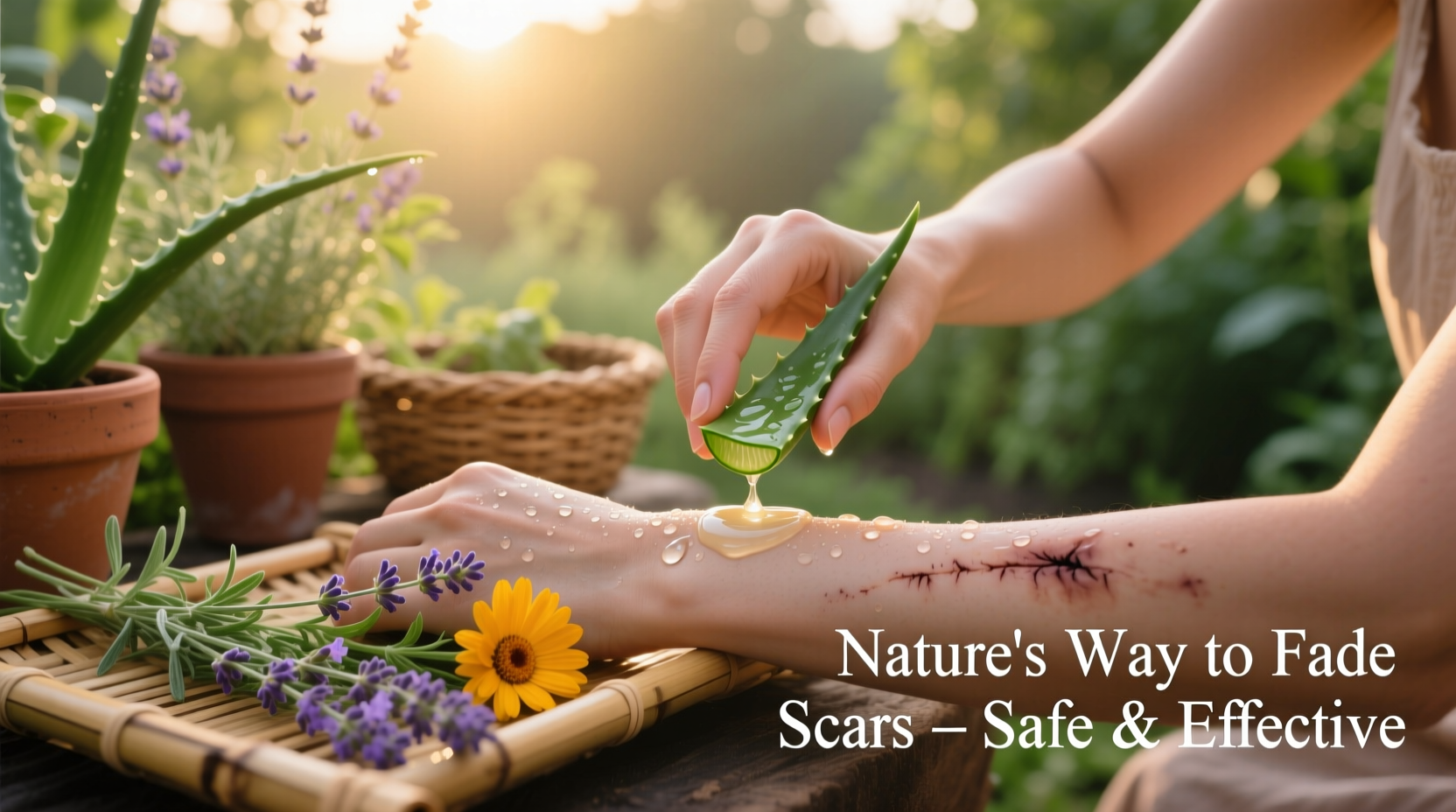
Burns are classified by degree: first-degree (superficial), second-degree (partial thickness), and third-degree (full thickness). Scarring typically occurs with second- and third-degree burns when deeper layers of skin are damaged. During healing, the body produces collagen to repair the wound, but this new tissue often lacks elasticity and pigmentation, leading to visible scarring.
The maturation of a scar can take up to 12–18 months. Initially, scars may appear red, raised, and sensitive. Over time, with proper care, they tend to flatten and lighten. Natural methods work best when started during the later stages of healing—once the wound is fully closed and no open tissue remains.
“While natural remedies won’t erase scars completely, they can significantly improve texture, tone, and flexibility when used consistently.” — Dr. Lena Patel, Dermatology Researcher, University of California
Natural Remedies Backed by Science and Tradition
Many plant-based ingredients have been studied for their ability to support skin repair. These remedies function by hydrating the skin, reducing inflammation, promoting cell turnover, and modulating collagen production.
- Aloe vera: Known for its soothing properties, aloe contains compounds like glycoproteins that accelerate wound healing and reduce redness. Apply pure aloe gel directly to the scar twice daily.
- Coconut oil: Rich in fatty acids, coconut oil deeply moisturizes and improves skin elasticity. Its lauric acid content also has mild anti-inflammatory effects.
- Shea butter: A powerful emollient, shea butter helps soften hardened scar tissue and supports dermal regeneration.
- Honey (especially raw Manuka): Exhibits antimicrobial and tissue-repairing properties. Use as a weekly mask for 20 minutes to nourish delicate scarred areas.
- Onion extract (allium cepa): Found in some over-the-counter scar gels, onion extract has been shown in studies to reduce scar height and redness.
Step-by-Step Guide to Daily Scar Care Routine
A structured routine maximizes results. Follow this timeline for optimal outcomes over 3–6 months:
- Week 1–4: Prepare the Skin
Ensure the wound is fully healed. Begin gentle massage with a light carrier oil (like jojoba or almond) for 2–3 minutes daily to increase blood flow. - Month 2: Introduce Active Ingredients
Incorporate aloe vera or diluted rosehip oil into your morning and evening regimen. Apply after cleansing and follow with sunscreen if exposed to daylight. - Month 3–4: Deep Hydration & Exfoliation
Add shea butter at night. Once weekly, use a soft washcloth to gently exfoliate around (not directly on fragile scars) to encourage cell turnover. - Month 5–6: Monitor Progress & Adjust
Take monthly photos under consistent lighting. If texture improves but discoloration persists, consider adding vitamin E or citrus-based serums (with caution—citrus can cause photosensitivity).
Do’s and Don’ts of Natural Scar Treatment
| Do’s | Don’ts |
|---|---|
| Massage scars gently in circular motions to break down fibrous tissue | Scratch or pick at scabs during initial healing |
| Protect scars from UV exposure with clothing or mineral sunscreen (SPF 30+) | Apply undiluted essential oils directly to scars |
| Stay hydrated and eat a nutrient-rich diet high in vitamins C and E | Expect overnight results—natural fading takes months |
| Use silicone sheets or gels in combination with natural oils for enhanced effect | Smoke, as it impairs circulation and delays healing |
Real Example: Maria’s Recovery Journey
Maria, a 34-year-old chef, suffered a second-degree burn on her forearm from hot oil. After initial medical care, she began a natural scar protocol two weeks post-healing. She applied aloe vera gel twice daily, followed by coconut oil at night. She massaged the area for three minutes each session and wore long sleeves to protect it from sun exposure. By month four, the once-raised, pink scar had flattened and faded to near-skin tone. “It’s not invisible,” she said, “but I barely notice it now unless I’m looking closely. The texture is soft, and I feel confident again.”
Support Healing from the Inside: Nutrition and Lifestyle
Skin regeneration begins internally. Nutrients play a critical role in collagen synthesis and inflammation control:
- Vitamin C: Essential for collagen formation. Found in citrus fruits, bell peppers, and broccoli.
- Zinc: Supports immune function and tissue repair. Sources include pumpkin seeds, lentils, and shellfish.
- Omega-3 fatty acids: Reduce inflammation and maintain skin barrier health. Found in flaxseeds, chia, and fatty fish.
- Water: Hydrated skin heals better. Aim for at least 2 liters daily.
Frequently Asked Questions
Can natural remedies remove burn scars completely?
Complete removal is unlikely, especially with deeper scars. However, natural methods can significantly reduce visibility by improving color, texture, and pliability. Results vary based on skin type, scar age, and consistency of care.
How long does it take to see results?
Most people notice subtle improvements within 6–8 weeks, but significant changes typically occur after 3–6 months of daily application and protection. Patience and consistency are key.
Is it safe to use lemon juice on burn scars?
No. Despite popular belief, lemon juice is highly acidic and can irritate sensitive scar tissue. It also increases photosensitivity, raising the risk of hyperpigmentation. Safer alternatives include rosehip oil or vitamin C serums formulated for sensitive skin.
Essential Checklist for Natural Scar Improvement
- Confirm the wound is fully healed with no open skin
- Patch-test all new products on unaffected skin
- Begin gentle massage to improve circulation
- Apply aloe vera or rosehip oil twice daily
- Moisturize with shea butter or coconut oil at night
- Protect the area from sun exposure with SPF 30+ or clothing
- Stay hydrated and eat antioxidant-rich foods
- Track progress monthly with photos
- Discontinue any product causing redness or itching
- Consult a dermatologist if the scar becomes painful, thickens, or restricts movement
Final Thoughts and Call to Action
Healing burn scars naturally is a journey that rewards patience and diligence. While these methods won’t offer instant fixes, they empower you to nurture your skin with gentleness and intention. The combination of topical care, nutritional support, and protective habits creates the ideal environment for renewal. Every small step you take contributes to reclaiming not just your skin’s appearance, but also your confidence.
💬 Have a natural remedy that worked for you? Share your experience in the comments—your story could inspire someone else on their healing path.








