
Skincare layering seems simple: cleanse, tone, treat, moisturize. But when your serums ball up into tiny white rolls or your face burns after applying a single drop of vitamin C, something’s wrong. Pilling and stinging aren’t inevitable—they���re signs of incorrect formulation pairing, poor application order, or incompatible ingredients. Getting the sequence right isn’t just about aesthetics; it impacts how well active ingredients penetrate and function. A flawed routine can render even high-end products ineffective—or worse, compromise your skin barrier.
The key lies in understanding not only the correct order but also the chemistry behind each product. Water-based formulas absorb before oil-based ones. Certain actives clash. Humectants need occlusion to lock in moisture. When you align your layers with these principles, your skin responds with clarity, hydration, and resilience—not flaking or redness.
Why Skincare Products Pill or Sting
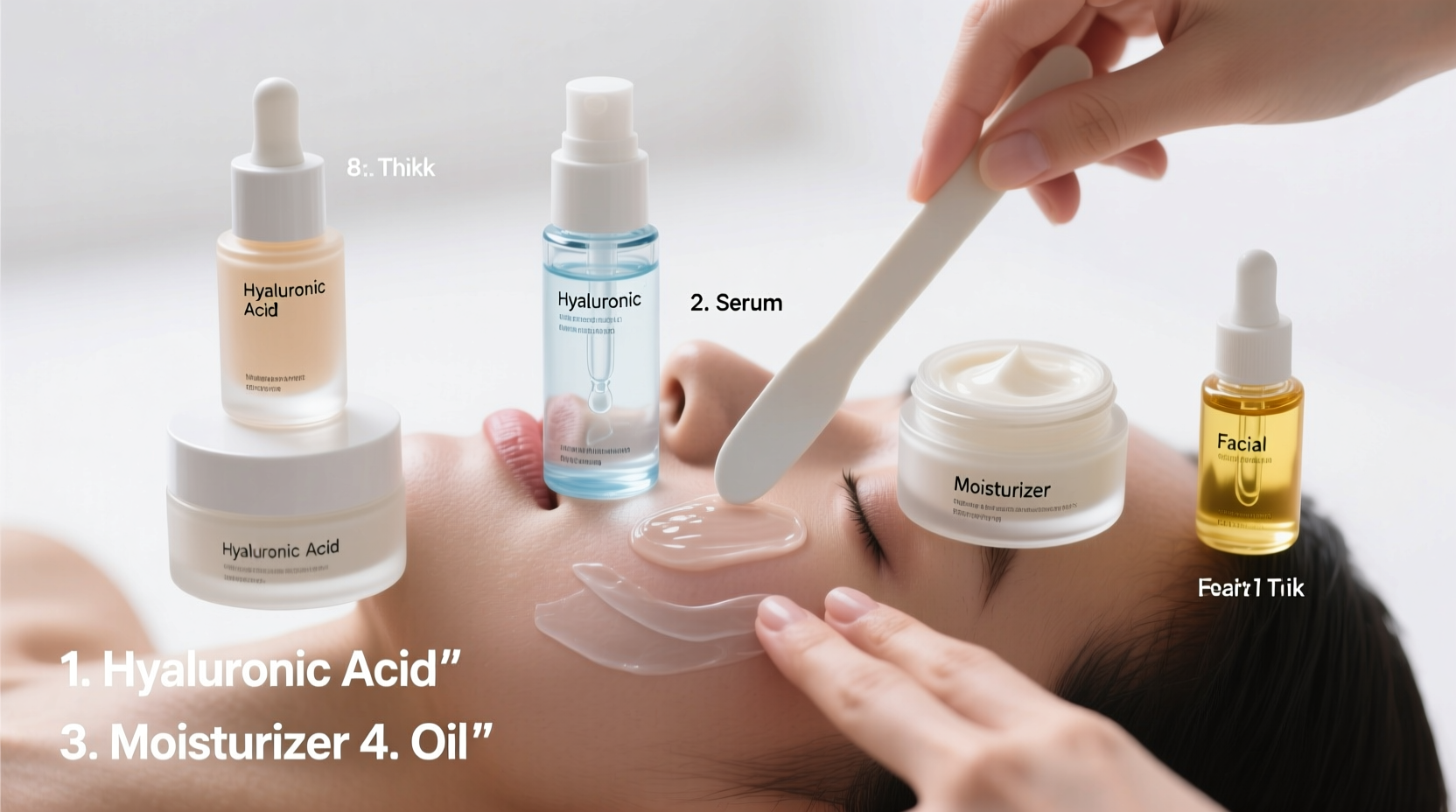
Pilling occurs when products don’t fully absorb and instead form small, rubbery balls on the skin’s surface. This is often caused by incompatible textures, excessive buildup, or ingredient conflicts—like silicones under water-based gels. Stinging, meanwhile, suggests irritation, sensitivity, or compromised barrier function. It can result from using too many exfoliants at once, pH mismatches, or applying potent actives over dry or damaged skin.
Common culprits include:
- Silicones (dimethicone, cyclopentasiloxane) – Can create a barrier that prevents subsequent water-based products from absorbing, leading to pilling.
- High concentrations of acids or retinoids – Especially when layered incorrectly, they can destabilize other formulations or irritate sensitive skin.
- Thick emollients applied too early – Oils and heavy creams block lighter treatments if used before serums.
- Drying alcohols (e.g., denatured alcohol) – Often found in toners and mattifying products, they can cause stinging when paired with actives like AHAs or vitamin C.
“Layering skincare is like building a house—you need a strong foundation first. Apply light, fast-absorbing products before heavier ones, or you’ll trap air and create resistance.” — Dr. Lena Park, Board-Certified Dermatologist
The Correct Order for Layering Skincare
The golden rule: go from thinnest to thickest consistency. This ensures optimal absorption and avoids creating a physical barrier that blocks penetration. Here’s the ideal sequence for both morning and evening routines:
- Cleanser
- Toner or essence
- Water-based serums (e.g., vitamin C, niacinamide, hyaluronic acid)
- Treatment actives (e.g., retinoids, exfoliating acids)
- Moisturizer
- Sunscreen (AM only)
Wait times matter. Allow 30–60 seconds between layers, especially after applying acidic or active-heavy products. This lets the pH stabilize and prevents premature neutralization of ingredients. For example, applying a moisturizer immediately after a glycolic acid serum may dilute its effect.
Tip: Perform a “dab test” on your wrist before full-face application. If a product pills there, it will likely pill on your face.Ingredient Pairings That Work (and Those That Don’t)
Not all powerful ingredients play well together. Some combinations reduce efficacy; others trigger irritation. Understanding compatibility helps avoid stinging and maximize results.
| Safe Combinations | Risky Combinations |
|---|---|
| Vitamin C + Hyaluronic Acid – Enhances hydration and antioxidant protection. | Vitamin C + Niacinamide (high concentrations) – May cause flushing or irritation in sensitive skin. |
| Niacinamide + Peptides – Supports barrier repair and reduces inflammation. | Retinoids + AHAs/BHAs – Increases risk of over-exfoliation and barrier damage. |
| Hyaluronic Acid + Ceramides – Locks in moisture while reinforcing the lipid barrier. | Benzoyl Peroxide + Retinol – Inactivates retinol and causes extreme dryness. |
| Antioxidants + Sunscreen – Boosts UV protection and stabilizes filters. | Physical sunscreen + Silicone-heavy primer – Causes pilling due to texture conflict. |
If you must use potentially conflicting ingredients, separate them by time of day. For instance, use vitamin C in the morning and retinol at night. Or alternate nights—retinol one evening, AHA the next.
Step-by-Step Guide to a Non-Pilling, Non-Stinging Routine
Follow this timeline to build a safe, effective layering system tailored to your skin type.
- Double Cleanse (PM only) – Start with an oil-based cleanser to remove makeup and SPF, followed by a water-based one to clear residue. Pat skin dry—never rub.
- Apply Toner or Essence – Use a cotton pad or hands to press liquid into skin. Look for hydrating, non-alcoholic formulas.
- Layer Water-Based Serums – Begin with the lowest pH product (e.g., vitamin C), wait 60 seconds, then apply others like niacinamide or hyaluronic acid.
- Introduce Treatment Actives – Apply retinoids or chemical exfoliants sparingly. Avoid mixing unless formulated together. Wait 5 minutes before proceeding.
- Seal with Moisturizer – Choose a cream or lotion based on your climate and skin needs. Occlusive agents like shea butter help lock in earlier layers.
- Finish with Sunscreen (AM) – Use at least SPF 30. Apply generously and allow 10 minutes to set before makeup.
For sensitive skin, consider the “sandwich method”: apply a thin layer of moisturizer, then your active (e.g., retinol), then another layer of moisturizer. This buffers the ingredient and reduces irritation.
Real Example: Fixing a Problematic Routine
Sophia, 29, had been struggling with daily pilling around her nose and jawline. Her routine included a silicone-based primer, followed by a gel moisturizer and mineral sunscreen. She also used a glycolic acid toner nightly. Despite expensive products, her skin felt tight and occasionally burned.
After evaluation, two issues were identified:
- She applied her glycolic acid toner, waited only 10 seconds, then used a thick ceramide cream—locking acid against her skin and causing micro-irritation.
- Her morning routine placed a silicone-heavy primer directly under a water-based sunscreen, creating texture conflict and pilling.
The fix:
- She began waiting 60 seconds after her toner before moisturizing.
- Switched to a water-based, silicone-free primer in the morning.
- Added a hydrating mist between toner and serum to soothe and prep.
Within a week, pilling stopped and stinging subsided. Her skin appeared smoother and retained moisture better throughout the day.
Checklist: Build a Smoother, Safer Layering Routine
Your Layering Success Checklist:- ✅ Cleanse gently without stripping natural oils
- ✅ Apply products from thinnest to thickest
- ✅ Wait 30–60 seconds between layers (longer for actives)
- ✅ Avoid mixing incompatible ingredients (e.g., retinol + AHA)
- ✅ Use a patch test before introducing new products
- ✅ Opt for low-pH toners when using vitamin C or acids
- ✅ Skip fragranced or alcohol-heavy products if skin stings
- ✅ Store actives properly (cool, dark place) to maintain stability
Frequently Asked Questions
Can I use multiple serums at once?
Yes, but limit to 2–3 and follow consistency order. For example: hyaluronic acid (light) → niacinamide (medium) → peptide serum (slightly thicker). Always allow each to absorb before adding the next.
Why does my sunscreen pill under makeup?
This often happens when sunscreen contains silicones or wax and is followed by a silicone-based primer or foundation. Try a matte, lightweight sunscreen labeled “non-pilling,” or let your sunscreen set for 10 minutes before applying makeup.
Is it normal for vitamin C to tingle slightly?
A mild warming sensation can occur with L-ascorbic acid due to its low pH, but persistent stinging is not normal. If burning continues, your concentration may be too high (start with 10%), or your skin barrier is compromised. Pair with a soothing moisturizer or switch to a gentler derivative like magnesium ascorbyl phosphate.
Final Tips to Prevent Product Conflict
Even with perfect order, external factors can sabotage your routine. Humidity affects drying time. Hard water can alter pH. Overloading the skin with too many products—even compatible ones—leads to congestion and pilling.
Tip: Simplify your routine during seasonal transitions. Fewer products mean fewer interactions and easier diagnosis if irritation occurs.When introducing a new active, do so one at a time. This makes it easier to identify what causes stinging or pilling. Also, pay attention to expiration dates—oxidized vitamin C turns brown and becomes irritating. Store such products in opaque, air-tight containers away from sunlight.
Conclusion: Master Your Routine, Transform Your Skin
Layering skincare correctly isn’t about following trends—it’s about respecting the biology of your skin and the chemistry of your products. When you eliminate pilling and prevent stinging, you’re not just improving comfort; you’re ensuring every ingredient performs at its best. Absorption improves, irritation drops, and results become visible.
Start today: audit your current routine. Are you applying oils before water-based serums? Mixing exfoliants unknowingly? Take the time to reorganize, observe, and adjust. Small changes yield dramatic improvements. Your skin doesn’t need more products—it needs better sequencing.
💬 Have a layering hack that stopped pilling or soothed stinging? Share your experience in the comments and help others build smarter, calmer routines.








