There’s a persistent question that circulates in both medical circles and everyday conversation: does obesity affect penis size? While the penis itself doesn’t shrink due to fat, excess body weight—particularly around the abdomen—can significantly alter both the appearance and function of male genitalia. This article examines the physiological, psychological, and sexual health implications of obesity on perceived and actual penile dimensions, backed by clinical research and expert insights.
The Science Behind Abdominal Fat and Genital Appearance
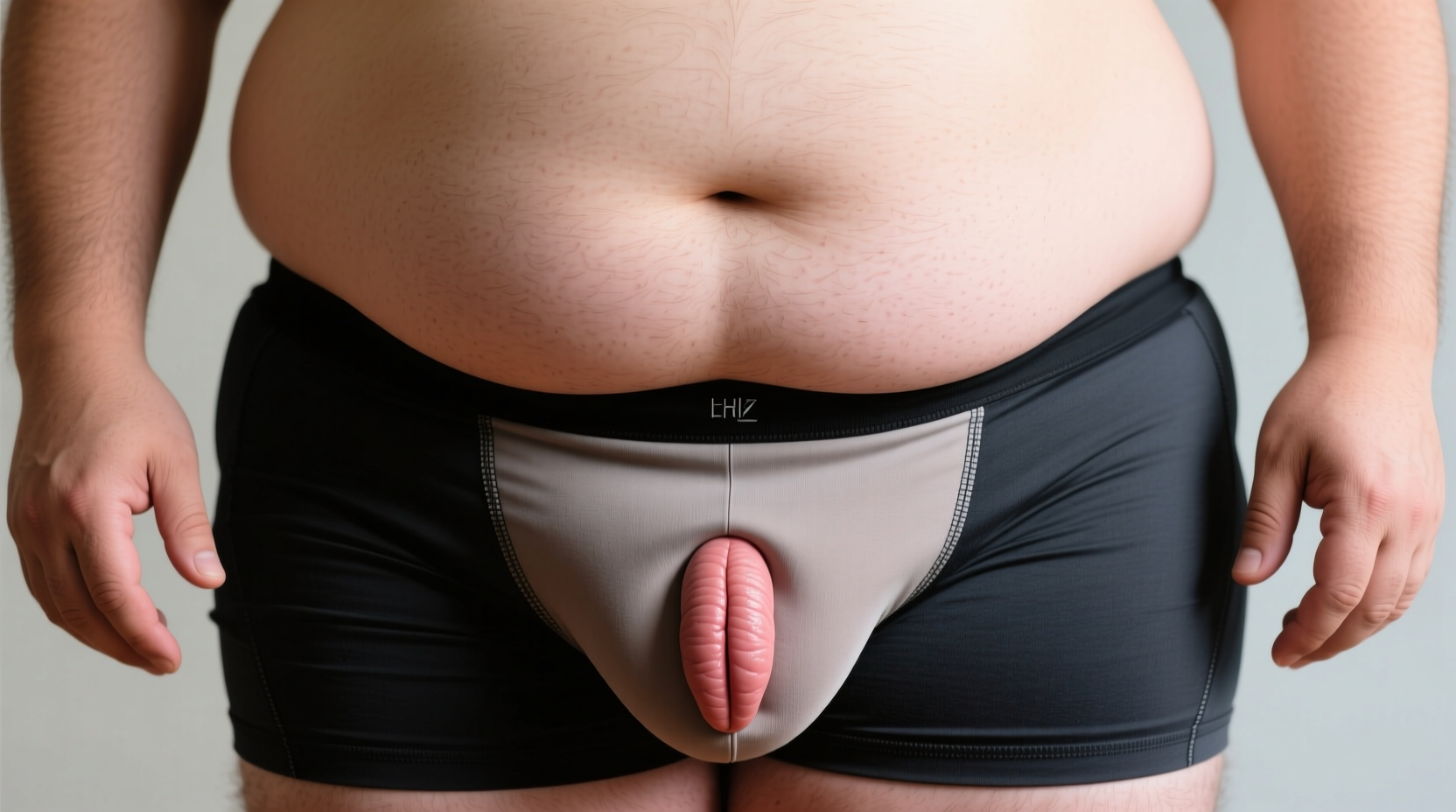
When a man gains weight, especially visceral and subcutaneous fat around the lower abdomen, the base of the penis can become buried under layers of tissue. The penis is anchored internally to the pubic bone by suspensory ligaments. As belly fat accumulates, it pushes the surrounding skin and tissue downward, effectively “hiding” part of the shaft. This phenomenon is commonly referred to as a \"buried\" or \"concealed\" penis.
A 2015 study published in *The Journal of Sexual Medicine* found that for every 30 pounds (approximately 14 kg) of excess weight, the apparent length of the penis can decrease by nearly one inch. This isn't due to shrinkage of the organ but rather its retraction beneath adipose tissue. Men with significant abdominal obesity may lose up to 3–4 inches of visible length, even though the internal erectile structures remain intact.
Tip: Losing just 5–10% of body weight can lead to noticeable improvements in genital visibility and overall sexual confidence.Physiological Impact on Erectile Function and Blood Flow
Beyond appearance, obesity directly affects erectile health. Excess fat, particularly visceral fat, is metabolically active and contributes to systemic inflammation, insulin resistance, and hormonal imbalances—all of which impair vascular function. Since erections depend on healthy blood flow to the corpora cavernosa, any disruption in circulation can reduce erection quality, firmness, and duration.
Obesity is strongly linked to lower testosterone levels. A meta-analysis in *Obesity Reviews* concluded that men with a BMI over 30 have, on average, 10–20% lower total testosterone than their leaner counterparts. Low testosterone can lead to reduced libido, fatigue, and diminished erectile performance, indirectly affecting sexual satisfaction and self-image.
“Weight gain doesn’t change the intrinsic size of the penis, but it compromises both its visibility and functionality. Addressing obesity often leads to marked improvements in sexual health.” — Dr. James Liu, Urologist and Men's Health Specialist
Psychological Effects and Body Image Concerns
The psychological toll of obesity-related changes in genital appearance can be profound. Many men report feeling self-conscious during intimacy, fearing judgment from partners or believing they are less sexually attractive. This anxiety can create a feedback loop: low confidence leads to avoidance of sexual activity, which reinforces negative self-perception.
Studies show that men who perceive their penis size as below average—regardless of actual measurements—are more likely to experience depression, social withdrawal, and sexual dysfunction. When obesity exacerbates these concerns by reducing visible length, the emotional impact intensifies. Counseling and cognitive behavioral therapy (CBT) have been shown to help men reframe distorted body image perceptions and improve sexual well-being.
Weight Loss and Reversibility: What Research Shows
The good news is that many of the effects of obesity on penis appearance and function are reversible. Weight loss through diet, exercise, or medical intervention can restore visibility and enhance sexual performance. Bariatric surgery patients, for example, often report improved genital exposure and sexual satisfaction post-surgery, even before major weight stabilization.
In a longitudinal study tracking 120 obese men undergoing lifestyle modification programs, researchers observed an average gain of 1.3 inches in stretched penile length after losing 25–30 pounds over six months. Participants also reported higher libido, better erectile function, and increased relationship satisfaction.
Step-by-Step Guide to Improving Genital Visibility and Sexual Health
- Assess your BMI and waist circumference. A waist measurement over 40 inches (102 cm) indicates high visceral fat risk.
- Set a realistic weight loss goal. Aim for 5–10% of current body weight in the first 3–6 months.
- Adopt a balanced, calorie-controlled diet. Focus on whole grains, lean proteins, vegetables, and healthy fats.
- Incorporate aerobic and resistance training. At least 150 minutes of moderate-intensity exercise per week.
- Monitor progress with non-scale indicators. Track waist reduction and clothing fit, not just weight.
- Consult a healthcare provider. Rule out hormonal imbalances or underlying conditions affecting metabolism.
- Consider pelvic floor exercises. Kegels can improve erectile control and ejaculatory function.
Do’s and Don’ts: Managing Obesity-Related Sexual Health Issues
| Do’s | Don’ts |
|---|---|
| Seek professional guidance from a urologist or endocrinologist | Compare yourself to unrealistic standards from pornography |
| Focus on overall health, not just genital appearance | Rely on unproven “penis enlargement” supplements or devices |
| Engage in open communication with your partner about concerns | Ignore symptoms like low energy, low libido, or erectile difficulties |
| Track progress with photos or measurements (if comfortable) | Expect immediate results—changes take time and consistency |
Real-Life Example: Mark’s Journey
Mark, a 42-year-old office worker, struggled with obesity for over a decade. At his heaviest—298 pounds with a 44-inch waist—he noticed his penis seemed much smaller during showers and intimacy. He avoided swimming and physical closeness with his wife, citing discomfort and embarrassment. After consulting his doctor, he began a structured weight loss program combining portion control, daily walking, and strength training.
Over ten months, Mark lost 62 pounds and reduced his waist to 37 inches. Alongside improved blood pressure and energy levels, he noticed a dramatic difference in genital visibility. “It’s like I got part of myself back,” he said. His wife confirmed improved sexual frequency and satisfaction. While no surgical or cosmetic procedures were involved, the change in confidence was transformative.
Frequently Asked Questions
Can losing weight make my penis physically larger?
No, weight loss doesn’t increase the biological size of the penis. However, it can uncover hidden portions of the shaft that were concealed by abdominal fat, leading to greater visible length and girth. Most men regain 1–3 inches of apparent length with significant fat reduction.
Are there surgeries to correct a buried penis caused by obesity?
Yes, surgical options like lipectomy (removal of fat) or penile release procedures exist, typically for severe cases. However, doctors usually recommend substantial weight loss first, as surgery carries risks and recurrence is possible without sustained lifestyle changes.
Does obesity affect fertility as well as penis appearance?
Yes. Obesity is linked to lower sperm count, reduced motility, and increased DNA fragmentation in sperm. Hormonal imbalances, scrotal heat from fat deposits, and oxidative stress all contribute. Improving body composition can enhance both fertility and sexual function.
Conclusion: Taking Action for Long-Term Health
The connection between obesity and penis size is less about anatomy and more about visibility, function, and self-perception. While extra weight doesn’t shrink the penis, it can hide it, impair performance, and damage confidence. The solution lies not in quick fixes but in sustainable health practices—balanced nutrition, regular movement, and medical support when needed.
Every step toward a healthier weight is also a step toward reclaiming sexual wellness and personal confidence. Whether you're motivated by intimacy, fertility, or overall vitality, the benefits of addressing obesity extend far beyond the bedroom.
💬 Your journey matters. Share your experiences or questions in the comments—your story could inspire someone else to take their first step toward better health.








