In recent years, mouth taping has emerged from obscurity to become a trending sleep hack touted by biohackers, wellness influencers, and even some medical professionals. The concept is simple: place a small strip of porous tape over your lips before bed to encourage nasal breathing throughout the night. Advocates claim it can reduce snoring, improve sleep quality, and even enhance skin health. But with such a counterintuitive act—sealing your mouth shut while unconscious—many are left wondering: is this a safe innovation or a risky fad?
The truth lies somewhere in between. While mouth taping isn’t for everyone, there’s growing evidence that nasal breathing during sleep offers significant physiological advantages. However, without proper understanding or precautions, the practice can be ineffective at best and harmful at worst. This article examines the science behind mouth taping, evaluates its potential benefits and dangers, and provides practical guidance for those considering trying it.
The Science Behind Nasal Breathing During Sleep
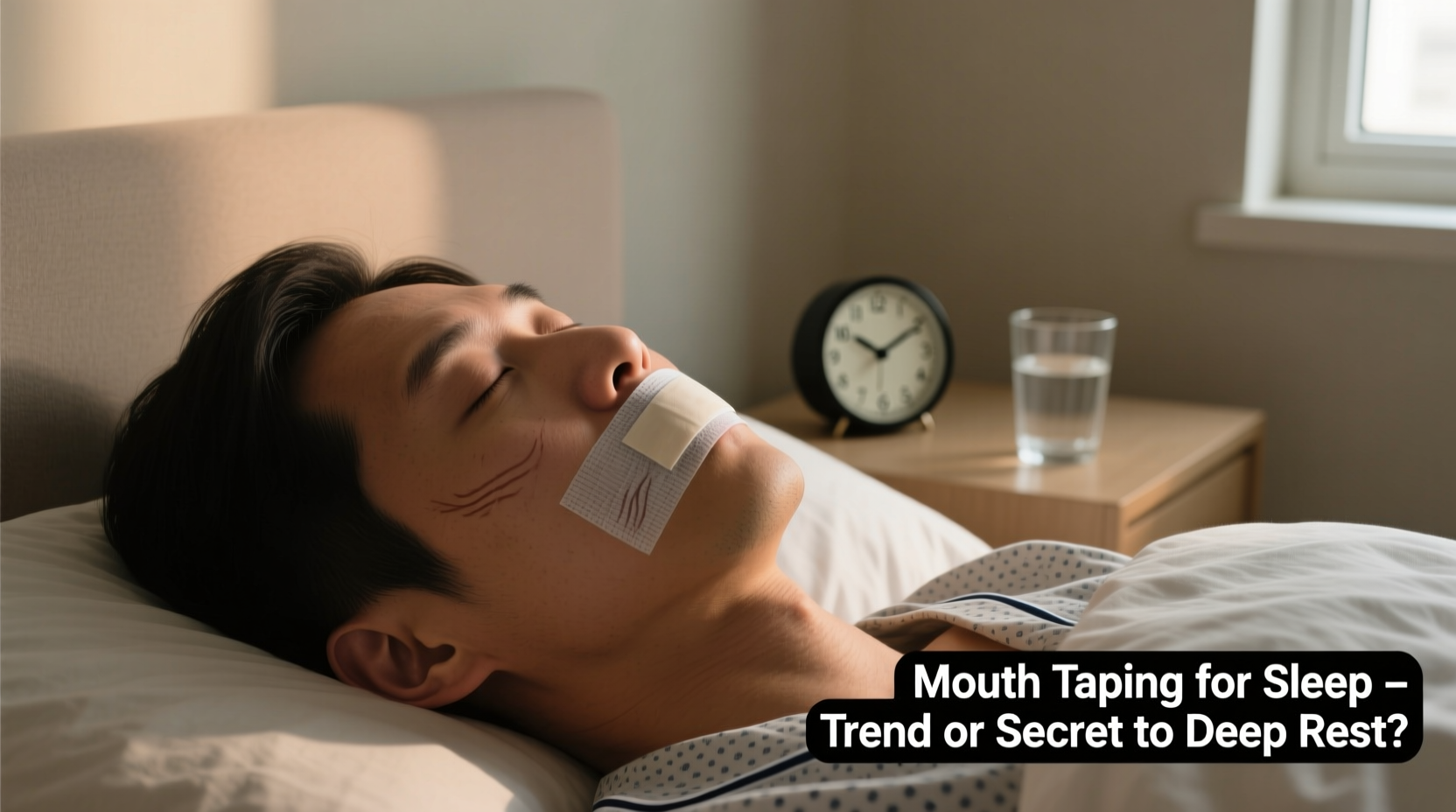
Nasal breathing isn’t just a preference—it plays a critical role in respiratory efficiency, oxygen uptake, and overall sleep architecture. When you breathe through your nose, air is filtered, warmed, and humidified before reaching the lungs. More importantly, nasal passages produce nitric oxide, a molecule that enhances oxygen absorption in the blood and supports cardiovascular function.
Dr. Steven Park, an ear, nose, and throat specialist and sleep apnea expert, explains:
“Nasal breathing increases resistance in the airway, which helps maintain optimal lung volume and improves oxygen exchange. It also stimulates the parasympathetic nervous system, promoting relaxation and deeper sleep.” — Dr. Steven Park, ENT & Sleep Specialist
In contrast, chronic mouth breathing—especially during sleep—can lead to dry mouth, bad breath, increased risk of upper respiratory infections, and even facial structural changes over time. It’s often a sign of underlying issues like nasal congestion, deviated septum, or sleep-disordered breathing.
Mouth taping aims to retrain individuals to breathe through their nose, particularly when habitual mouth breathing has developed. By gently encouraging nasal airflow, proponents believe it can improve sleep quality, reduce snoring, and support better daytime energy.
Potential Benefits of Mouth Taping
While research on mouth taping specifically is limited, studies on nasal breathing offer compelling insights into its possible advantages:
- Improved Oxygen Saturation: Nasal breathing increases oxygen delivery to tissues due to nitric oxide production and optimized airflow dynamics.
- Reduced Snoring: Keeping the mouth closed may prevent the soft palate from vibrating excessively, a common cause of snoring.
- Better Hydration: Nasal breathing prevents dry mouth and throat, reducing nighttime awakenings due to thirst.
- Enhanced Sleep Quality: Deeper, more regulated breathing patterns support longer periods in restorative REM and slow-wave sleep.
- Dental and Facial Health: Chronic mouth breathing in children and adults has been linked to malocclusion, gum disease, and altered facial development.
Risks and Who Should Avoid Mouth Taping
Despite its popularity, mouth taping is not universally safe. For individuals with certain medical conditions, attempting to restrict oral breathing can be dangerous.
Those who should avoid mouth taping include:
- People diagnosed with obstructive sleep apnea (OSA), especially moderate to severe cases.
- Individuals with chronic nasal obstructions due to allergies, polyps, or structural abnormalities.
- Anyone with respiratory conditions like asthma or COPD.
- Children under 18, unless under medical supervision.
- Those with anxiety disorders or claustrophobia related to restricted breathing.
Using tape without addressing underlying airway issues could worsen hypoxia (low oxygen levels) or disrupt sleep further. In extreme cases, it may contribute to panic attacks or breathing emergencies during sleep.
Moreover, improper tape choice can damage sensitive lip skin or cause irritation. Dermatologists warn against using non-porous or overly adhesive tapes, especially for long-term nightly use.
Case Study: Sarah’s Experience with Mouth Taping
Sarah, a 34-year-old graphic designer, struggled with persistent fatigue and morning headaches. Her partner complained about her loud snoring, though she didn’t wake up gasping. After reading about mouth taping online, she decided to try it using a specialized micropore tape designed for sensitive skin.
Her first few nights were uncomfortable—she woke up twice with the tape half-off and mild anxiety. But after consulting an ENT specialist and treating her seasonal allergies, she found nasal breathing became easier. Within three weeks, she reported fewer awakenings, reduced snoring, and improved focus during the day.
Crucially, Sarah did not have sleep apnea. A home sleep test confirmed mild snoring without oxygen desaturation. Her success highlights the importance of screening and preparation before adopting the practice.
How to Try Mouth Taping Safely: A Step-by-Step Guide
If you're considering mouth taping, follow this responsible approach to minimize risks and maximize effectiveness.
- Evaluate Your Breathing: During the day, observe whether you naturally breathe through your nose. If you frequently mouth-breathe, investigate potential causes like allergies or congestion.
- Consult a Healthcare Provider: Especially if you suspect sleep apnea, snore loudly, or have heart/lung conditions. A sleep study may be necessary.
- Choose the Right Tape: Use hypoallergenic, porous tape such as 3M Micropore or specialized products like MyoTape. Avoid duct tape or strong adhesives.
- Start Slowly: Begin by wearing the tape while relaxing on the couch or during a nap. Gradually work up to full nights.
- Monitor Symptoms: Discontinue immediately if you experience dizziness, chest tightness, excessive dreaming of suffocation, or frequent awakenings.
- Combine with Other Habits: Elevate your head slightly, practice diaphragmatic breathing, and maintain nasal hygiene with saline sprays.
Do’s and Don’ts of Mouth Taping
| Do’s | Don’ts |
|---|---|
| Use breathable, medical-grade tape | Use duct tape, electrical tape, or non-porous materials |
| Test nasal patency before bedtime (try breathing with one nostril blocked) | Ignore chronic nasal congestion or sinus issues |
| Begin with short durations | Jump straight into full-night taping |
| Remove tape immediately if discomfort occurs | Force yourself to continue if anxious or struggling to breathe |
| Pair with allergy management or nasal dilators if needed | Use as a substitute for CPAP therapy in diagnosed sleep apnea |
Frequently Asked Questions
Can mouth taping cure sleep apnea?
No. Mouth taping is not a treatment for obstructive sleep apnea (OSA). In fact, it can be dangerous for people with OSA because it may restrict emergency mouth breathing when the airway collapses. Continuous Positive Airway Pressure (CPAP) remains the gold standard treatment. Always seek diagnosis and treatment from a sleep specialist.
Is mouth taping safe for everyone?
No. While generally low-risk for healthy individuals with clear nasal passages, it is unsafe for people with untreated sleep apnea, chronic nasal obstruction, respiratory diseases, or anxiety around breathing. Children should not use it without medical oversight.
What kind of tape should I use?
Opt for gentle, breathable tapes like 3M Micropore, paper surgical tape, or specialty products designed for mouth taping (e.g., MyoTape). These allow some airflow even if sealed and are less likely to irritate the skin. Avoid strong adhesives that can tear delicate lip tissue.
Expert Insight: When Mouth Taping Makes Sense
Dr. Michael Breus, a clinical psychologist and board-certified sleep specialist, offers a balanced perspective:
“Mouth taping can be a useful behavioral tool for people who are otherwise healthy but habitually breathe through their mouth at night. Think of it like orthotics for your feet—it doesn’t fix structural problems, but it supports better function. But it’s not a standalone solution. You still need to address why you’re mouth-breathing in the first place.” — Dr. Michael Breus, “The Sleep Doctor”
This reinforces the idea that mouth taping should be part of a broader strategy focused on airway health, rather than a quick fix.
Final Checklist Before Trying Mouth Taping
Before applying tape tonight, go through this checklist to ensure safety and readiness:
- ✅ I can breathe easily through my nose right now.
- ✅ I do not have diagnosed sleep apnea or suspect I might.
- ✅ I’ve consulted a doctor if I have any respiratory or cardiac conditions.
- ✅ I’m using a safe, porous tape designed for skin contact.
- ✅ I’ve tested it during waking hours or a nap first.
- ✅ I know how to remove the tape quickly if needed.
- ✅ I’m not forcing it—if it feels wrong, I’ll stop.
Conclusion: A Tool, Not a Miracle
Mouth taping isn’t inherently dangerous—but it’s also not a magic solution. For the right person, it can reinforce healthier breathing habits and lead to more restful sleep. For others, especially those with undiagnosed sleep disorders, it could mask serious issues or create new risks.
The key is intentionality. Approach mouth taping not as a viral trend to mimic, but as a potential component of a personalized sleep optimization plan. Prioritize nasal health, rule out medical concerns, and listen closely to your body’s feedback.
💬 Have you tried mouth taping? What worked—or didn’t work—for you? Share your experience in the comments to help others navigate this evolving sleep practice responsibly.








