In recent years, the line between athletic apparel and everyday fashion has blurred significantly. Leggings, sports bras, track jackets, and performance sneakers are now common sights not just in gyms, but on city sidewalks, in coffee shops, at airports, and even in office environments. This shift raises a pertinent question: Is it socially acceptable—and stylish—to wear workout clothes in public? The answer isn't a simple yes or no. It depends on context, presentation, cultural norms, and evolving fashion standards.
The rise of athleisure—a blend of athleticism and leisurewear—has redefined what's considered appropriate outside fitness settings. Yet, while leggings with pockets may be functional and comfortable, showing up to a job interview in moisture-wicking fabric might send the wrong message. Understanding the nuances of fashion etiquette when wearing workout attire in public is essential for balancing comfort, confidence, and social perception.
The Evolution of Activewear in Everyday Life
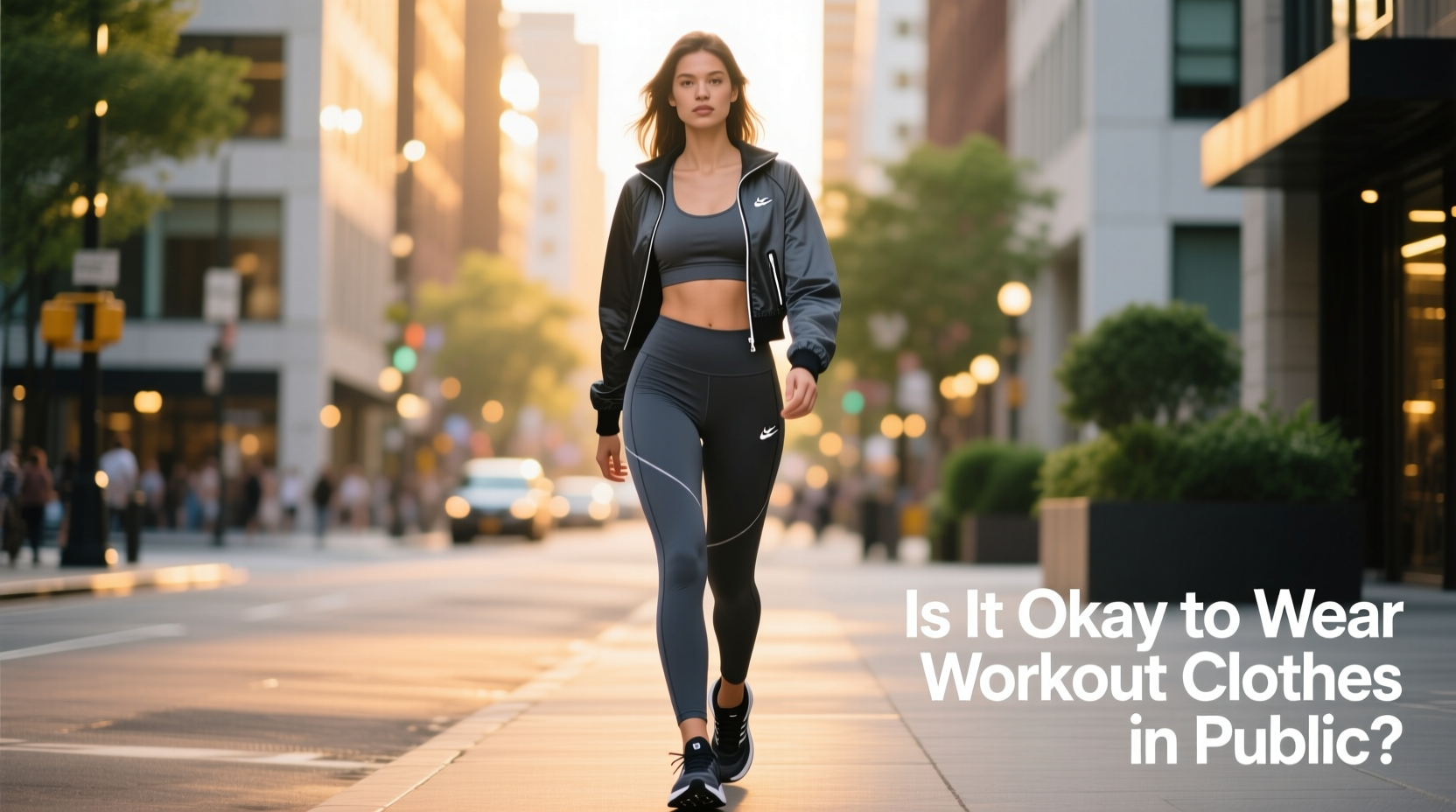
Activewear was once strictly confined to gyms and sports fields. But over the past two decades, brands like Lululemon, Athleta, Nike, and Adidas have transformed functional gear into high-fashion statements. What began as yoga pants worn post-workout to run errands has evolved into full-blown lifestyle branding. Today, people wear technical fabrics not because they’re heading to spin class, but because they prioritize comfort, mobility, and minimalist aesthetics.
This cultural shift reflects broader changes in how we view work, wellness, and personal expression. Remote work, hybrid schedules, and an increased focus on mental health have normalized more relaxed dress codes. As a result, wearing workout clothes in public is less about laziness and more about aligning clothing with values like self-care, movement, and practicality.
“Clothing is no longer just about formality—it’s about function and identity. When people wear activewear daily, they’re often signaling that health and flexibility are part of their lifestyle.” — Dr. Rebecca Langston, Cultural Anthropologist & Fashion Sociologist
Still, societal expectations vary widely. In some urban centers like Los Angeles or Portland, athleisure dominates street style. In more traditional cities or professional circles, such attire may still be viewed as inappropriate or underdressed.
When It’s Appropriate (and When It’s Not)
Context is everything. Wearing workout clothes in public isn’t inherently disrespectful or unprofessional—but timing, location, and condition matter. Below is a breakdown of scenarios where activewear fits naturally versus those where it crosses a sartorial boundary.
| Situation | Appropriate? | Notes |
|---|---|---|
| Walking dog after morning workout | Yes | Functional and time-efficient; socially accepted |
| Casual lunch with friends | Depends | Polished activewear (e.g., clean leggings + denim jacket) works; sweaty tank top doesn’t |
| Airport travel | Yes | Comfort-focused; stretchy waistbands and slip-ons ideal |
| Fine dining restaurant | No | Even upscale athleisure rarely fits formal ambiance |
| Office meeting (client-facing) | No | Perceived as unprofessional unless company culture allows it |
| Pickup from kids’ school | Yes | Common and generally accepted among parents |
| Gym-to-dinner transition | Risky | Only acceptable if clothes are fresh, styled well, and destination is casual |
Styling Workout Clothes for Public Wear: Do’s and Don’ts
Just because something is made for exercise doesn’t mean it can’t look intentional in public. The key lies in styling. Think of activewear as a base layer—not the final statement. Pairing smartly and paying attention to details elevates the look from “just rolled out of bed” to “effortlessly put together.”
Do’s
- Layer strategically: Throw on a tailored trench coat, oversized blazer, or denim jacket to balance sporty elements.
- Choose neutral tones: Black, gray, navy, and olive leggings integrate better into public settings than neon green or glitter prints.
- Invest in elevated basics: Look for seamless finishes, hidden pockets, and fabrics that don’t appear shiny or overly technical.
- Wear clean, matching sets: Coordinated tops and bottoms signal intentionality rather than haste.
- Add structured accessories: A leather crossbody bag, minimalist watch, or sunglasses can instantly refine an outfit.
Don’ts
- Wear visibly sweat-stained or wrinkled clothes: Freshness matters—even if you just finished a run.
- Pair gym shoes with dressy attire: Running shoes with a skirt or suit creates visual dissonance.
- Expose too much: Sports bras should stay under coverage unless layered properly.
- Ignore fit: Baggy sweatpants or sagging leggings suggest carelessness, not comfort.
- Forget grooming: Even the best outfit feels sloppy without basic hygiene and neat hair.
Real-Life Example: From Gym to Grocery Store
Consider Sarah, a marketing manager in Denver. She finishes her 6 a.m. HIIT class and needs to grab groceries before heading home to shower and start her remote workday. She wears black high-waisted leggings, a breathable cropped hoodie, and white trainers—all clean and coordinated. She throws on oversized sunglasses and carries a canvas tote. At the store, she runs into a colleague who compliments her look.
Contrast this with James, who wears the same post-gym outfit but hasn’t changed his damp tank top, walks barefoot in slides, and carries a sweaty gym duffel slung over one shoulder. He stops by a café for a smoothie and receives several side glances from patrons.
Same activity, similar timing—but vastly different perceptions. Sarah’s approach shows awareness and respect for shared spaces. James, though equally entitled to comfort, overlooks social cues about presentation.
This example illustrates that acceptability isn’t just about the clothes themselves, but how they’re worn and perceived. Functionality doesn’t excuse disregard for communal norms.
How to Transition Seamlessly: A Step-by-Step Guide
If you frequently move from workouts to public spaces, follow this five-step process to maintain both comfort and credibility:
- Assess your next destination. Will you be seen by clients, colleagues, or strangers in a formal setting? Adjust accordingly.
- Change key pieces when possible. Swap a sweaty top for a clean tunic or button-up shirt stored in your car or bag.
- Carry a lightweight outer layer. A packable jacket or cardigan adds polish and covers any revealing cuts.
- Update your footwear. Keep clean sneakers or slip-resistant loafers in your vehicle for non-gym environments.
- Refresh your appearance. Use unscented wipes, deodorant, and dry shampoo to reset after exertion.
Fashion Etiquette Checklist: Wearing Activewear in Public
Before stepping out, run through this checklist to ensure your look aligns with social expectations:
- ✅ Clothes are clean, odor-free, and not visibly sweaty
- ✅ Outfit is coordinated (colors, fit, style)
- ✅ No exposed undergarments or sheer panels
- ✅ Footwear matches the environment (no cleats or indoor court shoes outdoors)
- ✅ Accessories elevate rather than clash (e.g., no diamond necklace with mesh shorts)
- ✅ You feel confident and respectful of your surroundings
Frequently Asked Questions
Can I wear leggings as pants in public?
Yes—provided they are opaque, well-fitted, and styled appropriately. Pair them with longer tops or tunics, and avoid wearing them to formal events. The stigma around leggings has faded significantly, especially when they resemble tailored trousers.
Is it rude to wear gym clothes to a restaurant?
It depends on the restaurant and your appearance. Casual eateries are generally forgiving, especially if you’ve just come from a workout. However, fine dining establishments expect more effort. Arriving in a soaked tank top or unlaced running shoes may be seen as dismissive of the space and other guests.
What if my job involves physical activity? Can I stay in activewear?
If your role includes manual labor, fitness instruction, or outdoor fieldwork, activewear is not only acceptable but necessary. The key is cleanliness and professionalism. Employers often provide uniforms or guidelines—follow them to maintain credibility.
The Role of Culture and Environment
Acceptability also varies by geography and subculture. In Scandinavian countries, functional clothing is celebrated year-round due to weather and active lifestyles. In Japan, even casual wear tends to be meticulously coordinated. Meanwhile, in conservative business districts like Midtown Manhattan or London’s City, polished attire remains the norm.
Urban vs. suburban settings play a role too. Dense cities with high pedestrian traffic often embrace utilitarian fashion, while smaller towns may interpret gym clothes as signs of laziness or lack of effort. Always observe local trends and adapt accordingly.
“Fashion etiquette isn’t about rigid rules—it’s about reading the room. Wearing workout clothes in public isn’t the issue; ignoring context is.” — Marcus Tran, Stylist & Image Consultant
Conclusion: Respect, Intention, and Personal Choice
Ultimately, wearing workout clothes in public is neither universally acceptable nor inherently inappropriate. It hinges on intention, environment, and execution. Comfort and self-expression are valid priorities, but so is mutual respect in shared spaces.
You don’t need to sacrifice ease for elegance. With thoughtful pairing, hygiene awareness, and situational sensitivity, activewear can be both functional and fashionable beyond the gym. The goal isn’t to conform blindly to outdated norms, but to navigate modern life with awareness and grace.
🚀 Ready to master your wardrobe transitions? Start today by updating one piece in your gym-to-outdoor rotation. Share your favorite athleisure styling tip in the comments and inspire others to dress with confidence and courtesy.








