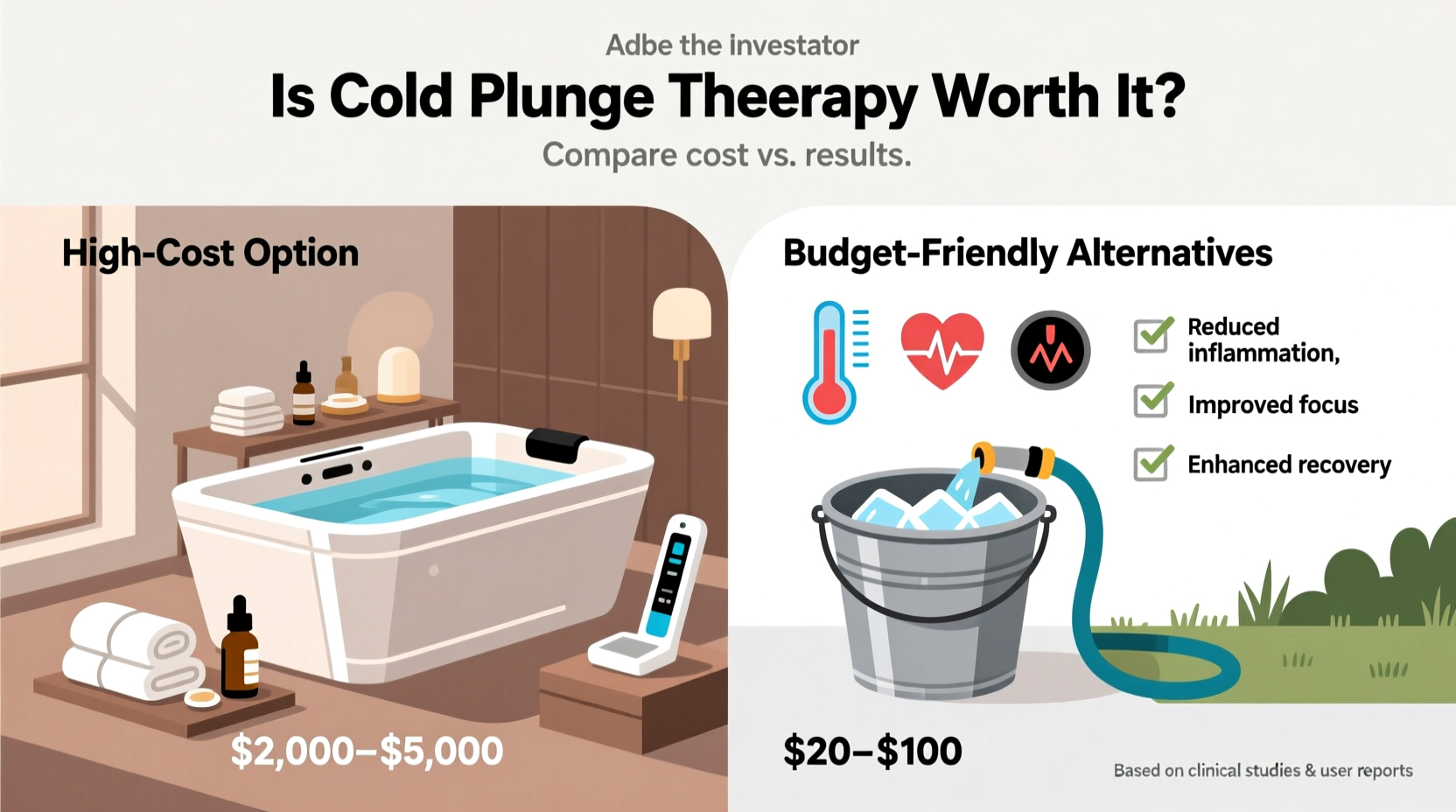
Cold plunge therapy—immersing the body in icy water for short durations—has surged in popularity among athletes, biohackers, and wellness enthusiasts. Proponents claim it reduces inflammation, speeds muscle recovery, boosts mood, and sharpens mental clarity. But with dedicated cold plunge tubs costing anywhere from $2,000 to $8,000, many wonder: is this trend truly worth the investment? Or can you achieve comparable results through simpler, more affordable means?
The answer isn’t a simple yes or no. It depends on your goals, lifestyle, access to resources, and how consistently you’re willing to engage with the practice. While cold plunges offer convenience and controlled conditions, they are not the only way to harness the benefits of cold exposure.
The Science Behind Cold Plunge Therapy
Cold immersion triggers a cascade of physiological responses. When submerged in cold water (typically between 50–59°F or 10–15°C), blood vessels constrict, reducing swelling and slowing metabolic activity in tissues. This vasoconstriction helps flush out metabolic waste and limits acute inflammation—a key reason athletes use it post-exercise.
Over time, regular cold exposure may enhance the body’s stress resilience. The shock of cold activates the sympathetic nervous system, increasing norepinephrine levels by up to 530%, according to a study published in *European Journal of Applied Physiology*. This neurotransmitter plays a role in focus, attention, and mood regulation—possibly explaining the reported \"post-plunge energy boost.\"
Additionally, cold therapy may support brown adipose tissue (BAT) activation, a type of fat that burns calories to generate heat. Some research suggests repeated cold exposure increases BAT volume and activity, potentially aiding metabolic health.
“Cold exposure is one of the most potent, accessible tools we have to stimulate the autonomic nervous system and improve recovery.” — Dr. Craig Heller, Professor of Biology, Stanford University, co-developer of thermal therapy protocols
Benefits of Regular Cold Exposure
The advantages attributed to cold plunges extend beyond athletic performance. Key benefits supported by emerging science include:
- Reduced muscle soreness and faster recovery: Especially beneficial after intense workouts.
- Improved circulation: Repeated constriction and dilation of blood vessels may enhance vascular function.
- Enhanced mental resilience: Facing discomfort trains emotional regulation and discipline.
- Elevated mood and alertness: Linked to increased dopamine and norepinephrine.
- Lower systemic inflammation: Chronic inflammation is tied to numerous diseases; cold therapy may help modulate immune response.
However, these benefits are not exclusive to high-end cold plunge tubs. The core mechanism—exposure to cold—is what matters most, not necessarily the vessel used.
Cost Breakdown: Is a Dedicated Cold Plunge Worth It?
A commercial cold plunge unit offers precise temperature control, filtration, insulation, and aesthetic appeal. But these conveniences come at a premium. Let’s examine the real costs:
| Option | Upfront Cost | Monthly Operating Cost | Key Features |
|---|---|---|---|
| Commercial Cold Plunge Tub | $2,000 – $8,000 | $30 – $70 (electricity) | Thermostat, chiller, filtration, portability |
| DIY Ice Bath (Chest Freezer Conversion) | $300 – $600 | $20 – $40 | Custom fit, reusable, moderate maintenance |
| Standard Bathtub + Ice | $0 (if you have a tub) | $10 – $25 per session (ice cost) | Immediate access, inconsistent temps |
| Natural Cold Water (Lakes, Oceans) | $0 | $0 | Seasonal, location-dependent, safety concerns |
The data shows a stark contrast. A dedicated tub offers consistency and comfort but requires a significant capital outlay and ongoing energy costs. For occasional users or those testing the waters, cheaper alternatives deliver much of the same physiological stimulus.
Tip: You don’t need perfect conditions to benefit from cold exposure. Even 1–2 minutes in uncomfortably cold water can trigger adaptive responses.Affordable Alternatives That Deliver Similar Results
You don’t need a luxury tub to experience the benefits of cold therapy. Many effective, low-cost methods exist:
1. Ice Baths Using a Standard Tub or Cooler
Fill your bathtub with cold water and add 5–7 bags of ice to reach temperatures below 60°F. Soak for 2–5 minutes. Alternatively, convert a large chest freezer into a plunge setup—insulated, reusable, and far cheaper than branded units.
2. Cold Showers
End your regular shower with 30 seconds to 2 minutes of cold water. Start at lukewarm and gradually decrease the temperature over weeks. Though less intense than full immersion, cold showers still activate the vagus nerve and increase circulation.
3. Outdoor Immersion
If you live near lakes, rivers, or oceans, natural bodies of water offer free, authentic cold exposure. Winter swimmers report profound mental and physical benefits, though safety precautions are essential—always enter slowly and never swim alone.
4. Cryotherapy Chambers (Pay-Per-Session)
Whole-body cryotherapy exposes you to sub-zero air for 2–3 minutes. Sessions typically cost $50–$100 but eliminate the need for home equipment. However, evidence comparing its efficacy to water immersion remains limited.
5. Targeted Cold Application
Use ice packs or cold compresses on sore muscles post-workout. While localized, this method effectively reduces inflammation and pain without full-body exposure.
“I started with 30-second cold showers after morning workouts. Within three weeks, I noticed better recovery and fewer afternoon crashes. I’ve never owned a plunge tub.” — Mark T., endurance runner and fitness coach
Step-by-Step Guide to Starting Cold Therapy on a Budget
Whether you're considering investing later or want immediate results, follow this practical timeline to begin safely and affordably:
- Week 1: Build Mental Readiness
Learn about the benefits and risks. Watch videos of others doing cold plunges. Mentally prepare for discomfort—it’s temporary and purposeful. - Week 2: Begin with Cold Showers
At the end of your regular shower, turn the dial to cold for 30 seconds. Breathe deeply and stay in as long as tolerable. Repeat daily. - Week 3: Increase Duration and Intensity
Extend cold exposure to 1–2 minutes. Focus on slow nasal breathing to calm your nervous system. - Week 4: Try an Ice Bath
Fill your tub with cold water and 5–6 lbs of ice. Submerge up to your neck for 1–3 minutes. Track how you feel afterward. - Week 5+: Establish a Routine
Perform cold exposure 2–4 times weekly. Note improvements in recovery, energy, and mood. Decide if upgrading makes sense.
This gradual approach minimizes risk and builds tolerance. Most people adapt within 2–4 weeks.
When a Cold Plunge May Be Worth the Investment
Despite viable alternatives, certain individuals may find a dedicated unit justifiable:
- Professional Athletes: Those training multiple times daily benefit from rapid, consistent recovery tools.
- Chronic Pain or Inflammation Sufferers: Regular access supports symptom management.
- Home Wellness Enthusiasts: If you prioritize biohacking and already invest in saunas, red light therapy, etc., a plunge complements the ecosystem.
- Cold Climate Limitations: If you lack safe outdoor options or hate hauling ice, convenience adds value.
Even then, consider starting with a DIY solution. Convert a chest freezer using online guides—many users report excellent results for under $500.
Tip: Place your DIY plunge in a garage or basement to reduce noise and electricity strain. Cover it when not in use to retain cold.Common Mistakes to Avoid
Newcomers often misapply cold therapy, diminishing benefits or increasing risk. Avoid these pitfalls:
- Staying in too long: More isn’t better. Overexposure can lead to hypothermia or tissue damage. Stick to 1–5 minutes.
- Holding your breath: This spikes stress hormones. Practice rhythmic breathing to stay calm.
- Skipping warm-up or cool-down: Enter and exit gradually. Shivering violently after exit may indicate overexposure.
- Using cold therapy before strength training: Acute cold may blunt muscle growth signals. Save it for post-workout or rest days.
- Ignoring contraindications: People with cardiovascular conditions should consult a doctor first.
FAQ
How often should I do cold plunges for optimal results?
Most studies suggest 2–4 sessions per week yield noticeable benefits. Daily use is possible for adapted individuals, but listen to your body. Overuse may impair adaptation.
Can I get the same benefits from a cold shower as a plunge?
Partially. Cold showers stimulate similar neurological and circulatory responses but lack full-body thermal loading. Plunges cool deeper tissues more effectively. However, showers are excellent for beginners and maintenance.
Are there any long-term risks to regular cold exposure?
For healthy individuals, risks are minimal when practiced responsibly. Potential concerns include increased blood pressure during immersion and reduced fertility with excessive scrotal cooling. Always balance intensity with recovery.
Checklist: Is Cold Plunge Therapy Right for You?
Before deciding, evaluate your situation with this checklist:
- ✅ I exercise intensely 3+ times per week and need faster recovery
- ✅ I struggle with fatigue, low mood, or brain fog
- ✅ I’m committed to consistency (at least 2x/week)
- ✅ I’ve tried cheaper methods and want more convenience
- ✅ My budget allows for $200+/month in wellness investments
- ✅ I have space and electrical access for a unit (or DIY version)
If you checked most boxes, a cold plunge might be a worthwhile upgrade. If not, stick with budget-friendly options—they work.
Conclusion
Cold plunge therapy offers real, science-backed benefits—but the equipment doesn’t have to cost a fortune. For most people, starting with cold showers, ice baths, or outdoor immersion provides nearly all the physiological advantages at a fraction of the price. The ritual of facing discomfort, building resilience, and enhancing recovery is what counts, not the brand of tub you sit in.
A dedicated cold plunge becomes justifiable only when convenience, frequency, and personal goals align. Before spending thousands, test the practice thoroughly using accessible methods. You may discover that discipline and consistency matter more than technology.
🚀 Ready to start? Take your first cold shower tomorrow—no purchase required. Share your journey or tips in the comments below and inspire others to embrace the chill.








