Redness, irritation, and dullness are common skin concerns—especially for those with sensitive, reactive, or environmentally stressed complexions. While commercial products often contain preservatives, fragrances, and alcohol that can worsen sensitivity, a homemade face mist offers a gentler, customizable alternative. With the right combination of soothing botanicals and hydrating agents, you can create a refreshing facial spritz that calms inflammation, restores pH balance, and delivers instant hydration. This guide walks through the science-backed ingredients, step-by-step preparation, and best practices for making and using a DIY face mist tailored to reduce redness and revitalize tired skin.
The Science Behind Skin Redness and Soothing Ingredients
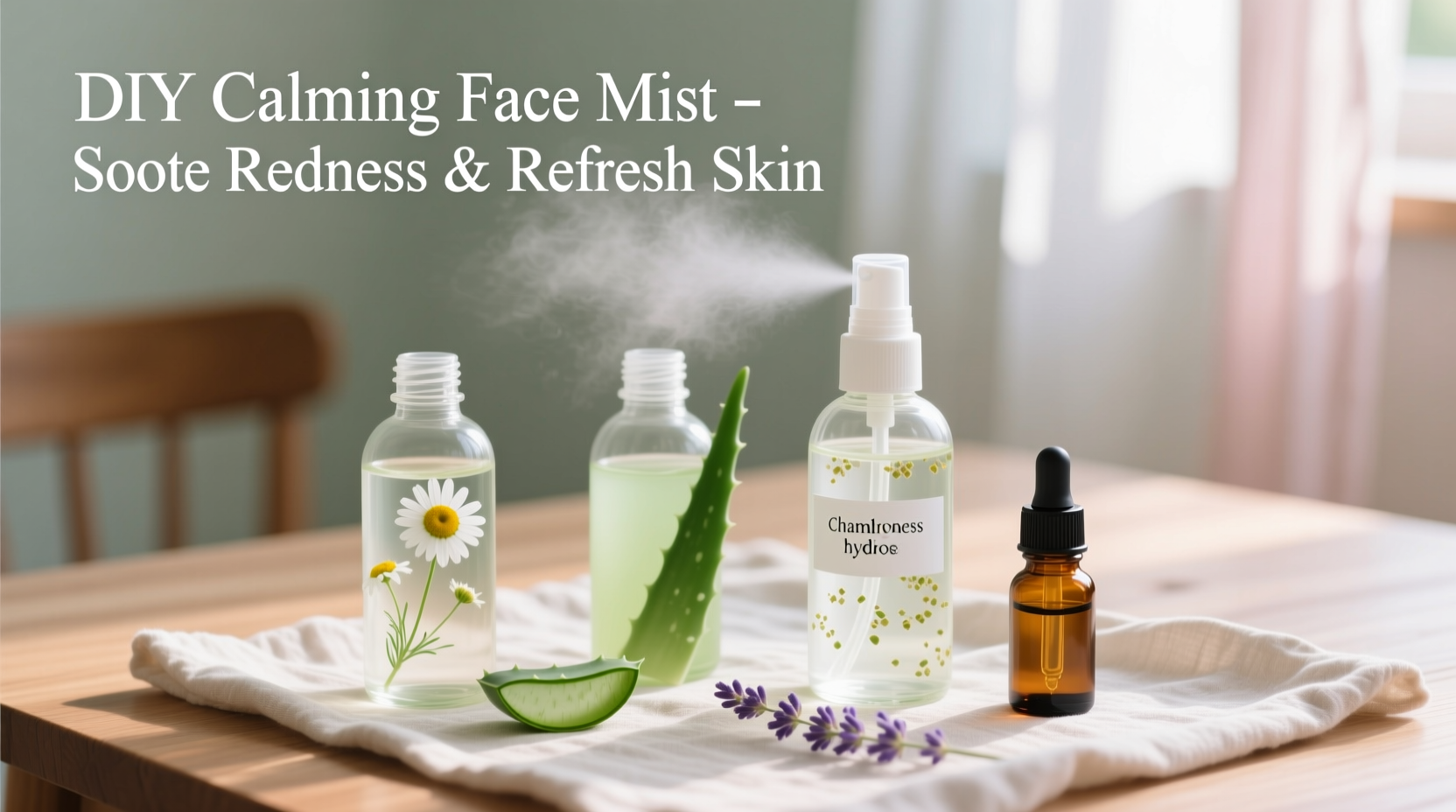
Skin redness, or erythema, occurs when blood vessels near the skin’s surface dilate due to triggers like UV exposure, temperature changes, allergens, stress, or inflammatory conditions such as rosacea and eczema. The goal of a calming face mist is not just hydration but also to interrupt the inflammatory cascade and support the skin’s barrier function.
Certain plant-based compounds have demonstrated anti-inflammatory and antioxidant properties in dermatological research. For instance:
- Chamomile (Matricaria chamomilla): Contains bisabolol and apigenin, which reduce redness and inhibit pro-inflammatory cytokines.
- Green tea extract (Camellia sinensis): Rich in epigallocatechin gallate (EGCG), a potent antioxidant that soothes irritation and protects against free radical damage.
- Aloe vera: Provides deep hydration while reducing inflammation through glycoproteins and polysaccharides.
- Rose water: Naturally balances skin pH and has mild astringent and antiseptic qualities.
- Niacinamide (vitamin B3): Though typically used in serums, a low concentration in mists can strengthen the skin barrier and reduce transepidermal water loss.
These ingredients work synergistically to cool the skin, minimize visible redness, and prepare the complexion for subsequent skincare steps.
“Botanical mists formulated with anti-inflammatory extracts offer real benefits for sensitive skin—especially when free from alcohol and synthetic additives.” — Dr. Lena Torres, Board-Certified Dermatologist and Skincare Researcher
Step-by-Step Guide: Crafting Your Calming DIY Face Mist
Creating your own face mist allows control over ingredient quality and eliminates unnecessary fillers. Follow this detailed process to make a 4-ounce batch that's effective, stable, and gentle on delicate skin.
- Gather Supplies and Ingredients
- 1 clean 4-ounce glass spray bottle (amber or cobalt preferred to block light)
- Distilled or boiled-and-cooled water (to prevent microbial growth)
- 2 tablespoons fresh or dried chamomile flowers
- 1 tablespoon green tea leaves (or one organic green tea bag)
- 2 tablespoons aloe vera gel (pure, preferably without alcohol or thickeners)
- ¼ cup rose water (alcohol-free, ideally organic)
- Optional: 3–5 drops of niacinamide serum (10% solution max)
- Small funnel, fine mesh strainer or coffee filter
- Prepare the Herbal Infusion
Bring 1 cup of distilled water to a simmer (not boiling) in a small saucepan. Add chamomile and green tea. Cover and let steep off heat for 20 minutes. Strain into a clean bowl and allow to cool completely. Refrigeration speeds cooling and helps preserve potency.
- Mix the Base Solution
In a mixing bowl, combine ½ cup of the cooled herbal infusion with ¼ cup rose water. Stir in 2 tablespoons of aloe vera gel until fully blended and smooth. If using niacinamide, add it now and mix thoroughly.
- Bottle and Store
Using a funnel, pour the mixture into the glass spray bottle. Seal tightly and label with date and contents. Store in the refrigerator for up to two weeks to maximize freshness and provide a cooling effect upon application.
- Test for Sensitivity
Before full-face use, apply a small amount behind the ear or on the inner forearm. Wait 24 hours to check for reactions. Discontinue if any stinging, itching, or redness develops.
Key Ingredients Breakdown and Substitutions
Not all ingredients may be accessible or suitable for every skin type. Below is a comparison of core components and safe alternatives based on availability and sensitivity profiles.
| Ingredient | Primary Benefit | Substitute Option | Notes |
|---|---|---|---|
| Chamomile infusion | Anti-inflammatory, calming | Calendula hydrosol | Avoid if allergic to ragweed family |
| Green tea infusion | Antioxidant, reduces redness | White tea or witch hazel (alcohol-free) | Witch hazel must be non-alcoholic; otherwise, it can dry skin |
| Aloe vera gel | Hydration, healing | Hyaluronic acid solution (low concentration) | Ensure aloe is pure—check for added fragrances |
| Rose water | pH balancing, soothing | Lavender hydrosol | Lavender may be sensitizing for some; patch test first |
| Niacinamide (optional) | Barrier support, redness reduction | Vitamin C (L-ascorbic acid, very low dose) | Vitamin C increases oxidation risk; use immediately and avoid sunlight post-application |
Always prioritize purity. Choose organic, food-grade herbs and fragrance-free extracts whenever possible. Avoid essential oils unless you’re certain of their safety for sensitive skin—many, including citrus and mint oils, can trigger irritation.
Best Practices for Using Your DIY Face Mist
A well-formulated mist is only effective when used correctly. Here’s how to integrate it into your routine for maximum benefit:
- Morning Refresh: Spritz after cleansing and before moisturizer to prep skin and deliver hydration.
- Midday Reset: Use over makeup (hold bottle at arm’s length and mist lightly) to revive dull skin without smudging foundation.
- Post-Exposure Soothing: Apply after sun exposure, wind, or pollution-heavy environments to calm reactive skin.
- Pre-Makeup Hydration: Lightly mist before applying liquid or cream products to improve blendability and reduce flakiness.
- Nighttime Layering: Use after toning and before serums to enhance absorption of active ingredients.
Hold the bottle 6–8 inches from your face and spray 3–5 times in a gentle sweeping motion. Let it air-dry or gently pat with clean hands—do not rub. Over-spraying can lead to evaporation-induced dryness, especially in low-humidity environments.
Tip: Shake the bottle lightly before each use, especially if aloe vera settles. Do not use if cloudiness or odor changes occur—this indicates contamination.Mini Case Study: Soothing Reactive Skin After Retinoid Use
Sarah, a 34-year-old graphic designer, began using a prescription retinoid for acne and early signs of aging. Within two weeks, her cheeks developed persistent redness, tightness, and occasional flaking—a common side effect known as “retinization.” Over-the-counter mists with alcohol worsened the irritation.
She switched to a DIY mist made with chamomile-green tea infusion, aloe vera, and rose water. She applied it twice daily: once in the morning before moisturizer and again at night after her retinoid. Within five days, she reported reduced stinging and improved comfort. By week two, redness had visibly diminished, and her skin tolerated the regimen better. Sarah continues using the mist during seasonal transitions and high-stress periods when her skin becomes reactive.
This case illustrates how targeted, minimalist formulations can support skin during active treatments without compromising efficacy.
Dos and Don’ts of DIY Facial Misting
To ensure safety and effectiveness, follow these guidelines:
| Do | Don’t |
|---|---|
| Use distilled or sterilized water | Use tap water (contains microbes and minerals) |
| Store in a dark glass bottle in the fridge | Store in plastic or in direct sunlight |
| Label with date and ingredients | Keep beyond two weeks without refrigeration |
| Shake gently before use | Add essential oils without patch testing |
| Use clean hands and tools during preparation | Touch the nozzle to skin or surfaces |
Frequently Asked Questions
Can I make a larger batch for longer shelf life?
It’s not recommended. Without preservatives, water-based botanical mixtures are prone to bacterial and fungal growth. A two-week, refrigerated batch is safest. For longer storage, consider freezing the infusion in ice cube trays and thawing as needed.
Is this mist suitable for acne-prone skin?
Yes, if formulated carefully. Aloe vera and green tea have antimicrobial and sebum-regulating properties. Avoid heavy gels or oils. Ensure the mist doesn’t leave a residue that could clog pores. Always patch test, especially if introducing niacinamide.
Can I use this during pregnancy or breastfeeding?
Most ingredients—chamomile, rose water, aloe vera—are considered safe topically during pregnancy. However, consult your healthcare provider before using any new skincare product, particularly if you have known allergies or sensitivities.
Final Checklist Before You Begin
Use this checklist to ensure your DIY face mist is prepared safely and effectively:
- ☑ Gather all ingredients and sterilize equipment (bottle, funnel, utensils)
- ☑ Use only distilled or boiled water
- ☑ Steep herbs properly and strain thoroughly
- ☑ Mix aloe vera smoothly to avoid clumping
- ☑ Label the bottle with date and contents
- ☑ Store in the refrigerator immediately
- ☑ Perform a patch test before full-face application
- ☑ Discard if smell, color, or texture changes occur
Conclusion: Take Control of Your Skin’s Comfort Naturally
Creating a DIY face mist that calms redness and refreshes the skin is more than a beauty hack—it’s an act of self-care grounded in botanical science. By choosing ingredients that respect your skin’s biology, you avoid the irritants common in mass-market products and tailor a solution to your unique needs. Whether you're managing sensitivity, recovering from treatment, or simply seeking a midday boost, this simple mist delivers immediate comfort and long-term benefits.
💬 Ready to customize your own formula? Try the recipe, adjust ingredients to suit your skin, and share your experience. Your journey to calmer, healthier skin starts with one thoughtful spritz.