
Slouching has become a modern epidemic. Hours spent hunched over laptops, smartphones, and steering wheels have reshaped how many people carry themselves—often without them even realizing it. As awareness grows, so does the market for solutions. Among the most visible are posture correctors: wearable braces designed to pull shoulders back and align the spine. But do they deliver lasting change? Can wearing a brace actually retrain your body to stand straighter on its own, or are they just temporary fixes with diminishing returns?
The answer isn’t a simple yes or no. Posture correctors can play a role in improving alignment, but their long-term effectiveness depends heavily on how they're used, the underlying causes of poor posture, and whether users pair them with active rehabilitation strategies.
How Posture Correctors Work
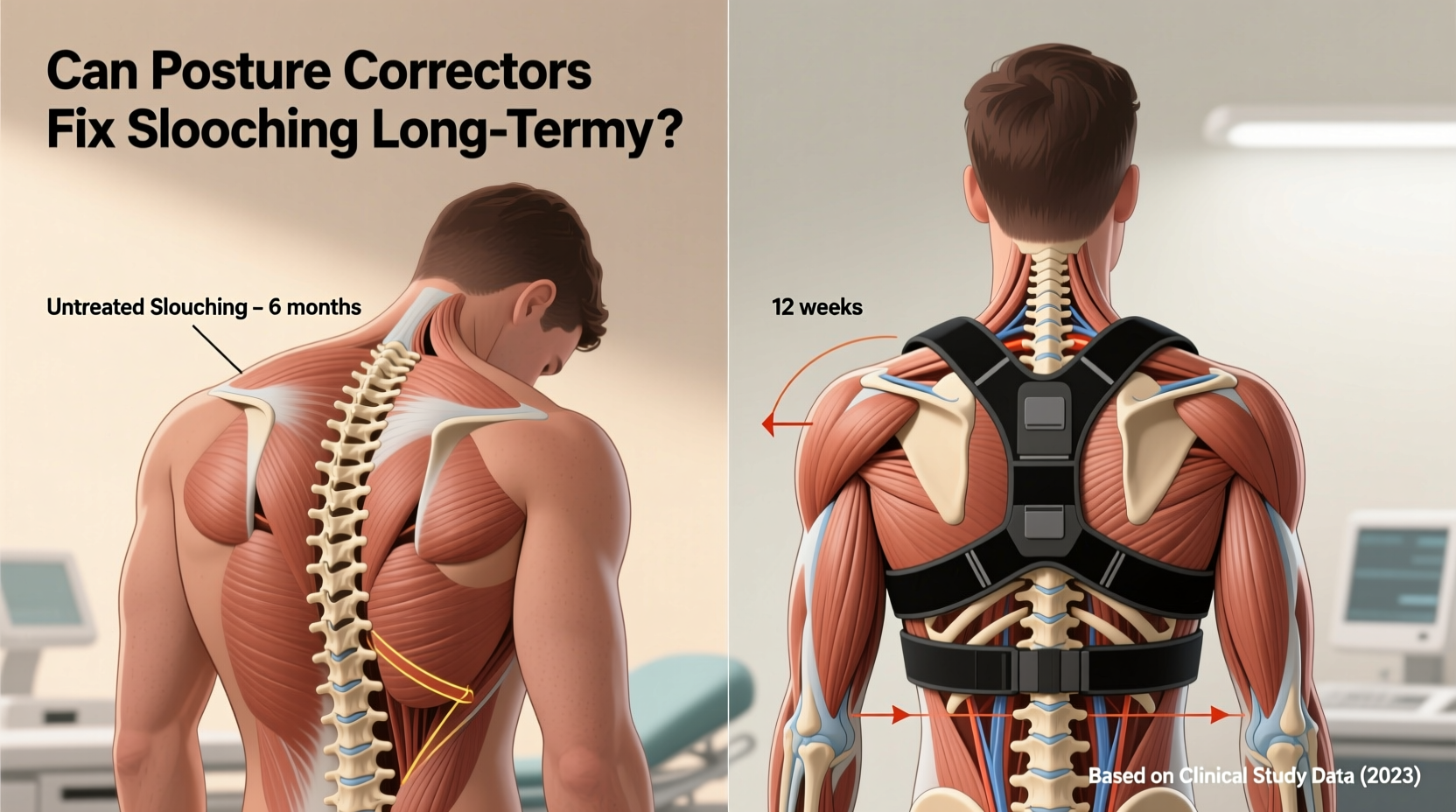
Posture correctors typically function by applying gentle resistance to pull the shoulders into external rotation and prevent forward head posture. Most designs resemble a vest, strap system, or shirt-like garment that fastens around the upper back and chest. By holding the shoulders back, they create an immediate visual and physical correction—making you appear taller and more confident.
This mechanical adjustment serves two purposes:
- Feedback mechanism: The device reminds the wearer when they start to slump, prompting conscious correction.
- Muscle unloading: For individuals with chronically tight chest muscles and weak upper back muscles, the brace can temporarily relieve strain on overworked tissues.
However, this doesn’t mean the body is learning to maintain the corrected position independently. Just as crutches help someone walk after an injury but don’t rebuild leg strength, posture correctors support alignment without necessarily strengthening the postural muscles responsible for sustaining it.
“Bracing alone won’t retrain neuromuscular patterns. Lasting posture improvement requires motor learning—your nervous system must learn to default to better alignment.” — Dr. Lena Torres, Physical Therapist & Biomechanics Specialist
The Science Behind Long-Term Postural Change
To understand whether posture correctors lead to lasting improvements, it’s essential to examine what causes slouching in the first place. Poor posture is rarely due to a single factor. It usually stems from a combination of:
- Muscle imbalances (tight pectorals, weak rhomboids and lower trapezius)
- Poor movement habits developed over years
- Sedentary lifestyle with prolonged sitting
- Reduced proprioception (body awareness)
- Joint stiffness in the thoracic spine
Research suggests that passive interventions like bracing provide short-term symptomatic relief but fall short in creating durable change. A 2020 study published in the *Journal of Bodywork and Movement Therapies* found that participants who wore posture correctors for four weeks showed improved spinal alignment during wear—but these gains disappeared within days of stopping use unless combined with exercise.
In contrast, those who paired brace usage with targeted strength training and postural awareness exercises maintained improvements for up to three months post-intervention. This highlights a critical point: posture correctors may serve as a cueing tool, but they are not a standalone solution.
Do’s and Don’ts of Using Posture Correctors
| Do’s | Don’ts |
|---|---|
| Use the brace as a reminder during sedentary work | Wear it all day without breaks |
| Combine it with daily stretching and strengthening | Rely solely on the brace for correction |
| Limited use: 30–60 minutes at a time | Use excessively, risking muscle dependency |
| Focus on mindful posture when not wearing it | Ignore pain or discomfort while using it |
| Gradually reduce usage as control improves | Expect permanent change without active effort |
A Realistic Timeline for Improvement
Long-term postural correction is a process, not an event. Expecting dramatic changes in a week sets unrealistic expectations. Here's a realistic timeline based on clinical observations and rehabilitation principles:
- Week 1–2: Awareness & Adjustment
You begin wearing the corrector intermittently (e.g., 30 minutes while working). Initial discomfort may occur as tight muscles are stretched and underused ones activate. The primary benefit here is increased awareness of slouching. - Week 3–6: Integration & Exercise
Combine brace use with daily exercises targeting scapular stabilization (e.g., rows, face pulls, wall angels). Postural memory starts forming. You may notice standing taller without the brace. - Month 2–3: Reduced Dependency
Gradually decrease brace usage. Focus shifts to maintaining alignment through core engagement and ergonomic adjustments. Muscle endurance improves. - Month 4+: Sustainable Habits
The brace is used only occasionally for feedback. Daily routines include mobility work, strength training, and mindfulness about sitting and standing posture.
By this stage, structural adaptations—such as improved joint mobility and balanced muscle tone—support natural upright posture. The goal isn't to wear the device forever, but to make good posture effortless.
Case Study: Office Worker Reverses Years of Slouching
Mark, a 34-year-old software developer, had been experiencing neck pain and rounded shoulders for over five years. After a consultation with a physical therapist, he was prescribed a moderate-use posture corrector along with a tailored exercise program.
His routine included:
- Wearing the brace for 45 minutes during morning coding sessions
- Daily 15-minute workouts focusing on scapular retraction and thoracic extension
- Ergonomic desk setup with monitor at eye level
- Hourly posture checks using a smartphone reminder
After eight weeks, Mark reported reduced discomfort and visibly improved posture in photos. At the three-month mark, he stopped using the brace entirely. Follow-up assessment showed measurable gains in upper back strength and a 28% reduction in forward head posture.
Crucially, his success wasn’t due to the brace alone—it was the consistency of complementary habits that made the difference.
Building a Posture-Healthy Lifestyle
For lasting results, posture must be addressed holistically. Braces can jumpstart awareness, but sustainable improvement comes from integrating healthy movement patterns into daily life. Consider the following foundational pillars:
1. Strengthen Key Muscles
The mid-back muscles (rhomboids, lower trapezius) and deep neck flexors are often underactive in slouchers. Exercises like prone Y-T-W raises, bent-over rows, and chin tucks help restore balance.
2. Release Tight Structures
Tight pectoral muscles and stiff thoracic spines pull the body forward. Incorporate foam rolling for the chest and upper back, doorway stretches, and thoracic extensions over a foam roller.
3. Improve Ergonomics
Your environment shapes your posture. Ensure your workstation supports neutral alignment:
- Monitor top at or slightly below eye level
- Elbows close to body, bent at 90°
- Feet flat on floor or footrest
- Frequent standing or walking breaks every 30–60 minutes
4. Develop Body Awareness
Practice “posture check-ins” throughout the day. Stand against a wall regularly to recalibrate alignment: heels, hips, shoulders, and head should lightly touch the wall.
Tip: Set a silent phone alert every hour to assess your posture. Ask: Are my shoulders rounded? Is my chin jutting forward?When Posture Correctors Fall Short
Not all cases of slouching respond to bracing. Certain conditions require medical evaluation rather than self-treatment:
- Scheuermann’s kyphosis: A structural spinal deformity common in adolescents; requires orthopedic care.
- Ankylosing spondylitis: An inflammatory condition causing progressive spinal fusion.
- Nerve impingement: If slouching causes numbness, tingling, or radiating pain, consult a healthcare provider.
In such cases, improper use of a posture corrector could worsen symptoms. Always seek professional diagnosis if poor posture is accompanied by pain, asymmetry, or neurological signs.
Frequently Asked Questions
Can I wear a posture corrector all day?
No. Prolonged use can lead to muscle atrophy and dependency. Limit wear to 30–60 minutes at a time, especially in the beginning. Overuse may weaken the very muscles needed for natural posture.
Will a posture corrector eliminate back pain?
It may reduce discomfort temporarily by improving alignment, but it won’t address the root cause of pain—often muscle imbalance or joint dysfunction. Pain relief is more likely when bracing is combined with corrective exercise and ergonomic changes.
How long before I see real improvement?
Noticeable changes in muscle control and comfort typically emerge within 4–6 weeks of consistent effort. Lasting structural improvement takes 3–6 months of integrated training and habit change. Progress varies based on starting point and adherence.
Action Plan: Your 6-Step Guide to Better Posture
- Assess your current posture: Take side-profile photos and compare them to ideal alignment references.
- Consult a professional: See a physical therapist or chiropractor to identify specific imbalances.
- Select a brace wisely: Choose one that provides support without restricting breathing or causing pain.
- Start light: Wear the corrector for 20–30 minutes daily, gradually increasing as tolerated.
- Add corrective exercises: Perform 3–4 sets per week targeting upper back strength and chest flexibility.
- Track progress monthly: Use photos, posture tests, and symptom logs to measure improvement.
“Posture is not just how you sit—it’s a reflection of your movement history. Changing it requires rewiring habits, not just strapping yourself into alignment.” — Dr. Rajiv Mehta, Spine Rehabilitation Specialist
Final Thoughts: Tools vs. Transformation
Posture correctors are not magic solutions, but they can be valuable tools when used appropriately. They offer sensory feedback that helps break the cycle of unconscious slumping. However, true transformation happens when wearers transition from passive support to active control.
The goal isn’t to depend on a brace indefinitely, but to develop the strength, awareness, and habits that allow you to stand tall without assistance. Like learning any new skill—playing an instrument, riding a bike—postural retraining takes repetition, patience, and deliberate practice.
If you’ve been struggling with slouching, consider a posture corrector as a starting point—not the finish line. Pair it with movement education, strength training, and environmental adjustments, and you’ll be far more likely to achieve lasting results.
🚀 Ready to stand taller—without relying on a brace? Start today: do one posture exercise, adjust your workspace, and set a reminder to check your alignment. Small steps compound into real change.








