In an era where preventive health strategies are gaining prominence, garlic supplement tablets have emerged as one of the most widely studied and utilized natural remedies. Long revered in traditional medicine systems—from Ayurveda to Chinese herbalism—garlic (Allium sativum) is no longer confined to the kitchen. Modern science has validated many of its historical uses, particularly when delivered in concentrated tablet form. Unlike raw garlic, which can be pungent and cause digestive discomfort in large amounts, garlic supplements offer a standardized, convenient, and odor-controlled method to harness its therapeutic compounds. For individuals seeking evidence-based nutritional support for cardiovascular function, immune resilience, and inflammation modulation, garlic tablets represent a practical addition to daily wellness routines.
Definition & Overview
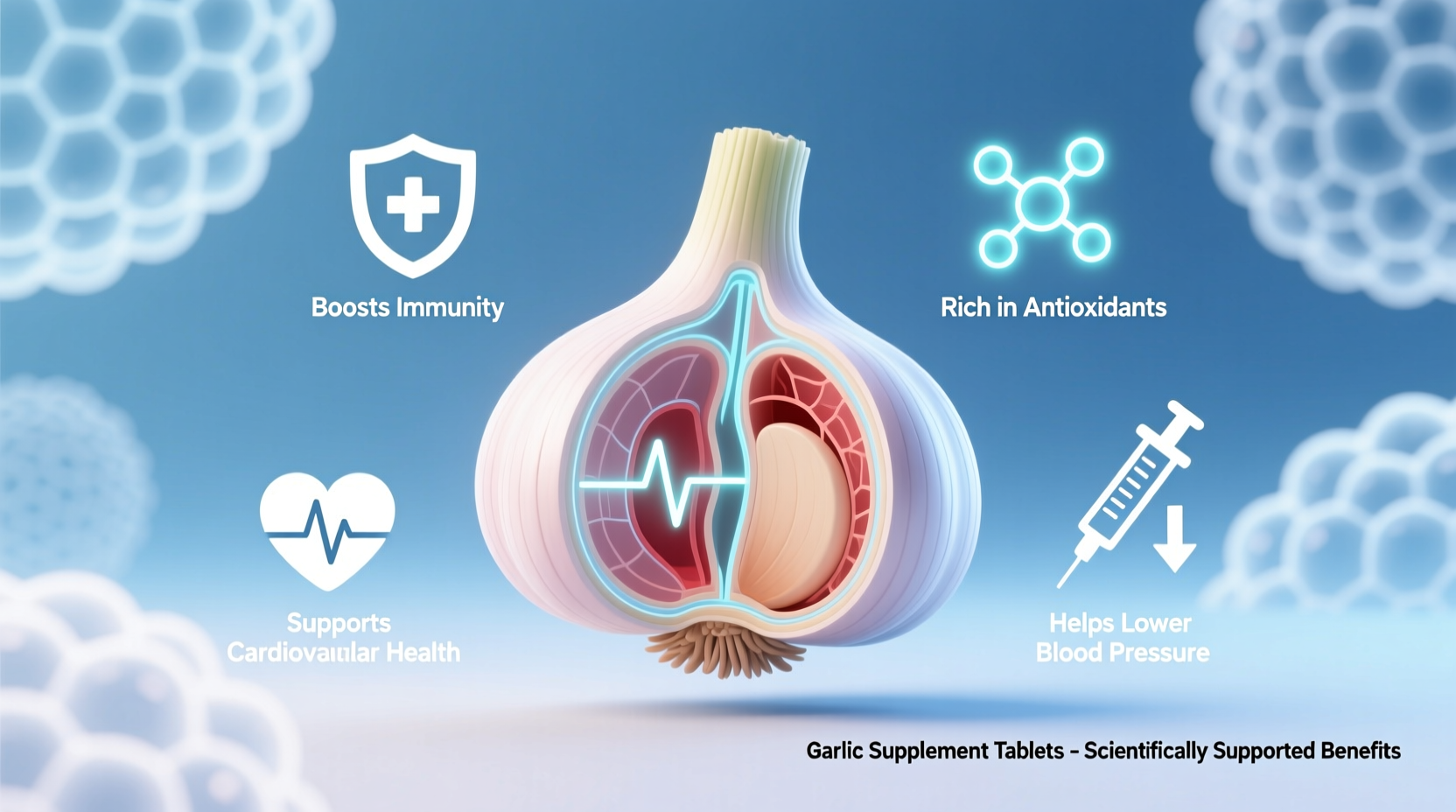
Garlic supplement tablets are dietary formulations derived from Allium sativum, commonly known as garlic. These tablets typically contain dehydrated garlic powder, aged garlic extract (AGE), or garlic oil macerates encapsulated into solid oral dosage forms. Unlike culinary garlic, which varies significantly in active compound concentration depending on growing conditions and preparation, supplements are engineered to deliver consistent levels of bioactive constituents—most notably allicin and its derivatives.
The transformation of raw garlic into a stable supplement involves precise processing techniques. When fresh garlic is crushed or chopped, the enzyme alliinase converts alliin (a sulfur-containing amino acid) into allicin, the primary compound responsible for garlic’s antimicrobial and physiological effects. However, allicin is highly unstable and rapidly breaks down. To overcome this, manufacturers use methods such as freeze-drying, aging (as in Kyolic-type aged garlic extract), or enteric coating to preserve potency and enhance bioavailability.
Garlic supplements are classified under the broader category of herbal or botanical dietary supplements. They are non-prescription, globally available, and frequently used alongside conventional medical treatments—not as replacements, but as complementary agents supported by clinical research.
Key Characteristics
- Active Compounds: Allicin, diallyl disulfide, S-allyl cysteine (SAC), ajoene, and other organosulfur molecules.
- Form: Solid tablets; may be enteric-coated to prevent stomach degradation and reduce odor.
- Aroma: Minimal to none in odor-controlled formulations; some non-enteric types may cause mild garlic breath.
- Color: Ranges from light tan to dark brown, depending on processing method.
- Shelf Life: Typically 2–3 years when stored properly in cool, dry conditions.
- Culinary Function: None—used exclusively for health support, not cooking.
- Bioavailability: Varies by formulation; aged garlic extract and enteric-coated tablets show higher absorption rates.
Scientifically Supported Health Benefits
Cardiovascular Support
One of the most robust bodies of evidence supporting garlic supplementation lies in cardiovascular health. Multiple meta-analyses of randomized controlled trials have demonstrated that garlic supplements can modestly but significantly reduce both systolic and diastolic blood pressure, particularly in individuals with hypertension.
A 2020 review published in Experimental and Therapeutic Medicine analyzed 12 studies involving over 550 participants and found that garlic supplementation led to an average reduction of 8.3 mmHg in systolic pressure and 5.5 mmHg in diastolic pressure among hypertensive patients—comparable in effect size to first-line antihypertensive medications, though not a replacement.
Gargicin, a derivative of allicin, contributes to vasodilation by enhancing nitric oxide production, which relaxes arterial walls. Additionally, garlic has been shown to inhibit angiotensin-converting enzyme (ACE) activity, a mechanism shared with pharmaceutical ACE inhibitors.
Cholesterol and Lipid Profile Modulation
Garlic supplements also influence lipid metabolism. Clinical data indicate reductions in total cholesterol and low-density lipoprotein (LDL) cholesterol, especially when taken consistently over 8–12 weeks.
A meta-analysis in Nutrition Reviews concluded that garlic preparations reduced total cholesterol by approximately 17 mg/dL and LDL by 9 mg/dL compared to placebo. While these changes may seem small at the individual level, population-level implications are significant for reducing long-term cardiovascular risk.
The mechanism appears linked to inhibition of hepatic cholesterol synthesis enzymes, particularly HMG-CoA reductase—the same target of statin drugs, albeit through a milder pathway.
Immune System Enhancement
Garlic has long been associated with cold and flu prevention. A landmark double-blind, placebo-controlled study involving 146 volunteers found that those taking garlic supplements experienced 63% fewer colds over a 12-week winter period compared to the placebo group. Moreover, symptom duration was shortened by an average of 70%.
This immunomodulatory effect stems from increased activity of natural killer (NK) cells, macrophages, and lymphocytes. The sulfur compounds in garlic stimulate cytokine production and enhance phagocytic activity, enabling the body to respond more efficiently to viral pathogens.
Antioxidant Properties and Cellular Protection
Oxidative stress plays a central role in aging and chronic disease development. Garlic supplements, particularly aged garlic extract (AGE), are rich in antioxidants such as S-allyl cysteine (SAC), which scavenge free radicals and reduce oxidative damage to DNA, proteins, and lipids.
Studies using biomarkers like malondialdehyde (MDA) and glutathione levels show that regular garlic supplementation increases antioxidant capacity in the blood. This is particularly beneficial for populations exposed to environmental toxins, smokers, or those with metabolic syndrome.
Potential Anti-Cancer Effects
Epidemiological studies suggest an inverse relationship between garlic consumption and certain cancers, particularly gastrointestinal cancers such as stomach and colorectal cancer. The World Cancer Research Fund has cited allium vegetables as probable protective agents against these malignancies.
While human trials remain limited, preclinical models demonstrate that garlic-derived compounds induce apoptosis (programmed cell death) in cancer cells, inhibit tumor angiogenesis, and suppress proliferation pathways such as NF-kB and MAPK. Notably, SAC and ajoene exhibit selective toxicity toward malignant cells without harming healthy tissue—a promising area for future oncology adjunct research.
Variants & Types of Garlic Supplements
Not all garlic supplements are created equal. Differences in processing, standardization, and delivery methods significantly affect efficacy and tolerability. Consumers should understand the distinctions among common types:
| Type | Description | Key Compound | Best For | Odor Level |
|---|---|---|---|---|
| Garlic Powder Tablets | Made from dried, pulverized garlic cloves. Most common and affordable. | Allicin potential (requires activation) | General wellness, budget-conscious users | Moderate to high |
| Enteric-Coated Tablets | Coating prevents breakdown in stomach; releases in intestine for better absorption. | Allicin yield (stabilized) | Digestive sensitivity, maximizing potency | Low |
| Aged Garlic Extract (AGE) | Garlic aged in ethanol for months; produces stable compounds like SAC. | S-allyl cysteine (SAC) | Antioxidant support, long-term use | None |
| Garlic Oil Macerate | Oil-based concentrate; contains sulfides like diallyl disulfide. | Diallyl sulfides | Anti-inflammatory goals | Low to moderate |
When selecting a product, look for third-party testing certifications (such as USP, NSF, or ConsumerLab), clear labeling of active compounds (e.g., “guaranteed 1.2% allicin yield”), and absence of unnecessary fillers or binders.
Expert Tip: For immune and cardiovascular benefits, choose enteric-coated or aged garlic extract. Avoid cheap, unstandardized powders that may lack bioactive consistency.
Comparison with Similar Ingredients
Garlic is often confused with other alliums or sulfur-rich foods. Understanding key differences helps avoid substitution errors and ensures targeted health outcomes.
| Ingredient | Relation to Garlic | Key Difference | Supplement Use? |
|---|---|---|---|
| Onion | Same family (Allium), similar sulfur compounds | Lower allicin content; richer in quercetin | Rarely supplemented alone |
| Garlic Essential Oil | Concentrated volatile fraction of garlic | Lacks water-soluble compounds like SAC; more irritant | Topical/therapeutic only, not oral |
| Allicin Capsules (Synthetic) | Isolated or synthesized allicin | Unstable; poorly absorbed unless stabilized | Less effective than whole-extract forms |
| Black Garlic | Fermented raw garlic | No allicin; high in antioxidants and melanoidins | Emerging supplement; different health profile |
\"The synergy of multiple sulfur compounds in whole garlic extracts provides broader physiological effects than isolated allicin alone. Nature’s complexity often outperforms reductionist approaches.\" — Dr. Emily Tran, PhD, Nutritional Biochemist
Practical Usage Guidelines
Garlic supplement tablets are intended for daily, long-term use rather than acute dosing. To achieve measurable health benefits, follow these guidelines:
- Dosage: Standard adult dose ranges from 600–1,200 mg daily, divided into two or three doses. This equates to roughly 3,600–5,400 mcg of allicin potential per day.
- Timing: Take with meals to minimize gastric irritation. Enteric-coated tablets should be consumed whole, not crushed.
- Duration: Cardiovascular and lipid effects typically manifest after 8–12 weeks of consistent use.
- Combination Therapy: Can be safely paired with fish oil, CoQ10, or plant sterols for enhanced heart health support. Consult a physician if taking anticoagulants due to mild platelet-inhibiting effects.
- Children: Not recommended under age 12 without medical supervision.
Who Should Consider Garlic Supplements?
- Individuals with elevated blood pressure or borderline hypertension
- Those managing high cholesterol or seeking natural lipid support
- People prone to recurrent respiratory infections
- Adults interested in antioxidant and cellular defense strategies
- Populations at increased cardiovascular risk (e.g., diabetics, sedentary adults)
Practical Tips & FAQs
Can I just eat raw garlic instead?
You can, but it's impractical to consume enough raw garlic daily to match supplement efficacy. One clove yields about 5–18 mg of allicin, depending on size and preparation. Achieving therapeutic doses would require eating 4–6 cloves daily—likely causing heartburn, halitosis, or GI upset. Supplements offer precision without side effects.
Do garlic tablets cause bad breath?
Traditional garlic powder tablets may cause noticeable odor. However, aged garlic extract and enteric-coated versions are specifically designed to minimize garlic breath by preventing volatile compound release in the mouth and upper GI tract.
How should I store garlic supplements?
Keep in a cool, dry place away from sunlight and moisture. Avoid storing in bathrooms due to humidity. Some aged garlic extracts benefit from refrigeration after opening—check label instructions.
Are there any side effects?
Generally well-tolerated. Mild side effects include heartburn, gas, or nausea—especially with high doses or non-enteric forms. Rare allergic reactions may occur. Garlic has mild antiplatelet activity; discontinue at least one week before surgery or if on blood thinners like warfarin (consult your doctor).
Can I take garlic supplements while pregnant?
Food amounts of garlic are safe during pregnancy, but high-dose supplements are not well studied in this population. Due to potential blood-thinning and uterine stimulation effects at pharmacological doses, pregnant women should avoid therapeutic supplementation unless advised by a healthcare provider.
What’s the difference between “allicin potential” and “allicin content”?
“Allicin potential” refers to the maximum amount of allicin that *can* be formed when the tablet dissolves and reacts with stomach fluids. True “allicin content” is rarely listed because allicin itself is too unstable to measure directly. Reputable brands test and guarantee allicin potential under simulated digestion conditions.
Action Checklist: Choosing a Quality Garlic Supplement
- ✅ Look for “enteric-coated” or “aged garlic extract” on the label
- ✅ Verify allicin potential (minimum 1.2%) or SAC content (for AGE)
- ✅ Choose products with third-party certification (USP, NSF, ConsumerLab)
- ✅ Avoid those with excessive fillers, artificial colors, or unknown sources
- ✅ Start with lower dose to assess tolerance before increasing
Summary & Key Takeaways
Garlic supplement tablets are far more than a folk remedy—they are scientifically substantiated tools for supporting cardiovascular health, immune function, and antioxidant defense. Unlike inconsistent culinary use, standardized supplements deliver reliable doses of bioactive sulfur compounds such as allicin and S-allyl cysteine.
The strongest evidence supports their role in lowering blood pressure and LDL cholesterol, reducing cold incidence, and combating oxidative stress. Among available forms, aged garlic extract and enteric-coated tablets offer superior stability, absorption, and tolerability.
While generally safe, users should be mindful of interactions with anticoagulant therapies and surgical procedures. As with any supplement, quality matters: opt for transparently labeled, third-party tested products to ensure efficacy.
For health-conscious individuals integrating nutrition-based prevention into their lifestyle, garlic tablets represent a time-tested, research-backed option worth considering. Their transition from ancient herb to modern nutraceutical underscores the enduring power of food as medicine—refined, concentrated, and ready for contemporary application.
Final Thought: Incorporating garlic supplements isn't about chasing quick fixes—it's about building resilient physiology over time. Paired with a balanced diet and active lifestyle, they serve as quiet allies in the pursuit of long-term vitality.









