
Allergies affect over 50 million Americans annually, making them one of the most common chronic conditions in the country. Whether triggered by pollen, pet dander, dust mites, or certain foods, allergic reactions can disrupt daily life, impair concentration, and reduce overall well-being. While avoiding allergens is ideal, it’s not always possible. That’s where anti allergy medications come in—offering relief that allows people to live more comfortably. However, with so many options available, choosing the right one can be overwhelming. The key is understanding your symptoms, triggers, medical history, and lifestyle to make an informed decision.
Understanding Common Allergy Symptoms and Triggers
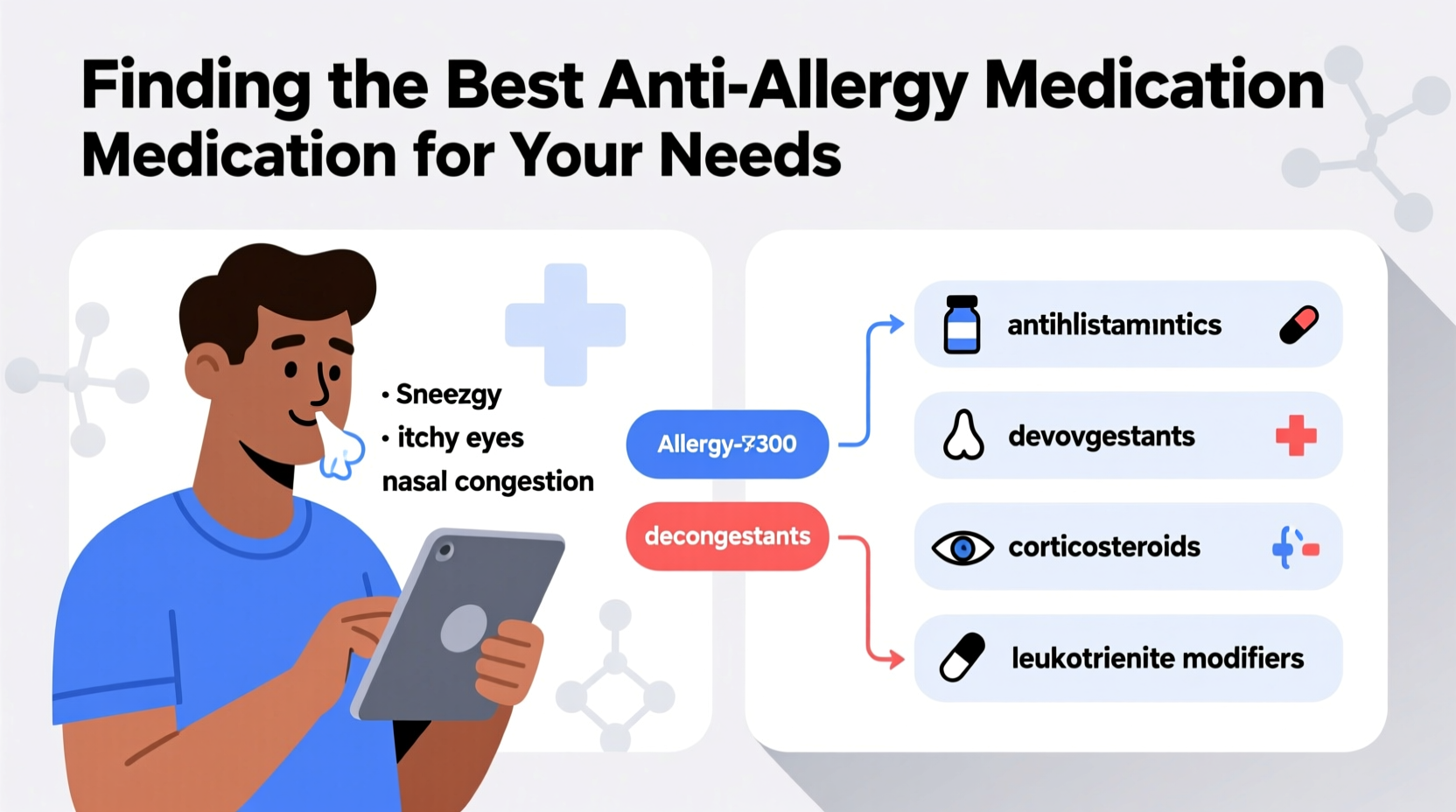
Allergic reactions occur when the immune system overreacts to a normally harmless substance. The severity and type of symptoms vary from person to person but commonly include:
- Sneezing
- Runny or stuffy nose
- Itchy or watery eyes
- Nasal congestion
- Postnasal drip
- Coughing
- Swelling or hives (in more severe cases)
Common triggers include seasonal allergens like tree or grass pollen, indoor irritants such as mold and dust mites, animal dander, and even certain foods. Identifying your primary trigger helps determine whether you need short-term relief for occasional exposure or long-term management for persistent symptoms.
Tip: Keep a symptom diary for two weeks to identify patterns in timing, environment, and severity—this can help pinpoint your main allergen.Types of Anti Allergy Medications and How They Work
Anti allergy medications fall into several categories, each targeting different aspects of the allergic response. Understanding these differences is essential for selecting the most effective treatment.
Antihistamines
These block histamine, a chemical released during an allergic reaction that causes itching, sneezing, and runny nose. Available in oral, nasal spray, and eye drop forms, antihistamines are effective for immediate symptom relief.
- First-generation: Diphenhydramine (Benadryl), chlorpheniramine – often cause drowsiness.
- Second-generation: Loratadine (Claritin), cetirizine (Zyrtec), fexofenadine (Allegra) – less sedating, longer-lasting.
Nasal Corticosteroids
These reduce inflammation in the nasal passages and are considered the most effective for treating nasal congestion, sneezing, and runny nose. They work best when used regularly, even before symptoms appear.
- Examples: Fluticasone (Flonase), mometasone (Nasonex), triamcinolone (Nasacort).
Decongestants
They shrink swollen nasal tissues to improve airflow. Often combined with antihistamines, decongestants provide fast relief but should not be used for more than three consecutive days due to rebound congestion.
- Oral: Pseudoephedrine (Sudafed)
- Nasal sprays: Oxymetazoline (Afrin)
Leukotriene Receptor Antagonists
These block chemicals called leukotrienes that contribute to inflammation. Montelukast (Singulair) is commonly prescribed for both allergies and asthma.
Combination Medications
Some products combine an antihistamine with a decongestant (e.g., Claritin-D, Zyrtec-D) for broader symptom coverage. These can be helpful but may carry additional side effects.
“Choosing the right allergy medication isn’t about picking the strongest one—it’s about matching the drug’s mechanism to your specific symptoms.” — Dr. Rebecca Lin, Board-Certified Allergist
Step-by-Step Guide to Choosing the Right Medication
Selecting the best anti allergy medication doesn’t have to be trial and error. Follow this structured approach to make a confident choice:
- Track your symptoms for at least one to two weeks. Note frequency, intensity, time of day, and potential triggers.
- Determine if your allergies are seasonal or year-round. Seasonal allergies may only require intermittent treatment, while perennial allergies benefit from daily maintenance meds.
- Assess your dominant symptoms. Are they mostly nasal? Eye-related? Skin-based? This guides which class of medication will be most effective.
- Review your medical history. Do you have high blood pressure, glaucoma, or thyroid issues? Some decongestants can worsen these conditions.
- Consider lifestyle factors. If you drive or operate machinery, avoid sedating antihistamines. If convenience matters, once-daily pills may suit you better than nasal sprays requiring precise technique.
- Start with OTC options like second-gen antihistamines or nasal steroids. Use consistently for 1–2 weeks to evaluate effectiveness.
- Consult a healthcare provider if symptoms persist, worsen, or interfere with sleep or work. You may need prescription medication or allergy testing.
Comparison Table: Top OTC Anti Allergy Medications
| Medication | Type | Dosing Frequency | Key Benefits | Potential Drawbacks |
|---|---|---|---|---|
| Loratadine (Claritin) | Antihistamine | Once daily | Non-drowsy, widely available | Slower onset; less effective for severe symptoms |
| Cetirizine (Zyrtec) | Antihistamine | Once daily | Faster action, strong relief | Mild drowsiness in some users |
| Fexofenadine (Allegra) | Antihistamine | Once daily | No drowsiness, good for daytime use | May interact with fruit juices (reduces absorption) |
| Fluticasone (Flonase) | Nasal Steroid | Once daily | Best for congestion and inflammation | Takes 12–24 hours to start working; requires consistent use |
| Pseudoephedrine (Sudafed) | Decongestant | Every 4–6 hours (up to 4x/day) | Rapid relief of nasal stuffiness | Can raise blood pressure; risk of insomnia and dependency |
Real-Life Example: Managing Spring Allergies at Work
Sarah, a 34-year-old project manager, began experiencing worsening sneezing, itchy eyes, and fatigue every April. Her office overlooked a park filled with blooming trees, and her symptoms peaked between 10 a.m. and 2 p.m. Initially, she took Benadryl, which helped briefly but left her groggy and unable to focus during meetings.
After consulting her doctor, Sarah switched to a daily regimen of fluticasone nasal spray starting two weeks before spring arrived. She also took cetirizine in the evening when needed. Within a week, her nasal congestion improved significantly, and she no longer experienced midday crashes. By aligning her treatment with her exposure pattern and job demands, Sarah regained control of her productivity and comfort.
Checklist: Before Starting a New Anti Allergy Medication
- ☐ Identify your primary symptoms and triggers
- ☐ Check for interactions with current medications (e.g., blood pressure drugs, antidepressants)
- ☐ Avoid alcohol when using sedating antihistamines
- ☐ Read labels carefully—some “non-drowsy” formulas still affect alertness in sensitive individuals
- ☐ Give nasal steroids at least one week to assess effectiveness
- ☐ Limit use of nasal decongestant sprays to 3 days maximum
- ☐ Schedule follow-up with a doctor if no improvement after 2 weeks
Frequently Asked Questions
Can I take allergy meds every day?
Yes, many modern antihistamines and nasal corticosteroids are safe for daily, long-term use when taken as directed. However, decongestants—especially nasal sprays—should not be used daily for extended periods due to the risk of rebound congestion.
Are natural remedies effective for allergies?
Some people find relief with saline rinses, butterbur, or quercetin, but evidence is mixed. Saline irrigation (e.g., neti pot) is well-supported for clearing nasal passages. Always consult your doctor before using herbal supplements, as they can interact with medications.
When should I see an allergist?
If over-the-counter medications fail to control your symptoms, or if you experience frequent sinus infections, asthma flare-ups, or anaphylaxis, seeing a board-certified allergist is recommended. They can perform skin or blood tests to identify specific triggers and may suggest immunotherapy (allergy shots or tablets).
Conclusion: Take Control of Your Allergy Relief
Finding the best anti allergy medication isn’t a one-size-fits-all process. It requires thoughtful evaluation of your symptoms, lifestyle, and health profile. With the right information and a strategic approach, you can move beyond guesswork and achieve lasting relief. Start by identifying your triggers, experiment responsibly with OTC options, and don’t hesitate to seek professional guidance when needed. Your quality of life shouldn’t be dictated by seasonal changes or environmental exposures.
💬 Have a tip that changed your allergy experience? Share your story in the comments and help others find relief faster.








