
Frequent urination is a common concern among women, especially when it occurs without accompanying pain or discomfort. While occasional increases in bathroom trips may be normal, consistently needing to urinate—particularly if it disrupts sleep or daily routines—can signal underlying physiological or lifestyle-related factors. Unlike urinary tract infections (UTIs), which often come with burning sensations or urgency, painless frequent urination requires a different diagnostic approach. Understanding the root causes empowers women to take timely action, whether through lifestyle adjustments or medical consultation.
Understanding Normal vs. Frequent Urination
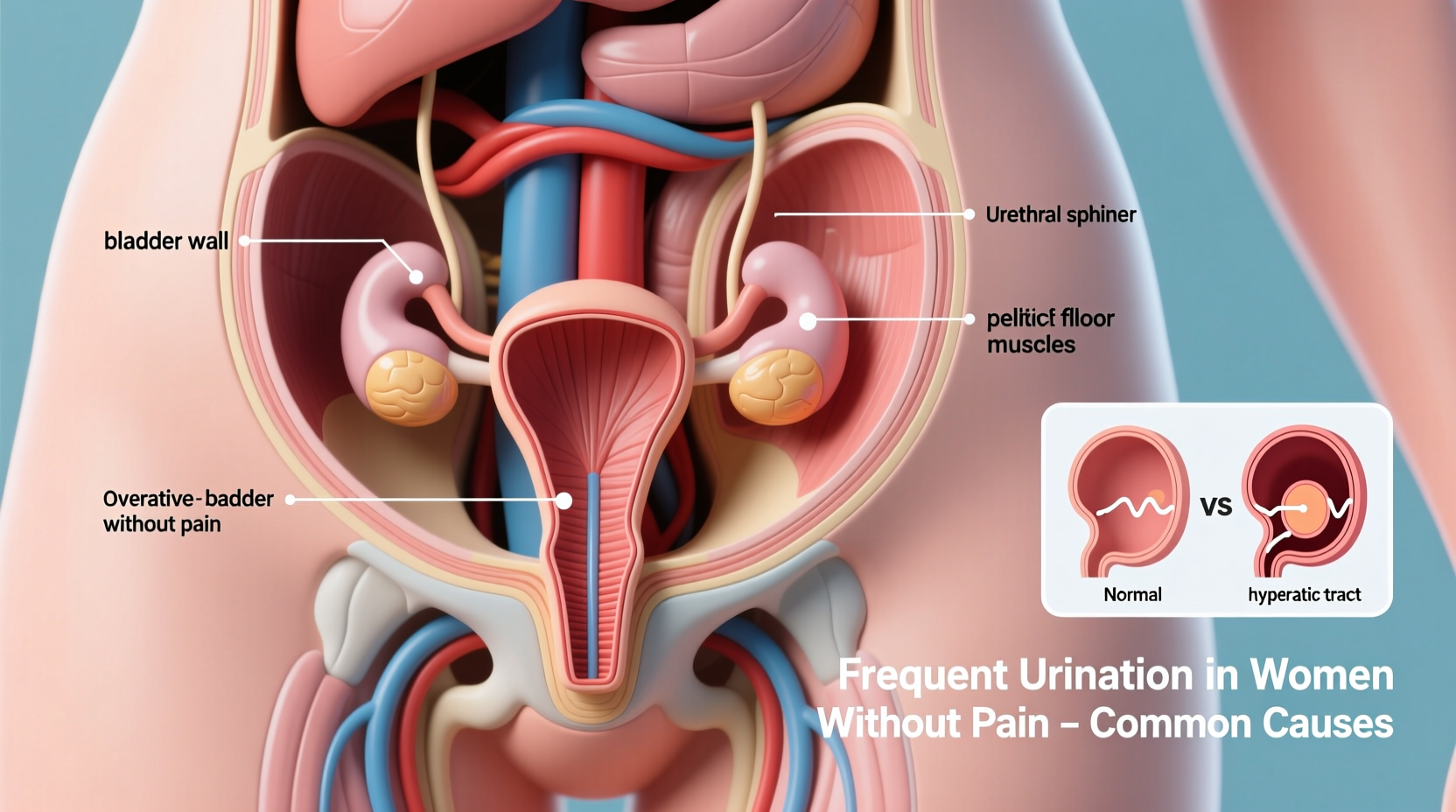
The average adult urinates about 6 to 8 times per day, though this can vary based on fluid intake, age, and overall health. Frequent urination is generally defined as needing to urinate more than 8 times in 24 hours, or waking up multiple times at night to use the bathroom—a condition known as nocturia. When this happens without pain, infection, or fever, the causes are often non-inflammatory and may include hormonal shifts, metabolic conditions, or behavioral habits.
It's important to distinguish frequency from urgency. Some women experience both, but others may simply feel the need to go often without any sudden or intense urge. This subtle difference helps healthcare providers narrow down potential causes during evaluation.
Common Non-Painful Causes of Frequent Urination
Several physiological and lifestyle-related factors can lead to increased urination without discomfort. These causes range from benign to clinically significant and should be evaluated in context with other symptoms and personal health history.
1. Excessive Fluid Intake
Drinking large volumes of water, herbal teas, or other liquids naturally increases urine production. While hydration is essential, overconsumption—especially close to bedtime—can result in frequent nighttime urination. Beverages containing caffeine or alcohol act as diuretics, stimulating the kidneys to produce more urine.
Tip: Monitor your fluid intake, especially in the evening. Try reducing caffeine after 2 PM and limiting drinks two hours before bed to reduce nocturia.2. Pregnancy
During pregnancy, particularly in the first and third trimesters, the growing uterus exerts pressure on the bladder. This mechanical compression reduces bladder capacity and leads to more frequent urination—even without infection. Hormonal changes also increase blood flow to the kidneys, enhancing urine production.
3. Diabetes Mellitus and Diabetes Insipidus
Both types of diabetes can cause frequent urination due to high blood sugar levels (in type 1 and type 2 diabetes) or impaired kidney regulation of water balance (in diabetes insipidus). In diabetes mellitus, excess glucose spills into the urine, pulling water with it through osmotic diuresis. Common signs include increased thirst, fatigue, and unexplained weight loss alongside frequent urination.
“Polyuria—excessive urine output—is one of the cardinal signs of undiagnosed diabetes. Women presenting with painless frequency should have their blood glucose checked.” — Dr. Lena Patel, Endocrinologist
4. Overactive Bladder (OAB)
OAB is a clinical syndrome characterized by urinary urgency, frequency, and sometimes incontinence, but not necessarily pain. It results from involuntary contractions of the bladder muscle (detrusor overactivity), which can occur even when the bladder isn’t full. While OAB is more common in older women, it can affect younger individuals due to nerve signaling issues or pelvic floor dysfunction.
5. Hormonal Changes During Menopause
Declining estrogen levels during perimenopause and menopause affect the tissues of the urethra and bladder neck, leading to thinning and reduced elasticity. This condition, known as genitourinary syndrome of menopause (GSM), can contribute to urinary frequency, even in the absence of infection. Many women mistake these symptoms for UTIs, but cultures often return negative.
Lifestyle and Medication Triggers
Beyond medical conditions, certain behaviors and medications can significantly influence urinary frequency.
Dietary Influences
- Caffeine: Found in coffee, tea, chocolate, and some sodas, it stimulates bladder activity.
- Artificial sweeteners: May irritate the bladder in sensitive individuals.
- Spicy foods and acidic fruits: Though more commonly linked to painful symptoms, they can exacerbate frequency in some women.
Medications
Diuretics—commonly prescribed for hypertension or heart conditions—directly increase urine output. Other medications like lithium, certain antipsychotics, and calcium channel blockers may also affect kidney function or bladder control.
| Cause | Key Features | When to Seek Help |
|---|---|---|
| Excessive fluid/caffeine | Timing linked to intake, resolves with reduction | If frequency persists despite lifestyle changes |
| Pregnancy | Onset in early or late pregnancy, no infection signs | Routine prenatal care usually sufficient |
| Diabetes | Increased thirst, weight changes, fatigue | Immediate testing recommended |
| Overactive Bladder | Urgency, possible leakage, normal urine tests | If affecting quality of life |
| Menopause (GSM) | Vaginal dryness, urinary irritation, no infection | Consider hormone therapy options |
Mini Case Study: Sarah’s Experience
Sarah, a 48-year-old teacher, began waking up three times nightly to urinate. She had no pain, burning, or fever, and her urine tests came back clear. Initially, she assumed it was stress-related. After tracking her habits, she noticed she drank four cups of green tea daily—one right before bed. Her doctor reviewed her symptoms and suggested reducing evening fluids and evaluating for overactive bladder. A week later, Sarah switched to decaf herbal tea after 6 PM and started pelvic floor exercises. Within ten days, her nighttime trips dropped to once per night. Blood work ruled out diabetes, and her provider diagnosed mild OAB exacerbated by fluid timing. With small changes, Sarah regained restful sleep.
Step-by-Step Guide to Managing Painless Frequent Urination
- Track your voiding patterns: Keep a 3-day bladder diary noting time, volume (if possible), fluid intake, and activities.
- Limit diuretics: Cut back on caffeine, alcohol, and carbonated beverages, especially in the afternoon and evening.
- Adjust fluid timing: Spread intake evenly throughout the day; avoid large amounts before bedtime.
- Evaluate medications: Review prescriptions with your doctor to identify possible contributors.
- Test for underlying conditions: Request blood glucose testing and possibly a glycosylated hemoglobin (HbA1c) test to rule out diabetes.
- Strengthen pelvic floor muscles: Practice Kegel exercises twice daily to improve bladder control.
- Consult a specialist: If symptoms persist, see a urogynecologist or urologist for further evaluation.
FAQ
Can anxiety cause frequent urination without pain?
Yes. Anxiety activates the sympathetic nervous system, which can increase bladder sensitivity and trigger more frequent urges. This is often situational—occurring during stressful events—but may become chronic if not addressed.
Is frequent urination during menopause normal?
It’s common but not inevitable. Declining estrogen affects bladder and urethral tissue integrity, contributing to frequency. Local vaginal estrogen therapy has been shown to improve symptoms in many women.
When should I see a doctor for frequent urination?
Seek medical advice if you urinate more than 8–10 times daily, wake up more than twice nightly, experience leakage, or notice additional symptoms like excessive thirst, fatigue, or unexplained weight loss.
Conclusion
Frequent urination in women without pain is more than just a minor inconvenience—it can reflect underlying metabolic, hormonal, or neurological factors that warrant attention. While lifestyle habits like excessive caffeine or poor fluid management are common culprits, conditions like diabetes, overactive bladder, and menopausal changes require proper diagnosis and care. By understanding the potential causes and taking proactive steps—from adjusting diet to seeking medical evaluation—women can regain control over their urinary health and overall well-being.
💬 Have you experienced frequent urination without pain? Share your story or tips in the comments to help others navigate this common yet often overlooked issue.








