
A runny nose during exercise is more common than many realize, yet it can significantly disrupt performance, breathing rhythm, and mental focus. Whether you're jogging outdoors in cold weather, pushing through an indoor HIIT session, or practicing yoga in a dusty studio, excess nasal discharge can be both distracting and uncomfortable. The good news: most causes are manageable with the right approach. Understanding why your nose runs when you work out—and how to address it—is key to maintaining consistency, endurance, and concentration in your fitness routine.
Why Does Your Nose Run When You Exercise?
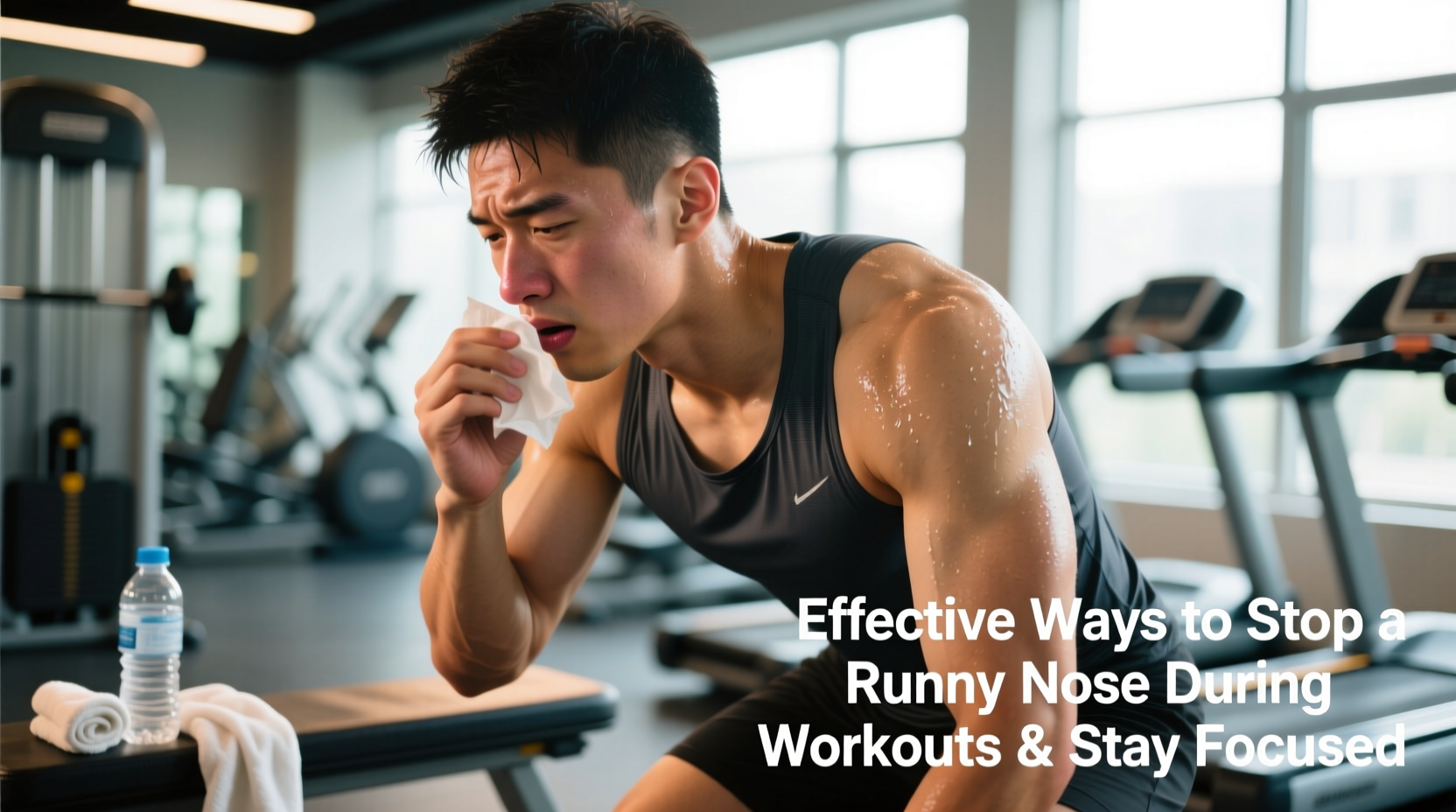
Exercise-induced rhinorrhea—the medical term for a runny nose during physical activity—is often harmless but frustrating. During exertion, blood flow increases throughout the body, including the nasal passages. This can lead to swelling of the nasal membranes and increased mucus production. Additionally, changes in temperature, humidity, allergens, and even breathing patterns play a role.
Cold, dry air is a major trigger. When you breathe rapidly through your nose during outdoor winter workouts, the nasal tissues work harder to warm and humidify the air, stimulating mucus glands. Similarly, indoor environments may harbor dust, mold, or cleaning chemicals that irritate sensitive nasal linings. In some cases, non-allergic rhinitis or exercise-induced asthma may contribute, making symptom management essential.
Tip: If your runny nose only happens during exercise and not at rest, it’s likely vasomotor rhinitis—triggered by physical stimuli rather than allergies.Effective Strategies to Reduce Nasal Discharge During Workouts
Managing a runny nose isn’t about suppressing natural bodily functions—it’s about supporting your respiratory system so it doesn’t interfere with your goals. The following strategies target root causes and offer real relief.
Breathe Through Your Mouth Strategically
While nasal breathing has benefits for oxygen uptake and filtration, switching to mouth breathing during intense intervals can reduce nasal irritation. By bypassing the nose, you minimize stimulation of mucus-producing glands. However, balance is key: prolonged mouth breathing in cold air may cause throat dryness or coughing. Try alternating—inhale through the nose during warm-up and cool-down, switch to mouth inhalation during peak intensity.
Use a Buff or Light Face Covering in Cold Weather
A lightweight neck gaiter or moisture-wicking face mask acts as a microclimate buffer. It traps warmth and moisture from exhaled breath, which helps condition incoming air before it hits sensitive nasal passages. Studies show that facial coverings can reduce exercise-induced rhinorrhea by up to 40% in cold environments.
Pre-Treat with Saline Nasal Spray
Rinsing your nasal passages 15–30 minutes before a workout with a saline solution helps clear irritants and stabilizes mucosal membranes. Unlike decongestant sprays, saline is non-addictive and safe for daily use. Look for isotonic or slightly hypertonic formulas depending on congestion level.
“Saline irrigation before exercise primes the nasal cavity, reducing reactive mucus overproduction.” — Dr. Lena Patel, Otolaryngologist
Identify and Eliminate Environmental Triggers
Many people overlook how their workout environment contributes to nasal symptoms. Gyms, trails, and home spaces can harbor invisible irritants. Consider the following:
- Indoor allergens: Dust mites, mold spores, and cleaning residue on equipment.
- Outdoor triggers: Pollen, vehicle exhaust, and sudden temperature shifts.
- Chemical irritants: Chlorine in pools, strong fragrances in studios.
Conduct a personal audit of where and when symptoms occur. For example, if your nose runs only during morning runs, check local pollen forecasts. If it flares indoors, inspect HVAC filters or request low-VOC cleaning products at your gym.
| Symptom Pattern | Possible Trigger | Action Step |
|---|---|---|
| Worse in cold weather | Dry, cold air | Wear face covering; pre-breathe warm air indoors |
| Occurs only at gym | Dust, cleaning agents | Switch machines or wipe surfaces; bring own mat |
| Worse in spring/fall | Pollen exposure | Exercise later in day; shower post-workout |
| After swimming | Chlorine irritation | Rinse nasal passages post-swim; use swim-specific saline |
Step-by-Step Guide to Preventing a Runny Nose Before and During Exercise
Follow this actionable timeline to minimize symptoms and maintain focus:
- 24 Hours Before Workout: Check air quality and pollen index. If high, consider shifting to indoor training.
- 1 Hour Before: Hydrate well—well-lubricated mucous membranes are less reactive.
- 30 Minutes Before: Use saline nasal spray or rinse with a neti pot if prone to congestion.
- 10 Minutes Before: Warm up indoors to acclimate nasal passages to increased airflow.
- During Workout: Monitor breathing pattern. If nose begins to run, slow pace briefly and switch to mouth breathing.
- Post-Workout: Rinse face and nostrils with clean water to remove allergens or pollutants.
When Allergies Are the Culprit: What to Do
If your runny nose is accompanied by sneezing, itchy eyes, or postnasal drip, allergies may be the underlying cause. Exercise can amplify allergic responses due to increased air intake. Over-the-counter antihistamines like loratadine (Claritin) or cetirizine (Zyrtec) taken 60–90 minutes before activity can prevent histamine release without causing drowsiness in most people.
For seasonal sufferers, starting medication a week before peak allergy season can provide preemptive protection. Immunotherapy (allergy shots or drops) is another long-term option for those with confirmed sensitivities.
Mini Case Study: Marathon Training in Allergy Season
Sophia, a 32-year-old runner training for her first marathon, noticed worsening nasal symptoms every spring. Her morning runs left her sniffly and unfocused by mile four. After tracking her symptoms and consulting an allergist, she discovered a sensitivity to tree pollen. By switching her run time to late afternoon (when pollen settles), taking a daily non-drowsy antihistamine, and using saline spray pre-run, Sophia reduced her nasal symptoms by 80%. She completed her race without interruption and now plans her training around allergy forecasts.
Frequently Asked Questions
Can dehydration make a runny nose worse during exercise?
No—ironically, dehydration typically causes thicker mucus, but in the case of exercise-induced rhinorrhea, it's overproduction rather than consistency that’s problematic. However, staying hydrated supports overall respiratory health and helps maintain balanced mucus viscosity.
Is it safe to use decongestant nasal sprays before working out?
Short-term use (1–2 days) of oxymetazoline (Afrin) is generally safe for severe congestion, but regular use can lead to rebound rhinitis—worsening symptoms after the effect wears off. Stick to saline for routine prevention and consult a doctor if chronic congestion persists.
Can breathing exercises help control a runny nose?
Yes. Techniques like diaphragmatic breathing and paced respiration improve nasal airflow regulation and reduce hyperventilation, which can trigger mucus production. Practicing box breathing (4-second inhale, 4-second hold, 4-second exhale) during warm-up may stabilize nasal response.
Checklist: Stay Clear and Focused During Your Next Workout
- ☐ Assess environmental conditions (pollen, temperature, air quality)
- ☐ Pack saline nasal spray in your workout bag
- ☐ Wear a breathable face covering in cold/dry conditions
- ☐ Pre-hydrate with water or electrolyte drink
- ☐ Use non-drowsy antihistamine if allergies are suspected
- ☐ Warm up indoors before heading outside
- ☐ Monitor breathing pattern and adjust as needed
- ☐ Rinse nasal passages post-exercise
Conclusion: Train Smarter, Not Harder—With a Clear Nose
A runny nose doesn’t have to derail your fitness progress. With targeted preparation and awareness of your triggers, you can minimize discomfort and maintain full mental and physical engagement during every workout. Small adjustments—like using saline spray, modifying breathing technique, or timing your sessions wisely—can yield significant improvements in comfort and performance. Listen to your body, respond proactively, and keep your focus where it belongs: on your goals.
🚀 Ready to train without distractions? Start applying one tip today—track your results, and share what works for you in the comments below.








