In the ever-evolving world of beauty and personal care, one shift has gained quiet but powerful momentum: the move from disposable to reusable products. Among these, reusable makeup remover pads have emerged as a popular alternative to their single-use cotton or non-woven counterparts. Marketed as eco-friendly, cost-effective, and gentler on the skin, they promise a more sustainable beauty routine. But are they truly worth switching to? For many, the decision hinges not just on environmental impact, but on practicality, hygiene, comfort, and long-term value. This article dives deep into the real differences between reusable and disposable makeup remover pads, offering a balanced, evidence-based comparison to help you make an informed choice.
The Environmental Impact: A Closer Look
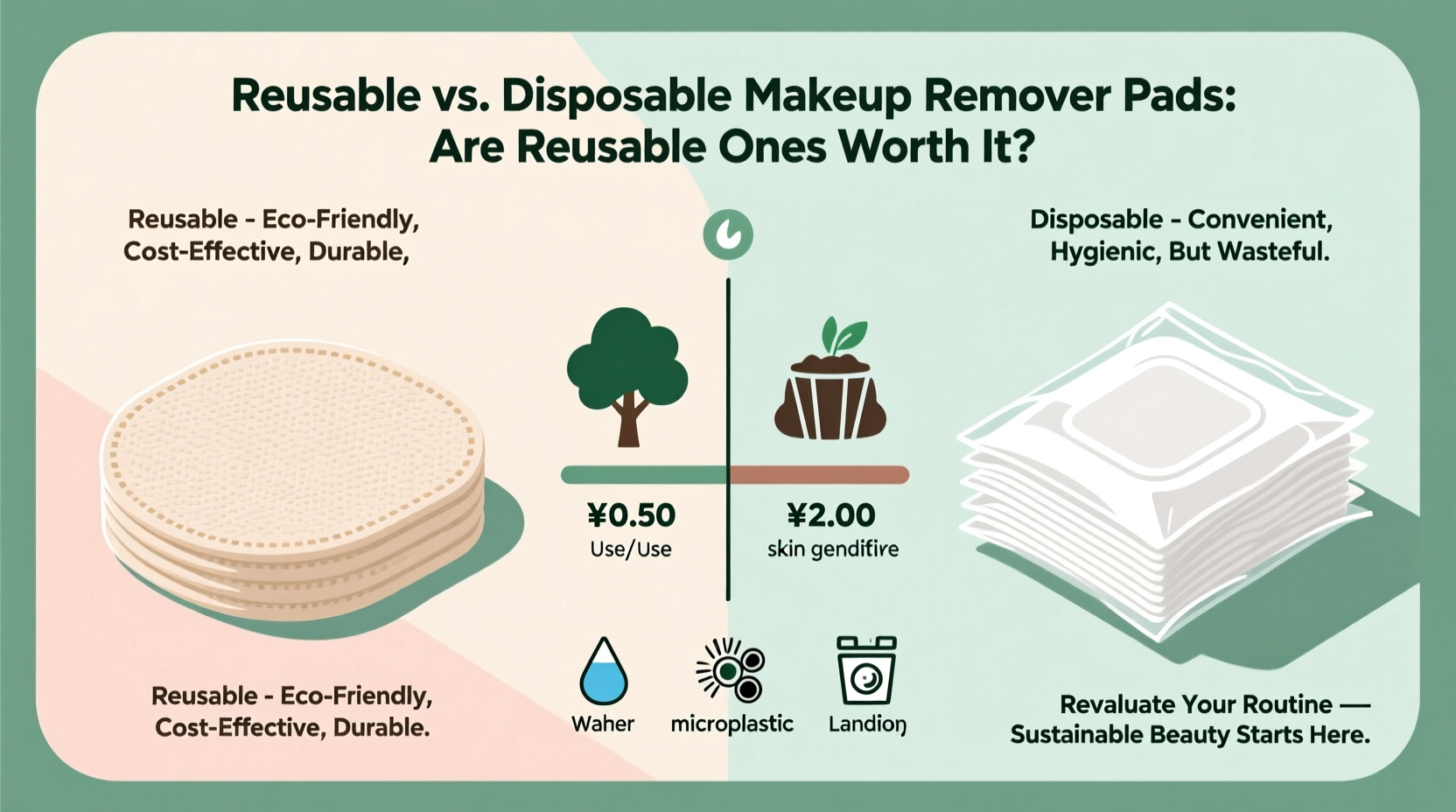
The most compelling argument for reusable pads is their environmental benefit. Disposable pads—typically made from cotton, rayon, or synthetic fibers—are designed for one-time use. After removing makeup, they’re tossed, often ending up in landfills or, worse, flushed down toilets where they contribute to plumbing issues and water pollution.
A single person using two disposable pads per day generates over 700 used pads annually. Multiply that by millions of users globally, and the waste becomes staggering. According to the Environmental Protection Agency (EPA), personal hygiene products like cotton rounds contribute significantly to municipal solid waste, with limited biodegradability if blended with synthetics.
In contrast, reusable pads are typically made from organic cotton, bamboo, or microfiber blends and can last anywhere from 300 to 1,000 washes. One set of six to eight reusable pads can replace thousands of disposables over its lifetime. When cared for properly, their carbon footprint per use diminishes dramatically over time.
Tip: To maximize the lifespan of your reusable pads, wash them in a mesh laundry bag to prevent snagging and fading.Cost Comparison: Upfront vs. Long-Term Savings
While reusable pads require a higher initial investment—typically $15 to $30 for a starter pack—their long-term savings are significant. Let’s break this down with a realistic example.
| Product Type | Initial Cost | Replacement Frequency | Annual Cost | 5-Year Total |
|---|---|---|---|---|
| Disposable Cotton Pads (store brand) | $5 per 100-pack | Every 2 months | $30 | $150 |
| Premium Disposable Rounds | $8 per 80-pack | Every 2 months | $48 | $240 |
| Reusable Pads (8-pack, mid-range) | $22 | Every 3–5 years | $4.40 (amortized) | $22 |
The numbers speak clearly: even with occasional machine washing and detergent use, reusable pads pay for themselves within 3 to 6 months. Over five years, a user could save between $128 and $218 compared to premium disposables. The environmental savings—measured in reduced packaging, transportation emissions, and landfill contribution—are equally impactful.
Performance and Skin Sensitivity
Effectiveness is paramount when removing makeup. No matter how sustainable a product is, it must perform well. Reusable pads, particularly those made with dual-textured surfaces (soft fleece on one side, slightly textured terry on the other), offer superior absorbency and gentle exfoliation. Many users report that reusable pads remove stubborn waterproof mascara and full-coverage foundation more efficiently than thin, flimsy disposables.
From a dermatological standpoint, reusables tend to be gentler. High-quality versions are free from chemical bleaches, fragrances, and binders commonly found in conventional cotton pads. These additives can irritate sensitive or acne-prone skin. Organic cotton and bamboo fiber options are naturally hypoallergenic and less likely to cause micro-tears during wiping.
“Switching to reusable pads reduced my facial redness almost immediately. I hadn’t realized how much irritation I was causing with rough, processed cotton rounds.” — Dr. Lena Patel, Board-Certified Dermatologist
That said, performance depends on proper maintenance. A pad that isn’t cleaned thoroughly can harbor bacteria, oils, and residual makeup, potentially leading to breakouts. This makes hygiene practices critical—and a key differentiator between success and failure with reusables.
Hygiene and Maintenance: The Real Challenge
One of the most common concerns about reusable pads is cleanliness. Can a small cloth pad, used daily on the face, remain sanitary after multiple washes?
The answer is yes—but only with consistent care. Unlike disposable pads, which are discarded after one use, reusables must be laundered regularly. Experts recommend washing them after every use, ideally in hot water (at least 60°C or 140°F) to kill bacteria and dissolve makeup residue.
Here’s a step-by-step guide to maintaining hygiene without hassle:
- After Use: Rinse the pad under cold water to remove excess makeup and prevent stains.
- Storage: Place used pads in a breathable, moisture-wicking wet bag—not sealed plastic—to avoid mildew.
- Washing: Toss pads into a mesh laundry bag and wash with towels or delicates using mild, fragrance-free detergent.
- Drying: Air dry flat or tumble dry on low heat. Avoid fabric softeners, which reduce absorbency.
- Replacement: Inspect pads monthly. Discard if frayed, thinning, or no longer cleaning effectively.
While this routine adds a small layer of effort, many users integrate it seamlessly into their weekly laundry schedule. For households already doing frequent loads, the added time is negligible.
Tip: Add a tablespoon of white vinegar to the rinse cycle to naturally disinfect and deodorize pads.Real-Life Example: A 90-Day Switch Experiment
Sophie, a 32-year-old marketing professional in Portland, decided to test reusable pads for three months. She had previously used premium disposable cotton rounds, spending about $50 annually. Skeptical about convenience and cleanliness, she purchased an 8-pack of bamboo-cotton blend pads with a matching wet bag.
At first, Sophie forgot to rinse the pads immediately after use, leading to a few stained rounds. However, after placing a reminder note on her bathroom mirror and using a small basket to collect used pads, the habit stuck. She washed them every Sunday with her towel load.
By week six, she noticed her skin felt smoother and less reactive. “I didn’t think cotton could be abrasive, but now I do,” she said. “The reusable ones feel plush, and I use less micellar water because they hold more liquid.”
After 90 days, Sophie calculated her savings: $12.50 in avoided purchases, plus reduced micellar water usage. More importantly, she diverted approximately 180 disposable pads from landfill. “It’s not a huge change,” she admitted, “but it feels meaningful. I’ve recommended them to three friends.”
What Experts Say About Sustainability in Beauty
The beauty industry is undergoing a quiet revolution driven by consumer demand for transparency and responsibility. According to a 2023 report by Grand View Research, the global reusable beauty tools market is projected to grow at 9.4% annually through 2030, fueled largely by zero-waste initiatives and Gen Z preferences.
Dr. Naomi Chen, a sustainability researcher at the University of California, notes: “Small switches like reusable pads may seem insignificant individually, but collectively, they represent a shift toward circular consumption. If just 10% of U.S. makeup users switched, we’d eliminate over 500 million disposable pads from waste streams each year.”
“The power of reusable beauty tools isn’t just in what they replace—it’s in changing our mindset about consumption.” — Dr. Naomi Chen, Environmental Scientist
This behavioral shift is critical. As climate awareness grows, consumers are increasingly evaluating products not just by price or performance, but by lifecycle impact. Reusable pads exemplify how minor changes can align daily habits with broader ecological values.
Common Misconceptions Debunked
Despite growing popularity, several myths persist about reusable pads:
- Myth: They’re unhygienic. With proper washing, reusable pads are no less sanitary than disposables—many users find them cleaner due to controlled materials and absence of industrial processing chemicals.
- Myth: They fall apart quickly. Lower-quality pads may degrade faster, but reputable brands use reinforced stitching and durable fabrics. Look for double-stitched edges and OEKO-TEX certification.
- Myth: They take too much effort to clean. In reality, they add less than two minutes to your routine if batch-washed with other laundry.
Frequently Asked Questions
Can I use reusable pads with acne treatments or retinoids?
Yes, but be cautious. Pads can retain traces of active ingredients, so wash them promptly to avoid cross-contamination or irritation. Some users prefer separate pads for medicated versus regular cleansing.
Do reusable pads work with all skin types?
Most do, especially those made from natural fibers like organic cotton or bamboo. People with extremely sensitive skin should avoid microfiber if it causes friction. Always patch-test new materials.
How do I dispose of reusable pads at the end of their life?
Biodegradable options (e.g., 100% cotton or bamboo) can be composted if free of synthetic stitching. Otherwise, dispose of them in general waste. Some brands offer take-back programs for recycling.
Action Checklist: Making the Switch Successfully
If you're considering reusable pads, follow this checklist to ensure a smooth transition:
- ✅ Choose a high-quality set with varied textures (e.g., terry and fleece).
- ✅ Buy a reusable wet bag for storing used pads between washes.
- ✅ Commit to washing pads within 24 hours of use.
- ✅ Use a mesh laundry bag to protect pads during washing.
- ✅ Replace pads every 1–2 years or when effectiveness declines.
- ✅ Track your savings and waste reduction for motivation.
Final Verdict: Are They Worth It?
The answer depends on your priorities, but for most people, reusable makeup remover pads are indeed worth the switch. They offer tangible benefits: lower long-term costs, reduced environmental impact, improved skin comfort, and alignment with sustainable living principles. While they require a slight adjustment in routine, the learning curve is minimal, and the rewards accumulate over time.
They aren’t perfect—poorly maintained pads can become unhygienic, and cheap versions may disappoint. But with mindful selection and consistent care, reusable pads prove to be more than a trend. They represent a thoughtful upgrade in personal care: efficient, economical, and environmentally responsible.
💬 Ready to make the switch or already using reusable pads? Share your experience, tips, or favorite brands in the comments below. Your insights could inspire someone else to start their own sustainable beauty journey.








