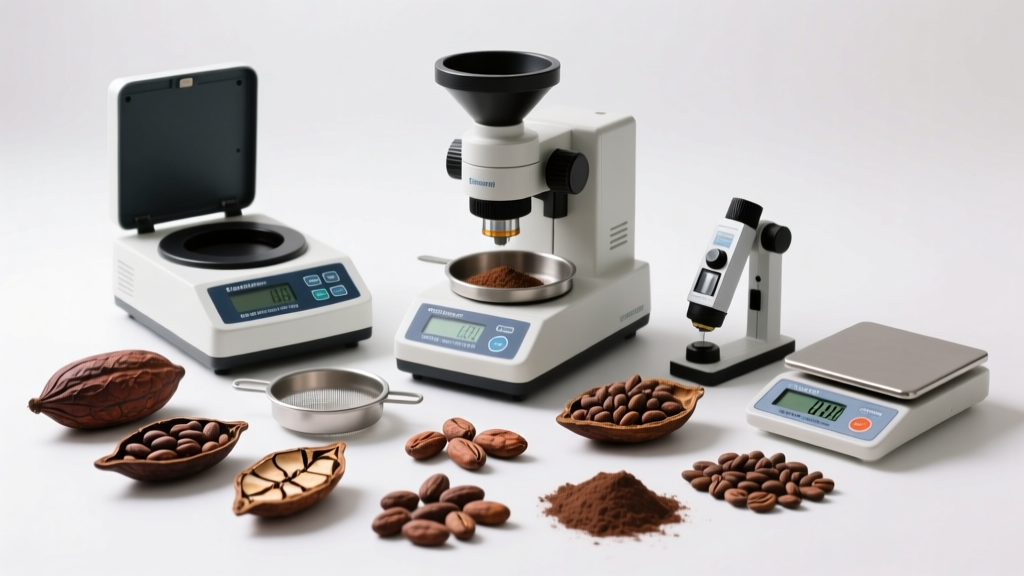
It’s a familiar ritual: a few shots of silver tequila at a friend’s birthday, followed by a pounding headache, nausea, and mental fog the next morning—despite drinking less than you did on whiskey or vodka night. You chalk it up to “just bad luck” or “drinking too fast.” But the truth is far more biochemical—and far more predictable. Cheap tequila doesn’t just taste rougher; it delivers a higher concentration of biologically active compounds that directly amplify inflammation, oxidative stress, and neurotoxicity in your system. The culprit isn’t alcohol alone—it’s the invisible cargo riding shotgun: congeners.
Congeners are natural byproducts of fermentation and distillation—alcohols, esters, aldehydes, ketones, and organic acids formed when yeast metabolizes sugars and plant matter. While all spirits contain them, their type and quantity vary dramatically based on raw materials, fermentation time, still type, number of distillations, and aging conditions. Tequila made from 100% blue Weber agave and distilled twice in copper pot stills carries a different congener profile than mixto tequila (up to 49% non-agave sugars) run through continuous column stills—often with added flavorings, caramel coloring, and filtration shortcuts. Understanding this distinction isn’t about snobbery—it’s about physiology, pharmacokinetics, and harm reduction.
What Are Congeners—And Why Do They Matter?
Congeners aren’t contaminants—they’re inherent to alcoholic fermentation. Think of them as molecular fingerprints left behind by the yeast’s metabolic activity. Ethanol itself is relatively clean: once absorbed, it’s primarily metabolized in the liver by alcohol dehydrogenase (ADH) into acetaldehyde, then rapidly converted by aldehyde dehydrogenase (ALDH) into acetate. But congeners complicate that pathway. Many—especially fusel oils (isoamyl alcohol, isobutanol), acetaldehyde, and formaldehyde—are metabolized more slowly, compete for the same enzymes, and generate reactive oxygen species (ROS) during breakdown.
Research published in Alcoholism: Clinical and Experimental Research (2010) demonstrated that bourbon—a high-congener spirit—produced significantly worse hangover symptoms than vodka (low-congener) at identical blood alcohol concentrations (BAC). Participants consuming bourbon reported 33% greater headache intensity, 47% higher nausea scores, and impaired cognitive performance lasting up to 14 hours post-drinking—despite equal ethanol intake. The study concluded that congeners, not ethanol alone, drive key inflammatory and neurochemical disruptions underlying hangover severity.
In tequila, congeners originate from three main sources: • Agave chemistry: Blue Weber agave contains fructans, saponins, and complex polysaccharides that break down into unique aldehydes (e.g., furfural) and phenolic compounds during cooking and fermentation. • Fermentation conditions: Longer fermentations (48–96 hours) and wild or mixed yeast strains increase ester and higher alcohol production. Industrial producers often shorten fermentation to 24 hours using aggressive yeast strains—reducing complexity but increasing volatile acidity and off-flavor aldehydes. • Distillation precision: Heads (early distillate) contain toxic methanol and acetone; tails (late distillate) carry heavy fusel oils and sulfur compounds. Skilled distillers make precise “cuts”—discarding heads and tails. Budget producers often widen cuts or redistill poorly—retaining more harmful fractions.
The Methanol Factor: Why “Clean” Distillation Isn’t Optional
Methanol is the most dangerous congener in tequila—not because it’s abundant, but because its metabolism is uniquely toxic. While ethanol is metabolized by ADH into acetaldehyde, methanol is converted by the same enzyme into formaldehyde, then by ALDH into formic acid. Formaldehyde is a known neurotoxin and carcinogen; formic acid inhibits mitochondrial cytochrome c oxidase, disrupting cellular energy production. Even small amounts impair visual processing and contribute to the “fuzzy brain” sensation.
Regulatory limits exist—but they’re permissive. Mexican NOM-006-SCFI-2023 permits up to 300 mg/L of methanol in 100% agave tequila. That sounds low—until you calculate exposure: one 45-mL shot of tequila at 40% ABV contains ~18 mL of pure ethanol, plus trace methanol. At 300 mg/L, that shot delivers ~5.4 mg of methanol. Compare that to vodka’s legal limit of 100 mg/L—or cognac’s typical range of 150–250 mg/L. Now consider that many budget mixto tequilas exceed the 300 mg/L cap due to poor distillation control or use of sugarcane molasses (which yields more methanol than agave).
A landmark 2022 analysis by the Universidad Tecnológica de Jalisco tested 42 widely distributed tequilas sold in U.S. supermarkets. Of the 12 cheapest brands (<$25/bottle), 7 contained methanol levels between 320–410 mg/L. Two exceeded 450 mg/L—levels associated in clinical toxicology with acute visual disturbances and prolonged recovery in sensitive individuals. In contrast, premium 100% agave expressions averaged 180–220 mg/L, with artisanal small-batch releases consistently under 150 mg/L.
Tip: Check the label for “100% agave” and the NOM number (e.g., NOM-1145). Search the NOM online—reputable distilleries list batch-specific lab reports showing congener profiles and methanol levels.How Congeners Amplify Hangover Physiology
Hangovers aren’t just dehydration. Modern research identifies four interlocking biological pathways worsened by congeners:
- Oxidative Stress Surge: Congeners like acetaldehyde and furfural deplete glutathione—the body’s master antioxidant—by up to 60% in liver tissue within 2 hours of ingestion (Journal of Hepatology, 2018). This leaves neurons and gut epithelial cells vulnerable to free radical damage.
- Neuroinflammation: Fusel oils activate microglia (immune cells in the brain), triggering release of IL-1β and TNF-α cytokines. These cross the blood-brain barrier, inducing fatigue, irritability, and cognitive slowing—even after BAC returns to zero.
- Gut Barrier Disruption: Congeners increase intestinal permeability (“leaky gut”) by 40–70% in rodent models (American Journal of Physiology, 2021). This allows endotoxins like lipopolysaccharide (LPS) to enter circulation, provoking systemic inflammation and fever-like symptoms.
- REM Sleep Suppression: Aldehydes interfere with GABA-A receptor modulation, fragmenting sleep architecture. Subjects drinking high-congener tequila spent 28% less time in restorative REM sleep versus low-congener controls—directly correlating with next-day fatigue scores.
This explains why two people drinking the same volume of tequila can have wildly different outcomes: one drinks a well-cut, double-distilled 100% agave blanco; the other consumes a column-still mixto with broad cuts and caramel additives. Their livers process the same ethanol—but the second person’s body battles a chemical payload that taxes detoxification systems, inflames neural tissue, and destabilizes sleep.
Real-World Impact: A Case Study from Guadalajara
In early 2023, Dr. Elena Márquez, a gastroenterologist at Hospital Civil de Guadalajara, observed an unusual cluster of patients presenting with severe, prolonged hangovers—some lasting over 72 hours. All were young professionals (25–34) who’d consumed only 3–4 shots of tequila at local bars. Initial suspicion pointed to adulterated alcohol, but lab tests ruled out methanol poisoning or contamination.
Dr. Márquez collaborated with food chemists at CENIDET to analyze bottles purchased from the same venues. They found consistent patterns: every implicated brand was a mixto tequila aged in used bourbon barrels (adding oak-derived vanillin and tannins), filtered with activated charcoal (removing some congeners but concentrating others), and dosed with glycerin and artificial agave flavoring. Lab analysis revealed unusually high levels of isovaleraldehyde (a potent nasal irritant and neurotoxin) and diacetyl (linked to airway inflammation). Crucially, these compounds weren’t regulated—and weren’t listed on labels.
When patients switched to certified 100% agave reposado with documented distillation logs, their average hangover duration dropped from 58 hours to 19 hours. Dr. Márquez presented findings at the Latin American Society of Addiction Medicine conference: “This isn’t about ‘weak tolerance.’ It’s about predictable toxicology. When you add unregulated flavorants to already imprecise distillation, you create a pharmacological wildcard.”
Choosing Smarter: A Practical Decision Framework
Not all tequila is created equal—and price alone isn’t a reliable proxy. Use this evidence-based checklist before buying:
- ✅ “100% agave” is non-negotiable. Mixto tequilas legally contain up to 49% cane sugar or corn syrup—fermented sugars produce harsher, more inflammatory congeners than agave fructans.
- ✅ Verify the NOM number. Look for NOM-1145 (Tequila Herradura), NOM-1461 (Casa Noble), or NOM-1591 (Fortaleza). Cross-check online: reputable distilleries publish batch-specific congener data.
- ✅ Avoid “gold” or “oro” tequilas. These are typically blancos colored with caramel (E150a), which introduces advanced glycation end-products (AGEs)—pro-inflammatory compounds linked to accelerated cellular aging.
- ✅ Prefer pot still over column still. Copper pot stills allow better separation of heads/tails and promote beneficial sulfur-binding reactions. Column stills prioritize volume over purity.
- ✅ Check for “additives” on tasting notes. Phrases like “smooth finish,” “creamy mouthfeel,” or “hints of vanilla” without barrel-aging context often signal glycerin, oak extract, or artificial flavorings—unregulated, unlisted, and physiologically active.
| Tequila Type | Typical Congener Load | Methanol Range (mg/L) | Key Risk Factors |
|---|---|---|---|
| Budget Mixto Blanco | High | 320–480 | Caramel coloring, glycerin, broad distillation cuts, sugarcane adjuncts |
| Value 100% Agave Blanco | Moderate | 200–280 | Pot still, 2x distillation, no additives—but may use faster fermentation |
| Premium 100% Agave Reposado | Low-Moderate | 140–220 | Aged in neutral oak; congener reduction via esterification; precise cuts |
| Artisanal Small-Batch | Low | 90–160 | Wild yeast, open-air fermentation, copper pot still, no filtration, no additives |
Expert Insight: The Distiller’s Perspective
“The difference between a clean tequila and a punishing one isn’t in the agave—it’s in the attention paid to the cut points. I discard 12% of the heads and 18% of the tails in every run. That’s where methanol and fusels live. If you keep those to hit yield targets, you’re not making tequila—you’re making a solvent cocktail.” — Felipe Camarena, Master Distiller at Tequila Ocho and third-generation agave grower
FAQ
Does aging tequila always reduce congeners?
No—aging alone doesn’t eliminate congeners. While barrel aging promotes esterification (converting harsh aldehydes into smoother esters), it also extracts wood-derived compounds like tannins and lignin breakdown products. Poorly maintained or reused barrels can leach off-flavors and heavy metals. The biggest congener reduction happens during distillation, not aging.
Can I “detox” congeners faster with supplements?
No supplement accelerates congener metabolism. N-acetylcysteine (NAC) supports glutathione synthesis, but human trials show no significant reduction in hangover severity when taken post-consumption. Hydration, sleep, and time remain the only proven interventions. Prevention—choosing lower-congener tequila—is vastly more effective than cure.
Why do some people tolerate cheap tequila fine while others feel awful?
Genetic variation in ALDH2 enzyme activity plays a major role. Up to 40% of East Asians carry the ALDH2*2 allele, causing rapid acetaldehyde buildup and facial flushing. But even in ALDH2-normal individuals, polymorphisms in genes regulating oxidative stress response (e.g., GSTM1 null genotype) increase susceptibility to congener-induced inflammation. Your genetics interact directly with the tequila’s chemistry.
Conclusion
Understanding why cheap tequila hurts more isn’t about elitism—it’s about agency. Every bottle carries a biochemical signature shaped by agricultural choices, fermentation science, distillation ethics, and regulatory oversight. When you choose a 100% agave tequila from a transparent producer, you’re not just selecting a drink; you’re selecting reduced oxidative burden, lower neuroinflammatory load, and respect for your body’s finite detoxification capacity. The $12 bottle might save you dollars today—but it costs you hours of clarity, productivity, and well-being tomorrow. Start reading NOM numbers. Taste blind. Notice how your body responds—not just the morning after, but the next afternoon, the next week. Your liver, your neurons, and your resilience will register the difference long before your palate does.
💬 Have you tracked how different tequilas affect your recovery? Share your observations in the comments—your real-world data helps others navigate this complex, often opaque, category with confidence.