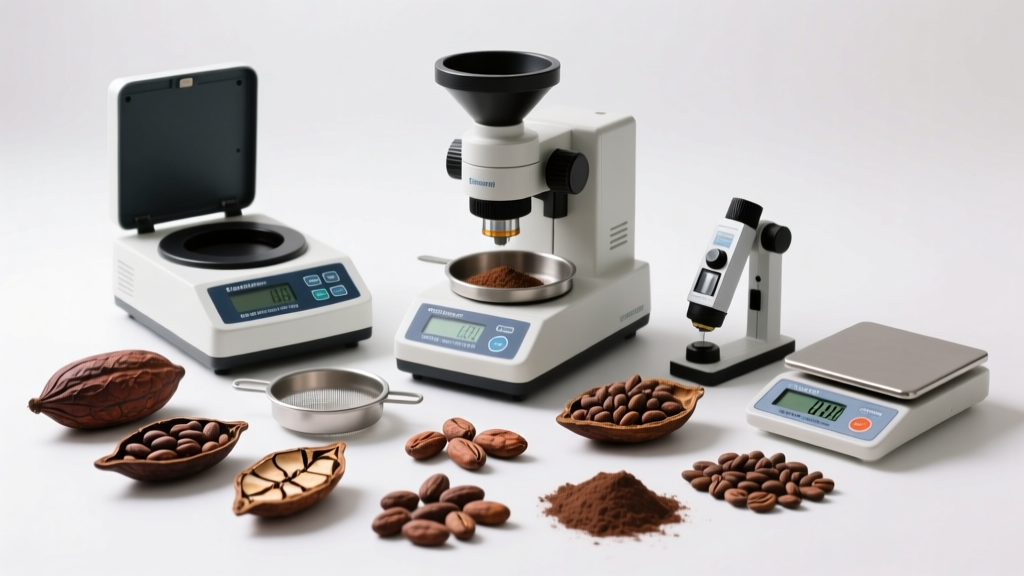
Types of Dried Cocoa Beans
Dried cocoa beans are the foundation of all chocolate and cocoa-based products. The drying process, combined with the bean variety, fermentation, and origin, plays a crucial role in shaping the final flavor profile of chocolate. There are several key types of dried cocoa beans—each offering unique taste characteristics, aroma, and processing advantages. Understanding these varieties helps chocolatiers, producers, and consumers appreciate the nuances behind fine chocolate.
Criollo
One of the oldest and rarest cocoa varieties, representing less than 5% of global production. Known for its delicate and complex flavor profile.
Advantages
- Exceptional aroma and nuanced flavor
- Low bitterness and high aromatic complexity
- Notes of vanilla, nuts, caramel, and red fruits
- Premium choice for artisan and fine chocolate
Limitations
- Highly susceptible to pests and disease
- Lower yield and difficult to cultivate
- Significantly more expensive
Best for: Gourmet chocolates, single-origin bars, luxury confections
Forastero
The most widely grown cocoa bean, accounting for approximately 80% of the world’s cocoa supply. Known for its robustness and bold flavor.
Advantages
- High resistance to disease and pests
- High yield and easier to farm at scale
- Strong, earthy, and full-bodied flavor
- Cost-effective for mass chocolate production
Limitations
- Less complex flavor compared to Criollo
- Higher bitterness and astringency
- Often requires blending or roasting to balance taste
Best for: Commercial chocolate, baking cocoa, dark and milk chocolate blends
Trinitario
A natural hybrid of Criollo and Forastero, combining superior flavor with greater resilience. Represents about 10–15% of global production.
Advantages
- Balances rich flavor with good disease resistance
- Flavor ranges from floral and fruity to spicy and nutty
- Excellent for sun-drying, enhancing aromatic notes
- Versatile in both artisan and mid-tier production
Limitations
- Flavor consistency varies by region and processing
- Less available than Forastero
- Requires careful fermentation and drying
Best for: Craft chocolate, single-origin bars, specialty blends
Nacional
A rare and ancient variety primarily grown in Ecuador, prized for its floral and delicate flavor notes. Considered one of the finest aromatic cocoa types.
Advantages
- Pronounced floral and fruity aroma (e.g., jasmine, peach)
- Smooth, creamy mouthfeel with low bitterness
- Highly sought after by premium chocolate makers
- Unique terroir expression from Ecuadorian farms
Limitations
- Extremely vulnerable to diseases like frosty pod rot
- Limited production and geographic availability
- Declining due to cross-contamination with other varieties
Best for: Aromatic dark chocolates, floral single-origin bars, luxury chocolate brands
Criollo Hybrid
Modern cultivars developed by crossbreeding pure Criollo with hardier varieties to improve yield and disease resistance while preserving superior flavor.
Advantages
- Retains much of Criollo’s aromatic complexity
- Improved resistance to pests and climate stress
- Higher agricultural yield than pure Criollo
- More sustainable and scalable for fine chocolate
Limitations
- Flavor may not match heirloom Criollo
- Still relatively rare and costly
- Requires careful post-harvest processing to maximize quality
Best for: Sustainable fine chocolate, ethical sourcing initiatives, future-forward cocoa farming
| Type | Global Share | Flavor Profile | Durability | Best Use Case |
|---|---|---|---|---|
| Criollo | <5% | Delicate, floral, nutty, low bitterness | Poor (fragile plants) | Artisan and luxury chocolate |
| Forastero | ~80% | Strong, earthy, bitter, robust | Excellent (hardy) | Mass-market chocolate |
| Trinitario | 10–15% | Floral, fruity, spicy, balanced | Good (resilient hybrid) | Craft and specialty chocolate |
| Nacional | <2% | Floral, peach, jasmine, smooth | Fair (disease-prone) | Premium aromatic chocolate |
| Criollo Hybrid | Emerging | Rich, aromatic, near-Criollo quality | Good to Very Good | Sustainable fine chocolate |
Expert Tip: The drying method—sun-drying vs. mechanical drying—can significantly influence the final flavor of cocoa beans. Sun-dried beans often develop more complex, fruity, and floral notes, especially in Trinitario and Nacional varieties, making them ideal for high-end chocolate production.
How to Use Dried Cocoa Beans: Culinary, Cosmetic & Health Applications
Dried cocoa beans are one of nature’s most versatile ingredients, offering rich flavor, powerful nutrients, and valuable compounds used across food, beauty, and wellness industries. After harvesting, fermenting, and drying, these beans become the foundation for chocolate and a wide range of other products. Understanding their diverse applications helps maximize their value in both home and commercial settings.
1. Chocolate Production: The Heart of Cocoa Use
The most iconic use of dried cocoa beans is in the production of chocolate. After fermentation and sun-drying, the beans are roasted to develop their complex flavor profile. They are then cracked and de-shelled to extract the inner cocoa nibs—the purest form of chocolate in its natural state.
These nibs are ground into a thick paste called chocolate liquor, which can be further processed into two essential components: cocoa butter (the fat) and cocoa solids. Together, they form the base of all chocolate types:
- Dark Chocolate: Made primarily from cocoa mass, cocoa butter, and sugar—with no milk solids. Higher cocoa content means more intense flavor and antioxidant benefits.
- Milk Chocolate: Combines cocoa ingredients with milk powder and sugar for a smoother, sweeter taste.
- White Chocolate: Contains cocoa butter but no cocoa solids, giving it a creamy texture and mild flavor.
- Ruby Chocolate: A newer variety made from specially processed ruby cocoa beans, offering a naturally pink hue and fruity notes.
2. Cocoa Powder: Baking and Cooking Essential
After cocoa butter is extracted, the remaining cocoa press cake is ground into cocoa powder, a staple in kitchens worldwide. There are two main types, each suited for different recipes:
Natural Cocoa Powder
Retains the natural acidity of cocoa (pH 5–6) and has a sharp, bitter flavor. It reacts with baking soda to create leavening in baked goods. Ideal for recipes like devil’s food cake, brownies, and cookies where a deep chocolate flavor is desired.
Dutched (Alkalized) Cocoa Powder
Treated with an alkaline solution to reduce acidity and darken color. It dissolves more easily in liquids and has a milder, smoother taste. Best for hot cocoa, frostings, and recipes calling for baking powder instead of baking soda.
3. Beverages: Nutrient-Rich Chocolate Drinks
Dried cocoa beans can be transformed into wholesome, flavorful beverages without the added sugars found in commercial hot chocolates. Roasted and crushed cacao nibs or ground cocoa can be steeped in hot water or milk to create a rustic, full-bodied drink rich in polyphenols and theobromine.
They are also excellent for blending into smoothies, providing a natural chocolate boost with minimal sugar and added fiber. In traditional Mesoamerican cultures, cacao was consumed as a frothy, spiced beverage—often mixed with chili, vanilla, and honey—long before modern chocolate existed.
4. Cocoa Butter: From Confectionery to Skincare
Cocoa butter is a natural vegetable fat prized for its stability, smooth texture, and rich emollient properties. Extracted through pressing roasted cocoa beans, it plays a dual role in both food and beauty industries.
| Application | Uses | Benefits |
|---|---|---|
| Food Industry | Premium chocolates, coatings, fillings | Provides smooth melt, glossy finish, and stable structure |
| Skincare | Lotions, lip balms, body butters, creams | Deeply moisturizing, forms a protective barrier, rich in fatty acids |
| Medicinal Use | Ointments, stretch mark prevention, healing salves | Non-comedogenic, helps repair dry or damaged skin |
5. Culinary Innovation: Beyond Sweet Treats
Cocoa beans are not limited to desserts. Their deep, earthy, slightly bitter profile enhances savory dishes, especially when used in spice rubs or sauces. Chefs often use ground roasted cocoa or nibs to add complexity to:
- Meat Rubs: Cocoa pairs well with smoked paprika, garlic, and chili for rubs on beef, pork, or game.
- Mole Sauce: A traditional Mexican sauce that blends dried chilies, spices, nuts, and chocolate. The cocoa adds richness and balances heat, creating a complex, velvety flavor.
- Stews and Curries: A small amount of cocoa powder can deepen the color and flavor of hearty dishes.
6. Baking and Pastries: Elevating Flavor and Texture
Dried cocoa beans, once processed, are essential in baking. Whether using cocoa powder, nibs, or chocolate chunks, they contribute intense flavor and visual appeal. Cocoa nibs are especially popular in artisanal baking for their crunchy texture and pure chocolate taste.
They can be sprinkled on top of muffins, scones, cookies, and cakes to add a satisfying crunch and burst of flavor. Some bakers even make cocoa-infused breads or brownies using freshly ground beans for a more robust, less processed chocolate experience.
7. Health and Wellness: A Superfood in Disguise
Raw or lightly roasted cacao nibs are considered a superfood due to their high concentration of beneficial compounds:
Nutritional Benefits
- Antioxidants: Rich in flavonoids that help combat oxidative stress.
- Fiber: Supports digestive health and satiety.
- Minerals: Excellent source of magnesium, iron, potassium, and zinc.
- Mood Enhancers: Contains theobromine and small amounts of caffeine, which provide gentle stimulation and improved focus.
Wellness Applications
- A healthy alternative to sugary chocolate snacks.
- Supports heart health by improving blood flow and lowering blood pressure.
- Low glycemic impact, making it suitable for low-sugar or keto-friendly diets (in moderation).
- May help regulate mood and reduce stress due to serotonin-boosting compounds.
Important: While dried cocoa beans offer numerous benefits, they should be consumed in moderation. Excessive intake may lead to caffeine-related side effects such as insomnia or increased heart rate. Always source high-quality, organic, and fairly traded cocoa to ensure purity and ethical production. For skincare use, perform a patch test before applying cocoa butter to sensitive skin.
Benefits of Cocoa Bean Dry
Dried cocoa beans are more than just the foundation of chocolate—they offer a remarkable range of benefits that span nutrition, skincare, hair care, mental wellness, cognitive function, and environmental sustainability. As one of nature’s most nutrient-rich plant foods, cocoa beans have been revered for centuries for their healing and energizing properties. Below is a comprehensive look at the multifaceted advantages of incorporating dried cocoa beans into your lifestyle.
Nutritional Powerhouse
Dried cocoa beans are packed with essential nutrients and powerful antioxidants, particularly flavonoids such as epicatechin and catechin. These compounds are known for their anti-inflammatory effects and ability to improve cardiovascular health by enhancing blood flow and lowering blood pressure.
- Rich in essential minerals like magnesium (supports muscle and nerve function), iron (aids oxygen transport), and copper (vital for energy production and immune health)
- Naturally low in sugar compared to processed chocolate, making it ideal for health-conscious consumers
- Contains dietary fiber, which supports digestive health and promotes satiety
- High in healthy fats, primarily stearic and oleic acids, which do not negatively impact cholesterol levels
Key insight: Raw or minimally processed cocoa retains more nutrients than heavily refined chocolate products.
Skin Health & Anti-Aging
Cocoa butter, extracted from dried cocoa beans, is a deeply nourishing natural emollient widely used in skincare. Its unique composition makes it highly effective at restoring moisture and improving skin resilience.
- Rich in fatty acids (oleic, stearic, and palmitic acids) that penetrate deeply to hydrate and soften dry, flaky skin
- Promotes skin elasticity and helps reduce the appearance of stretch marks, scars, and fine lines
- Antioxidants like vitamin E and polyphenols protect the skin from oxidative stress caused by UV exposure and pollution
- Supports skin regeneration by encouraging the replacement of damaged cells with new, healthy ones
Pro tip: Use unrefined, cold-pressed cocoa butter for maximum skin benefits and fragrance retention.
Hair Care & Scalp Nourishment
Cocoa butter and cocoa oil are excellent natural treatments for dry, damaged, or frizzy hair. Their rich texture forms a protective barrier that locks in moisture and strengthens hair strands.
- Deeply conditions hair, restoring shine and manageability, especially in curly or coarse textures
- Helps repair split ends and prevent breakage by reinforcing the hair shaft
- Improves scalp health by moisturizing dry patches and reducing flakiness associated with dandruff
- May stimulate hair growth by improving blood circulation to the scalp when used in warm oil treatments
Best practice: Apply warm cocoa oil as a pre-shampoo treatment for intensive hydration.
Mood Enhancement & Emotional Well-Being
Raw cacao (less processed than cocoa) is often called a “superfood for the soul” due to its potent mood-boosting compounds. These naturally occurring chemicals interact with brain chemistry to elevate emotional states.
- Contains phenylethylamine (PEA), a compound associated with feelings of attraction and excitement
- Naturally boosts serotonin and anandamide levels—neurotransmitters linked to happiness and relaxation
- Stimulates endorphin release, creating a natural sense of euphoria and temporary pain relief
- Low levels of theobromine provide gentle, sustained energy without the jitters of caffeine
Wellness note: Regular consumption of raw cacao may help reduce symptoms of mild depression and anxiety.
Cognitive Function & Brain Health
The flavonoid-rich profile of cocoa beans has been scientifically linked to improved brain function and long-term neurological protection.
- Enhances blood flow to the brain, supporting oxygen delivery and nutrient uptake
- Supports neuroplasticity—the brain’s ability to adapt and form new neural connections
- May delay age-related cognitive decline and reduce the risk of conditions like Alzheimer’s and dementia
- Improves focus, mental clarity, and short-term memory, especially in sleep-deprived or stressed individuals
Research-backed: Studies show that regular consumption of high-flavanol cocoa improves executive function in older adults.
Sustainable Agriculture & Ethical Impact
Choosing ethically sourced dried cocoa beans supports environmentally responsible farming and social equity in cocoa-producing regions.
- Grown in biodiverse agroforestry systems that preserve native trees, wildlife habitats, and soil health
- Reduces deforestation compared to monoculture farming by integrating cocoa with banana, plantain, and other shade trees
- Empowers smallholder farmers through fair trade certification, ensuring fair wages and community development
- Promotes organic farming practices that avoid synthetic pesticides and fertilizers
Global impact: Supporting sustainable cocoa helps combat child labor and promotes gender equality in farming communities.
Expert Recommendation: For optimal health benefits, choose raw, organic, and fair-trade dried cocoa beans or minimally processed cocoa powder. Avoid products with added sugars, dairy, or artificial ingredients. Incorporate cocoa into smoothies, oatmeal, or homemade energy bars to enjoy its full nutritional profile. When used topically, opt for unrefined cocoa butter to maximize skin and hair benefits.
| Benefit Category | Key Compounds | Primary Effects | Recommended Use |
|---|---|---|---|
| Nutritional Health | Flavonoids, Magnesium, Iron | Improved circulation, reduced inflammation | Raw cocoa powder in beverages or foods |
| Skin Hydration | Stearic acid, Vitamin E, Polyphenols | Moisturizing, anti-aging, scar reduction | Unrefined cocoa butter applied topically |
| Hair Strength | Oleic acid, Cocoa butter | Deep conditioning, frizz control | Warm oil treatments or hair masks |
| Mood Support | Phenylethylamine, Anandamide | Elevated mood, stress reduction | Raw cacao in moderation (1–2 tbsp/day) |
| Cognitive Performance | Epicatechin, Theobromine | Better focus, memory enhancement | Dark cocoa beverages or supplements |
| Environmental Sustainability | N/A (farming practice) | Biodiversity, fair labor practices | Choose certified fair-trade, organic cocoa |
Additional Considerations
- Processing Matters: Fermented and sun-dried cocoa beans retain more antioxidants than roasted or alkalized (Dutch-processed) varieties
- Allergy Awareness: While rare, cocoa allergies exist—always check for sensitivities before topical or dietary use
- Storage Tips: Store dried cocoa beans or powder in a cool, dark place in airtight containers to preserve freshness and nutrient content
- Keto & Paleo Friendly: Unsweetened cocoa fits well within low-carb and whole-food diets
- Versatility: Can be used in culinary creations, DIY beauty products, and even natural pet-safe grooming recipes (in small amounts)
How to Store Dried Cocoa Beans: A Complete Guide to Preserving Flavor & Quality
Dried cocoa beans are the foundation of high-quality chocolate and cocoa-based products. Their complex flavor profile, rich aroma, and antioxidant content are highly sensitive to environmental conditions. Improper storage can lead to mold growth, pest infestation, flavor degradation, and loss of nutritional value. Whether you're a small-scale chocolatier, a farmer, or a home enthusiast, mastering the art of storing dried cocoa beans is essential for maintaining their premium quality. This comprehensive guide covers best practices, common pitfalls, and expert tips for long-term cocoa bean preservation.
Important Note: Always ensure cocoa beans are fully fermented and properly dried (ideally 6–7% moisture content) before storage. Storing under-dried beans drastically increases the risk of mold and spoilage.
Essential Storage Guidelines for Dried Cocoa Beans
- Maintain a Cool, Stable Temperature
The ideal storage temperature for dried cocoa beans is between 60°F to 70°F (15°C to 21°C). This range slows down the natural degradation of flavor compounds and prevents accelerated oxidation. Avoid areas with frequent temperature fluctuations—such as garages or near ovens—as thermal cycling can cause condensation inside containers, promoting mold growth. While refrigeration may seem beneficial, it's generally not recommended unless beans are vacuum-sealed, as cold-to-warm transitions can introduce moisture.
- Keep Beans Dry and Humidity-Controlled
Moisture is the primary enemy of stored cocoa beans. Relative humidity should be kept below 70% to prevent mold development. Even slight dampness can trigger fermentation restart or fungal growth, compromising safety and flavor. Always store beans in airtight containers such as glass jars, food-grade plastic bins, or vacuum-sealed bags. For larger quantities, burlap sacks can be used but must be placed inside sealed plastic totes or climate-controlled rooms to block ambient humidity.
- Protect from Direct Sunlight and UV Exposure
UV radiation and heat from direct sunlight degrade the delicate oils and antioxidants in cocoa beans, leading to rancidity and flavor loss. Prolonged exposure can also increase internal bean temperature, creating micro-environments conducive to mold. Always store beans in a dark, cool location—such as a pantry, cellar, or dedicated storage room—to preserve their sensory qualities and extend shelf life.
- Minimize Air Exposure to Prevent Oxidation
Oxygen exposure causes oxidative rancidity, diminishing the beans’ chocolatey aroma and altering the quality of cocoa butter. To reduce air contact, use containers with tight-fitting lids. For long-term storage, consider using vacuum sealing or adding oxygen absorbers. If storing in burlap, place the sack inside an airtight outer container to create a dual-layer barrier against air and moisture.
- Store in Smaller, Rotated Batches
Dividing your stock into smaller portions helps minimize repeated exposure to air, light, and humidity each time a container is opened. This “first-in, first-out” (FIFO) approach ensures older beans are used first, reducing waste. Smaller batches also allow for easier inspection and rotation, maintaining overall quality across your inventory.
- Conduct Regular Inspections
Regular visual and olfactory checks are critical for early detection of spoilage. Look for signs of mold (white, green, or black spots), insect activity (holes, webbing, larvae), or off-odors (musty, sour, or fermented). Any contaminated beans should be discarded immediately to prevent cross-contamination. Establish a weekly or bi-weekly inspection schedule, especially during humid seasons.
| Storage Factor | Ideal Condition | Risks of Poor Control | Recommended Solutions |
|---|---|---|---|
| Temperature | 60°F – 70°F (15°C – 21°C) | Flavor loss, condensation, mold | Climate-controlled room, insulated storage |
| Humidity | Below 70% RH | Mold growth, re-fermentation | Airtight containers, desiccants, dehumidifiers |
| Light Exposure | Complete darkness | Oxidation, flavor degradation | Opaque containers, dark storage areas |
| Air Exposure | Minimal (sealed environment) | Rancidity, aroma loss | Vacuum sealing, oxygen absorbers |
| Pest Risk | Airtight, clean environment | Infestation, contamination | Sealed containers, regular inspections |
Expert Tip: For long-term storage (over 12 months), consider using Mylar bags with oxygen absorbers and vacuum sealing. This method is especially effective for preserving rare or heirloom cocoa varieties with delicate flavor profiles.
Frequently Asked Questions (FAQ)
Q1: What is the difference between dried cocoa beans and roasted cacao nibs?
The major difference lies in their processing stage. Dried cocoa beans are raw, fully fermented beans that have been sun-dried or mechanically dried but not roasted. They retain a more acidic, fruity, and earthy flavor profile. Cacao nibs, on the other hand, are cracked pieces of roasted cocoa beans. Roasting enhances chocolate flavor, reduces acidity, and alters the antioxidant composition. While both originate from the same bean, dried beans are used for artisanal chocolate making, whereas nibs are often consumed as a health food or used in baking.
Q2: How long can dried cocoa beans be stored while maintaining freshness?
When stored under optimal conditions—cool, dry, dark, and airtight—dried cocoa beans can remain safe and usable for 2 to 3 years. However, their peak flavor and aroma are best within the first 12 to 18 months. Over time, even well-stored beans gradually lose volatile compounds responsible for their rich chocolate character. For the most vibrant taste, use them within a year of harvest or purchase.
Q3: Can the beans be frozen to extend their shelf life?
Yes, freezing is a viable option for long-term preservation. Sub-zero temperatures halt enzymatic and oxidative activity, effectively "pausing" the aging process. However, proper packaging is crucial: beans must be sealed in airtight, moisture-proof containers or vacuum bags to prevent freezer burn and condensation. When thawing, allow the container to reach room temperature before opening to avoid moisture absorption. Freezing is ideal for preserving heirloom or specialty beans for extended periods.
Q4: Are there any pests that specifically target dried cocoa beans during storage?
Yes, several pests are known to infest stored cocoa beans. Primary threats include the cocoa weevil, cocoa moth (Ephestia cautella), and warehouse beetles. These pests are attracted to the high fat and protein content of the beans. Signs of infestation include small holes in beans, fine dust (frass), webbing, or live larvae. Preventive measures include airtight storage, regular cleaning of storage areas, and using pest traps. Never store beans near grains or other organic materials that may harbor pests.
Q5: How do variations in bean size or origin impact storage requirements?
Beans from different regions vary in moisture content, density, size, and shell thickness. Smaller or thinner-shelled beans may lose moisture faster and are more susceptible to drying out or absorbing odors. Beans with higher initial moisture content (above 7%) are at greater risk of mold if not stored in low-humidity environments. Additionally, origin-specific flavors (e.g., fruity Madagascar vs. earthy Ghanaian) may degrade at different rates. For best results, store beans by origin and moisture level, and monitor them individually. Uniform batches simplify storage management and quality control.
Pro Tip: Label each container with the harvest date, origin, and moisture content. This helps track shelf life and ensures you're using the oldest beans first, maintaining consistency in your chocolate or recipes.
Final Recommendations
- Always source beans from reputable suppliers who provide moisture content data.
- Use breathable sacks only in climate-controlled environments; otherwise, opt for sealed containers.
- Rotate stock regularly using the FIFO (First In, First Out) method.
- Consider using silica gel packs or rice-filled cloth bags as natural desiccants in storage containers.
- For commercial operations, invest in humidity and temperature monitoring devices.
Proper storage of dried cocoa beans is not just about preservation—it's about honoring the craftsmanship of farmers and the complexity of nature’s flavors. By following these guidelines, you ensure that every bean you use delivers the full depth of aroma, taste, and quality it was meant to provide.