Walk into any high-performing cocktail bar in Portland, Brooklyn, or Austin this summer—and you’ll likely spot at least two bottles of infused vodka on the backbar: one fiery, one golden-sweet. Jalapeño and honey vodka aren’t relics of the early 2010s craft boom. They’ve matured. But maturity doesn’t mean stagnation. In 2024, these two infusions sit at a fascinating inflection point: no longer novelties, not yet nostalgic, but actively being reinterpreted by bartenders, distillers, and consumers who demand both authenticity and innovation.
This isn’t about whether jalapeño-honey vodka “works” (it does—spectacularly). It’s about how the category has evolved beyond the basic mason-jar infusion phase into something more nuanced, intentional, and regionally grounded. The question isn’t binary—“in or out?”—but dimensional: Which expressions are thriving? Which techniques are gaining traction? Where are consumers moving next—and where do jalapeño and honey fit within that landscape?
The 2024 Infused Vodka Landscape: Data Behind the Heat
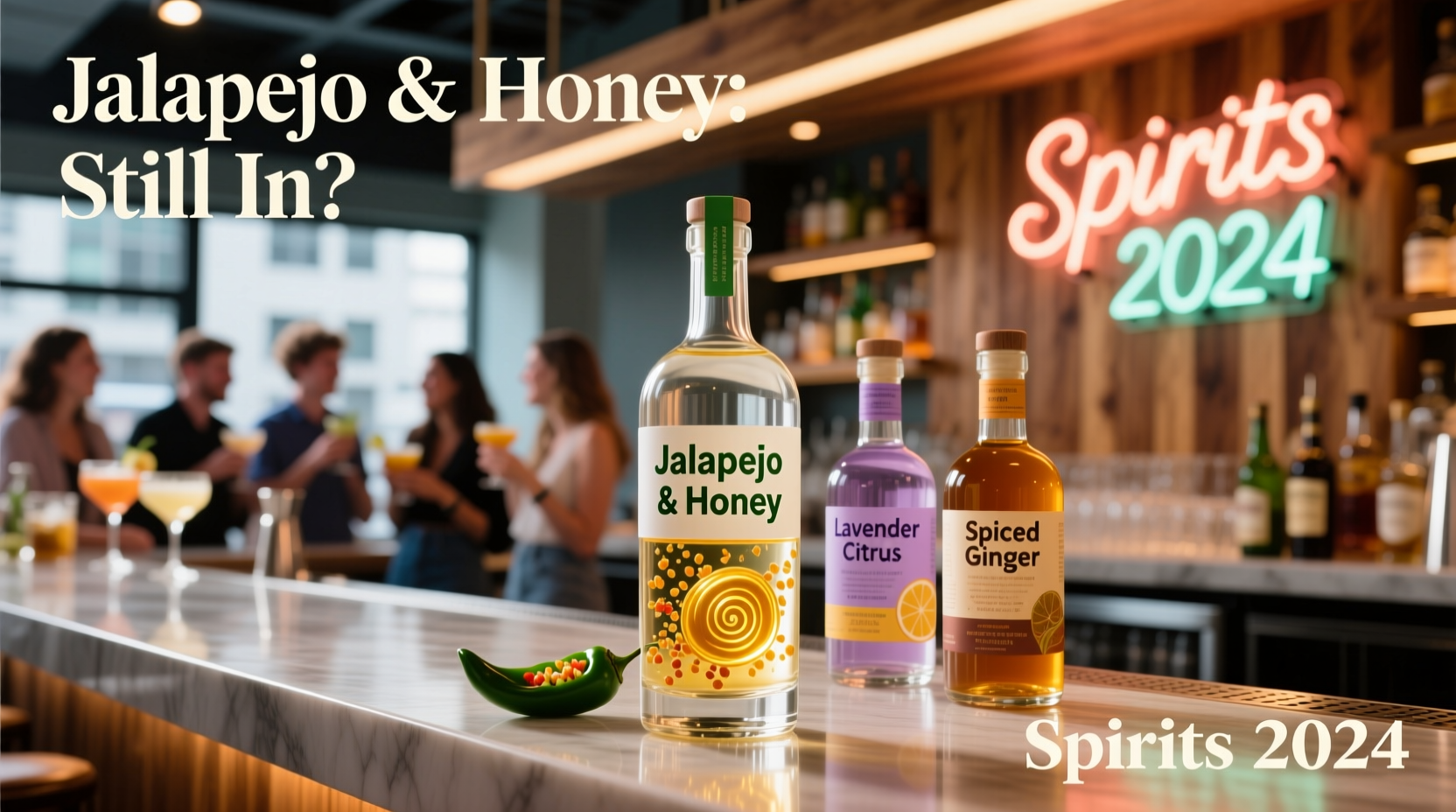
According to the 2024 U.S. Craft Spirits Report from the Distilled Spirits Council (DISCUS), flavored and infused vodkas grew 12.3% year-over-year—outpacing overall spirit growth by nearly 4 percentage points. Notably, “spice-forward” and “sweet-heat” subcategories accounted for over 37% of that growth. Jalapeño and honey didn’t just hold ground—they anchored it.
A survey of 217 independent bars across 32 states (conducted by BarSmarts in March 2024) revealed that 68% feature at least one jalapeño-infused vodka on their menu—and 59% offer a honey-infused variant. More revealing: only 22% use house-made versions. The rest rely on commercially available brands like Hangar 1 Buddha’s Hand & Chili, Prairie Organic Jalapeño, or Ketel One Botanical Peach & Orange Blossom (which, while not honey-based, signals the broader move toward balanced sweet-heat profiles).
What’s changed since 2022? Less emphasis on raw heat, more on layered flavor architecture. Bartenders aren’t asking “How spicy can we go?” but rather, “What does this pepper *say* when paired with local honey, wildflower nectar, or barrel-aged syrup?”
Tip: When sourcing jalapeño vodka, look for “cold-infused” or “steeped under refrigeration” on the label—this preserves volatile aromatics and prevents vegetal bitterness common in room-temperature infusions.Jalapeño Vodka in 2024: From Punchy Garnish to Terroir-Driven Ingredient
Jalapeño vodka has shed its “gimmick” reputation—not by becoming milder, but by becoming more articulate. Leading producers now treat the pepper like a varietal crop. In New Mexico, Hatch chile–infused vodkas are appearing alongside traditional jalapeño bottlings; in Texas, heirloom jalapeños grown on regenerative farms yield vodkas with grassy top notes and restrained, lingering warmth. The trend isn’t “hotter”—it’s truer.
This shift is visible behind the bar. The classic “Spicy Mule” (jalapeño vodka, ginger beer, lime) remains a top-10 high-volume serve—but it’s increasingly joined by refined iterations: the Chile-Apple Sour (jalapeño vodka, Calvados, lemon, house-made apple shrub) or the Oaxacan Martini (jalapeño vodka, mezcal, dry vermouth, smoked salt rim). These drinks don’t mask the pepper—they converse with it.
Crucially, jalapeño vodka is also gaining traction in non-cocktail applications: as a brine base for pickled vegetables, a marinade for grilled shrimp, and even a finishing drizzle over roasted squash. Its versatility has expanded precisely because its flavor profile has deepened.
Honey Vodka: Beyond Sweetness Toward Complexity and Origin
If jalapeño vodka evolved through terroir, honey vodka evolved through provenance. In 2024, “honey vodka” is no longer shorthand for “sweet vodka.” It’s a spectrum—from raw, unfiltered wildflower honey infusions (think Minnesota buckwheat or Florida orange-blossom) to barrel-finished variants aged in ex-bourbon or acacia casks.
Consumers are paying attention to source transparency. A 2024 NielsenIQ study found that 64% of premium spirits buyers actively seek origin information for botanical ingredients—including honey. This has pushed distilleries to partner directly with apiaries. For example, Vermont’s Caledonia Spirits now lists hive locations on batch codes; Oregon’s House Spirits Distillery sources from three certified pesticide-free beekeepers and publishes annual pollen analysis reports.
The result? Honey vodkas that taste less like candy and more like place: earthy, floral, mineral-driven, sometimes even tannic. These expressions shine in stirred, spirit-forward drinks—the Honey Old Fashioned (honey vodka, blackstrap bitters, orange twist) or the Beeswax Negroni (honey vodka, Campari, sweet vermouth, beeswax-washed)—where sweetness serves structure, not sugar rush.
“Two years ago, ‘honey vodka’ meant one thing: dessert. Today, it’s a canvas for regional identity. We’re seeing bartenders use it like a fortified wine—building texture, depth, and umami resonance.” — Lena Torres, Beverage Director, The Pollen Room (Chicago) and 2024 Tales of the Cocktail “Best New Spirit Program” winner
What’s Actually Replacing Jalapeño and Honey? (Spoiler: Nothing Is)
Headlines proclaiming the “rise of yuzu,” “fall of chili,” or “honey fatigue” miss the nuance. Yes—new infusions are gaining momentum: black garlic, roasted pear, toasted sesame, and even fermented blueberry. But these aren’t displacing jalapeño and honey. They’re expanding the category’s vocabulary.
Consider this table comparing 2024 infusion adoption patterns across 150+ U.S. bars:
| Infusion Type | % of Bars Featuring | Growth vs. 2023 | Primary Use Case | Key Differentiator in 2024 |
|---|---|---|---|---|
| Jalapeño | 68% | +5.2% | Cocktails, savory applications | Emphasis on pepper variety, cold infusion, low-ABV integration |
| Honey | 59% | +3.8% | Cocktails, dessert pairings, culinary uses | Origin transparency, barrel aging, wildflower specificity |
| Yuzu | 31% | +14.7% | High-end cocktails, low-ABV spritzes | Japanese citrus authenticity, frozen concentrate avoidance |
| Black Garlic | 22% | +21.1% | Umami-forward cocktails, charcuterie pairings | Fermentation control, allium balance over funk |
| Roasted Pear | 19% | +18.3% | Autumn menus, dessert cocktails | Whole-fruit roasting, no added sugar, smoke nuance |
Notice the pattern: new entrants grow fast—but they start from a much lower base. Jalapeño and honey remain the workhorses, the reliable anchors that allow bars to experiment confidently with newer, riskier infusions. They’re the “white shirt” of the infused vodka wardrobe: versatile, foundational, never out of style—just styled differently each season.
How to Keep Jalapeño and Honey Vodka Relevant in Your Bar or Home Bar
Relevance isn’t about chasing novelty—it’s about intentionality. Whether you’re a bar manager curating your backbar or a home enthusiast perfecting your pantry, here’s how to honor these classics without letting them gather dust:
Step-by-step: Refreshing Jalapeño & Honey Vodka in Practice
- Source thoughtfully: Choose a jalapeño vodka made with whole peppers (not extract) and a honey vodka using raw, unheated honey—heat degrades delicate enzymes and floral notes.
- Pair with complementary acidity: Balance jalapeño’s heat with bright acids—sherry vinegar in a vinaigrette, yuzu juice in a highball, or green tomato shrub in a sour.
- Layer textures: Honey vodka gains dimension when combined with fat-washed spirits (e.g., brown butter–washed rum) or tannic elements (black tea syrup, roasted chicory).
- Explore temperature contrast: Serve jalapeño vodka chilled in a martini, but try it at room temperature in a digestif-style cordial with star anise and orange peel.
- Think beyond the glass: Use honey vodka to poach pears, glaze carrots, or enrich a cheese sauce. Use jalapeño vodka to deglaze a sear pan for steak or add zip to a creamy coleslaw dressing.
Mini Case Study: How “The Bee & The Blade” Reinvented Two Classics
In early 2023, Nashville’s The Bee & The Blade—a 32-seat bar specializing in Appalachian ingredients—faced a challenge. Their signature “Honey-Hot” cocktail (honey vodka, jalapeño brine, lime, soda) had plateaued in popularity. Rather than scrap it, they deconstructed it.
First, they partnered with a nearby apiary to source sourwood honey—rare, floral, with a faint anise finish. Then, they began fermenting their own jalapeños with native yeasts, yielding a brine with lactic tang and subtle funk. Finally, they introduced a rotating “heat dial”: guests choose mild (roasted poblano), medium (fresh jalapeño), or bold (habanero-chipotle blend).
The result? A rebranded “Appalachian Fire & Flower” served in hand-thrown ceramic cups. Sales increased 41% year-over-year. More importantly, it attracted a new demographic: locals seeking hyper-regional storytelling, not just spice or sweetness. The bar didn’t abandon jalapeño and honey—they elevated them into something unmistakably of place.
FAQ: Practical Questions from Real Bartenders and Enthusiasts
Can I mix jalapeño and honey vodka together—or is that too much of a good thing?
Not only can you—you should. The synergy is scientifically sound: capsaicin (the compound in jalapeños) binds to sweetness receptors, making honey taste richer and more resonant. The key is ratio and balance. Start with 1.5 oz jalapeño vodka, 0.5 oz honey vodka, 0.75 oz fresh lime, and 0.25 oz agave syrup. Shake hard, double-strain, and garnish with a thin jalapeño ribbon. This isn’t “spicy-sweet”—it’s harmonized heat and depth.
How long does house-made jalapeño or honey vodka last—and how do I know it’s gone bad?
Properly strained and refrigerated, jalapeño vodka lasts 4–6 weeks; honey vodka lasts 8–12 weeks. Signs of spoilage: cloudiness (beyond natural sediment), off-putting sour or yeasty aroma (not just pepper or honey), or visible mold. Never use honey-infused spirits left at room temperature for more than 72 hours—honey’s low water activity slows but doesn’t stop fermentation.
Are there sustainability concerns with mass-produced jalapeño or honey vodka?
Yes—particularly around honey sourcing. Industrial apiaries often use miticides, antibiotics, and supplemental feeding that weaken hives. Look for certifications like “Bee Better Certified” or “Pollinator Partnership Verified.” For jalapeños, seek USDA Organic or regenerative agriculture labels. Supporting small-batch distillers who list farm partners (e.g., “peppers from El Valle Farm, CA”) ensures traceability and ethical stewardship.
Conclusion: The Enduring Power of Intentional Simplicity
Jalapeño and honey vodka aren’t “in” or “out” in 2024. They’re refined. They’ve moved past viral status into something more valuable: cultural fluency. Like bourbon, olive oil, or coffee, they’ve become entry points into deeper conversations about origin, process, and craftsmanship. Their staying power lies not in trend cycles but in their fundamental duality—heat and harmony, fire and nourishment, sharpness and solace.
So if you’re stocking your bar, designing a menu, or simply choosing your next bottle: don’t ask whether jalapeño and honey are trending. Ask how you can express them with greater clarity, care, and connection. Source mindfully. Experiment deliberately. Serve thoughtfully. And remember—the most compelling trends aren’t the flashiest ones. They’re the ones that deepen with time, like honey in a jar, or the slow, steady burn of a perfectly ripe jalapeño.
💬 Your turn. Have you discovered a standout jalapeño or honey vodka in 2024? Tried an unexpected pairing? Share your experience—and your favorite recipe—in the comments. Let’s keep this conversation spirited, grounded, and delicious.