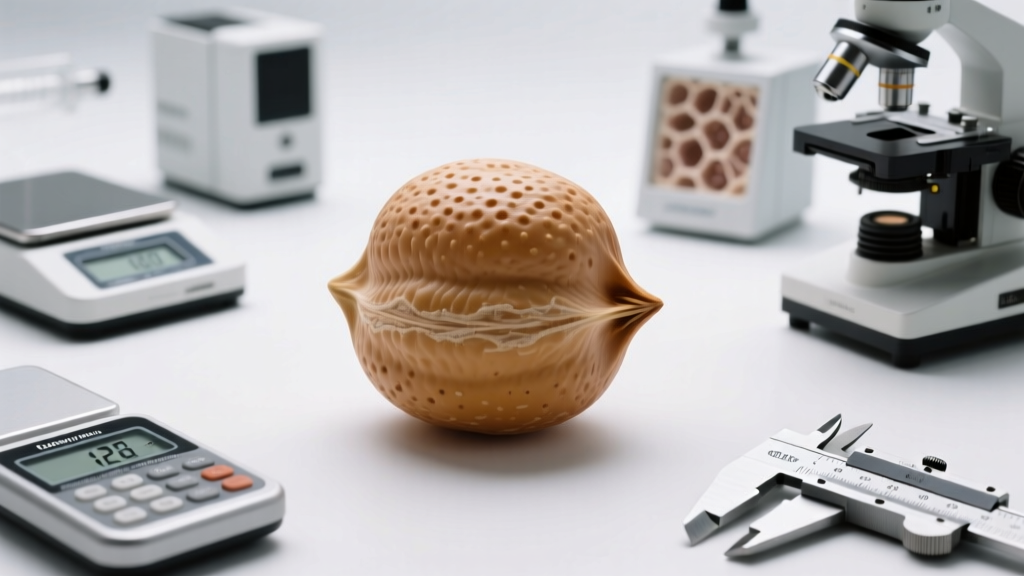
Spiciness is not a taste—it’s a sensation of pain. When you bite into a habanero pepper or sip a curry laced with cayenne, your mouth doesn’t detect “spicy” the way it does sweet or salty. Instead, it triggers a neurological response that mimics heat and irritation. This phenomenon, rooted in chemistry and biology, explains why some people crave fiery dishes while others recoil from them. Understanding the science behind spiciness empowers cooks to harness heat intentionally, balancing flavor, intensity, and sensory experience. From the molecular behavior of capsaicinoids to the Scoville scale and cultural adaptations of chili use, this guide demystifies the mechanisms of heat in food and offers practical insights for culinary application.
Definition & Overview: What Is Spiciness?
Spiciness, often referred to as \"heat\" or \"piquancy,\" describes the burning or stinging sensation produced by certain compounds in foods—primarily alkaloids called capsaicinoids. These compounds are most commonly found in plants of the *Capsicum* genus, including chili peppers such as jalapeños, serranos, ghost peppers, and bell peppers (which contain none). Unlike the five basic tastes—sweet, sour, salty, bitter, and umami—spiciness is a trigeminal sensation, meaning it is perceived through pain and temperature receptors rather than taste buds.
The primary agent responsible for the burn is **capsaicin**, a fat-soluble molecule concentrated in the placental tissue surrounding the seeds of chili peppers. When consumed, capsaicin binds to transient receptor potential vanilloid 1 (TRPV1) receptors, which are typically activated by actual heat (above 43°C/109°F) or physical abrasion. The brain interprets this binding as a thermal threat, triggering a cascade of physiological responses: sweating, flushing, increased heart rate, and endorphin release—often described as a “chili high.”
Culturally, spicy foods dominate cuisines across regions with hot climates—India, Thailand, Mexico, Ethiopia, and Sichuan in China—where capsaicin’s antimicrobial properties may have historically helped preserve food. Today, the global appeal of heat spans street food, gourmet cooking, and even competitive eating, making an understanding of its science essential for both safety and creativity in the kitchen.
Key Characteristics of Capsaicin and Spicy Sensation
- Molecular Nature: Capsaicin is a lipophilic (fat-loving), odorless, crystalline compound insoluble in water but soluble in fats, alcohol, and oils.
- Heat Perception: Not a taste but a neurochemical response via TRPV1 receptors in oral and gastrointestinal tissues.
- Pain Response: Activates nociceptors (pain-sensing nerves), leading to inflammation-like reactions without actual tissue damage.
- Delayed Onset: Sensation begins within seconds, peaks at 30–60 seconds, and can last several minutes depending on concentration.
- Adaptability: Regular exposure desensitizes TRPV1 receptors, increasing tolerance over time.
- Physiological Effects: Triggers salivation, sweating, vasodilation, and endorphin release—contributing to pleasurable “addiction” in frequent consumers.
| Compound | Relative Pungency (% of Capsaicin) | Primary Source |
|---|---|---|
| Capsaicin | 100% | All hot chilies |
| Dihydrocapsaicin | 100% | All hot chilies |
| Nordihydrocapsaicin | 75% | Milder chilies |
| Homocapsaicin | 50% | Milder chilies |
| Homodihydrocapsaicin | 50% | Milder chilies |
Measuring Heat: The Scoville Scale and Modern Methods
In 1912, pharmacist Wilbur Scoville developed a subjective method to quantify chili heat—the **Scoville Organoleptic Test**. It involved diluting a pepper extract in sugar water until the burn was no longer detectable by a panel of tasters. The degree of dilution determined the Scoville Heat Units (SHU). For example, a jalapeño scoring 5,000 SHU means the extract must be diluted 5,000-fold before the heat disappears.
While historically significant, the Scoville test is imprecise due to human variability. Today, high-performance liquid chromatography (HPLC) measures capsaicinoid concentration directly, converting results into Scoville units mathematically. This method is objective, repeatable, and widely used in food science and industry.
Pro Tip: When reading commercial sauce labels or seed packets, remember that SHU values are averages. Actual heat can vary significantly based on growing conditions, ripeness, and plant stress (e.g., drought increases capsaicin production).
Practical Usage: How to Cook with Heat Intelligently
Mastering spiciness in cooking requires more than adding chili flakes blindly. Strategic use enhances depth, contrast, and balance. Consider these principles:
- Control the Source: Remove seeds and white membranes (placenta) from fresh chilies to reduce heat. These tissues contain up to 80% of the capsaicin.
- Choose the Right Fat: Since capsaicin dissolves in fat, sautéing chilies in oil or ghee distributes heat evenly. Coconut milk, cream, and cheese also temper and carry spiciness smoothly.
- Time Your Addition: Adding dried chilies early in cooking infuses subtle background heat; adding fresh chilies late preserves brighter, sharper burn.
- Balance with Other Tastes: Sweetness (honey, fruit), acidity (lime, vinegar), and salt counteract perceived heat. A squeeze of lemon after a spicy dish activates salivary flow and provides sensory relief.
- Layer Heat Sources: Combine different forms—fresh jalapeño, smoked chipotle powder, and a dash of cayenne—for complex heat profiles.
In professional kitchens, chefs often “bloom” ground spices like paprika or Kashmiri chili in hot oil to maximize flavor extraction while moderating raw bite. In Indian curries, whole dried chilies are tempered in ghee at the start, contributing aromatic warmth without overwhelming heat.
For home cooks experimenting with extreme heat (e.g., ghost peppers or Carolina Reapers), use gloves during handling and avoid touching eyes or face. Even residual oils on hands can cause severe irritation.
Variants & Types of Spicy Ingredients
Heat appears in many culinary forms beyond fresh chilies. Each variant affects flavor, potency, and application:
Fresh Chilies
Examples: Jalapeño, serrano, Thai bird’s eye, habanero. Offer crisp texture and bright, vegetal notes alongside heat. Best used raw in salsas, pickled, or lightly cooked.
Dried Chilies
Examples: Ancho (dried poblano), guajillo, arbol, pasilla. Concentrated sweetness and smokiness develop during drying. Rehydrate for sauces or grind into powders.
Ground Spices & Powders
Examples: Cayenne, paprika (sweet, smoked, hot), chili powder blends. Convenient and shelf-stable. Smoked paprika adds depth without intense heat; cayenne delivers pure punch.
Fermented & Prepared Sauces
Examples: Sriracha, gochujang, harissa, doubanjiang. Fermentation adds umami and complexity. Gochujang (Korean red pepper paste) combines heat, sweetness, and fermented soy richness.
Extracts & Pure Capsaicin
Used in industrial food production or extreme heat products. Not recommended for home use due to risk of overexposure.
| Ingredient | Typical SHU Range | Culinary Function |
|---|---|---|
| Bell Pepper | 0 | Sweetness, crunch, color |
| Jalapeño | 2,500–8,000 | Moderate heat, freshness |
| Serrano | 10,000–23,000 | Sharper, cleaner heat |
| Habanero | 100,000–350,000 | Fruity, floral, intense heat |
| Ghost Pepper (Bhut Jolokia) | 800,000–1,041,427 | Slow-building, long-lasting burn |
| Carolina Reaper | 1,400,000–2,200,000 | Extreme heat, fruity undertone |
| Cayenne Powder | 30,000–50,000 | Balanced heat, versatile |
| Chipotle (smoked jalapeño) | 2,500–8,000 | Smoky, medium heat |
Comparison with Similar Ingredients
Not all pungent foods rely on capsaicin. Some mimic heat through different chemical pathways:
| Ingredient | Active Compound | Sensation Type | Duration |
|---|---|---|---|
| Wasabi | Allyl isothiocyanate | Sharp, nasal, fleeting | Seconds |
| Horseradish | Allyl isothiocyanate | Similar to wasabi, less volatile | Short |
| Black Pepper | Piperine | Warm, tingling, throat-focused | Moderate |
| Ginger | Gingerol | Warming, slightly biting | Gradual, sustained |
\"The brilliance of capsaicin is that it hijacks our pain system to create pleasure. It's one of the few substances where the body’s alarm response becomes part of the enjoyment.\" — Dr. Paul Rozin, University of Pennsylvania, cognitive psychologist specializing in food aversion and preference
Unlike capsaicin, which binds to nerve endings and persists, wasabi and horseradish vapors stimulate the nose and sinuses but dissipate quickly. Piperine in black pepper produces a gentler, more diffuse warmth, while gingerol in fresh ginger offers a slow-building internal heat often described as digestive-friendly.
Practical Tips & FAQs
Why doesn’t water cool down spiciness?
Water spreads capsaicin across the mouth instead of neutralizing it. Because capsaicin is hydrophobic, it doesn’t dissolve in water. Dairy products like milk, yogurt, or sour cream are far more effective due to casein, a protein that binds to and washes away capsaicin molecules.
What foods help relieve the burn?
- Dairy: Milk, cheese, yogurt (casein breaks capsaicin bonds)
- Fats: Peanut butter, avocado, olive oil (dissolve capsaicin)
- Sugars: Honey, sugar, sweet fruits (counteract perception of heat)
- Acids: Lemon juice, vinegar (stimulate saliva, provide distraction)
Can you build a tolerance to spicy food?
Yes. Repeated exposure causes TRPV1 receptors to temporarily desensitize, requiring higher capsaicin concentrations to trigger the same response. This neuroadaptation is reversible—if you stop consuming spicy food, sensitivity returns within weeks.
How should I store chili peppers?
Fresh chilies last 1–2 weeks in the crisper drawer. For longer storage, freeze whole or slice and freeze in oil. Dried chilies keep 6–12 months in airtight containers away from light. Ground spices lose potency faster—use within 6 months for optimal flavor.
Are spicy foods healthy?
Research suggests capsaicin may boost metabolism, reduce appetite, lower blood pressure, and exhibit anti-inflammatory and antimicrobial properties. However, excessive consumption can irritate the gastrointestinal tract, especially in individuals with acid reflux or IBS.
Can you substitute one chili for another?
Yes, but consider both heat and flavor. Use poblano instead of green bell pepper for mild heat and earthiness. Replace cayenne with hot paprika in equal measure. For habanero, use a small amount of Scotch bonnet (similar heat and fruitiness). Always taste-test when substituting high-heat varieties.
Checklist: Safe Handling of Hot Peppers
- Wear disposable gloves when cutting super-hot chilies
- Use a dedicated cutting board and knife
- Avoid touching face, especially eyes
- Wash hands thoroughly with soap and water afterward
- Neutralize residue with milk or oil if skin irritation occurs
Summary & Key Takeaways
Spiciness is a neurological illusion—a clever trick played by capsaicin on the body’s pain-detection system. Far from a mere flavor, it’s a dynamic sensory experience shaped by chemistry, culture, and individual physiology. Understanding the science allows cooks to wield heat with precision, enhancing dishes without overwhelming them.
Key points to remember:
- Spiciness is a pain response, not a taste.
- Capsaicin binds to TRPV1 receptors, mimicking heat exposure.
- Heat levels are measured in Scoville units, now via HPLC for accuracy.
- Different chili forms—fresh, dried, fermented, powdered—offer unique culinary benefits.
- Fat, dairy, and sugar mitigate burn better than water.
- Tolerance to spice is trainable through repeated exposure.
- Safety matters: handle extremely hot chilies with gloves and caution.
Whether you're crafting a delicate Sichuan mapo tofu or a vibrant Mexican salsa verde, mastering the science of heat transforms cooking from guesswork into artistry. Respect the power of capsaicin, understand its behavior, and use it to elevate flavor, sensation, and satisfaction—one calculated spark at a time.
Next time you reach for the hot sauce, pause and consider: Are you adding heat for flavor, excitement, or preservation? Experiment with layering chili types and cooling counterparts to create balanced, memorable dishes. Share your favorite spicy recipe—and how you tame the burn—in the conversation among fellow heat seekers.