Tomato paste is one of the most concentrated forms of tomato flavor available in the pantry, yet it’s often underutilized—relegated to a supporting role in soups or stews. But when treated with intention, this thick, deep-red concentrate can be transformed into a luxurious, restaurant-quality sauce in minutes. Whether you're short on time, lacking fresh tomatoes, or simply want depth without hours of simmering, learning how to elevate tomato paste into a full-bodied sauce unlocks new possibilities in everyday cooking. This guide reveals the science, technique, and culinary wisdom behind turning a spoonful of paste into something extraordinary.
Definition & Overview
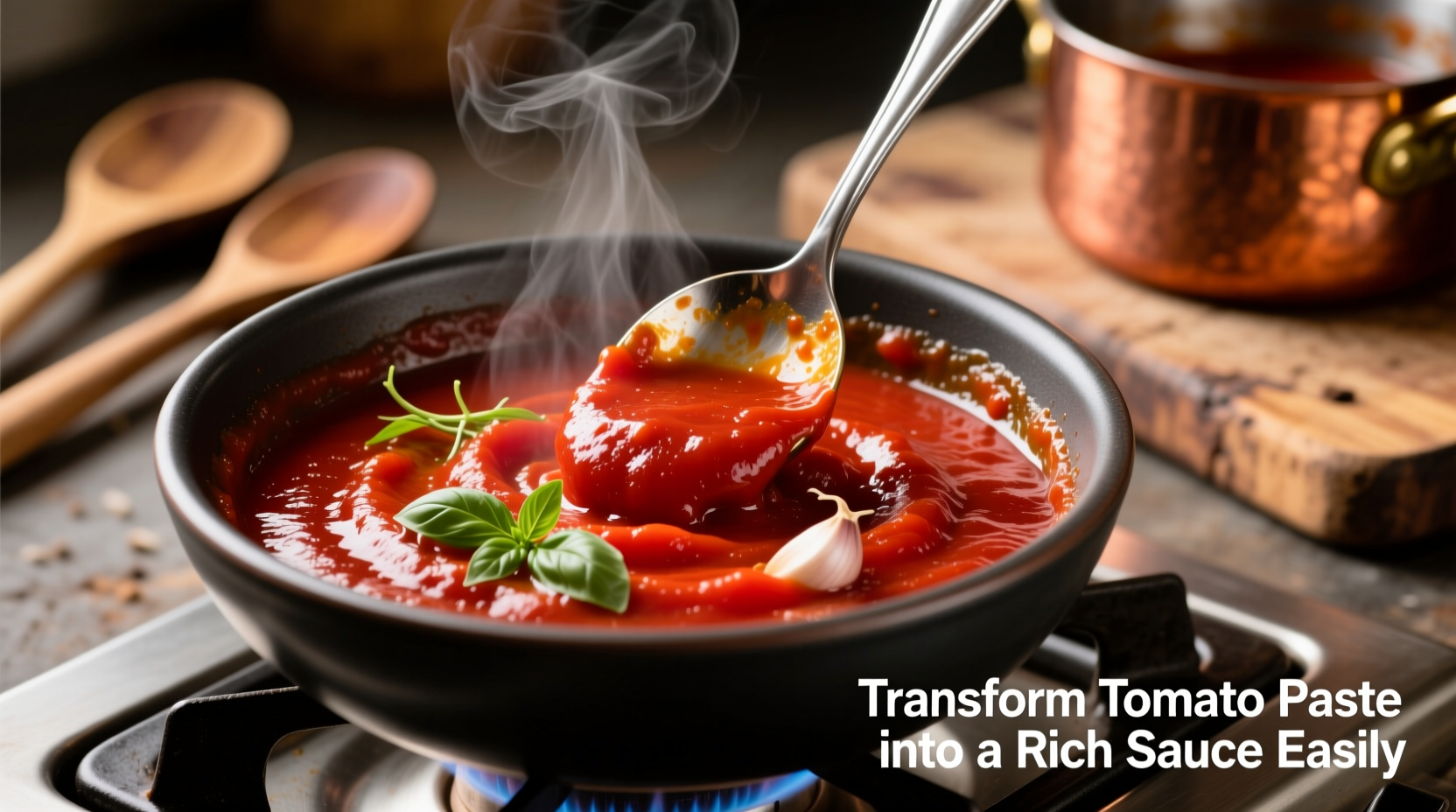
Tomato paste is a highly concentrated puree made from cooked-down tomatoes, strained of seeds and skins, then reduced until it reaches a thick, viscous consistency. Originating in Mediterranean and Middle Eastern cuisines, it has become a global pantry staple due to its long shelf life and intense umami-rich flavor. Unlike tomato sauce or crushed tomatoes, which contain water and pulp, tomato paste contains roughly 7% moisture, making it about seven times more concentrated than raw tomatoes.
The transformation from paste to sauce hinges on understanding its composition: high sugar content, acidity, glutamates (natural umami compounds), and caramelized notes developed during industrial reduction. When rehydrated and enhanced properly, these qualities form the foundation of deeply savory sauces used in pasta dishes, braises, curries, and marinades.
Key Characteristics
| Characteristic | Description |
|---|---|
| Flavor | Intensely sweet-tart with roasted, slightly bitter undertones; rich in natural glutamates for umami depth. |
| Aroma | Earthy, smoky, sun-dried tomato scent with hints of caramelization. |
| Color/Form | Deep brick red to dark maroon; thick paste that holds shape when scooped. |
| Culinary Function | Flavor base enhancer, colorant, thickener, umami booster. |
| Shelf Life | Unopened: 18–24 months. Opened (refrigerated): 5–6 weeks. Can be frozen indefinitely in portions. |
Practical Usage: From Paste to Sauce in Minutes
The key to transforming tomato paste into a rich sauce lies not just in adding liquid—but in how you build layers of flavor before dilution. Most home cooks make the mistake of stirring paste directly into water or broth, resulting in a flat, metallic taste. The professional approach involves three stages: blooming, deglazing, and enriching.
Step-by-Step Method for Rich Tomato Sauce from Paste
- Sauté Aromatics: Begin with olive oil or butter in a heavy-bottomed pan over medium heat. Add finely diced onion, carrot, and celery (a classic mirepoix) and cook slowly until soft and translucent—about 5–7 minutes. For deeper flavor, include minced garlic during the last minute.
- Bloom the Paste: Push aromatics to the side and add 2–3 tablespoons of tomato paste directly into the center of the pan. Let it sit undisturbed for 30 seconds to begin caramelizing, then stir into the vegetables. Cook, stirring frequently, for 3–5 minutes until the paste darkens slightly and releases a nutty, roasted aroma. This step drives off raw flavors and develops Maillard reaction compounds essential for complexity.
- Deglaze with Acid: Pour in ¼ cup of dry red or white wine, balsamic vinegar, or even lemon juice. Scrape the bottom of the pan vigorously to lift any browned bits (fond). The acid reacts with the caramelized sugars and proteins, creating a dynamic flavor base known as *fond reduction*.
- Add Liquid Gradually: Slowly pour in warm stock, water, or canned tomatoes while whisking continuously. Use a ratio of 1 part paste to 3–4 parts liquid depending on desired thickness. Simmer gently for 10–15 minutes to allow flavors to meld.
- Enrich and Season: Finish with a splash of cream, grated Parmesan, anchovy paste, or a pat of butter for silkiness. Adjust seasoning with salt, black pepper, dried oregano, or fresh basil.
Pro Tip: For an ultra-concentrated effect, roast tomato paste in the oven at 400°F (200°C) for 15–20 minutes before using. Spreading it on a parchment-lined tray allows surface evaporation, intensifying sweetness and reducing bitterness.
Real-World Applications
- Pasta Sauce: Bloom 3 tbsp paste with garlic and chili flakes, deglaze with red wine, then add canned San Marzano tomatoes. Simmer 12 minutes. Toss with spaghetti and top with pecorino.
- Bolognese Base: After browning ground beef and pork, stir in 2 tbsp paste and cook 4 minutes. Deglaze with milk, then add crushed tomatoes. The paste enhances meaty depth.
- Curry Foundation: In Indian or Middle Eastern curries, sauté paste with cumin, coriander, and turmeric to replace fresh tomato puree, adding body and richness.
- Marinara for Pizza: Mix ¼ cup paste with ½ cup water, 1 tsp sugar, 1 tbsp olive oil, and herbs. Simmer 8 minutes. Ideal for quick pizza nights.
- Vegan Gravies: Combine paste with vegetable stock, nutritional yeast, and soy sauce for a deeply savory plant-based sauce.
Variants & Types of Tomato Paste
Not all tomato pastes are created equal. Understanding differences between types ensures optimal results in your sauce-making process.
| Type | Description | Best Use Case |
|---|---|---|
| Double-Concentrated | Reduced further than standard paste; darker, thicker, more intense. | Ideal for long-simmered sauces where maximum depth is needed. |
| Single-Concentrated | Standard commercial grade; widely available in tubes or cans. | General-purpose use; best for weeknight meals. |
| Tubed Paste | Fresh-style paste sold in squeezable tubes; often additive-free. | Preferred by chefs for convenience and consistent texture. |
| Sun-Dried Tomato Paste | Dehydrated variant with intensified sweetness and chewier texture. | Use sparingly in Mediterranean dishes or dips. |
| Organic/No-Salt-Added | Clean-label versions without preservatives or sodium. | Health-conscious recipes or controlled sodium diets. |
When selecting tomato paste, look for products labeled “passata disidratata” or those with only tomatoes listed in ingredients. Avoid brands with added citric acid, calcium chloride, or high-fructose corn syrup, which can distort flavor balance.
Comparison with Similar Ingredients
Tomato paste is frequently confused with other tomato products. Knowing the distinctions prevents recipe failures and improves decision-making.
| Ingredient | Texture | Concentration Level | Role in Cooking |
|---|---|---|---|
| Tomato Paste | Thick, spreadable paste | High (7x concentration) | Flavor builder, color enhancer |
| Canned Crushed Tomatoes | Chunky, wet puree | Low (1x–2x) | Main ingredient in sauces, soups |
| Tomato Puree | Smooth, pourable liquid | Medium (3x–4x) | Intermediate base; less concentrated than paste |
| Tomato Ketchup | Runny, sweet condiment | Very low (with additives) | Condiment only; not suitable as substitute |
| Tomato Powder | Dry, fine powder | Variable (reconstitutes) | Seasoning blends, rubs, dry mixes |
\"Many home cooks think they need hours to build flavor. But with tomato paste, five minutes of proper blooming gives you what would take two hours of slow reduction.\" — Chef Elena Ruiz, Culinary Instructor, Institute of Mediterranean Cuisine
Practical Tips & FAQs
Can I use tomato paste straight from the tube?
Yes, but never add it directly to liquid. Always bloom it in fat first to unlock its full potential and avoid a chalky, sour aftertaste.
How much sauce does 1 tablespoon of paste yield?
One tablespoon of paste yields approximately ¾ cup of finished sauce when diluted with ¾ cup liquid and seasoned. Adjust ratios based on desired intensity.
What’s the best fat to bloom paste in?
Olive oil is ideal for Mediterranean applications. Butter adds richness for French-inspired sauces. For curries, ghee or coconut oil work well. Animal fats like pancetta drippings enhance meat-based dishes.
How do I store leftover tomato paste?
Transfer unused paste to an airtight container and refrigerate for up to six weeks. Alternatively, freeze in teaspoon-sized portions on a tray, then transfer to a bag. Use directly from frozen.
Is there a vegan alternative to tomato paste?
No direct substitute replicates its exact profile, but sun-dried tomato purée or reduced passata can mimic some qualities. True substitution isn’t necessary—tomato paste is naturally vegan.
Why does my sauce taste bitter?
Bitterness arises from overcooking the paste or burning it during blooming. If this happens, add a pinch of sugar or a small grated carrot to neutralize. Also ensure you’re not using expired paste—oxidation causes off-flavors.
Can I make tomato paste at home?
Yes, though labor-intensive. Simmer strained fresh tomato puree for 4–6 hours until reduced by 90%. Spread on baking sheets and dehydrate at 200°F (95°C) until paste-like. Store in jars or freeze.
Storage Checklist:
- Label containers with date
- Keep refrigerated below 40°F (4°C)
- Use clean utensils to prevent mold
- Discard if color turns brownish-black or develops off-smell
Expert Insight: Building Layers Like a Pro
In professional kitchens, tomato paste is considered a “flavor accelerator.” At Rome’s Trattoria Al Moro, Executive Chef Marco Bellini uses a technique called *soffritto con fondo*, where paste is layered into the initial aromatic base and cooked until it sticks slightly to the pan—a sign of maximum flavor development. He explains: “The moment the paste begins to caramelize, you’ve activated its hidden power. That’s when you stop, wait three seconds, then deglaze. Timing is everything.”
This method is now taught in culinary schools as part of foundational sauce theory. It demonstrates that concentration isn't just about volume—it's about chemical transformation through controlled heat exposure.
Summary & Key Takeaways
Transforming tomato paste into a rich sauce is less about quantity and more about technique. By understanding its concentrated nature and applying targeted heat, acid, and fat, you convert a humble pantry item into a gourmet foundation. The process hinges on three principles:
- Bloom in fat to develop Maillard reactions and eliminate raw notes.
- Deglaze with acid to extract fond and create balanced brightness.
- Rehydrate gradually and finish with enriching agents like butter or cheese.
With proper handling, tomato paste becomes far more than a thickener—it evolves into a centerpiece of flavor engineering. Whether crafting a weeknight pasta dish or layering complexity into a stew, mastering this transformation elevates your entire cooking repertoire.
Challenge Yourself: Try making two versions of the same sauce—one starting with raw paste dumped into liquid, and another using the blooming method. Taste them side by side. The difference will be undeniable.