In the diverse landscape of American regional sausages, few hold the cultural specificity and culinary identity of traditional Carolina-style sausage. Found in diners, roadside stands, and backyard grills across North and South Carolina, this pork-based staple is more than a breakfast meat—it’s a reflection of Southern foodways shaped by German immigration, Appalachian resourcefulness, and generations of butchering tradition. Unlike mass-produced bratwurst or Italian sausage, Carolina-style sausage is defined by its coarse grind, peppery bite, and subtle smoke, often enhanced with vinegar for tang. For home cooks seeking authenticity or chefs exploring regional American charcuterie, understanding its components, preparation methods, and regional nuances is essential.
Definition & Overview
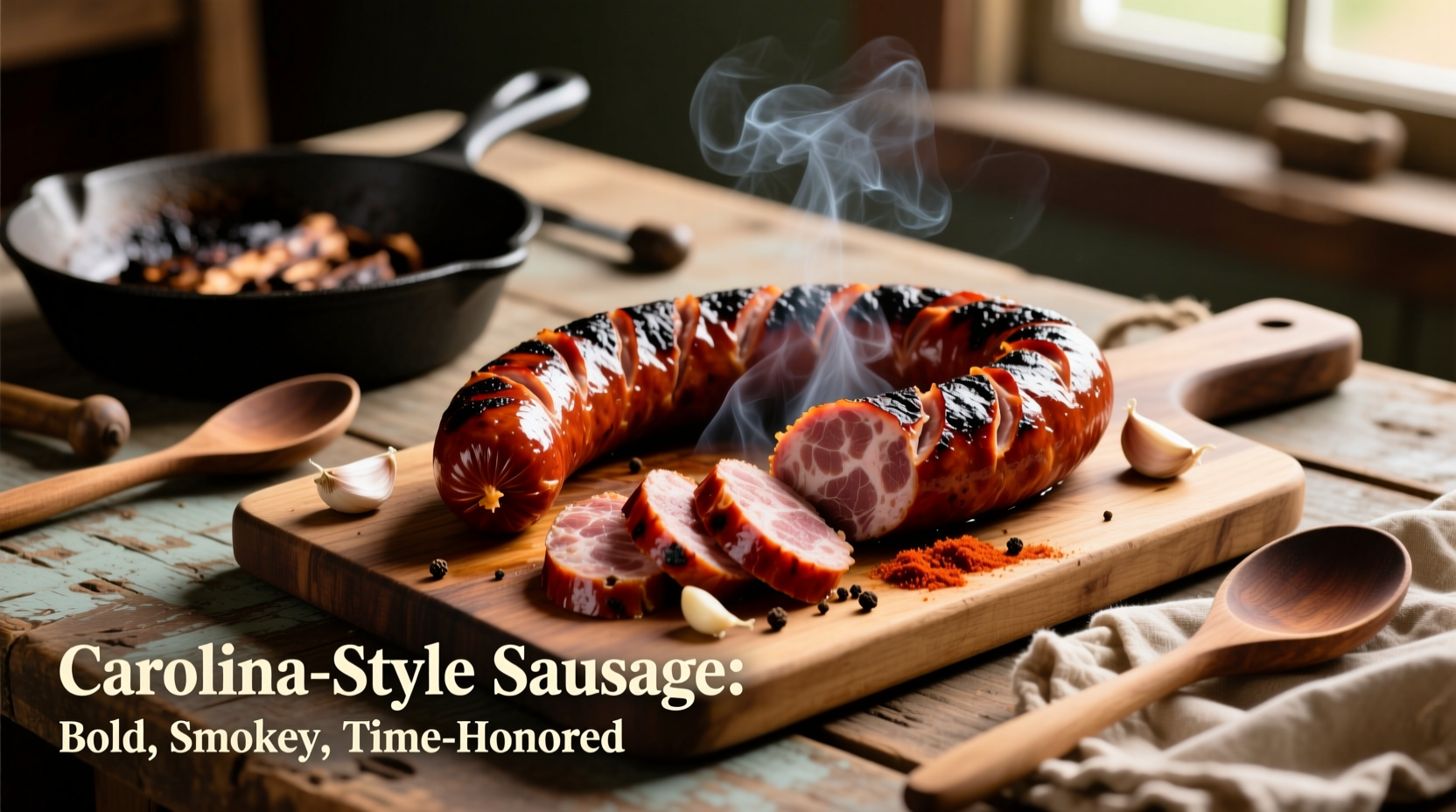
Traditional Carolina-style sausage refers to a fresh or smoked pork sausage originating in the Carolinas, particularly associated with rural communities in South Carolina's upstate region and eastern North Carolina. It is typically made from coarsely ground pork shoulder (also known as Boston butt), seasoned simply with salt, black pepper, red pepper flakes, and occasionally garlic, sage, or mustard seed. What sets it apart most distinctly is its frequent use of cider vinegar or white vinegar during mixing or post-cooking application, lending a bright acidity that cuts through the richness of the fat.
The roots of this sausage trace back to 18th-century German and Scotch-Irish settlers who brought their sausage-making techniques to the Southeastern colonies. Over time, these traditions merged with local ingredients and preservation needs, evolving into a uniquely Southern product. While not nationally standardized, Carolina-style sausage remains a point of pride in small-town butcher shops and community hog roasts, where recipes are often family-guarded secrets passed down over decades.
Culinary functionally, it serves both as a standalone grilled or pan-fried item and as a foundational ingredient in dishes like gravy-smothered biscuits, hash, or stuffed peppers. Its texture leans toward rustic—never overly emulsified—and its flavor profile balances heat, savoriness, and brightness without relying on complex spice blends.
Key Characteristics
| Attribute | Description |
|---|---|
| Primary Meat | Pork shoulder (70% lean / 30% fat ratio ideal) |
| Grind Size | Coarse (¼-inch plate typical) |
| Flavor Profile | Savory, peppery, slightly tangy; moderate heat |
| Aroma | Smoky when cooked; hints of toasted pepper and pork fat |
| Color | Pinkish-gray when raw; golden-brown crust when seared |
| Heat Level | Mild to medium (adjustable via cayenne or crushed red pepper) |
| Culinary Function | Breakfast protein, sandwich filling, base for hash or gravies |
| Shelf Life (Fresh) | 2–3 days refrigerated; up to 3 months frozen |
| Smoke Level | Optional light hickory or oak smoke if commercially processed |
Practical Usage: How to Use Carolina-Style Sausage in Cooking
Carolina-style sausage shines in simple preparations that highlight its texture and seasoning. Whether using store-bought links or homemade patties, proper cooking technique ensures optimal juiciness and crust development.
Grilling Whole Links
For best results, grill over indirect heat at 300–350°F for 15–20 minutes, turning occasionally. Finish over direct flame for 1–2 minutes per side to develop char. Avoid pricking the casing, which releases flavorful juices. Serve on a bun with mustard or atop a biscuit with gravy.
Pan-Frying Patties
Break bulk sausage into ½-inch thick discs. Heat a cast-iron skillet over medium-low; cook 6–8 minutes per side until deeply browned and internal temperature reaches 160°F. Deglaze the pan with a splash of apple cider vinegar to create an instant pan sauce.
Using in Breakfast Hash
- Cook 1 lb crumbled sausage in a skillet until browned; remove and reserve.
- Sauté diced potatoes, onions, and bell peppers in rendered fat until tender.
- Return sausage to pan, season with additional cracked pepper, and stir to combine.
- Fry eggs and place on top before serving.
As a Gravy Base
Ditch the flour-and-milk shortcut: real Lowcountry sausage gravy starts with the drippings. After browning sausage, sprinkle in 2 tablespoons of flour, stir 1 minute, then slowly whisk in whole milk or buttermilk. Simmer until thickened, season with white pepper and a dash of vinegar. Spoon generously over split buttermilk biscuits.
Pro Tip: When making your own sausage, chill all components—meat, grinder parts, bowl—for at least 30 minutes before grinding. This prevents smearing and ensures clean particle separation, critical for the desired coarse mouthfeel.
Variants & Types
While “Carolina-style” implies a general framework, several distinct variants exist based on geography, family tradition, and intended use. Recognizing these helps guide selection and preparation.
- South Carolina Coarse-Grind Fresh: The most common form, sold in bulk or linked in natural casings. Often lightly smoked and meant for immediate cooking. Popular in Upstate SC markets.
- Eastern NC Vinegar-Infused: Distinguished by the addition of cider vinegar directly into the mix, giving it a sharper tang. Sometimes labeled \"red hash\" when used in chopped preparations.
- Mustard-Seed Enhanced: Found in areas with strong German influence (e.g., around Greenville, SC), this version includes whole or cracked yellow mustard seeds for added aroma and crunch.
- Hot & Spicy Commercial Blends: Marketed versions may increase cayenne levels significantly. These cater to modern palates but stray from historical norms.
- Smoked & Cured (Keepable) Style: Less common, but some producers cold-smoke and cure the sausage for longer shelf life. Closer to a snack stick than traditional fresh product.
| Variant | Best Used For | Availability |
|---|---|---|
| Fresh Coarse-Grind | Grilling, frying, gravy | Local butchers, farmers markets |
| Vinegar-Infused | Hash, sandwiches, chopped bowls | Regional specialty stores |
| Mustard-Seed Type | Charcuterie boards, artisanal apps | Limited; craft producers only |
| Hot Commercial Blend | Tailgating, bold-flavor dishes | National grocery chains |
| Smoked/Cured | Snacking, cheese plates | Select delis, online retailers |
Comparison with Similar Ingredients
Carolina-style sausage is often confused with other regional American sausages. Understanding distinctions prevents misapplication in recipes.
| Feature | Carolina-Style | Italian Sausage | Breakfast Sausage (Midwest) | Andouille (Louisiana) |
|---|---|---|---|---|
| Main Seasonings | Pepper, salt, vinegar | Fennel, garlic, red pepper | Sage, nutmeg, maple | Smoked paprika, garlic, thyme |
| Spice Level | Mild–medium | Medium–hot | Sweet/mild | Medium |
| Acidity | Yes (vinegar) | No | No | No |
| Smoking Process | Optional/light | Rarely smoked | Never | Always heavily smoked |
| Typical Use | Biscuits, hash, grilling | Pasta, pizza, subs | Pancakes, casseroles | Gumbos, jambalayas |
| Fat Content | ~30% | ~25% | ~20% | ~35% |
Unlike Italian sausage’s dominant fennel note or Midwestern breakfast sausage’s sweet herbal blend, Carolina-style relies on pepper and acid for complexity. It lacks the deep smoke of Andouille but shares a preference for coarse texture. Substituting one for another alters dish balance significantly—especially due to vinegar presence, which can disrupt expected flavor arcs in non-Southern recipes.
Practical Tips & FAQs
What cut of pork should I use?
Pork shoulder (Boston butt) is ideal. It contains sufficient intramuscular fat (around 30%) to keep the sausage moist without requiring added back fat. Trim sparingly—some fat marbling is necessary for juiciness.
Can I make it without a grinder?
Yes, though texture will differ. Pulse chilled pork cubes in a food processor just until coarsely chopped—do not purée. Alternatively, ask your butcher to grind it once through a ¼-inch plate.
How much seasoning per pound?
Standard ratio for 5 lbs of ground pork:
- Salt: 1½ tbsp (non-iodized preferred)
- Freshly cracked black pepper: 1 tbsp
- Crushed red pepper flakes: 1–2 tsp (adjust for heat)
- Garlic powder: 1 tsp (optional)
- Cider vinegar: 2–3 tbsp (added last, mixed gently)
Should I stuff it in casings?
Natural hog casings yield the best eating experience—snappy exterior, juicy interior. Soak in water 30 minutes before use. For quicker prep, form into patties or leave in bulk for crumbling.
Is it safe to eat if still pink inside?
Yes. Due to nitrate-free formulations and minimal processing, properly cooked Carolina sausage may retain a slight pink hue near the center even at 160°F. Always verify doneness with a thermometer, not color alone.
How do I store leftovers?
Cooked sausage keeps 3–4 days refrigerated in an airtight container. Reheat gently in a skillet to preserve texture. Freeze uncooked portions for up to 3 months—wrap tightly in parchment and foil.
Can I substitute vinegar in the recipe?
Apple cider vinegar is traditional, but white vinegar works in a pinch. Avoid balsamic or wine vinegars—they introduce sweetness and color incompatible with authentic flavor. For low-acid diets, reduce to 1 tsp or omit entirely, though this shifts the profile toward generic peppered pork.
“The secret isn’t in ten spices—it’s in two: good black pepper and a splash of vinegar at the end. That’s what wakes up the fat.”
— James Hollingsworth, third-generation butcher, Spartanburg, SC
Summary & Key Takeaways
Traditional Carolina-style sausage is a cornerstone of Southern regional cuisine, distinguished by its coarse grind, peppery seasoning, and signature touch of vinegar. Rooted in German-American butchering practices and adapted to local tastes, it embodies a culinary philosophy of simplicity and balance.
- It is primarily made from pork shoulder with a high-fat content (25–30%) for moisture and flavor.
- Seasoning focuses on salt, black pepper, and optional red pepper flakes—with vinegar often added either in the mix or as a finishing touch.
- Texture is paramount: coarse grinding preserves bite and differentiates it from emulsified sausages.
- It functions best when grilled, pan-fried, or incorporated into hash and gravy applications.
- Regional variants include vinegar-infused, mustard-seed enhanced, and hot commercial blends—each suited to specific uses.
- It differs markedly from Italian, breakfast, and Andouille sausages in flavor profile, acidity, and smoking level.
- Homemade versions offer superior control over quality and authenticity; chilling meat and equipment ensures proper consistency.
For those exploring American terroir through food, Carolina-style sausage offers a direct line to the past—one where flavor emerged not from complexity, but from precision, tradition, and respect for ingredient integrity. Whether sourced from a local butcher or crafted at home, it remains a versatile, satisfying expression of Southern ingenuity.
Try This at Home: Make a batch using 2 lbs pork shoulder, 1 tbsp cracked pepper, 1 tsp salt, and 1 tbsp cider vinegar. Grill and serve on a toasted biscuit with yellow mustard. Taste the difference that minimalism makes.