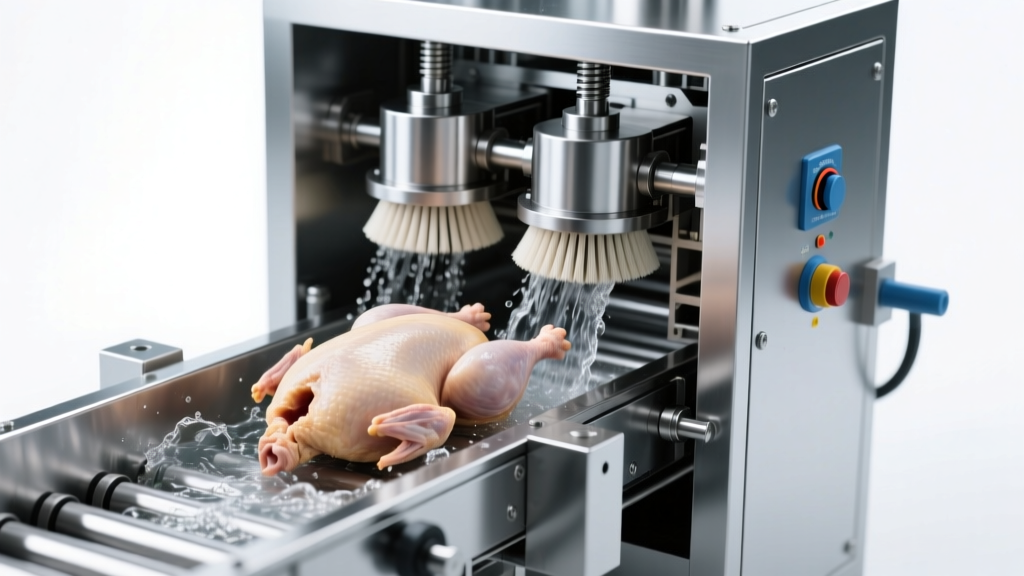
Types of Chicken Carcass Washing Machines
A chicken carcass washing machine is an essential component in modern poultry processing facilities, designed to ensure hygienic, efficient, and thorough cleaning of chicken carcasses after slaughter. These machines help remove contaminants such as blood, feathers, fecal matter, and internal residues, significantly improving food safety and product quality. With various designs and technologies available, selecting the right washer depends on processing volume, facility size, and hygiene standards.
Cabinet Carcass Washing Machine
A batch-style washer enclosed in a sealed cabinet, ideal for small to medium-scale operations requiring controlled, hygienic cleaning cycles.
Advantages
- Compact and easy to install
- Cost-effective for small processors
- Controlled washing environment reduces contamination risk
- Simple operation and maintenance
Limitations
- Limited capacity due to batch processing
- Lower throughput compared to continuous systems
- Manual loading/unloading may increase labor costs
Best for: Small poultry farms, local abattoirs, specialty meat processors
Tumbling Washers
Continuous-motion machines that use rotating paddles or beaters to agitate carcasses through multiple cleaning chambers.
Advantages
- High processing capacity and efficiency
- Effective removal of stubborn debris and feathers
- Can be integrated with de-feathering and evisceration lines
- Suitable for automated production lines
Limitations
- Higher initial investment and operational cost
- Requires more space and infrastructure
- Potential for carcass damage if not properly calibrated
Best for: Large poultry processing plants, industrial-scale operations, high-volume production lines
Spray Washers
High-pressure water spray systems that rinse carcasses rapidly, often used in multiple stages of the processing line.
Advantages
- Fast and efficient surface cleaning
- Excellent at removing blood, feathers, and external contaminants
- Can be combined with disinfectants, steam, or hot water for sterilization
- Highly customizable for different processing needs
Limitations
- Less effective on internal residues without pre-soaking
- High water and energy consumption
- Requires proper drainage and water treatment systems
Best for: Mid to large-scale facilities, final rinse stages, integrated processing lines
Soaking Washers
Immersion-based systems that use water or cleaning solutions to loosen internal and external contaminants before further washing.
Advantages
- Highly effective at softening and removing blood clots and internal residues
- Improves overall cleanliness when used as a pre-wash step
- Can be combined with enzymes or sanitizing agents for enhanced cleaning
- Reduces workload on subsequent washing stages
Limitations
- Slower process compared to spray or tumbling methods
- Requires additional space for tanks and solution management
- Risk of cross-contamination if water is not properly treated
Best for: Facilities focusing on deep cleaning, organic or premium poultry processing, pre-treatment before spray washing
| Type | Capacity | Cleaning Efficiency | Best Use Case | Maintenance Level |
|---|---|---|---|---|
| Cabinet Washer | Low to Medium | Good | Small-scale or batch processing | Low |
| Tumbling Washer | High | Excellent | Industrial, continuous processing | Moderate |
| Spray Washer | Medium to High | Very Good | Surface cleaning and sterilization | Moderate |
| Soaking Washer | Medium | Excellent (for internal residues) | Pre-cleaning and deep residue removal | Moderate to High |
Expert Tip: For optimal hygiene and efficiency, consider combining soaking and spray washing methods in a multi-stage cleaning process. This hybrid approach ensures both internal and external contaminants are thoroughly removed while maintaining high throughput.
When selecting a chicken carcass washing machine, it's important to evaluate your production volume, facility layout, water availability, and regulatory requirements. Modern systems often include features like automatic cycle controls, water recycling, and integration with food safety monitoring systems to enhance performance and compliance.
Industry Applications of Chicken Carcass Washing Machines
Chicken carcass washing machines play a vital role in modern poultry processing, ensuring food safety, regulatory compliance, and product quality. These advanced systems are deployed across various sectors of the poultry and meat industry to effectively remove contaminants such as blood, feathers, fecal matter, and pathogenic microorganisms. By integrating automated washing technologies, facilities can significantly reduce the risk of cross-contamination and enhance the shelf life and safety of poultry products.
Poultry Processing Plants
In large-scale poultry processing plants, carcass washing is a critical step following slaughter and before evisceration. These facilities rely on multi-stage washing systems to ensure thorough decontamination of chicken carcasses. The process typically begins with a pre-wash to remove gross debris, followed by more intensive cleaning using high-pressure sprays or immersion baths.
Common systems include batch-style washers for initial cleaning and continuous spray tunnels or soaking tanks integrated into the processing line. Many modern plants also use chlorinated or ozonated water to enhance microbial reduction. These systems not only improve hygiene but also increase processing efficiency, allowing for higher throughput while maintaining strict food safety standards set by agencies such as the USDA and FDA.
Slaughterhouses
Slaughterhouses utilize carcass washing machines immediately after the slaughtering and scalding stages to disinfect chicken carcasses before chilling or further processing. Given the high risk of bacterial contamination—especially from pathogens like Salmonella and Escherichia coli—these facilities employ robust washing systems such as rotary drum washers, overhead spray bars, and immersion tanks with antimicrobial solutions.
Effective washing at this stage is crucial for minimizing microbial load and preventing cross-contamination between batches. Advanced systems often incorporate temperature-controlled water, adjustable spray pressure, and recirculation filtration to optimize cleaning performance and water usage. This ensures that meat entering the chilling and packaging phases meets stringent safety and quality benchmarks.
Meat Processing Facilities
In meat processing facilities, carcass washing serves as a preparatory step before cutting, deboning, grinding, or value-added product manufacturing (e.g., nuggets, sausages). Cleaned carcasses are less likely to introduce contaminants into downstream equipment, reducing the risk of product recalls and equipment downtime.
These facilities often use targeted spray systems that focus on cavity and surface cleaning, ensuring that even hard-to-reach areas are sanitized. Integration with conveyor systems allows seamless transition from washing to processing, maintaining workflow efficiency. Additionally, consistent washing improves the texture and appearance of final meat products, contributing to higher consumer satisfaction and brand reputation.
Poultry Farms with On-Site Processing Facilities
An increasing number of poultry farms are incorporating small-scale processing units to meet local demand for fresh, farm-direct poultry. These operations use compact carcass washing machines to comply with health and safety regulations while ensuring high product quality.
Typical setups include portable or semi-automated washers that use potable water and food-grade sanitizers. These systems are especially important for farms selling directly to consumers, restaurants, or farmers' markets, where traceability and transparency are key. Proper washing not only ensures regulatory compliance but also builds consumer trust in the safety and cleanliness of farm-processed poultry.
Rendering Plants
Rendering plants process animal byproducts into usable materials such as meat and bone meal, tallow, and animal feed. Before rendering begins, incoming chicken carcasses—often non-salable or condemned material—are washed to remove residual blood, dirt, and organic debris.
Carcass washing at this stage is essential for producing high-quality rendered outputs and minimizing odor, spoilage, and microbial growth during storage and processing. High-volume washers with strong agitation and filtration systems are typically used to handle large batches efficiently. Clean input materials result in purer end products, improved processing efficiency, and reduced environmental impact.
Byproduct Processors
Byproduct processors handle non-meat components such as feathers, blood, organs, and offal. These materials require sanitization before further processing into products like feather meal, blood meal, or pharmaceutical ingredients. Carcass washing machines are adapted for these applications using specialized techniques including soaking baths, high-pressure spray systems, and external sterilization units (e.g., steam or UV treatment).
Sanitizing raw materials ensures biosecurity, reduces pathogen transmission, and improves worker safety. It also enhances the usability and market value of byproducts, supporting sustainable practices by transforming waste into valuable commodities. These processors often follow HACCP and GMP guidelines, with washing being a critical control point in their food safety plans.
| Industry Sector | Primary Use of Washer | Common Washer Types | Key Benefits |
|---|---|---|---|
| Poultry Processing Plants | Pre-evisceration and post-slaughter cleaning | Batch washers, continuous spray tunnels, soaking tanks | High throughput, improved hygiene, regulatory compliance |
| Slaughterhouses | Disinfection before chilling | Spray bars, rotary drums, immersion systems | Pathogen reduction, cross-contamination control |
| Meat Processing Facilities | Pre-cutting and pre-grinding sanitation | Targeted spray systems, inline washers | Better product quality, equipment protection |
| Poultry Farms (On-site) | Small-batch cleaning for direct sales | Portable washers, manual spray units | Compliance, consumer trust, freshness |
| Rendering Plants | Cleaning non-salable carcasses | High-capacity agitated washers | Improved render quality, reduced spoilage |
| Byproduct Processors | Sanitizing feathers, blood, organs | Soaking tanks, sterilization units | Biosecurity, value-added product safety |
Important: Regardless of the application, proper maintenance, water quality control, and adherence to sanitation protocols are essential for effective carcass washing. Using unapproved chemicals, inadequate water pressure, or poorly maintained equipment can compromise food safety and result in regulatory violations. Always follow manufacturer guidelines and food safety standards to ensure optimal performance and compliance.
Product Specifications and Features of Chicken Carcass Washing Machine
Chicken carcass washing machines are essential components in modern poultry processing facilities, designed to ensure hygienic, efficient, and thorough cleaning of poultry carcasses after evisceration. These machines play a crucial role in food safety by removing contaminants, blood, and organic residues, significantly reducing microbial load before packaging or further processing.
Key Features
- High-Pressure Multi-Angle Nozzles: Strategically placed nozzles deliver high-pressure water jets from multiple angles to ensure complete surface coverage, including internal cavities and hard-to-reach areas of the carcass.
- Adjustable Water Temperature Control: Most models feature programmable temperature settings (typically 20°C to 82°C), allowing operators to optimize cleaning effectiveness based on processing stage and hygiene requirements.
- Automated Chemical Dosing System: Integrated pumps and sensors automatically inject precise amounts of approved disinfectants (e.g., chlorine, peracetic acid) into the wash cycle for consistent microbial control and regulatory compliance.
- Stainless Steel Construction (Grade 304/316): Full-body construction using corrosion-resistant stainless steel ensures durability, easy sanitation, and compliance with food-grade safety standards (FDA, USDA, HACCP).
- External Sterilization Options: Advanced models include steam or hot water spray systems for surface pasteurization, enhancing microbial reduction without affecting meat quality.
- Smart Sensor Integration: Equipped with flow meters, temperature sensors, and pressure monitors that provide real-time feedback and enable automatic adjustments for consistent performance.
- Automatic Infeed & Discharge: Seamless integration with overhead conveyors allows for continuous, hands-free operation. Batch models support manual loading, while spray and tumbling types use automated conveyor feeds for higher throughput.
- Energy and Water Efficiency: Closed-loop water recycling systems with filtration reduce consumption and operational costs while maintaining cleaning efficacy.
Technical Specifications
| Parameter | Typical Range | Notes |
|---|---|---|
| Capacity | 60–180 birds/min | Varies by model and line integration |
| Water Pressure | 2–6 bar (30–90 psi) | Adjustable based on bird size and contamination level |
| Operating Temperature | 20°C – 82°C (68°F – 180°F) | Hot water improves fat removal and sanitation |
| Material | Stainless Steel 304/316 | Corrosion-resistant, food-safe finish |
| Power Supply | 380V/50Hz or 480V/60Hz 3-phase | Depends on region and motor requirements |
| Chemical Compatibility | Chlorine, PAA, Organic Acids | Compatible with common poultry sanitizers |
| Water Consumption | 5–15 L/bird (with recirculation) | Lower with filtration and reuse systems |
Pro Tip: For optimal hygiene and efficiency, pair your carcass washer with a pre-rinse station and post-wash drip tunnel to minimize cross-contamination and water carryover into chilling systems.
Installation Guidelines
Proper installation of a carcass washer is critical for ensuring long-term reliability, compliance with food safety standards, and seamless integration into existing processing lines. Follow these structured steps for successful deployment:
- Site Preparation: Designate a level, well-drained area with adequate space for the machine, discharge conveyor, control panel, and maintenance access. Allow at least 1 meter of clearance around the unit for servicing.
- Utility Requirements: Confirm availability of clean water supply (minimum 4 bar pressure), proper drainage (slope ≥2%), electrical connections (3-phase, grounded), and compressed air (if used for actuation).
- Leveling and Anchoring: Use adjustable feet or mounting brackets to level the machine. Secure it to the floor to prevent vibration during operation, especially in high-throughput environments.
- Integration with Conveyors: Align the infeed and discharge points with overhead shackles or belt conveyors. Ensure smooth transfer to avoid carcass damage or jamming.
- Connection of Utilities: Connect water lines with backflow prevention, electrical circuits with protective breakers, and chemical dosing lines with check valves. Follow the manufacturer’s wiring and plumbing diagrams precisely.
- Testing and Commissioning: Run a dry test to verify conveyor movement and control functions. Then perform a wet test to check for leaks, spray coverage, and sensor response. Calibrate chemical dosing and temperature controls before full operation.
- Safety Checks: Ensure emergency stop buttons, guarding, and interlocks are functional. Verify grounding and compliance with local OSHA or equivalent safety regulations.
Operating Procedures
Efficient and safe operation of the carcass washer ensures consistent product quality and extends equipment lifespan. Follow this step-by-step guide:
- Pre-Operation Setup: Fill the chemical reservoir with the approved sanitizer and set the water temperature according to process requirements. Check water levels and filter conditions.
- Loading Method: For batch models, load carcasses manually into baskets or trays. For continuous systems (spray/tumbling), ensure the conveyor is synchronized with the shackle line for automatic feeding.
- Start-Up: Activate the machine via the control panel. Initiate the wash cycle, which typically lasts 30–90 seconds depending on contamination level and regulatory guidelines.
- Cycle Monitoring: Observe spray patterns, water clarity, and chemical concentration during operation. Use timers and sensors to maintain consistency across batches.
- Discharge: Cleaned carcasses are either manually removed (batch) or automatically discharged onto a conveyor for downstream processing (continuous).
- Visual Inspection: Regularly inspect nozzles, spray arms, and filters for clogs or wear. Address issues immediately to prevent uneven washing or downtime.
Best Practice: Implement a Standard Operating Procedure (SOP) that includes pre-start checks, cycle parameters, and post-cycle inspections to maintain hygiene and operational consistency.
Maintenance and Repair
Regular maintenance is essential to uphold hygiene standards, prevent breakdowns, and maximize the service life of the carcass washing system. A structured maintenance plan should include daily, weekly, and periodic tasks:
- Daily Maintenance:
- Rinse the entire chamber and nozzles with clean water to remove organic buildup.
- Inspect for leaks, corrosion, or loose fittings.
- Lubricate bearings, chains, and moving parts as specified by the manufacturer.
- Clean or replace pre-filters to maintain water flow and pressure.
- Weekly Maintenance:
- Perform deep cleaning of internal surfaces, spray arms, and sump tanks.
- Inspect and replace worn gaskets, seals, and O-rings to prevent leaks.
- Check pump performance, motor amperage, and electrical connections.
- Verify calibration of temperature sensors and chemical dosing pumps.
- Periodic Maintenance (Monthly/Quarterly):
- Conduct a full inspection of circulation pumps, spray nozzles, and control systems.
- Replace heavily worn components such as nozzles, impellers, or drive belts.
- Schedule professional servicing for electrical panels and automated controls to ensure safety and compliance.
- Review water quality and filtration efficiency; upgrade if necessary.
Additional Considerations
- Hygiene Compliance: Ensure the machine meets 3A Sanitary Standards or equivalent certifications for food contact surfaces.
- Water Recycling: Consider installing a filtration and UV treatment system to recycle water and reduce environmental impact.
- Noise and Steam Management: Install ventilation or extraction systems if using hot water or steam to maintain a safe working environment.
- Training: Provide comprehensive training for operators and maintenance staff on safe operation, cleaning protocols, and troubleshooting.
- Warranty and Support: Choose suppliers offering extended warranties, spare parts availability, and technical support for minimized downtime.
Quality and Safety Considerations for Chicken Carcass Washing Machines
Proper operation and maintenance of chicken carcass washing machines are essential for ensuring food safety, preventing cross-contamination, and maintaining compliance with health regulations in poultry processing facilities. These systems play a critical role in reducing microbial load on poultry carcasses, but their effectiveness depends heavily on correct usage, sanitation protocols, and equipment upkeep. This guide outlines key quality and safety practices to optimize performance and safeguard product integrity.
Safety & Compliance Alert: Failure to properly sanitize equipment or use incorrect chemical concentrations can lead to pathogen spread, product recalls, and regulatory violations. Always follow local food safety standards and manufacturer guidelines to protect consumer health and operational compliance.
Ensure Machines Are Sanitized After Each Cleaning Cycle
Thorough sanitization of carcass washing machines between processing batches is a fundamental step in preventing microbial cross-contamination. Residual bacteria such as Salmonella, Campylobacter, and E. coli can persist in crevices, spray lines, and tanks if not properly eliminated, posing serious food safety risks.
To ensure complete decontamination, a two-step process is recommended: first, clean all surfaces to remove organic residues (blood, fat, tissue), then apply an approved disinfectant. This sequential approach maximizes the efficacy of the sanitizer by preventing organic matter from shielding microorganisms.
- Perform sanitation immediately after each batch or at the end of every shift
- Use sanitizers specifically approved for poultry processing environments
- Ensure full coverage of internal components, including hidden chambers and recirculation lines
- Allow adequate contact time for disinfectants to act effectively
Use of Chemicals According to Manufacturer’s Instructions
Chemical disinfectants must be used precisely according to label directions and manufacturer specifications to ensure both safety and effectiveness. Incorrect dilution—either too weak or too strong—can compromise sanitation or damage equipment and personnel.
Low-concentration solutions may fail to kill harmful pathogens, especially in the presence of organic material, which can neutralize certain disinfectants like chlorine-based agents. Conversely, over-concentrated solutions can corrode stainless steel components, degrade seals, and pose health hazards to workers.
- Always measure and mix chemicals using calibrated dispensing tools
- Maintain accurate records of chemical usage, concentration checks, and batch numbers
- Use test strips or digital meters to verify active ingredient levels regularly
- Train staff on proper handling, personal protective equipment (PPE), and emergency procedures
Regular Maintenance of Machine Parts
Consistent inspection and maintenance of critical components are vital to ensure optimal cleaning performance. Spray nozzles, pumps, filters, and hoses are prone to clogging, wear, or misalignment, which can significantly reduce water pressure and spray coverage.
Clogged or misaligned nozzles result in uneven washing, leaving areas of the carcass under-treated and increasing the risk of microbial contamination. Worn seals or failing pumps can also lead to inconsistent operation and potential fluid leaks.
- Inspect spray nozzles daily for blockages and clean with appropriate tools
- Check pump functionality and pressure output weekly
- Replace damaged or degraded parts promptly to avoid system failure
- Keep a maintenance log to track wear patterns and schedule replacements
Expert Tip: Implement a preventive maintenance schedule based on usage hours rather than calendar time. High-volume processing lines require more frequent inspections to maintain hygiene and efficiency.
Monitor Water Temperature and Pressure
Water temperature and pressure are key parameters that directly affect the efficacy of carcass washing. Manufacturers specify optimal settings based on the design and intended function of the machine, and deviations can reduce cleaning and disinfection performance.
Higher water temperatures (typically between 40°C and 82°C / 104°F–180°F, depending on stage) improve the solubility of fats and enhance the activity of many chemical disinfectants. However, excessively hot water can warp components or denature proteins that become harder to remove.
Water pressure must be sufficient to remove debris without damaging the carcass. Low pressure leads to poor cleaning; excessive pressure may force contaminants deeper into tissues.
- Install pressure gauges and temperature sensors for real-time monitoring
- Calibrate instruments regularly to ensure accuracy
- Adjust settings according to processing stage (pre-wash, main wash, final rinse)
- Document temperature and pressure readings during each shift
Designated Storage for Cleaning Chemicals
All chemicals used in carcass washing—including detergents, sanitizers, and descalers—must be stored in designated, well-ventilated areas away from direct contact with equipment when not in use. Accidental exposure to strong acids or alkalis can corrode metal parts, degrade rubber seals, and shorten machine lifespan.
Storing cleaning agents separately from disinfectants prevents dangerous chemical reactions and minimizes the risk of human error during preparation. Clearly labeled, color-coded containers and segregated storage zones enhance workplace safety.
- Use dedicated chemical storage cabinets with spill containment trays
- Ensure only authorized, trained personnel have access to chemical areas
- Never store chemicals above equipment or in high-moisture zones
- Prohibit the use of non-approved cleaning products in carcass washers
Use of Newly Approved and Effective Disinfectants
Disinfectants degrade over time, losing potency due to exposure to light, heat, or air. Using expired or outdated products compromises sanitation and increases the risk of pathogen survival. It is crucial to rotate stock and replace disinfectants before their expiration date.
Additionally, advancements in antimicrobial technology often lead to improved formulations with broader efficacy, faster action, or better compatibility with equipment. Staying current with newly approved disinfectants ensures maximum protection against evolving microbial threats.
Engage with chemical suppliers for training on proper application methods, safety data sheets (SDS), and regulatory compliance. Only use disinfectants evaluated and approved by relevant health authorities such as the FDA, USDA, or EMA, depending on your region.
- Establish a chemical inventory system with expiration tracking
- Participate in manufacturer-led training sessions for new products
- Verify regulatory approval status before adopting new disinfectants
- Test new formulations in controlled trials before full-scale implementation
| Safety Practice | Key Benefit | Risk of Non-Compliance | Recommended Frequency |
|---|---|---|---|
| Post-batch sanitization | Prevents cross-contamination | Pathogen spread, product recall | After every batch or shift |
| Correct chemical concentration | Ensures effective disinfection | Inadequate microbial kill, equipment damage | Before each use |
| Component inspection | Maintains cleaning efficiency | Poor carcass hygiene, downtime | Daily to weekly |
| Temperature & pressure monitoring | Optimizes cleaning performance | Residue buildup, ineffective sanitation | Continuous, logged per shift |
| Proper chemical storage | Protects equipment and personnel | Corrosion, chemical reactions, injuries | Ongoing, audited monthly |
| Use of approved, fresh disinfectants | Maximizes pathogen control | Regulatory non-compliance, illness outbreaks | As per expiration and approval updates |
Best Practice: Integrate your carcass washing protocol into a comprehensive HACCP (Hazard Analysis and Critical Control Points) plan. Identify critical control points (CCPs) such as chemical concentration and post-cleaning sanitation, and establish monitoring procedures and corrective actions.
Additional Recommendations for Operational Excellence
- Conduct regular microbial swab testing of machine surfaces to verify sanitation effectiveness
- Train all operators annually on hygiene protocols, chemical safety, and equipment operation
- Keep detailed logs of maintenance, chemical usage, and sanitation activities for audit readiness
- Collaborate with equipment and chemical suppliers for performance reviews and updates
- Upgrade to automated dosing and monitoring systems where feasible to reduce human error
Maintaining high standards in carcass washing operations is not just a regulatory requirement—it is a cornerstone of food safety and brand reputation. By following these best practices, poultry processors can ensure consistent product quality, minimize health risks, and operate efficiently within the evolving landscape of food safety standards.
Frequently Asked Questions About Carcass Washers in Meat Processing
Q1: What is the purpose of a carcass washer?A carcass washer is a specialized piece of equipment used in meat processing facilities to clean the bodies of slaughtered animals—such as poultry, cattle, pigs, or sheep—after evisceration. Its primary function is to remove residual contaminants including blood, fecal matter, dirt, internal tissue fragments, and microbial residues from the surface of the carcass.
By thoroughly rinsing the carcass, these machines help meet strict food safety standards and reduce the risk of contamination during further processing, packaging, and distribution. This is especially critical in preventing foodborne illnesses caused by pathogens like Salmonella, E. coli, and Campylobacter.
Q2: How do carcass washing machines work?Carcass washing machines utilize a combination of advanced cleaning technologies to ensure hygienic and efficient processing. The exact method may vary depending on the type of meat and facility setup, but common systems include:
- High-Pressure Water Jets: Targeted sprays remove visible debris and flush out cavities such as the body cavity of poultry.
- Steam Sanitization: Used to kill surface bacteria without damaging the meat tissue, particularly effective in final rinse stages.
- Chemical Rinses: Food-safe disinfectants (like chlorine-based solutions or organic acids) are often integrated into the spray system to reduce microbial load.
- Mechanical Action: Some machines incorporate rotating brushes or oscillating nozzles to enhance cleaning in hard-to-reach areas.
- Conveyor Systems: Carcasses are typically suspended and moved through multiple washing zones—pre-rinse, main wash, sanitizing, and final rinse—for consistent results.
Modern systems are often automated and programmable, allowing processors to customize wash cycles based on species, size, and hygiene requirements.
Q3: Are carcass washers required in meat processing?While regulations vary by country, carcass washers have become increasingly mandatory in commercial meat and poultry processing operations due to tightening food safety laws. Regulatory bodies such as the USDA (United States), EFSA (Europe), and other national food safety authorities require that all meat products be processed under hygienic conditions to minimize contamination risks.
With rising global demand for packaged and ready-to-cook meat products, processing plants must scale operations while maintaining compliance. Manual cleaning is no longer sufficient or efficient at industrial levels, making automated carcass washers a necessity rather than an option.
In particular, the poultry industry has seen widespread adoption of carcass washers due to the high risk of bacterial contamination and the fast pace of processing lines. Many modern facilities integrate these machines directly into their processing lines to ensure continuous, standardized hygiene control.
Q4: What are the benefits of using carcass washers?Implementing carcass washing systems offers numerous advantages for both food safety and operational efficiency:
- Enhanced Food Safety: Significantly reduces pathogen levels on meat surfaces, lowering the risk of foodborne illness outbreaks.
- Reduced Contamination: Removes blood, fecal residue, and other organic matter that can compromise meat quality.
- Lower Drug Residue: Helps wash away traces of veterinary medications or antibiotics that may remain on tissues.
- Labor Cost Savings: Automates a previously manual and labor-intensive task, reducing dependency on workers for repetitive cleaning.
- Improved Processing Speed: Enables faster throughput on production lines without sacrificing hygiene standards.
- Consistent Quality: Provides uniform cleaning across all carcasses, ensuring product consistency and regulatory compliance.
- Sustainability: Advanced models feature water recycling and filtration systems to minimize resource use and environmental impact.
Overall, carcass washers contribute to safer, cleaner, and more efficient meat processing, helping producers meet consumer expectations and regulatory demands.
Q5: What safety features do carcass washers include?To protect both operators and equipment, modern carcass washers are equipped with several built-in safety mechanisms:
- Emergency Stop Buttons: Easily accessible red buttons that immediately shut down the machine in case of an emergency.
- Guarding of Moving Parts: Protective covers around conveyors, pumps, and rotating components to prevent accidental contact.
- Safety Interlocks: Prevent the machine from starting if access doors or covers are open, ensuring no operation during maintenance.
- Anti-Tip and Stable Design: Heavy-duty frames and non-slip bases prevent tipping, especially in wet processing environments.
- Pressure Relief Valves: Protect the system from overpressure in water or steam lines.
- Leak Detection and Drainage: Sensors and sloped surfaces help manage fluid leaks and prevent pooling.
- Operator Training Requirements: Manufacturers typically mandate formal training for safe operation, maintenance, and troubleshooting.
These features ensure that carcass washers operate safely in demanding industrial settings, minimizing workplace accidents and equipment malfunctions.