Types of Spice Jars with Spoon
A spice jar with spoon is a functional kitchen storage solution designed to keep spices organized, fresh, and easy to access during cooking. These containers combine compact storage with an integrated measuring or scooping tool, reducing clutter and improving efficiency. Available in various materials and designs, they suit different kitchen aesthetics, usage needs, and environmental preferences. Choosing the right type can enhance both usability and visual appeal in your cooking space.
Glass Spice Jars with Spoon
Clear glass jars with attached or nested spoons offer a classic, elegant look and excellent functionality. Commonly used in both home and professional kitchens, they allow for quick visual identification of spice levels and types.
Advantages
- Transparent design for easy content visibility
- Non-reactive material preserves spice flavor and aroma
- Resistant to staining and odor absorption
- Eco-friendly and fully recyclable
- Durable when handled properly; maintains clarity over time
Limitations
- Heavier than plastic alternatives
- Potential to break if dropped or exposed to thermal shock
- May require more careful handling around children
Best for: Home cooks who value visibility, freshness, and timeless kitchen aesthetics
Plastic Spice Jars with Spoon
Lightweight and impact-resistant, plastic spice containers are ideal for families, commercial kitchens, or travel use. They often feature flip-top lids, shaker caps, or twist dispensers for versatile access.
Advantages
- Shatterproof and safe for busy or child-friendly kitchens
- Low cost allows for bulk purchasing and easy replacement
- Available in multiple colors and designs for easy labeling
- Lightweight and portable, great for camping or meal prep
- Often stackable or modular for space-saving storage
Limitations
- May absorb strong odors or flavors over time
- Less eco-friendly unless made from recyclable or bioplastics
- Can become cloudy or scratched with repeated washing
Best for: Budget-conscious users, families, and high-traffic kitchens needing durability and convenience
Stainless Steel Spice Jars with Spoon
Modern and sleek, stainless steel spice jars offer a professional-grade look with superior durability. These are often used in contemporary kitchens or commercial environments where longevity and hygiene are priorities.
Advantages
- Highly durable and resistant to dents, rust, and corrosion
- Airtight seals help preserve spice potency and prevent clumping
- Non-porous surface resists bacteria, odors, and stains
- Easy to clean and maintain; often dishwasher safe
- Sleek, modern appearance complements minimalist or industrial kitchen styles
Limitations
- Not transparent—requires labeling for content identification
- Higher price point compared to plastic or basic glass
- May show fingerprints or water spots without polishing
Best for: Professional chefs, modern kitchens, and those prioritizing hygiene and long-term use
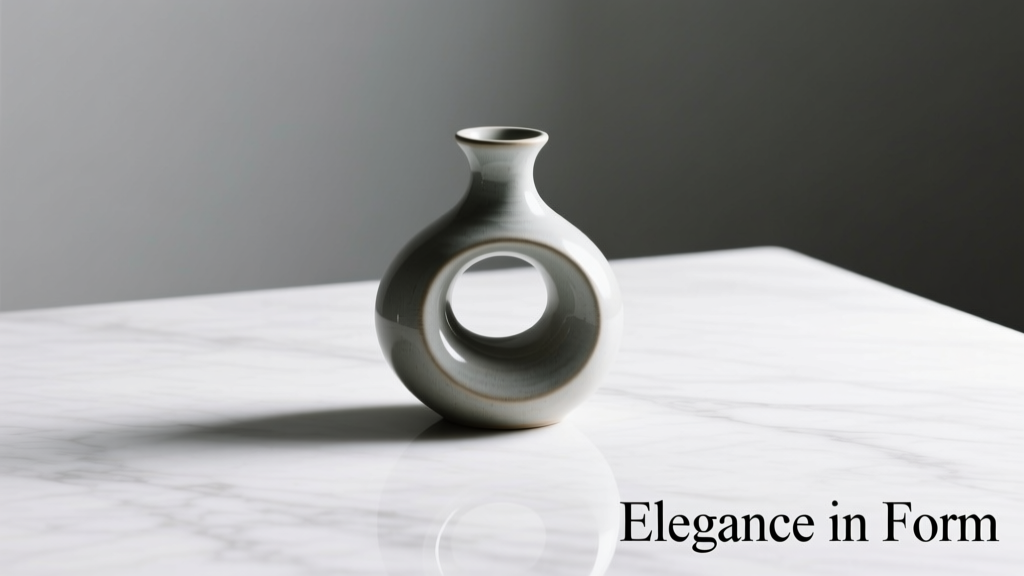
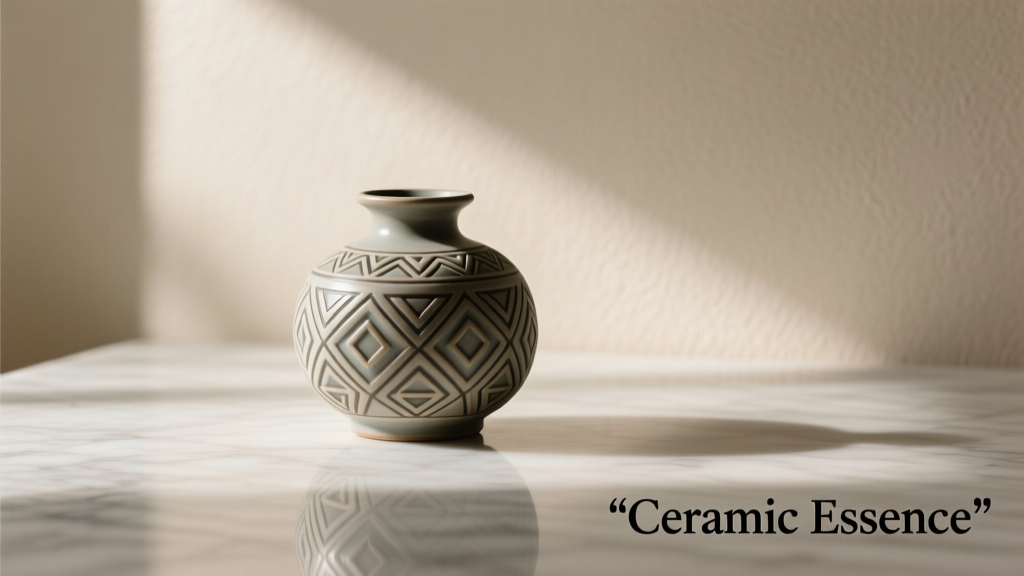
Ceramic Spice Jars with Spoon
Artisanal and decorative, ceramic spice jars add a touch of elegance and personality to any kitchen. Often handcrafted and glazed, they serve both functional and aesthetic purposes.
Advantages
- Unique, handcrafted designs with artistic appeal
- Natural insulation helps protect spices from heat and light
- Non-reactive material preserves flavor integrity
- Heavyweight build provides stability and premium feel
- Available in a wide range of colors, patterns, and finishes
Limitations
- Fragile—can crack or chip if dropped
- Typically more expensive due to craftsmanship
- Not always transparent; may require external labeling
Best for: Decorative kitchens, gift sets, and those who appreciate handmade or artisanal kitchenware
| Type | Durability | Visibility | Style & Aesthetic | Best For |
|---|---|---|---|---|
| Glass | Good | Excellent | Classic, versatile | Everyday cooking, spice visibility, eco-conscious users |
| Plastic | Very Good | Good | Functional, colorful | Families, budget kitchens, portable use |
| Stainless Steel | Excellent | Fair (requires labeling) | Modern, professional | Long-term storage, hygiene-focused environments |
| Ceramic | Fair (fragile) | Variable (often opaque) | Artistic, decorative | Kitchen display, gifts, style-focused spaces |
Expert Tip: To maximize spice freshness in any jar type, store containers in a cool, dark place away from the stove or sunlight. Use chalk packets or silica gel inserts in humid environments to prevent clumping, especially in salt and powdered spices.
Design of Spice Jars with Spoon: Functionality, Materials, and Organization
Spice jars with built-in spoons are an innovative solution for streamlining the cooking process, combining storage and measurement in one convenient container. Thoughtfully designed spice jars enhance kitchen efficiency, preserve spice quality, and contribute to a well-organized culinary space. Understanding the key design elements helps users choose the best option for their cooking habits, kitchen layout, and aesthetic preferences.
Key Design Features of Spice Jars with Spoons
Size and Capacity
Spice jars are available in a range of sizes—typically from 1 oz to 8 oz—to accommodate different usage patterns. Small-capacity jars (1–2 oz) are ideal for frequently used spices like salt, pepper, or garlic powder, minimizing waste and ensuring freshness. Larger jars (4–8 oz) are better suited for bulk storage of less commonly used spices such as turmeric, cumin, or paprika.
Compact sizes also allow for easy labeling and stacking, maximizing space in spice racks or drawers. For home chefs with extensive spice collections, modular sets with uniform jar sizes offer a clean, cohesive appearance and simplify organization.
Material Options and Benefits
The choice of material impacts durability, appearance, and spice preservation. Glass jars are popular due to their transparency, allowing users to quickly identify contents, and their resistance to staining and odor retention. Opaque glass variants in colors like amber or cobalt protect light-sensitive spices from UV degradation.
Metal jars, often powder-coated for corrosion resistance, offer a modern, industrial look and excellent durability. Plastic jars are lightweight and shatterproof, making them ideal for travel or outdoor kitchens, though they may absorb odors over time. Ceramic jars provide an artisanal aesthetic but require careful handling to avoid chipping. Bamboo jars are eco-friendly and bring a natural, warm tone to kitchen decor, though they are less suitable for humid environments.
Shape and Space Efficiency
Spice jars come in various shapes—round, square, rectangular, and hexagonal—each offering unique spatial advantages. Round jars are classic and easy to handle but may leave unused gaps when stored side by side. Square and rectangular jars maximize shelf space, fitting snugly in corners and drawers, and are ideal for tight storage areas like cabinet doors or pull-out spice racks.
Hexagonal designs offer a compromise, allowing close packing while maintaining an elegant appearance. The shape should be chosen based on available kitchen space and whether the jars will be stored vertically, horizontally, or on a rotating carousel.
Airtight Seal Technology
An effective airtight seal is crucial for preserving the potency, aroma, and texture of spices. Most high-quality spice jars use silicone gaskets or rubber seals in conjunction with screw-top or clamp-style lids to create a moisture- and oxygen-resistant barrier.
This seal prevents clumping, mold growth, and flavor loss, especially important for ground spices and blends that degrade faster when exposed to air. Some advanced models feature vacuum-sealing mechanisms or one-way valves to further extend shelf life, making them ideal for long-term storage or humid climates.
Identification and Labeling Systems
Clear identification ensures quick access during cooking. Many jars come with removable label inserts, chalkboard-style lids, or writable ceramic surfaces that allow customization. These are especially useful for spice blends or non-English labels.
Innovative smart jars now feature QR codes or NFC tags that link to digital spice databases, showing origin, usage tips, or expiration dates via smartphone. Some even include digital displays that illuminate the spice name when the jar is lifted or opened, blending functionality with modern kitchen tech.
Spoon and Scoop Design
The integrated spoon or scoop is a defining feature of these jars. Long-handled spoons (3–5 inches) are designed for deep jars, allowing access to the last pinch of spice without contamination. Shorter spoons work well for shallow containers and are easier to store within the lid.
Scoops—larger than spoons—are ideal for measuring out bulk spices quickly, while flat spice shovels make it easy to level off measurements. Some jars feature retractable spoons or magnetic attachments that keep the utensil securely in place and hygienic. Materials range from stainless steel (durable and rust-resistant) to food-grade plastic or bamboo for a natural look.
Storage Trays and Organizational Accessories
Many spice jar sets include matching storage trays, racks, or drawer inserts to keep jars secure and organized. Wooden or acrylic trays provide a stable base, preventing jars from rolling or tipping. Rotating carousels (lazy Susans) allow 360-degree access, making it easy to find the right spice without moving multiple jars.
Magnetic strips or wall-mounted panels offer space-saving vertical storage, ideal for small kitchens. Drawer organizers with labeled slots keep jars upright and visible. For professional setups, tiered or tiered-turntable systems maximize visibility and accessibility, reducing prep time and clutter.
Design Aesthetics and Kitchen Integration
Spice jars are not just functional—they’re a design element in the modern kitchen. Transparent glass jars showcase vibrant spice colors, adding visual appeal to countertops. Matte black metal jars offer a sleek, minimalist look, while hand-painted ceramic jars bring an artisanal or rustic charm.
Bamboo and wooden lids contribute to a warm, organic aesthetic, perfect for farmhouse or eco-conscious kitchens. Plastic jars come in bold, playful colors, making them popular in family kitchens or for children learning to cook. Choosing a cohesive style across all jars enhances kitchen decor and reflects personal taste.
| Design Feature | Functional Benefit | Best For |
|---|---|---|
| Airtight Seal with Silicone Gasket | Prolongs freshness, prevents clumping | All spices, especially in humid climates |
| Square or Rectangular Shape | Maximizes storage efficiency | Drawer or shelf storage |
| Integrated Long-Handle Spoon | Reaches deep into jars | Large-capacity or tall jars |
| Writable or Chalkboard Labels | Easy customization and updates | DIY spice blends or rotating inventory |
| Rotating Storage Carousel | Quick access to all spices | Countertop organization |
Best Practices for Using Spice Jars with Spoons
Important: Always ensure the spoon or scoop is completely dry before placing it back into the jar to prevent moisture buildup, which can lead to clumping or mold. Avoid using metal spoons with ceramic or glass jars if there’s a risk of chipping. For optimal longevity, follow manufacturer care instructions, especially for specialty materials like bamboo or coated metal.
Scenarios of Spice Jars with Spoon: Versatile Applications Across Industries
Spice jars with built-in spoons are more than just kitchen staples—they are essential tools across a wide range of industries. From commercial food service to wellness and retail, these innovative containers offer convenience, precision, and freshness. Their design supports efficient workflow, product consistency, and customer satisfaction. Below are key scenarios where spice jars with spoons deliver measurable value to businesses and consumers alike.
Restaurants and Catering Services
Professional kitchens rely on spice jars with spoons for fast, accurate seasoning during food preparation. These jars streamline operations by eliminating the need for separate measuring tools, reducing cross-contamination and saving time during peak hours.
- Used for storing frequently used spices like cumin, paprika, and oregano in organized mise-en-place stations
- Airtight lids preserve flavor and prevent moisture absorption, which can cause clumping
- Integrated spoons allow chefs to portion spices quickly, improving consistency across dishes
- Custom-branded jars enhance kitchen aesthetics and reinforce brand identity in open-concept kitchens or catering displays
Pro tip: Choose jars with stainless steel spoons for durability and resistance to flavor absorption.
Food Packaging and Processing
In industrial food production, precision and shelf stability are critical. Spice jars with spoons support quality control during the formulation of seasoning blends, marinades, and dry mixes.
- Facilitate accurate measurement of spice ratios in batch processing for sauces, rubs, and ready-to-cook meals
- Preserve volatile essential oils in spices through airtight, UV-resistant packaging
- Support compliance with food safety standards by minimizing open handling and contamination risks
- Ideal for private-label spice kits and co-packing operations where consistency is key
Quality note: Jars with tamper-evident seals increase consumer trust and meet regulatory requirements.
Beverage Industry
From craft cocktails to functional beverages, spice jars with spoons enable mixologists and beverage developers to experiment with exotic and potent spices.
- Used to store whole or ground spices like cinnamon, cardamom, star anise, and saffron for infusion recipes
- Spoons allow precise dosing—critical when working with strong flavors that can overpower a drink
- Common in tea bars and specialty coffee shops for creating signature spice blends or chai mixes
- Support the creation of pre-measured drink kits for retail or subscription boxes
Innovation insight: Transparent jars let customers see premium ingredients, enhancing perceived value.
Health and Wellness Industry
With growing interest in natural remedies and functional foods, spice jars are used to store potent, health-promoting ingredients in supplement and wellness product manufacturing.
- Store bioactive spices such as turmeric (curcumin), ginger (anti-inflammatory), and cayenne (metabolism support)
- Ensure accurate dosing when blending powders for capsules, tinctures, or wellness shots
- Protect sensitive compounds from degradation due to light, air, and humidity
- Used in wellness retreats and holistic centers for educational workshops and DIY health kits
Key benefit: Measured access helps maintain potency and supports safe usage guidelines.
Hotels and Resorts
Luxury accommodations use spice jars with spoons to elevate the guest experience, especially in premium minibars, suite kitchens, and culinary-themed packages.
- Offer curated spice sets for in-room dining, allowing guests to personalize meals from room service
- Add a gourmet touch to welcome amenities, such as local spice blends or regional seasonings
- Support sustainability efforts when refillable jars are used across multiple stays
- Enhance branding when jars feature hotel logos or destination-inspired designs
Guest experience: Personalization increases satisfaction and encourages social media sharing.
Retail and Specialty Stores
Bulk food stores, gourmet shops, and spice emporiums use these jars to improve customer experience and drive sales.
- Allow shoppers to view product quality, color, and texture before purchasing
- Enable self-service with hygienic, built-in spoons for sampling or portioning
- Support eco-friendly shopping by reducing the need for disposable scoops
- Facilitate impulse buys with attractive, well-labeled displays of exotic or seasonal blends
Retail strategy: Jars with clear labeling and QR codes can link to recipes or sourcing stories.
Craft and DIY Industry
Creative entrepreneurs and hobbyists repurpose spice jars with spoons for organization, crafting, and handmade product packaging.
- Store small craft supplies like glitter, beads, sequins, and rhinestones with easy access
- Serve as containers for homemade spice blends, bath salts, or potpourri gifts
- Used in candle-making, soap crafting, and DIY skincare for measuring dry ingredients
- Popular in wedding favors, party kits, and seasonal gift sets due to their compact, attractive design
Sustainability angle: Reusable jars support zero-waste initiatives and upcycling trends.
Additional Applications
The versatility of spice jars with spoons extends beyond traditional uses, finding value in education, travel, and emergency preparedness.
- Culinary schools: Teach students proper seasoning techniques with standardized tools
- Meal prep services: Include pre-measured spices in ingredient kits for home cooks
- Outdoor & camping: Compact jars with spoons are ideal for backpacking spice kits
- Emergency kits: Store medicinal herbs or electrolyte powders with precise dosing
Emerging trend: Smart labeling with expiration tracking or usage tips enhances functionality.
Business Buyer Insight: When sourcing spice jars with spoons, consider material quality (e.g., borosilicate glass, BPA-free plastic), lid seal integrity, and spoon ergonomics. Opt for modular designs that stack or fit into standard storage systems. For branding opportunities, explore customization options like logo engraving, colored caps, or themed labels that align with your brand identity.
| Industry | Primary Use | Key Benefit | Recommended Jar Features |
|---|---|---|---|
| Restaurants & Catering | Daily seasoning in high-volume kitchens | Speed and consistency in food prep | Stainless steel spoon, airtight seal, stackable design |
| Food Processing | Blending and packaging spice mixes | Precision and shelf-life extension | Tamper-evident lid, UV-resistant glass, measurement markings |
| Beverage Industry | Infusions and cocktail development | Controlled dosing of potent spices | Clear glass, small capacity (2–4 oz), drip-proof lid |
| Health & Wellness | Storing functional ingredients | Potency preservation and accurate dosing | Dark glass, desiccant cap, labeled dosage guide |
| Retail Stores | Bulk dispensing and customer sampling | Hygiene and visual appeal | Durable plastic or glass, wide mouth, branded labeling |
| Craft & DIY | Organization and creative packaging | Versatility and reusability | Leak-proof, easy-clean, customizable appearance |
Why Spice Jars with Spoons Are a Smart Investment
- Operational Efficiency: Reduce prep time and minimize waste with integrated measuring tools
- Product Integrity: Maintain freshness, flavor, and potency through superior sealing technology
- Brand Enhancement: Customizable designs support marketing, gifting, and customer loyalty
- Sustainability: Reusable, refillable containers align with eco-conscious business practices
- Cross-Industry Flexibility: One product solution for food, beverage, wellness, retail, and creative markets
How to Choose the Perfect Spice Jar with Spoon
For passionate home cooks and professional chefs alike, the right kitchen tools can elevate the cooking experience from chaotic to seamless. Among the most overlooked yet essential items are spice jars with spoons—compact, functional containers that combine storage and measurement in one. A well-chosen spice jar not only keeps your pantry organized but also enhances flavor preservation and cooking efficiency. Whether you're upgrading your spice collection or setting up a new kitchen, this comprehensive guide will help you make an informed decision based on functionality, materials, size, and design.
Pro Tip: Properly stored spices can retain their flavor and potency for up to two years. Choosing the right jar is the first step in preserving the quality of your culinary ingredients.
Key Factors to Consider When Choosing a Spice Jar with Spoon
- Functionality: Designed for Efficiency and Freshness
Spice jars with spoons are engineered to streamline the cooking process. The integrated or accompanying spoon allows for quick, mess-free measuring—eliminating the need to dig through drawers for measuring spoons. Look for jars with clearly marked measurement indicators (e.g., ¼ tsp, ½ tsp) on the spoon or lid for precision.
Opt for jars with flip-top, shaker, or screw-on lids that provide easy access while maintaining an airtight seal. Airtight closures are crucial for protecting spices from moisture, light, and air—three primary factors that degrade flavor and aroma over time. High-quality seals help prevent clumping in spices like paprika or cumin and extend shelf life significantly.
Some advanced models feature dual lids—one for shaking and one with a built-in spoon compartment—offering versatility for different cooking styles. Clear labeling options, such as writable labels, chalkboard surfaces, or pre-printed spice names, make identification effortless during fast-paced meal prep.
- Materials: Balancing Durability, Safety, and Style
The material of your spice jar affects not only its longevity but also the quality of your spices. Here’s a breakdown of common materials and their benefits:
- Glass Jars: Transparent and non-reactive, glass is ideal for preserving the true flavor of spices. It doesn’t absorb odors or leach chemicals, making it a safe choice for long-term storage. Amber or cobalt blue glass offers added protection from UV light, which can degrade sensitive spices like turmeric or saffron.
- Metal Tins (Stainless Steel or Tin): Durable and stylish, metal jars offer excellent protection against light and moisture. They’re perfect for high-traffic kitchens and provide a modern, professional look. However, they are opaque, so you’ll need reliable labeling to identify contents quickly.
- Ceramic Jars: Known for their aesthetic appeal, ceramic containers add a rustic or artistic touch to your kitchen. Glazed ceramic is non-porous and non-reactive, keeping spices fresh while resisting temperature fluctuations. Ideal for display shelves or open cabinets.
- Plastic Jars: Lightweight and budget-friendly, plastic is a practical option for temporary storage or travel. Look for BPA-free, food-grade plastic to ensure safety. While shatterproof and child-safe, plastic may absorb odors over time and isn’t as effective at blocking light compared to glass or metal.
- Size and Capacity: Matching Storage to Your Cooking Habits
Selecting the right size depends on how frequently you use certain spices and the space available in your kitchen. Consider these guidelines:
- Small Jars (1–2 oz): Perfect for potent spices like cloves, nutmeg, or cardamom that are used in small quantities. Also great for travelers or compact kitchens.
- Medium Jars (3–4 oz): Ideal for everyday spices such as cumin, coriander, oregano, or chili powder. These balance capacity with ease of handling and labeling.
- Large Jars (5+ oz): Best for bulk storage of frequently used spices like black pepper, salt, or garlic powder. Ensure your cabinet or drawer can accommodate the height and width.
Proper organization is key—group jars by cuisine (e.g., Italian, Indian, baking) or frequency of use. Stackable or magnetic spice racks can maximize vertical space and keep jars within easy reach.
- Design and Aesthetics: Blending Function with Kitchen Decor
Your spice jars don’t just have to be functional—they can also enhance your kitchen’s visual appeal. Consider the overall theme of your space:
- For a modern kitchen, sleek stainless steel or minimalist glass jars with black lids offer a clean, professional look.
- In a rustic or farmhouse-style kitchen, ceramic jars with hand-painted designs or wood-toned lids add warmth and character.
- Contemporary or eclectic spaces can benefit from colorful labels, patterned lids, or uniquely shaped jars that double as decor.
Uniformity helps maintain a tidy appearance. Matching sets with consistent spoon styles, lid types, and label formats create a cohesive, organized pantry. However, don’t shy away from mixing materials if it suits your personal style—just ensure readability and accessibility aren’t compromised.
Many brands offer customizable labels or magnetic backs for fridge or rail mounting, adding both function and flair.
| Material | Best For | Pros | Cons |
|---|---|---|---|
| Glass | Most spices, especially light-sensitive ones | Non-reactive, transparent, UV-protective options, easy to clean | Fragile, heavier than other materials |
| Stainless Steel | Bulk storage, high-use kitchens | Durable, moisture-resistant, modern look | Opaque (requires labeling), more expensive |
| Ceramic | Display storage, decorative kitchens | Stylish, non-reactive, good insulation | Heavy, fragile, limited lid options |
| Plastic | Temporary use, kids’ kitchens, travel | Lightweight, affordable, shatterproof | May absorb odors, less durable, not eco-friendly |
Expert Tip: Store spice jars in a cool, dark place away from the stove or sink to preserve freshness. Heat and humidity are the biggest enemies of spice longevity.
Final Recommendations
- Invest in a starter set of 6–12 jars with spoons to cover your most-used spices.
- Choose airtight, labeled jars with measurement-marked spoons for maximum convenience.
- Prioritize glass or stainless steel for long-term storage and flavor integrity.
- Use uniform labeling (chalkboard, printed, or sticker) for quick identification.
- Consider stackable or magnetic designs to optimize kitchen space.
- Replace spices every 1–2 years for optimal flavor—label jars with purchase dates.
Ultimately, the best spice jar with spoon is one that fits your cooking style, storage space, and aesthetic preferences. By focusing on functionality, material quality, and thoughtful design, you can create a spice station that’s both beautiful and highly efficient—making every meal easier to prepare and more flavorful to enjoy.
Frequently Asked Questions About Spice Jars with Spoons
Q: What are the benefits of using spice jars with spoons?Spice jars with built-in spoons offer a range of practical advantages that enhance your cooking experience. The integrated spoon provides instant access to your spices, eliminating the need to search for measuring spoons or risk contamination from dirty utensils. This makes seasoning during meal prep faster and more hygienic.
- Convenience: The attached spoon allows for one-handed use, making it easy to measure and sprinkle spices while cooking.
- Portion Control: Many spoons are sized to hold a standard teaspoon or half-teaspoon, helping you add the right amount without over-seasoning.
- Reduced Mess: Built-in spoons minimize spills and keep countertops cleaner by preventing loose spoons from scattering.
- Organization: Having a dedicated spoon for each spice reduces cross-contamination and keeps flavors pure.
These features make spice jars with spoons ideal for both novice cooks and experienced chefs looking to streamline their kitchen workflow.
Q: What materials are commonly used for spice jars with spoons?The material of a spice jar affects not only its appearance but also its durability, functionality, and ability to preserve spice quality. Here's a breakdown of the most common materials and their unique benefits:
- Glass: A timeless favorite, glass jars are non-reactive, easy to clean, and transparent—allowing you to quickly identify the spice inside. They’re also highly durable and resistant to staining or odor absorption.
- Metal (Stainless Steel or Tin): Offers a modern, sleek aesthetic and excellent protection against light and moisture. Metal jars are sturdy and long-lasting, though they often aren’t transparent, requiring labels for easy identification.
- Ceramic: Known for their decorative appeal, ceramic jars add a rustic or artistic touch to any kitchen. They provide good insulation from light and heat, helping preserve flavor, but can be fragile and heavier than other options.
- Plastic (BPA-Free): Lightweight and shatterproof, plastic jars are budget-friendly and great for travel or outdoor kitchens. However, they may absorb odors over time and are less effective at blocking light compared to other materials.
Your choice of material should balance aesthetics, functionality, and how well it protects your spices from degrading factors like light, air, and humidity.
Q: How can one ensure that the spices in the jars stay fresh?Spices lose potency over time when exposed to air, light, heat, and moisture. To maximize shelf life and maintain rich flavor, follow these best practices when storing spices:
- Airtight Seals: Choose jars with tight-fitting lids—preferably with silicone gaskets—to prevent oxygen from entering, which can cause oxidation and flavor loss.
- Light Protection: Store spices in tinted glass, ceramic, or metal jars that block UV rays. Alternatively, keep clear jars in a dark cabinet or drawer.
- Cool, Dry Location: Avoid placing spice jars near the stove, oven, or dishwasher, as heat and humidity accelerate degradation.
- Labeling and Rotation: Label jars with purchase or refill dates and use the “first in, first out” method to ensure older spices are used before newer ones.
- Fresh Sources: Start with high-quality, freshly ground spices for optimal longevity and taste.
When properly stored, whole spices can last 2–3 years, while ground spices typically remain potent for 1–2 years.
Q: What styles are available for spice jars with spoons?Spice jars with spoons come in a wide variety of designs to suit different kitchen themes and personal tastes. Whether you prefer minimalist modernity or vintage charm, there’s a style to match:
- Modern/Contemporary: Sleek lines, stainless steel or frosted glass, and minimalist labels create a clean, professional look ideal for urban kitchens.
- Rustic/Farmhouse: Jars made of ceramic or amber glass with chalkboard labels or wooden lids add warmth and a handcrafted feel.
- Industrial: Features like metal frames, screw-top caps, and transparent bodies give a utilitarian yet stylish appearance.
- Traditional: Classic glass jars with cork or metal lids offer timeless appeal and blend well with most decors.
- Customizable: Some sets allow personalized labels, color-coded caps, or modular stacking systems for a tailored organization solution.
Many brands also offer matching sets with uniform shapes and sizes, creating a cohesive and visually pleasing spice lineup on shelves or countertops.
Q: How can one clean and take care of spice jars with spoons?Proper cleaning and maintenance extend the life of your spice jars and prevent flavor contamination. Care methods vary slightly depending on the material:
- General Cleaning: Empty jars before washing. Rinse with warm water and use a bottle brush for hard-to-reach areas. Wash with mild dish soap and dry thoroughly before refilling.
- Glass & Ceramic Jars: Typically dishwasher-safe (top rack recommended), though handwashing helps preserve labels and finishes.
- Metal Jars: Not dishwasher-safe. Wipe with a damp cloth to avoid water damage, corrosion, or warping. Dry immediately to prevent spotting.
- Plastic Jars: Can be handwashed or placed in the dishwasher, but may discolor or retain odors over time. Avoid abrasive scrubbers.
- Spoons: Clean regularly, especially if used frequently. Detachable spoons are easier to clean; fixed spoons require careful rinsing and drying to prevent mold or residue buildup.
To maintain hygiene and freshness, deep clean jars every time you refill them. Avoid using strong detergents or soaking for extended periods, especially with labeled or decorative jars.