Packing a meal in an insulated lunch bag is a convenient way to enjoy home-cooked food on the go. But convenience shouldn’t come at the cost of safety. Without proper handling, perishable foods can enter the “danger zone”—temperatures between 40°F and 140°F—where bacteria multiply rapidly. This increases the risk of foodborne illness. Whether you're packing lunch for work, school, or a day trip, understanding how to pack food safely ensures your meals stay fresh, nutritious, and hygienic from kitchen to consumption.
Understanding the Risks: Why Temperature Control Matters
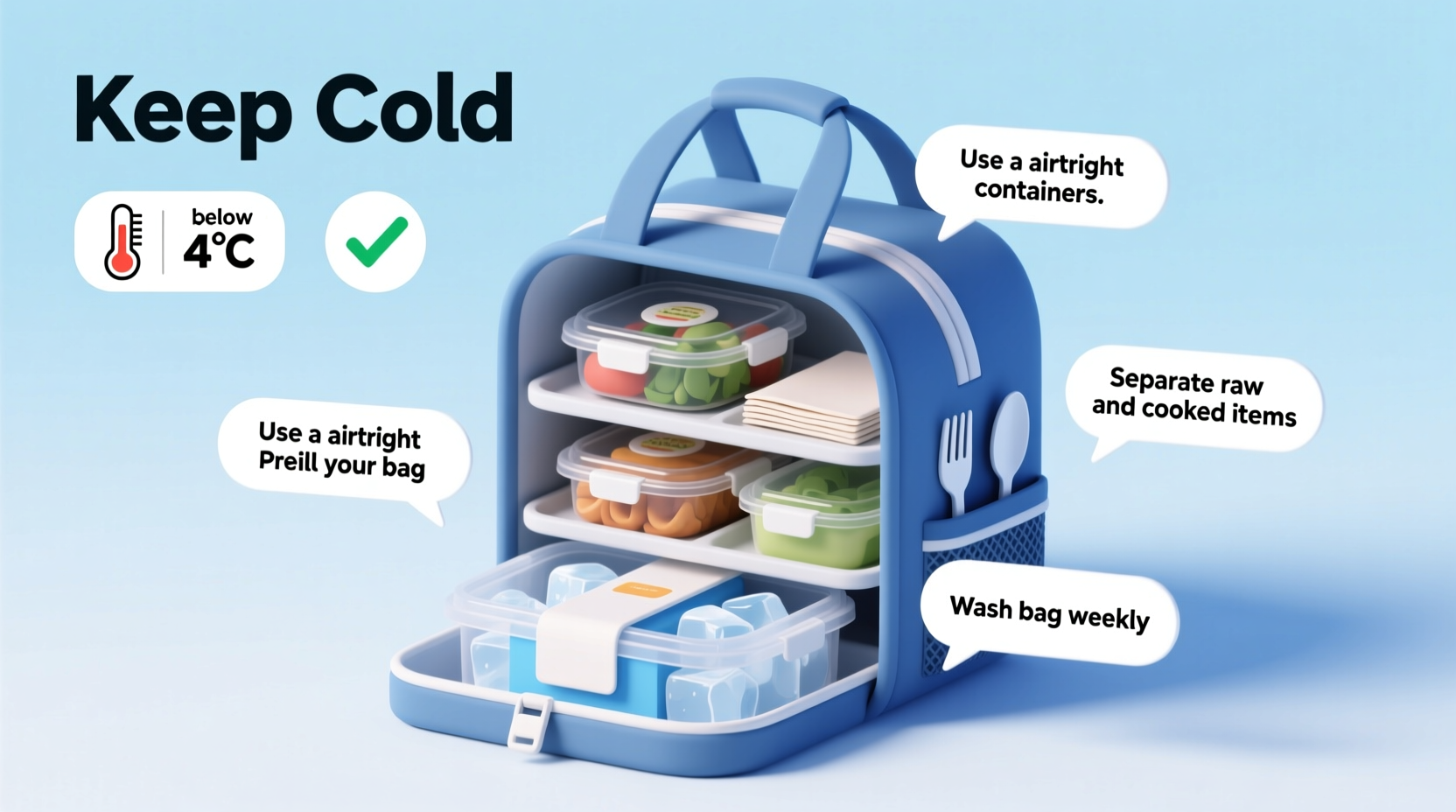
The human body is highly sensitive to pathogens like *Salmonella*, *Listeria*, and *E. coli*, which thrive in warm, moist environments. When perishable foods such as dairy, meats, eggs, and cooked grains sit unrefrigerated for more than two hours (or one hour above 90°F), bacterial growth escalates exponentially. An insulated lunch bag alone does not cool food—it only slows heat transfer. That’s why combining insulation with cold sources is essential.
The U.S. Department of Agriculture (USDA) emphasizes that cold foods should remain below 40°F to prevent spoilage. This means starting with chilled ingredients, using ice packs, and minimizing exposure to ambient heat during transport and storage.
Tip: Always pre-chill your insulated lunch bag in the refrigerator overnight before use to extend its cooling effectiveness.Choosing the Right Ice Sources
Not all cold packs are created equal. The type and placement of your cooling agent significantly impact how well your food stays protected. Consider these options:
- Gel packs: Reusable and leak-proof, ideal for consistent cooling. Freeze for at least 24 hours before use.
- Frozen water bottles: Serve dual purposes—cool the bag and provide a cold drink by lunchtime.
- Freezable cutlery: Spoons or forks with built-in coolant chambers; freeze them and use as both utensil and cooler.
- Dry ice (for extended trips): Only suitable under strict safety guidelines due to extreme cold and gas emission.
For maximum efficiency, place cold sources directly adjacent to perishable items. If possible, sandwich food between two ice packs—one on top, one beneath.
Step-by-Step Guide: Packing Your Lunch Safely
- Start with clean hands and sanitized containers.
- Pre-chill the lunch bag and all reusable components (ice packs, containers).
- Pack hot foods hot (above 140°F) or cold foods cold (below 40°F)—never lukewarm.
- Use leak-proof, BPA-free containers to prevent cross-contamination.
- Place perishables like yogurt, meat, or cooked rice near the ice source.
- Add non-perishables (bread, fruit, chips) around the edges where temperatures fluctuate more.
- Seal the bag and minimize opening until mealtime.
- If storing at work or school, keep the bag in a cool area away from direct sunlight or heating vents.
Smart Packaging and Container Choices
The container matters as much as the contents. Airtight, stackable containers made from stainless steel or food-grade plastic resist odors and prevent leaks. Glass containers offer excellent insulation but may be heavy or fragile for some users.
Avoid single-use plastic bags or flimsy wraps—they don’t protect against temperature changes or contamination. Instead, invest in portioned bento-style boxes that separate food types and reduce moisture migration.
| Container Type | Best For | Limitations |
|---|---|---|
| Stainless Steel | Hot/cold retention, durability | Heavier, not microwave-safe |
| Food-Grade Plastic | Lightweight, affordable | Can absorb odors over time |
| Glass | Microwave and oven safe | Fragile, heavier |
| Silicone-Foldable | Portable, collapsible design | Limited structural support |
Hygiene and Cleaning Practices
An often-overlooked aspect of food safety is the cleanliness of the lunch bag itself. Crumbs, spills, and condensation create breeding grounds for mold and bacteria. To maintain hygiene:
- Wipe down interior surfaces weekly with a mild vinegar solution or disinfectant wipe.
- Machine-wash removable liners according to manufacturer instructions.
- Air-dry the bag completely after cleaning to prevent mildew.
- Inspect seams and zippers regularly for trapped debris.
Mini Case Study: Sarah’s School Lunch Routine
Sarah, a third-grade teacher, packs lunches for her two children every weekday. Last summer, her son developed a stomach bug after eating a chicken salad that had been sitting in a hot car for three hours. Testing confirmed *Staphylococcus aureus* contamination. Since then, Sarah revised her routine: she now uses two large gel packs, freezes her kids’ water bottles, and stores lunches in a shaded locker at school instead of leaving them in backpacks. Over the past year, there have been zero incidents of spoiled food or illness.
Her key insight? “It only takes one bad experience to realize how crucial temperature control really is.”
Expert Insight on Food Safety Standards
“Many people assume their lunch will be fine because it’s in a ‘cool bag.’ But without active cooling, even insulated bags fail within hours. Combine insulation with frozen packs, and always aim to keep cold foods under 40°F.” — Dr. Lena Torres, Food Safety Specialist at the National Institute of Public Health
Do’s and Don’ts of Insulated Lunch Packing
| Do’s | Don’ts |
|---|---|
| Use at least one frozen ice pack | Leave perishables unchilled overnight |
| Pack food just before departure | Prepare meals the night before and leave them out |
| Choose insulated bags with thermal lining | Use thin tote bags without insulation |
| Clean the bag weekly | Ignore spills or lingering smells |
| Separate raw and cooked items | Mix different food groups loosely |
Frequently Asked Questions
How long can food stay safe in an insulated lunch bag?
With at least two ice packs and outside temperatures below 70°F, perishable food can remain safe for up to 4 hours. Above 90°F, this window shrinks to 1 hour. When in doubt, discard food that has been in the danger zone too long.
Can I reuse plastic containers for packed lunches?
Yes, if they are labeled microwave- and dishwasher-safe. Replace cracked, warped, or cloudy containers, as these can harbor bacteria and leach chemicals when heated.
Is it safe to pack hot food in an insulated bag?
Yes—insulated bags can also retain heat. Use a thermos preheated with boiling water to keep soups, stews, or curries above 140°F for up to 5 hours. Avoid placing hot containers directly against cold packs.
Essential Checklist for Safe Lunch Packing
- ☑ Pre-chill the lunch bag and ice packs
- ☑ Use at least one, preferably two, frozen cold sources
- ☑ Pack perishable items closest to the ice
- ☑ Choose leak-proof, durable containers
- ☑ Keep the bag closed until mealtime
- ☑ Store in a cool location upon arrival
- ☑ Clean the bag weekly and dry thoroughly
Conclusion
Packing food in an insulated lunch bag doesn’t have to be risky. With thoughtful preparation, the right tools, and consistent habits, you can enjoy safe, fresh, and delicious meals anywhere. From selecting effective cooling methods to maintaining hygiene and avoiding common mistakes, every step contributes to better health and peace of mind. Make food safety a priority—not an afterthought—and transform your daily routine into a model of smart, sustainable eating.
💬 What’s your go-to strategy for keeping lunch fresh? Share your favorite tip or product recommendation in the comments and help others eat safer every day!