Cooking chicken for pasta doesn’t need to be complicated. Whether you're preparing a quick weeknight meal or elevating your dinner with restaurant-quality flair, the right preparation method can make all the difference. The key is balancing tenderness, flavor, and timing so the chicken complements—rather than overpowers—the pasta dish. From pan-searing to poaching, there are multiple accessible techniques that deliver juicy, flavorful results without requiring advanced skills or specialty equipment.
This guide walks through practical, tested methods for cooking chicken that pair beautifully with pasta. Each approach includes seasoning tips, timing guidance, and integration strategies to ensure your final dish is cohesive and satisfying. With a few foundational techniques, you’ll be able to adapt recipes on the fly and build confidence in the kitchen.
Pan-Seared Chicken: Fast, Flavorful, and Foolproof
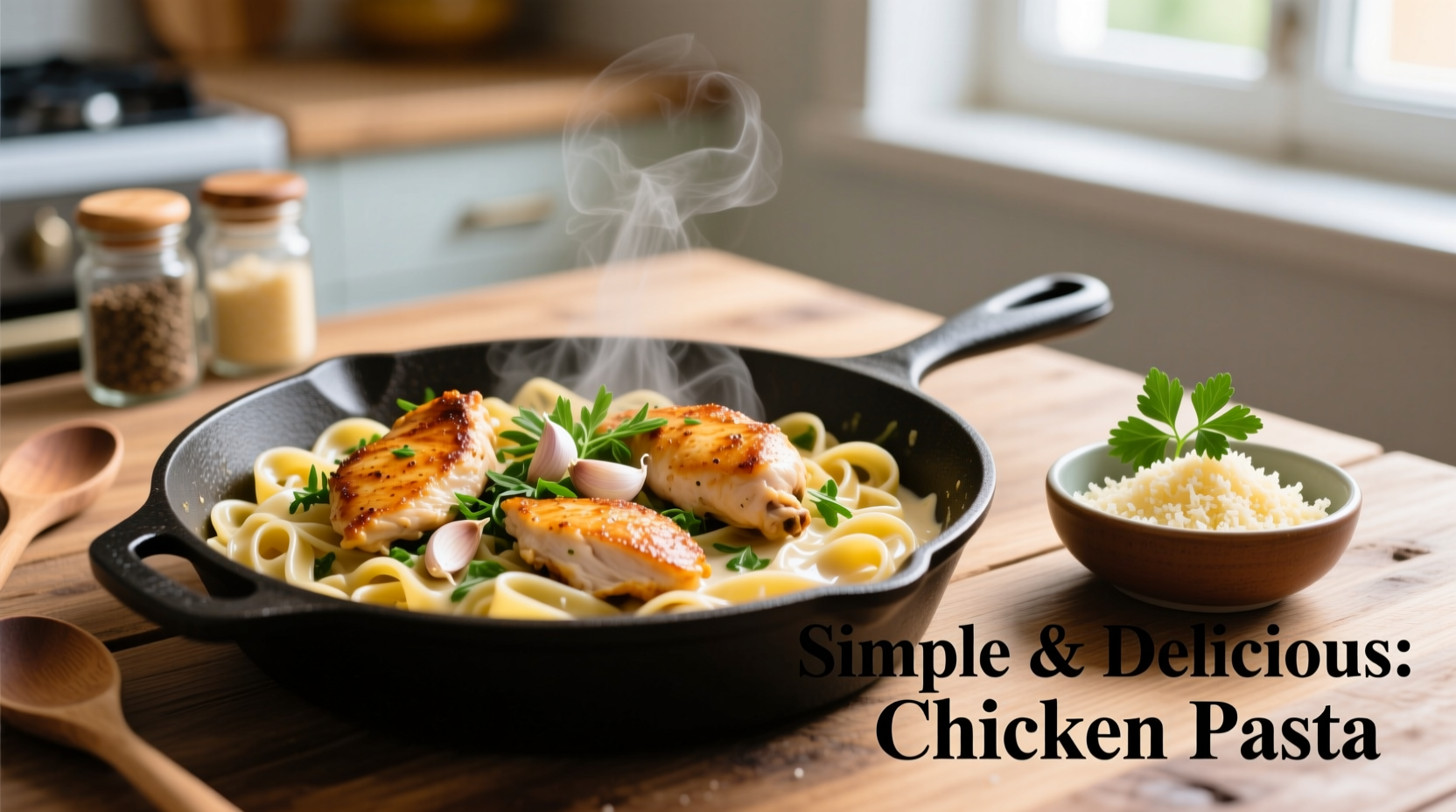
Pan-searing is one of the most effective ways to cook chicken for pasta. It creates a golden-brown crust that locks in moisture while adding depth of flavor. This method works best with boneless, skinless chicken breasts or thighs sliced into thin cutlets.
Start by seasoning the chicken generously with salt and pepper. For extra flavor, add garlic powder, paprika, or dried herbs like oregano or thyme. Heat a tablespoon of olive oil in a large skillet over medium-high heat. Once the oil shimmers, add the chicken in a single layer—avoid overcrowding to ensure proper browning.
Cook for 3–4 minutes per side, depending on thickness, until the internal temperature reaches 165°F (74°C). Remove from the pan and let rest for a few minutes before slicing. Use the same skillet to sauté aromatics like garlic or shallots, then deglaze with white wine or broth to create a quick pan sauce that ties the entire pasta dish together.
Tip: Let chicken come to room temperature for 15 minutes before searing to ensure even cooking and prevent dryness.Baking Chicken: Hands-Off Perfection
When you want consistent results with minimal supervision, baking is an excellent option. It’s ideal when preparing larger quantities or when multitasking in the kitchen.
Preheat your oven to 375°F (190°C). Place seasoned chicken breasts or thighs on a parchment-lined baking sheet. Drizzle lightly with olive oil and roast for 20–25 minutes, or until the internal temperature hits 165°F. For added moisture, cover the chicken loosely with foil during the first 15 minutes.
Baked chicken holds up well when diced or shredded into creamy pastas like fettuccine Alfredo or mixed into baked ziti. You can also marinate the chicken beforehand in lemon juice, olive oil, and herbs for enhanced flavor. One advantage of baking is that it allows time to prepare the pasta sauce simultaneously without juggling stove burners.
“Baking ensures even doneness across multiple pieces, making it perfect for family meals.” — Chef Marcus Tran, Culinary Instructor at Metro Kitchen Academy
Poaching Chicken: Tender, Juicy, and Low-Fat
Poaching is underrated but exceptionally effective for keeping chicken moist and delicate—ideal for light, summery pasta dishes like lemon-herb linguine or cold pasta salads.
To poach, bring a pot of seasoned liquid (water, broth, or a mix with lemon slices, garlic, and bay leaves) to a gentle simmer. Add chicken breasts, ensuring they’re fully submerged. Reduce heat to low and cook for 12–15 minutes, avoiding boiling to prevent toughness. Once cooked, remove the chicken and let it cool slightly before shredding or slicing.
The resulting meat is tender enough to pull apart with a fork and absorbs sauces beautifully. Plus, the poaching liquid can be strained and used as a base for soups or sauces, reducing waste and boosting flavor.
Step-by-Step Guide to Poaching Chicken
- Season 1–2 cups of liquid with salt, peppercorns, garlic, and herbs.
- Bring to a bare simmer (small bubbles at edges).
- Add chicken breasts; cover and cook 12–15 minutes.
- Check temperature: 165°F at the thickest part.
- Remove, rest 5 minutes, then slice or shred.
Sautéed Chicken with Vegetables: One-Pan Efficiency
For a complete protein-and-veggie component, sautéing chicken with vegetables streamlines the process and builds layered flavor. This method shines in dishes like chicken primavera or creamy mushroom pasta.
Cut chicken into bite-sized cubes and season with salt, pepper, and a pinch of red pepper flakes. Sear in olive oil until golden, then remove and set aside. In the same pan, add chopped onions, bell peppers, zucchini, or mushrooms. Cook until softened, then return the chicken to the pan. Toss with minced garlic and fresh herbs like parsley or basil.
Finish by stirring in a splash of cream, pesto, or tomato sauce just before combining with cooked pasta. The residual flavors in the pan infuse the entire dish, eliminating the need for additional seasoning layers.
Tip: Cut chicken uniformly to ensure even cooking when sautéing with vegetables.Grilled Chicken: Smoky Depth for Cold or Warm Pasta Salads
Grilling adds a smoky complexity that pairs well with robust pasta sauces or chilled noodle salads. It's especially effective in Mediterranean-style dishes featuring olives, sun-dried tomatoes, and fresh mozzarella.
Marinate chicken breasts in olive oil, lemon juice, minced garlic, and oregano for at least 30 minutes. Preheat grill to medium-high. Oil the grates and cook chicken 5–6 minutes per side, turning once. Let rest before slicing against the grain.
Grilled chicken maintains its texture well when cooled, making it perfect for meal prep. Store slices in an airtight container for up to four days and toss into pasta bowls throughout the week.
Best Cooking Methods Compared
| Method | Time Required | Best For | Texture Outcome |
|---|---|---|---|
| Pan-Searing | 10–15 min | Creamy or garlicky pastas | Crispy exterior, juicy inside |
| Baking | 20–25 min | Baked pasta dishes, casseroles | Evenly tender |
| Poaching | 12–15 min | Light sauces, cold pasta salads | Delicate, moist |
| Sautéing | 15–20 min | Veggie-heavy pastas | Firm, flavorful |
| Grilling | 12–15 min | Mediterranean or smoky dishes | Charred edges, smoky notes |
Common Mistakes to Avoid
- Overcooking: Chicken dries out quickly past 165°F. Use a meat thermometer.
- Skipping the rest: Letting chicken rest 3–5 minutes after cooking preserves juices.
- Not seasoning early: Salt should be applied at least 10 minutes before cooking—or better yet, brine for 30 minutes in salted water for superior moisture retention.
- Adding cold chicken to hot sauce: This can cause uneven temperature distribution. Always warm slices slightly if refrigerated.
Real-World Example: Maria’s Weeknight Win
Maria, a working parent of two, struggled with dinnertime stress until she adopted a batch-cooking routine. Every Sunday, she bakes four seasoned chicken breasts and stores them in the fridge. During the week, she slices one breast and reheats it in a skillet with frozen peas, garlic, and a spoonful of Alfredo sauce. She tosses it with freshly cooked fettuccine and finishes with grated Parmesan. Dinner is ready in under 15 minutes, and her family never guesses it’s a repeat protein.
“I used to think I needed new recipes every night,” she says. “Now I realize technique matters more than variety.”
Frequently Asked Questions
Can I use frozen chicken directly in my pasta dish?
Yes, but it will take longer to cook and may release excess moisture. For best results, thaw chicken in the refrigerator overnight or use the defrost setting on your microwave. If cooking from frozen, increase stovetop time by 50% and ensure the internal temperature still reaches 165°F.
How do I keep chicken from drying out in creamy pasta?
Avoid adding chicken too early. Stir it in during the last minute of cooking to warm it through without overexposing it to heat. Using thigh meat instead of breast also helps, as it has more fat and stays juicier.
What’s the best way to reheat chicken in pasta?
Reheat gently in a skillet over medium-low heat with a splash of broth or milk to restore moisture. Microwaving can toughen the chicken, so stir frequently and use short bursts at 50% power.
Final Tips for Success
- Always use a meat thermometer—visual cues alone aren't reliable.
- Match the cooking method to your sauce: rich sauces pair well with leaner cuts; bold flavors go with grilled or seared chicken.
- Reserve some pasta water—it helps emulsify sauces and bind everything together.
- Season each component: chicken, sauce, and pasta should all carry balanced flavor.