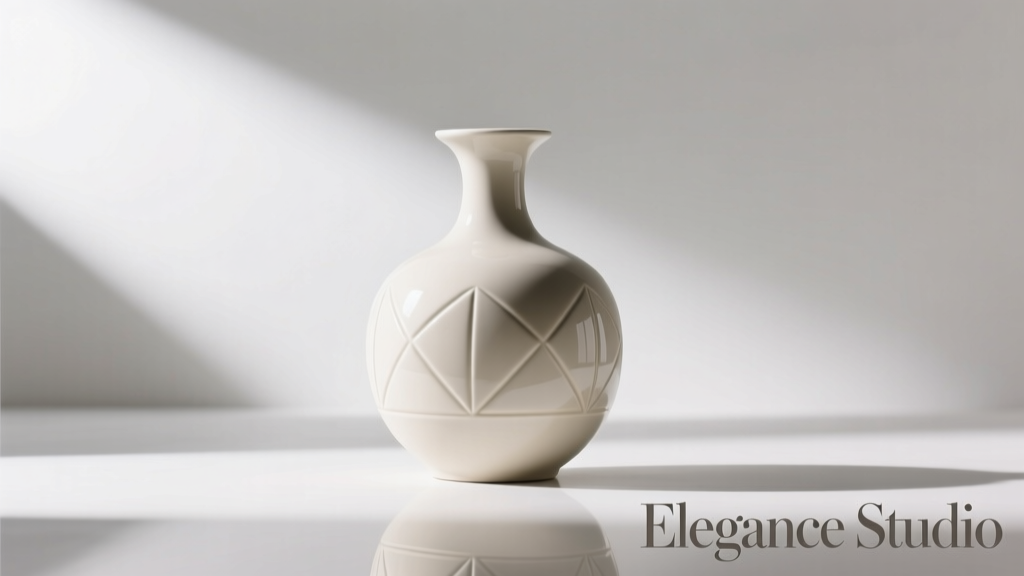
Types of Sauce Cruets and Soy Sauces
A sauce cruet is a small, elegant container designed for storing and dispensing liquid condiments with precision. Featuring a pouring spout and an airtight seal, it prevents spills and maintains freshness. Commonly used in both home kitchens and restaurants, sauce cruets enhance tableside presentation and functionality. While they are often associated with soy sauce, they are also ideal for oils, vinegars, and other thin sauces.
The most popular cruet sets include combinations like olive oil and balsamic vinegar, but soy sauce cruets have become essential in households and restaurants that serve Asian cuisine. Below is a detailed breakdown of the most common types of sauce cruets and soy sauce varieties, including their materials, uses, and benefits.
Sauce Cruet (General)
A versatile container designed for thin liquid condiments, featuring a narrow spout for controlled pouring and a secure lid to prevent leakage.
Advantages
- Precise, drip-free dispensing
- Elegant design enhances table presentation
- Available in glass, ceramic, or plastic
- Easy to clean and refill
Limitations
- Not suitable for chunky or thick sauces
- Glass versions can be fragile
- May require frequent refilling in high-use settings
Best for: Restaurants, home dining, Asian cuisine, and condiment service
Oil and Vinegar Cruet Set
A matching pair of cruets typically used for olive oil and balsamic vinegar, often made from glass or ceramic to preserve flavor integrity.
Advantages
- Drip-resistant spouts for clean use
- Wide mouth for infusing herbs into vinegar
- Non-reactive materials maintain taste
- Serves as a stylish centerpiece
Limitations
- Requires regular cleaning to avoid residue buildup
- Not ideal for long-term oil storage (light exposure)
- Larger size may not suit compact spaces
Best for: Salad dressings, Mediterranean cuisine, tableside seasoning
Types of Soy Sauce
Soy sauce is a fermented liquid condiment made from soybeans, roasted grains, salt, and water. The fermentation process, which can last from weeks to years, develops its rich umami flavor. There are several regional varieties, each with unique taste profiles and culinary applications.
Chinese Soy Sauce
A darker, slightly sweeter soy sauce commonly used in stir-fries, marinades, and dipping sauces. It tends to be less salty than Japanese varieties.
Advantages
- Balanced sweet-salty flavor
- Versatile in cooking and dipping
- Widely available and affordable
Limitations
- May contain additives or preservatives
- Less complex fermentation than artisanal versions
Best for: Stir-fries, dumpling dips, braised dishes
Japanese Soy Sauce (Shoyu)
The most common Japanese soy sauce, made from equal parts soybeans and wheat, offering a balanced umami flavor with subtle sweetness.
Advantages
- Rich, complex umami taste
- Ideal for sushi, sashimi, and soups
- High-quality artisanal options available
Limitations
- Saltier than Chinese soy sauce
- Higher price for premium brands
Best for: Sushi, ramen, teriyaki, and delicate dishes
Tamari
A gluten-free soy sauce variant made primarily from soybeans, originating from Japan. It has a smoother, richer flavor and is often used in gluten-sensitive diets.
Advantages
- Gluten-free and suitable for sensitive diets
- Thicker, more robust flavor
- Less wheat content enhances soybean taste
Limitations
- More expensive than regular soy sauce
- Less widely available
Best for: Gluten-free cooking, dipping sauces, marinades
Usukuchi (Light Color Soy Sauce)
A Japanese light soy sauce that is saltier than regular soy sauce but has a lighter color, making it ideal for dishes where color preservation is important.
Advantages
- Preserves the color of light dishes
- Enhances flavor without darkening food
- Common in traditional Japanese cuisine
Limitations
- Higher salt content
- Not ideal for general-purpose use
Best for: Clear soups, white fish, and vegetable dishes
| Type | Flavor Profile | Best Use | Material Suitability | Dietary Notes |
|---|---|---|---|---|
| Sauce Cruet (General) | N/A | Thin sauces, soy sauce, dressings | Glass, ceramic, plastic | Universal |
| Oil & Vinegar Cruet | N/A | Olive oil, balsamic vinegar | Glass, ceramic | Non-reactive, decorative |
| Chinese Soy Sauce | Sweet, mild, less salty | Stir-fries, marinades | Any cruet | May contain additives |
| Japanese Shoyu | Umami, balanced, slightly sweet | Sushi, soups, dipping | Glass or ceramic | Contains wheat |
| Tamari | Rich, smooth, less salty | Gluten-free dishes, marinades | Glass or ceramic | Gluten-free |
| Usukuchi | Salty, light-colored | Light-colored dishes, broths | Glass or ceramic | High sodium |
Expert Tip: When storing soy sauce in a cruet, keep it in a cool, dark place to preserve flavor. For long-term storage, transfer unused portions back to the original bottle to minimize oxidation and exposure to light.
Features of Sauce Cruet Soy: A Comprehensive Guide
When selecting a sauce cruet for soy and other condiments, consumers evaluate a range of functional and aesthetic features to ensure convenience, durability, and visual appeal. Whether used in a home kitchen, restaurant, or as part of a dining table centerpiece, the right cruet enhances both usability and presentation. Below is a detailed breakdown of the most important features to consider when choosing a high-quality sauce cruet.
1. Material: Durability Meets Design
The material of a sauce cruet significantly influences its longevity, maintenance, and overall appearance. Different materials offer unique advantages depending on usage and environment:
Glass
Clear glass cruets are popular for their elegant transparency, allowing users to easily monitor sauce levels and detect residue buildup. They are non-reactive, preserving flavor integrity, and are often dishwasher-safe. Tempered glass options provide added resistance to thermal shock and breakage.
Ceramic
Ceramic cruets offer a rustic or artistic touch, ideal for decorative settings. Glazed finishes prevent staining and make cleaning easier. However, they are more fragile than other materials and typically require hand washing to maintain their finish and structural integrity.
Stainless Steel
Known for durability and resistance to corrosion, stainless steel cruets are excellent for commercial kitchens or outdoor use. They are easy to clean and maintain, though they do not allow visibility of contents. Ideal for high-traffic environments where longevity is key.
Plastic (BPA-Free)
Lightweight and shatterproof, plastic cruets are budget-friendly and perfect for casual or outdoor dining. Modern BPA-free plastics are safe for food storage and resistant to staining. However, they may absorb odors over time and are less suitable for hot liquids or long-term premium use.
2. Design and Capacity: Balancing Form and Function
A well-designed cruet should complement your kitchen or dining aesthetic while offering practical utility. Most cruets feature a slender, upright shape that minimizes counter space usage and allows for easy pouring.
Capacity typically ranges from 200ml to 500ml, striking a balance between sufficient storage and freshness preservation. Smaller 200–300ml sizes are ideal for single-use condiments or limited shelf space, while 400–500ml models suit households or restaurants with frequent soy sauce usage.
Design styles vary widely—from minimalist modern to vintage-inspired or culturally themed (e.g., traditional Japanese or Chinese aesthetics). Consider how the cruet fits within your overall kitchen décor or dining experience.
3. Spout and Cap Mechanism: Precision and Preservation
The pouring mechanism is a critical factor in user satisfaction. A well-designed spout ensures controlled dispensing, minimizing drips and spills. Common spout types include:
Caps and stoppers play a vital role in maintaining sauce quality by limiting exposure to air and moisture. Cork, silicone, or plastic stoppers with tight seals help prevent oxidation and evaporation, especially important for soy sauce, which can degrade when exposed to light and air.
4. Easy Cleaning and Maintenance
Sauces like soy, oil, and vinegar can leave behind residues that are difficult to remove if not cleaned promptly. Consider the following when evaluating ease of cleaning:
- Glass and Stainless Steel: Generally dishwasher-safe and resistant to staining, making them low-maintenance choices.
- Ceramic: Often requires hand washing to protect glazing and prevent cracking. Narrow necks may require bottle brushes for thorough cleaning.
- Plastic: While easy to rinse, lower-quality plastics may retain odors or discolor over time, especially with dark sauces like soy or balsamic vinegar.
Look for models with wide mouths or removable spouts to simplify cleaning and refilling.
5. Versatility: Beyond Soy Sauce
Modern sauce cruets are designed for multi-use functionality. While ideal for soy sauce, many models are equally suited for:
Liquid Condiments
Oils, vinegars, lemon juice, and fish sauce can all be stored effectively in a cruet with a proper seal and spout.
Thick or Warm Sauces
Some heat-resistant glass or ceramic models accommodate warm sauces like melted butter, teriyaki, or chili oil. Ensure the material is rated for temperature changes to avoid cracking.
This versatility makes sauce cruets valuable tools for meal prep, cooking, and tableside seasoning, enhancing both flavor control and presentation.
| Feature | Best Materials | Recommended Use Case |
|---|---|---|
| Visibility of Contents | Glass | Home kitchens, display settings |
| Durability & Longevity | Stainless Steel, Tempered Glass | Commercial kitchens, outdoor use |
| Aesthetic Appeal | Ceramic, Colored Glass | Dining tables, gift sets |
| Easy Cleaning | Glass, Stainless Steel | High-frequency use, family kitchens |
| Portability & Lightweight | Plastic, Thin Glass | Picnics, travel, casual dining |
Important: Always check manufacturer guidelines for temperature limits, dishwasher safety, and food-grade certification—especially when storing acidic or warm liquids. Improper use can lead to material degradation, leaks, or contamination. Regular cleaning and proper sealing will extend the life of your cruet and ensure the best flavor preservation for your sauces.
Usage Scenarios for Sauce Cruet Soy
The Sauce Cruet Soy is more than just a condiment container—it's a functional and elegant addition to any culinary environment. Designed for both practicality and aesthetic appeal, this versatile vessel enhances experiences across a wide range of settings. From everyday meals to professional kitchens, its compact design, ease of use, and spill-resistant features make it ideal for multiple applications. Below are the key usage scenarios where a soy sauce cruet truly shines.
Dinner Tables
A soy sauce cruet elevates the dining experience by offering guests convenient, mess-free access to their favorite sauces. Instead of passing bulky bottles, a sleek cruet allows for individual control over seasoning, enhancing both hygiene and presentation.
- Perfectly complements formal and casual table settings with its refined design
- Prevents over-pouring and dripping thanks to precision spouts or dripless lids
- Ideal for multi-sauce setups (e.g., soy, chili, ponzu) in Asian-inspired meals
- Reduces clutter on the table while keeping flavors within easy reach
Design tip: Choose glass or ceramic cruets with ergonomic handles for a luxurious feel and better grip.
Kitchen Cooking
In the kitchen, a soy sauce glass bottle or cruet acts as a trusted companion for both amateur cooks and professional chefs. It streamlines the cooking process by enabling accurate pouring and consistent flavor integration.
- Simplifies measuring during marinade preparation, stir-fries, and sauce blending
- Keeps frequently used liquids like soy sauce, vinegar, or sesame oil organized and accessible
- Helps maintain ingredient freshness when equipped with airtight or UV-protective lids
- Reduces cross-contamination risks compared to shared bottles
Pro insight: Use labeled cruets for a restaurant-style mise en place setup to boost kitchen efficiency.
Picnics and Outdoor Dining
The compact, spill-resistant design of a sauce cruet makes it an excellent choice for outdoor adventures. Whether you're hosting a backyard barbecue or enjoying a scenic picnic, it ensures your favorite flavors travel safely.
- Takes up minimal space in lunchboxes, coolers, or picnic baskets
- Many models feature shatter-resistant materials or protective silicone sleeves
- Leak-proof caps prevent spills during transport
- Easy to clean and refill, making it eco-friendly and reusable
Travel-ready tip: Pre-fill cruets with signature sauces or dressings for gourmet meals on the go.
Culinary Classrooms
In culinary schools and cooking workshops, the sauce cruet is a valuable teaching tool. It encourages precision, portion control, and flavor experimentation—key skills for aspiring chefs.
- Teaches students how subtle additions of soy sauce impact umami and saltiness
- Promotes consistency in recipe execution across multiple batches
- Supports sensory training by allowing controlled taste comparisons
- Encourages organized workspaces with labeled, dedicated containers
Educational benefit: Using cruets instills professional habits early in a chef’s training.
Gift Giving
A glass olive oil cruet or soy sauce bottle makes a thoughtful, stylish gift for food lovers, home entertainers, or newlyweds setting up their kitchens. When paired with high-quality ingredients, it transforms into a personalized gourmet package.
- Can be customized with engraved names, logos, or seasonal designs
- Ideal for curated gift sets—pair with artisanal soy sauce, balsamic glaze, or infused oils
- Appeals to eco-conscious recipients due to its reusable nature
- Offers lasting utility compared to consumable gifts
Gifting idea: Create themed kits (e.g., "Asian Fusion," "Mediterranean Pantry") for memorable presents.
Commercial & Hospitality Use
Beyond home use, sauce cruets are widely adopted in restaurants, cafes, and catering services for their functionality and visual appeal.
- Enhances table presentation in sushi bars, ramen shops, and fine dining venues
- Reduces waste through controlled dispensing
- Supports branding when custom-printed with restaurant logos
- Improves service speed by eliminating the need to fetch large bottles
Hospitality advantage: Guests perceive cruets as a sign of attention to detail and quality service.
Expert Recommendation: For maximum versatility, choose a sauce cruet with interchangeable lids—pour spouts for cooking, dripless caps for dining, and decorative stoppers for gifting. Opt for borosilicate glass or high-grade ceramic to ensure durability, heat resistance, and long-term clarity. Regular cleaning and proper storage will preserve both function and appearance, making your cruet a lasting kitchen essential.
| Usage Scenario | Key Benefit | Recommended Feature | Ideal Material |
|---|---|---|---|
| Dinner Tables | Enhanced dining aesthetics and convenience | Dripless spout, ergonomic handle | Clear glass or ceramic |
| Kitchen Cooking | Precise pouring and ingredient organization | Measuring markings, wide mouth | Borosilicate glass |
| Picnics & Outdoor | Portability and leak resistance | Silicone sleeve, secure cap | Shatter-resistant glass or BPA-free plastic |
| Culinary Education | Portion control and learning consistency | Labeling area, uniform size | Transparent glass |
| Gift Giving | Premium presentation and personalization | Engraving option, gift box | Ceramic or colored glass |
| Hospitality & Retail | Brand visibility and professional service | Custom printing, bulk refillability | Durable glass with coating |
Additional Considerations
- Hygiene & Maintenance: Choose cruets with wide openings or removable lids for easy cleaning and refilling.
- Capacity Options: Smaller (4–8 oz) for dining tables; larger (12–16 oz) for kitchen or commercial use.
- Eco-Friendliness: Reusable cruets reduce single-use plastic waste—aligns with sustainable living trends.
- Multifunctionality: Can store soy sauce, vinegar, oils, dressings, honey, or even syrups—maximizing utility.
- Design Aesthetics: Neutral tones suit modern kitchens; colored or handcrafted designs add artistic flair.
How to Choose the Perfect Soy Sauce Cruet for Your Kitchen or Restaurant
Selecting the right soy sauce cruet is more than just a matter of aesthetics—it plays a vital role in enhancing flavor presentation, ensuring hygiene, and improving the overall dining experience. Whether you're outfitting a home kitchen, a casual dining space, or a professional restaurant, choosing a high-quality cruet can elevate your table setting while offering practical benefits. This comprehensive guide explores the key factors to consider when selecting a soy sauce cruet, from material and design to functionality and long-term value.
Important Note: Repeating "quality of their products" multiple times in the original text highlights the importance of durability and craftsmanship. In this guide, we expand on what true quality means in a sauce cruet—balancing material integrity, ease of use, and longevity.
Key Factors to Consider When Choosing a Soy Sauce Cruet
- Material Quality and Durability
The material of your cruet significantly affects its performance, longevity, and visual appeal. Common options include:
- Glass: Highly popular due to its transparency, which allows users to easily monitor sauce levels and color. Glass is non-reactive, easy to clean, and resistant to staining, making it ideal for soy sauce and other dark liquids.
- Stainless Steel: Offers a sleek, modern look with excellent resistance to corrosion and rust. While not transparent, stainless steel is extremely durable and suitable for high-traffic environments like restaurants.
- Ceramic: Often handcrafted with artistic designs, ceramic cruets add a rustic or traditional charm to dining tables. They are great for themed restaurants or special occasions but may be more fragile than other materials.
- Plastic: Lightweight and affordable, plastic cruets are convenient for outdoor events or casual settings. However, they may scratch over time and are more prone to retaining odors or stains from strong sauces.
- Design Aesthetics and Capacity
Your cruet should complement your dining environment while meeting practical needs:
- Choose contemporary designs with clean lines and minimalist shapes for modern kitchens or upscale restaurants.
- Opt for vintage or artisanal styles if you're aiming for a warm, traditional, or culturally inspired ambiance.
- Consider capacity based on usage:
- Small cruets (4–8 oz): Ideal for individual servings or home use.
- Large cruets (12–20 oz): Better suited for commercial settings or family-style dining where frequent refills are inconvenient.
- Spout Functionality and Pour Control
The spout is one of the most critical features, directly impacting user experience:
- Look for drip-free spouts with precision tips that prevent messy runs down the bottle’s side.
- Some models feature controlled flow valves or flip-top lids that minimize spills and allow for single-handed operation.
- For soy sauce, a narrow spout helps achieve the fine drizzle often desired in Asian cuisine.
- Ensure the spout is easy to clean—narrow openings can trap residue and become breeding grounds for bacteria if not properly maintained.
- Easy Maintenance and Cleanability
Soy sauce and other condiments can leave behind sticky residues and stains:
- Prioritize cruets that are dishwasher-safe for effortless cleaning, especially in commercial kitchens.
- If hand-washing, choose models with wide mouths or removable tops that allow full access to the interior.
- Materials like glass and stainless steel resist staining and are easier to sanitize compared to porous ceramics or plastics.
- Regular cleaning prevents flavor contamination and maintains hygiene standards.
- Versatility and Multi-Use Potential
A well-chosen cruet set can serve multiple purposes beyond soy sauce:
- Many sets include matching bottles for vinegar, sesame oil, chili oil, or ponzu, creating a cohesive condiment station.
- Look for interchangeable stoppers or nozzles that let you switch between drizzle, pour, and spray functions.
- Versatile cruets are perfect for entertaining, meal prep, or offering customizable flavor options at the table.
- Some premium sets come with stands or trays for an elegant, organized presentation.
- Budget and Long-Term Value
While price is a consideration, it's important to balance cost with quality:
- Budget-friendly options (plastic or basic glass) are suitable for occasional use or temporary setups.
- Mid-range sets (tempered glass with precision spouts) offer a good balance of style, function, and durability for regular home or light commercial use.
- Premium sets (hand-blown glass, stainless steel, or artisan ceramic) may cost more upfront but often last years and enhance the dining experience.
- Investing in a durable, high-quality cruet reduces long-term replacement costs and ensures consistent performance.
| Material | Best For | Pros | Cons |
|---|---|---|---|
| Glass | Home kitchens, sushi bars, everyday use | Transparent, easy to clean, non-reactive, stylish | Can break if dropped |
| Stainless Steel | Restaurants, outdoor use, modern decor | Durable, corrosion-resistant, professional look | Not see-through, may dent |
| Ceramic | Themed dining, gifts, decorative use | Artistic, unique designs, heat-retentive | Fragile, harder to clean interior |
| Plastic | Casual events, kids’ meals, travel | Lightweight, shatterproof, affordable | Can stain, less durable, less premium feel |
Pro Tip: When purchasing a cruet set, check if replacement parts (like stoppers or spouts) are available. This extends the life of your set and ensures continued functionality even if a small component gets lost or damaged.
Final Recommendations
- For home use: Choose a tempered glass cruet with a drip-free spout and attractive design—easy to clean and visually pleasing.
- For restaurants or high-volume settings: Prioritize durability with stainless steel or heavy-duty glass models that can withstand frequent washing and handling.
- For gifts or special occasions: Consider artisan ceramic or premium glass sets with elegant packaging and a matching tray.
- Always ensure the cruet is leak-proof and has a secure cap to prevent spills during storage or transport.
- Test the pour mechanism before buying—if possible—to ensure smooth, controlled flow.
Ultimately, the best soy sauce cruet combines form and function. By considering material, design, ease of maintenance, and intended use, you can find a cruet that not only holds your sauce but enhances the entire dining experience. Whether you're a home cook or a professional chef, investing in a quality cruet reflects attention to detail and a commitment to excellence at the table.
Frequently Asked Questions About Cruets and Sauces
Q. Why is glass an ideal material for a cruet?Glass is widely considered one of the best materials for a cruet, especially in modern kitchens, due to its combination of aesthetic appeal, functionality, and durability. Here’s why:
- Transparency: Glass allows users to clearly see the contents inside, making it easy to monitor how much oil, vinegar, or sauce remains and when it’s time to refill.
- Purity of Flavor: Unlike plastic, glass does not absorb odors or flavors, ensuring that each pour tastes fresh and true to its original form—ideal for delicate oils and artisanal vinegars.
- Chemical Inertness: It doesn’t react with acidic ingredients like vinegar or citrus-based sauces, preserving both the taste and quality of the contents.
- Easy Maintenance: Most glass cruets are dishwasher-safe and resistant to staining, making them simple to clean and maintain over time.
- Stylish Design: With a sleek, minimalist appearance, glass cruets enhance kitchen decor and are perfect for both everyday use and elegant tableside serving.
For health-conscious and design-savvy users, a glass cruet offers a safe, sustainable, and visually pleasing way to store and serve liquids.
Q. Can flavored oils be kept in a cruet?Absolutely. A high-quality cruet—especially one made from glass or stainless steel—is an excellent choice for storing and serving flavored oils. Here’s how it helps preserve and enhance your culinary creations:
- Airtight Seal: The cruet’s secure lid or stopper minimizes exposure to air and contaminants, slowing oxidation and helping retain the oil’s aroma and flavor profile.
- Material Safety: Glass and stainless steel do not interact with infused herbs, spices, or garlic, preventing unwanted chemical changes or off-flavors.
- Controlled Pouring: Designed with precision spouts, cruets allow for even drizzling, making them ideal for finishing dishes like salads, pastas, or grilled vegetables.
- Visual Appeal: Transparent glass showcases the vibrant colors of infused oils—such as chili oil or rosemary olive oil—adding a decorative touch to your countertop or dining table.
To maximize shelf life, store flavored oils in a cool, dark place and use within a few weeks, especially if they contain fresh ingredients.
Q. Are there any differences between an oil cruet and a vinegar cruet?While oil and vinegar cruets share a similar design and purpose—both are used for storing and dispensing liquid condiments—they often feature subtle but important differences tailored to the properties of their contents:
| Feature | Oil Cruet | Vinegar Cruet |
|---|---|---|
| Spout Design | Larger, gently tapered spout for a smooth, steady stream—ideal for dressings and drizzling. | Smaller, more precisely tapered spout to control the flow of acidic vinegar, preventing over-pouring. |
| Material Considerations | Often made of glass to avoid flavor absorption; may include a pour spout insert to prevent dripping. | Must be acid-resistant; glass or high-grade stainless steel is preferred to withstand vinegar’s corrosiveness. |
| Seal Type | May have a simple stopper or vented cap to allow smooth pouring. | Frequently includes a tighter, more corrosion-resistant seal to prevent evaporation and odor leakage. |
| Common Use Case | Serving olive oil, infused oils, or finishing oils at the table. | Dispensing balsamic, red wine, or apple cider vinegar for dressings and marinades. |
Some sets combine both in matching designs, making them a functional and attractive addition to any kitchen or dining setup.
Q. Is it possible to put hot sauce in a cruet?Yes, hot sauce can be stored in a cruet, provided the material is heat-resistant and durable. Not all cruets are suitable, so consider the following:
- Glass Cruets: High-quality, tempered kitchen glass is generally safe for hot sauces, as it can withstand temperature changes and resist staining from spicy ingredients like chili and vinegar.
- Stainless Steel Cruets: Excellent for heat resistance and durability, though they don’t allow visibility of contents. Ideal for commercial or high-use settings.
- Avoid Plastic: Low-grade plastic may warp, absorb odors, or leach chemicals when exposed to hot or acidic sauces—making it a poor choice for long-term storage.
- Lid Compatibility: Ensure the lid or stopper is also heat- and acid-resistant (e.g., silicone seals or stainless steel components).
When using a cruet for hot sauce, clean it thoroughly after each use to prevent clogging from dried spices and to maintain hygiene. A cruet with a wide mouth or removable spout makes cleaning easier.
Q. What is the difference between soy sauce and Japanese soy sauce?While all soy sauces are made from fermented soybeans, the term “Japanese soy sauce” (known as shoyu) refers to a specific style that differs in ingredients, taste, and production from other varieties, particularly Chinese soy sauce:
| Characteristic | Japanese Soy Sauce (Shoyu) | Chinese Soy Sauce |
|---|---|---|
| Primary Ingredients | Equal parts soybeans and roasted wheat, contributing to a balanced, slightly sweet flavor. | Mainly soybeans, with little or no wheat—resulting in a stronger, saltier, and more robust taste. |
| Taste Profile | Lighter, more nuanced, with umami richness and subtle sweetness; less harshly salty. | Darker and more intense, often with a sharper, salt-forward flavor. |
| Color | Typically lighter in color (especially usukuchi), though dark versions (koikuchi) are common. | Often darker, especially in regular or aged varieties. |
| Fermentation Time | Longer fermentation (several months), enhancing depth and complexity. | Generally shorter fermentation, though premium versions may age longer. |
| Common Uses | Sushi, sashimi, marinades, dipping sauces, and delicate dishes where balance is key. | Stir-fries, braises, and recipes needing bold flavor. |
In short, Japanese soy sauce tends to be more balanced and aromatic due to the inclusion of wheat and extended fermentation, while Chinese soy sauce is often bolder and more assertive. Choosing the right type depends on the dish and desired flavor profile.