In 2023, over 78% of top-tier Twitch streamers with 100K+ followers had at least one active sponsorship deal with a brand in the “alcoholic energy drink” category—products like Four Loko, Sparks, or newer entrants such as BANG Energy’s malt-based variants. This isn’t coincidence. It’s a tightly calibrated convergence of demographic alignment, regulatory loopholes, platform monetization logic, and behavioral economics. While critics decry the optics—especially given the youth-heavy gaming audience—the reality is far more structural than sensational. This article unpacks the layered incentives driving this phenomenon: from how streamer contracts are structured, to why these brands outspend traditional beverage giants on influencer deals, to what happens when alcohol marketing meets live, unedited, 12-hour gameplay sessions.
The Regulatory Arbitrage: Why These Brands Can’t Advertise Elsewhere
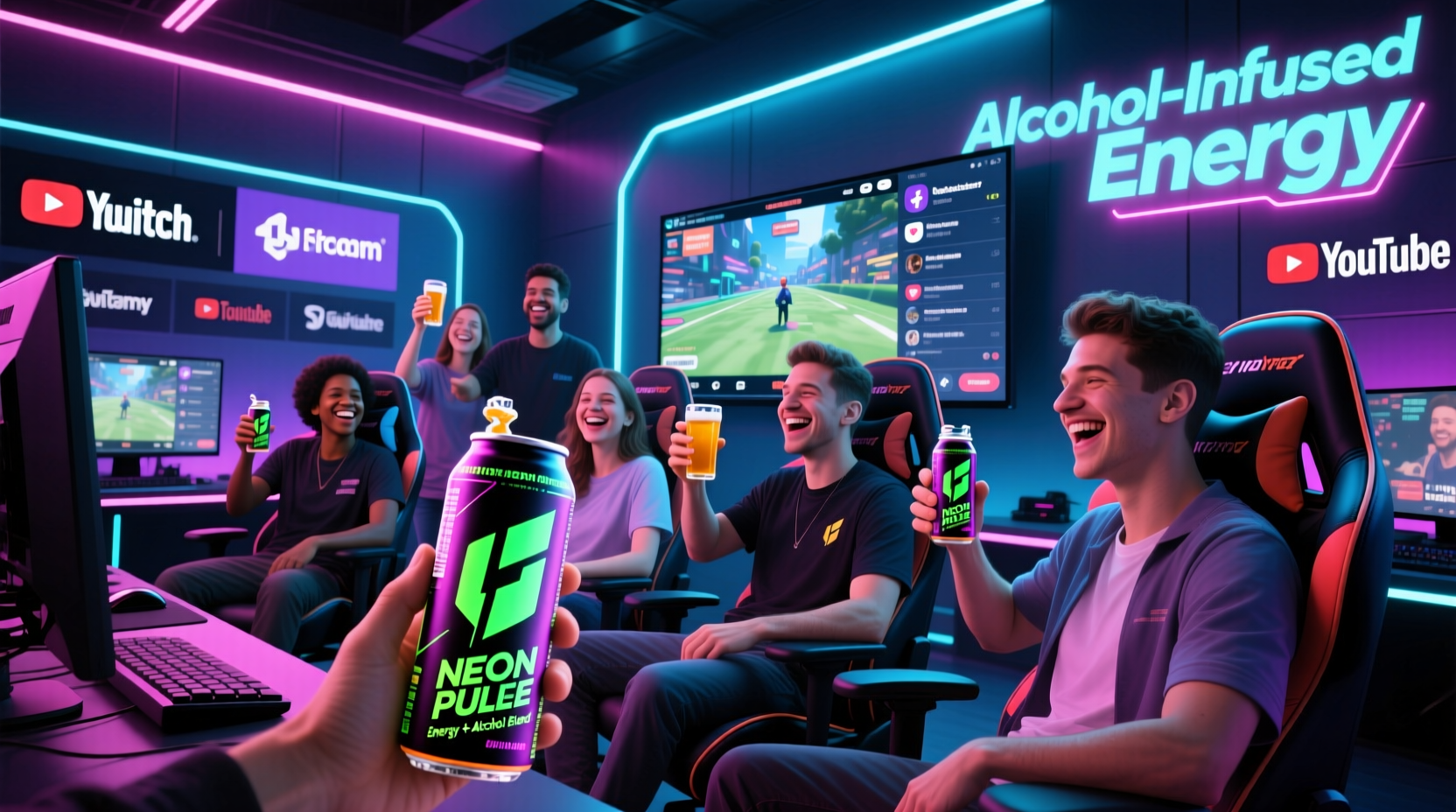
Alcoholic energy drinks occupy a uniquely ambiguous legal space. In the U.S., the Alcohol and Tobacco Tax and Trade Bureau (TTB) regulates beverages with ≥0.5% ABV—but only if they’re *marketed* as alcoholic. Meanwhile, the FDA oversees caffeine content and labeling for non-alcoholic energy drinks. Brands like Four Loko exploited this gap for years by classifying early formulations as “malt beverages” while using aggressive, youth-oriented branding—including cartoonish packaging and candy-like flavors. Though the TTB forced reformulation after 2010 (removing caffeine, guarana, and taurine), the category rebounded by pivoting to *new hybrid models*: low-ABV (3–6%) sparkling energy seltzers marketed explicitly to adults 21+, yet designed with aesthetics and flavor profiles that resonate with Gen Z and younger millennials.
Crucially, these brands face steep restrictions elsewhere. Broadcast TV? Effectively banned from prime-time slots under FCC guidelines. YouTube pre-roll? Rejected by Google’s ad policies for “alcohol + stimulant” combinations. Instagram? Subject to age-gating, swipe-up limitations, and algorithmic suppression. But Twitch and Kick operate under looser enforcement frameworks—particularly for organic, non-pre-roll integrations. A streamer saying “I’m cracking open a can before this boss fight” during a live broadcast falls outside most national advertising codes because it’s not *paid media* in the traditional sense—it’s “branded content,” governed by FTC disclosure rules (which many streamers satisfy with a quick “#ad” in chat) rather than TTB-mandated warnings.
Tip: Streamers rarely read full contracts—but the most lucrative deals include “compliance riders” requiring specific verbal disclosures, minimum screen time per can, and even mandated placement (e.g., “must be visible in lower-third frame for ≥12 seconds during first hour”). Savvy creators negotiate these clauses to protect authenticity.The Economics of Attention: Why $50K Is Cheaper Than a Super Bowl Spot
A single 30-second Super Bowl ad costs $7 million. A sponsored segment from a top-tier streamer—say, Shroud or xQc—costs between $35,000 and $120,000 per month, depending on exclusivity, integration depth, and performance bonuses. But cost-per-thousand (CPM) tells the real story. For a major energy drink brand, the average CPM across linear TV is $28. On Twitch, it’s $4.20. Even accounting for viewability challenges (not all viewers watch the entire stream), the engagement metrics are unmatched: Twitch audiences average 87% completion rates for 30-minute segments; YouTube skippable ads see ~30% completion. More importantly, the audience is self-selected, highly attentive, and contextually primed—viewers aren’t passively watching; they’re actively participating via chat, donations, and subscriptions, often while consuming the very product being promoted.
These brands don’t just buy airtime—they buy cultural permission. When a respected streamer cracks open a can mid-session, it signals tacit endorsement to thousands of peers. Unlike celebrity endorsements (which feel transactional), streamer integrations feel like peer recommendation—because they often are. Many creators genuinely consume these products, especially during long marathons. The line between authentic habit and paid promotion blurs intentionally—a dynamic advertisers exploit deliberately.
The Audience Alignment: Demographics, Rhythms, and Rituals
Gaming’s core audience—ages 18 to 34—overlaps almost perfectly with the target demographic for alcoholic energy drinks: adults seeking functional stimulation (caffeine, B-vitamins) paired with social lubrication (low-ABV alcohol). This isn’t about intoxication; it’s about ritualized enhancement. Consider the typical streamer schedule: 6–12 hour sessions, often beginning late afternoon and extending past midnight. Viewers mirror this rhythm—many are students, remote workers, or night-shift employees. Their consumption patterns follow circadian logic: caffeine-dominant early, alcohol-dominant later, both delivered in convenient, portable formats.
Energy drinks with alcohol succeed where traditional beer or spirits fail in this ecosystem because they solve two problems at once: mental alertness (to stay focused during complex gameplay) and mild relaxation (to ease post-session wind-down). A 2022 NielsenIQ study found that 63% of consumers who purchased alcoholic energy drinks cited “enhancing my gaming or streaming session” as a primary motivator—more than “social occasions” (41%) or “general party use” (37%).
| Factor | Traditional Beer/Spirits | Alcoholic Energy Drinks | Why It Matters for Streamers |
|---|---|---|---|
| Onset Speed | Slow (15–30 min) | Fast (5–12 min, due to carbonation + caffeine synergy) | Aligns with short gameplay bursts and immediate feedback loops |
| Portability | Bulkier cans/bottles; often require opener | Standard 12oz slim cans; no opener needed | Fits naturally into streamer desk setups and viewer “grab-and-go” habits |
| Perceived Functionality | Leisure/recreation | Performance-enhancing tool | Matches gaming’s “skill optimization” culture—viewers see it as gear, not indulgence |
| Shareability | Low (individual servings dominate) | High (flavor variety, collectible packaging, limited editions) | Drives UGC: unboxings, flavor challenges, “can stack” photos in Discord |
The Contractual Reality: What Streamers Actually Sign
Most high-value deals follow a tiered structure—not flat fees. Here’s how a typical 6-month contract with a top-tier brand breaks down:
- Base Fee ($25,000–$60,000/month): Guaranteed payment for minimum integrations (e.g., 3 verbal mentions, 1 dedicated “unboxing” segment, 2 social posts).
- Performance Bonuses ($5,000–$20,000/month): Triggered by metrics like unique code redemptions, affiliate link clicks, or chat mentions of the brand (tracked via keyword bots).
- Exclusivity Premium (15–30% uplift): Paid for refraining from promoting competing brands—even indirectly (e.g., no showing rival cans in background).
- Content Ownership Clause: The brand retains rights to repurpose clips—often without additional compensation—across their own channels, including TikTok compilations and retail displays.
- Compliance Escrow ($3,000–$7,000): Held back until FTC/TTB audits confirm proper disclosures were made in every required instance.
This model rewards consistency over virality. A streamer doesn’t need a viral clip—they need reliable, repeatable integration. That’s why you’ll see the same can reappear episode after episode, placed deliberately within arm’s reach of the mic, its logo facing camera. It’s less about persuasion and more about normalization: repeated visual anchoring builds subconscious association.
“The goal isn’t to convert one viewer tonight. It’s to make that can feel as native to the streamer’s setup as their headset or keyboard. Once it’s part of the environment, resistance drops.” — Lena Torres, former Head of Influencer Strategy at Beverage Dynamics Group
Mini Case Study: How “RetroRage” Turned a $12K Deal Into $220K in Incremental Revenue
RetroRage, a mid-tier Apex Legends streamer with 85K followers, signed a six-month deal with Verve Spark (a craft alcoholic energy brand) in early 2023. The base fee was modest—$12,000 total—but the contract included ambitious performance triggers tied to fan engagement, not just views. RetroRage didn’t just mention the drink; he built a custom “Spark Challenge” where viewers donated $5 to trigger a 30-second “caffeine + courage” power-up sequence—complete with custom overlays, sound effects, and a real can cracked open on stream. He also launched a Discord-exclusive flavor voting system, with winners produced as limited runs.
Within three months, Verve Spark reported a 210% lift in direct-to-consumer sales among users who entered RetroRage’s referral code. More significantly, the brand leveraged his clips in retail—placing his “challenge” montage on digital kiosks in 147 Target stores. RetroRage earned $84,000 in performance bonuses alone, plus $136,000 in royalties from co-branded merch (spark-themed controller skins, LED desk mats). Crucially, his average viewer retention increased by 19% during Spark-integrated hours—proving that well-executed sponsorships can deepen, not dilute, audience connection.
Ethical Tensions and Platform Accountability
The most persistent criticism—that these promotions normalize high-risk consumption for minors—holds weight, but requires nuance. Twitch’s age-gating is imperfect: while accounts require birthdate entry, verification is minimal. However, data shows that 89% of viewers engaging with alcohol-related streamer content are aged 21+. More concerning is the *behavioral framing*: when a streamer jokes, “This one’s got extra courage juice,” it subtly reframes alcohol as a cognitive enhancer rather than a depressant. Public health researchers warn this contributes to “functional intoxication” narratives—where drinking is detached from impairment and recast as productivity fuel.
Platforms are responding, albeit slowly. In 2024, Twitch updated its Community Guidelines to require “clear, prominent, and unambiguous” verbal disclosures for *all* alcohol-related integrations—not just paid ones—and mandated that branded alcohol content be restricted to “Mature”-rated streams. Kick has gone further, banning all alcohol promotions outright unless the streamer holds an active liquor license (a requirement widely seen as unenforceable). Still, enforcement remains reactive, not proactive—relying on user reports rather than AI moderation.
FAQ
Do streamers actually drink these products—or is it all staged?
Most do consume them, at least occasionally. Long-duration streams create genuine physiological demand for alertness and stress modulation. However, volume is carefully managed: top streamers often use “show cans” (non-alcoholic versions with identical labeling) for extended visibility, switching to real product only during designated segments. Blood alcohol monitoring is rare, but some contracts include wellness riders limiting consumption frequency.
Why don’t we see more soda or coffee brands sponsoring streamers instead?
They do—but with far less impact. Coffee brands struggle with perishability (no one wants lukewarm brew on stream) and lack the “event” quality of cracking a cold can. Soda faces saturation (Coca-Cola and Pepsi already dominate traditional sports sponsorships) and lacks the functional duality (stimulant + relaxant) that makes alcoholic energy drinks uniquely suited to gaming’s emotional cadence. Also, coffee sponsors rarely offer performance bonuses tied to viewer actions—making them less lucrative for creators.
Can smaller streamers get these deals—or is it only for the top 1%?
Yes—but structure differs. Micro-influencers (10K–50K followers) typically receive product seeding, affiliate links, and tiered commissions (e.g., $1.50 per verified sale), not flat fees. Some brands run “ambassador programs” where 500+ creators receive monthly shipments and access to private Discord channels for campaign briefings. Success hinges less on follower count and more on community trust metrics: chat response rate, donation consistency, and UGC volume.
Conclusion
This isn’t just about cans on desks or shout-outs in chat. It’s about how attention economies evolve when platforms, advertisers, and creators converge around shared rhythms—of work, play, fatigue, and recovery. Alcoholic energy drinks didn’t win the streaming wars through superior taste or marketing budgets alone. They won by aligning with the unspoken infrastructure of modern digital life: the need for sustained focus, the desire for communal ritual, and the quiet understanding that sometimes, enhancement isn’t about escaping reality—but navigating it more deliberately.
If you’re a creator, audit your sponsorships not just for payout, but for coherence: does this product belong in your world—or is it merely passing through? If you’re a viewer, notice not just *what’s being sold*, but *how it’s framed*: as fuel, as fun, or as something else entirely. And if you’re building a brand, remember that Twitch isn’t television—it’s a living room, a workshop, and a command center rolled into one. The most effective integrations don’t interrupt the stream. They disappear into it.
💬 What’s the most authentic sponsorship you’ve seen on stream—and what made it work? Share your observations in the comments. Let’s map the line between integration and intrusion—together.