For decades, the baked potato has been a staple of American home cooking—a humble yet deeply satisfying dish that transforms a single ingredient into something transcendent when executed correctly. Yet, despite its simplicity, most home cooks fall short of achieving the ideal balance: golden, crackling skin; a light, cloud-like interior; and rich, earthy flavor enhanced—not masked—by seasoning. The difference between an average baked potato and a truly exceptional one lies not in complexity, but in precision. Understanding heat transfer, moisture management, and timing allows even novice cooks to produce restaurant-quality results consistently. This guide details the science-backed, chef-refined approach to baking the perfect potato, covering everything from selection and preparation to finishing techniques that elevate it beyond a mere side dish.
Definition & Overview
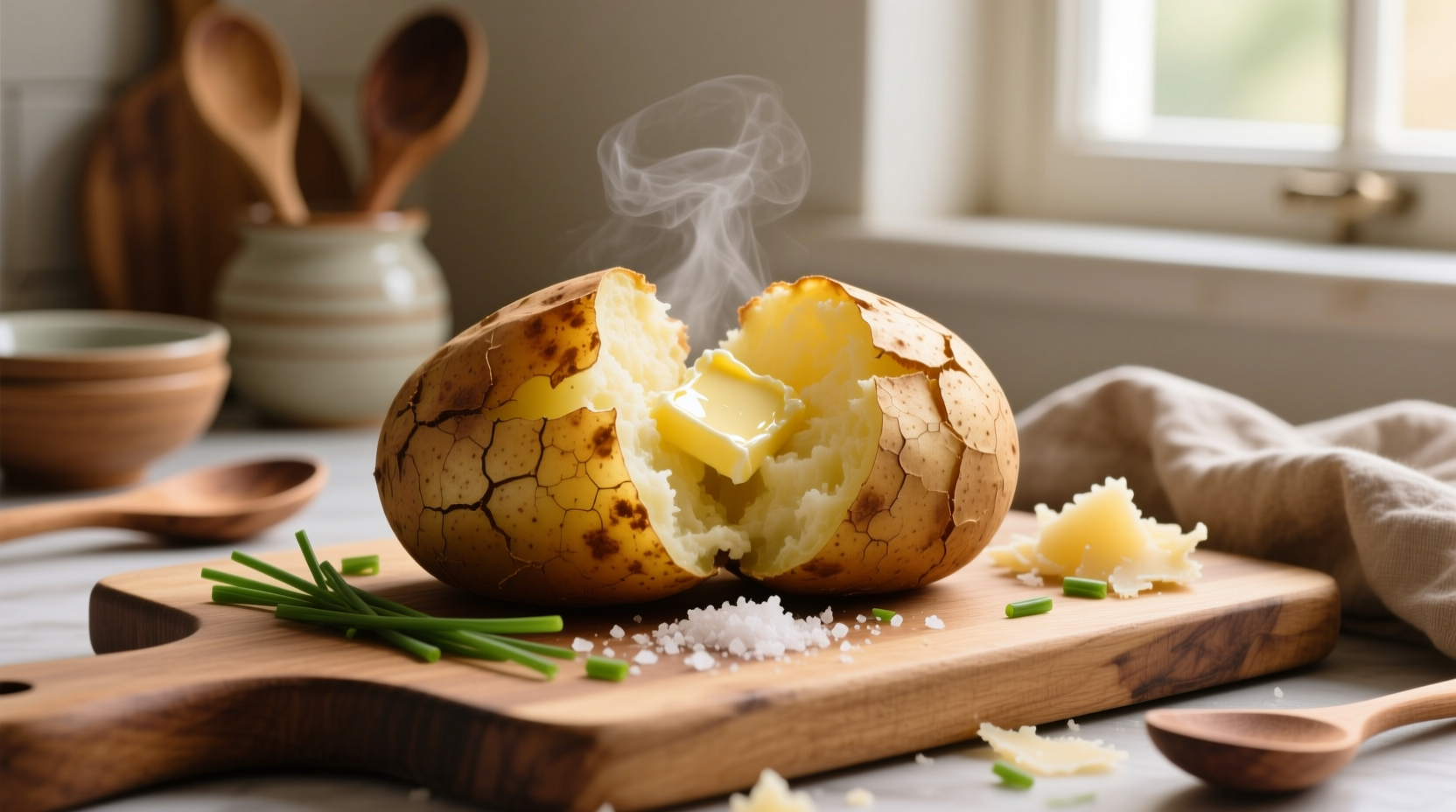
A baked potato is a whole potato cooked using dry heat, traditionally in an oven, until its internal starches gelatinize and its exterior dehydrates slightly, forming a textural contrast. While often associated with russet potatoes due to their high starch content and thick skin, other varieties can be used depending on desired outcome. The goal of baking is not merely to cook the tuber through, but to optimize texture and flavor development via controlled dehydration and Maillard browning. Unlike boiling or steaming, which preserve moisture, baking encourages surface drying and caramelization—key elements in creating depth of taste and mouthfeel.
The modern baked potato gained popularity in mid-20th century North America as part of diner culture and family-style meals. It was prized for being economical, filling, and versatile—equally at home topped with sour cream and chives or served alongside grilled steak. Today, chefs and food scientists have refined the process, applying principles of thermal conductivity and moisture migration to maximize quality. The result is no longer just \"a potato you put in the oven,\" but a carefully engineered culinary experience rooted in physics and sensory science.
Key Characteristics of a Perfectly Baked Potato
What separates a great baked potato from a mediocre one? Several measurable and perceptible traits define excellence:
- Texture (Interior): Light, fluffy, and evenly tender with no dense or gummy patches.
- Skin: Crisp, slightly crunchy, well-seasoned, and separable from the flesh without sticking.
- Flavor: Naturally sweet, earthy, and nutty—enhanced by proper salting and roasting, not overwhelmed by toppings.
- Color: Golden-brown skin; bright white or pale yellow flesh without graying or oxidation.
- Moisture Level: Moist enough to feel substantial, but not wet or soggy—excess internal water indicates under-baking or poor ventilation.
- Aroma: Roasted, subtly sweet, with hints of toasted grain and baked bread crusts.
Pro Insight: The ideal internal temperature for a fully baked russet potato is between 205°F and 210°F (96°C–99°C). Below this range, the starch hasn’t fully gelatinized; above it, excessive moisture loss may occur.
The Optimal Baking Method: Step-by-Step
While many recipes suggest simply washing and baking a potato, subtle adjustments dramatically improve outcomes. Follow this scientifically optimized sequence for guaranteed success.
- Select the Right Variety: Use medium-to-large russet potatoes (also known as Idaho potatoes). Their high starch and low moisture content yield the fluffiest interiors. Avoid red, Yukon Gold, or fingerlings unless aiming for a creamier, denser texture.
- Clean Thoroughly: Scrub each potato under running water to remove dirt. Do not peel—skin protects the flesh during baking and contributes to final texture. <3> Dry Completely: Pat dry with paper towels. Surface moisture inhibits crisping and delays browning.
- Pierce Strategically: Use a fork to pierce the potato 4–6 times. This prevents steam buildup from causing eruptions, but avoid over-puncturing, which can lead to moisture loss.
- Oil Sparingly (Optional): For extra-crisp skin, rub lightly with neutral oil (e.g., grapeseed or avocado). Oil aids heat conduction and promotes browning—but skip if avoiding fat.
- Salt Early: Generously sprinkle coarse sea salt or kosher salt over the entire surface. Salting before baking draws out surface moisture and seasons throughout.
- Preheat Oven to 425°F (220°C): High heat ensures rapid exterior drying while allowing gradual internal cooking. Lower temperatures prolong baking and increase sogginess risk.
- Bake Directly on Rack: Place potatoes directly on the middle oven rack with a baking sheet on the lower rack to catch drips. Air circulation around all sides promotes even cooking and crispness.
- Bake Time: Allow 55–75 minutes depending on size. A 10-ounce potato typically takes about 65 minutes. Rotate halfway for uniform exposure.
- Test Doneness: Insert an instant-read thermometer into the thickest part. At 205°F+, it's done. Alternatively, squeeze gently—the potato should yield easily with no resistance.
- Rest Before Serving: Remove and let rest for 5–10 minutes. This stabilizes texture and makes splitting easier without collapsing.
Time-Saving Alternative: For faster results, microwave the potato for 5 minutes first (after piercing), then finish in a 425°F oven for 20–25 minutes. This reduces total time while preserving crisp skin and fluffy center.
Variants & Types of Baked Potatoes
Though the classic russet dominates, different potato types yield distinct textures and applications:
| Type | Starch Content | Texture When Baked | Best Use Case |
|---|---|---|---|
| Russet | High | Fluffy, dry, light | Classic baked potato with toppings |
| Yukon Gold | Medium | Buttery, creamy, slightly waxy | Garlic mashed-style bake or rustic gratin base |
| Red Bliss | Low | Salads or dishes where shape retention matters | |
| Sweet Potato | Low-to-medium (different starch profile) | Sweet, soft, custard-like | Gluten-free alternative; pairs with brown sugar, cinnamon |
Each type responds differently to heat. Russets absorb flavors well and hold up under heavy toppings like chili or cheese. Sweet potatoes caramelize more readily due to natural sugars and benefit from slightly longer baking to develop depth. Waxy varieties like red potatoes rarely achieve true fluffiness but offer structural integrity for stuffed versions.
Comparison with Similar Cooking Methods
Baking is not the only way to cook a whole potato—but it uniquely delivers specific sensory qualities unmatched by alternatives.
| Method | Skin Texture | Flesh Texture | Flavor Development | Best For |
|---|---|---|---|---|
| Oven Baking | Crisp, seasoned | Fluffy, aerated | Moderate browning, earthy-sweet | Traditional presentation, full-flavored sides |
| Boiling | Soft, often removed | Uniform, moist | Minimal browning, clean taste | Mashing, soups, salads |
| Steaming | Pale, leathery | Tender, slightly gummy | Very mild, retains nutrients | Health-focused prep, baby food |
| Grilling | Charred, smoky | Variable (can be uneven) | Smoky, complex | Outdoor cooking, bold flavors |
| Instant Pot / Pressure Cooker | Wet, limp | Fast-cooked, less fluffy | Underdeveloped, steamed character | Quick weeknight meals |
\"The magic of a properly baked potato happens at the interface between dry heat and slow moisture release. You're not just cooking—it’s a controlled dehydration that builds flavor.\" — Chef Allison Reed, Culinary Institute of America
Practical Tips & FAQs
Should I wrap my potato in foil?
No. Wrapping traps steam, resulting in wet skin and a boiled texture rather than roasted. Foil was once common in restaurants for holding potatoes warm, but it compromises quality. If holding for service, use a warming drawer instead.
Can I bake multiple potatoes at once?
Yes. As long as there is space between them for air flow, baking several together does not affect cooking time significantly. Avoid overcrowding the oven.
Do I need to flip the potatoes during baking?
Not necessary, but rotating them halfway improves evenness, especially in ovens with hot spots. Placing on a wire rack helps maintain symmetry of heat exposure.
How do I reheat a baked potato?
Reheat in a 375°F oven for 15–20 minutes. Microwaving softens the skin and creates rubbery textures. If pressed for time, microwave briefly (1–2 min), then finish in a toaster oven or skillet to revive crispness.
Is it safe to leave a baked potato out?
No. Once cooled below 135°F, baked potatoes enter the food safety danger zone. If not consumed within two hours, refrigerate promptly. Never store wrapped in foil—this creates anaerobic conditions favorable to *Clostridium botulinum* growth.
Can I freeze a baked potato?
Yes, though texture changes slightly. Cool completely, wrap tightly, and freeze for up to 3 months. Thaw overnight in fridge, then reheat in oven. Best used in casseroles or mashed preparations after thawing.
What are the best toppings?
Keep it balanced:
- Classic: Sour cream, chives, shredded sharp cheddar, crumbled bacon
- Healthy: Steamed broccoli, Greek yogurt, hemp seeds, lemon zest
- Gourmet: Crème fraîche, caviar, smoked salmon, dill oil
- Vegan: Cashew sour cream, roasted mushrooms, nutritional yeast, green onions
Why did my potato turn green?
Exposure to light causes chlorophyll formation and concurrent solanine production—a natural toxin. Cut away any green areas completely before cooking. Store potatoes in a cool, dark place.
Can I add butter before baking?
No. Adding fats before baking can inhibit crispness and cause uneven cooking. Butter should be added after baking, when the starch structure is set and ready to absorb richness.
Storage Tip: Uncooked potatoes last 2–3 weeks in a cool, dark, ventilated area (not the refrigerator). Cold temps convert starch to sugar, leading to overly sweet, darkening potatoes when baked.
Advanced Techniques for Restaurant-Quality Results
Professional kitchens employ additional methods to enhance consistency and presentation:
- Steam-Baking: Start with 10 minutes of steam (place a pan of water below the rack), then continue dry baking. This accelerates initial heating while preventing premature hardening of the outer layer.
- Salt Crusting: Encase the potato in a thick layer of coarse salt before baking. The salt draws out moisture and forms an insulating shell that regulates heat, yielding ultra-fluffy interiors. Knock off excess before serving.
- Convection Boost: Use convection mode if available. Circulated air enhances evaporation and reduces baking time by 10–15%.
- Double-Baking (Twice-Baked Potatoes): After initial baking, scoop out flesh, mix with dairy, cheese, herbs, and return to skins. Bake again at 375°F for 20 minutes. Ideal for make-ahead dishes and entertaining.
Summary & Key Takeaways
The optimal method for cooking a perfect baked potato hinges on understanding how heat, moisture, and time interact within the tuber. By selecting the right variety, preparing properly, and leveraging high-heat convection, home cooks can achieve professional-grade results. The hallmark of excellence remains consistent: a crisp, salty skin giving way to a tender, airy interior that showcases the potato’s inherent sweetness and versatility.
To recap the essential steps:
- Use russet potatoes for maximum fluffiness.
- Do not wrap in foil—bake directly on the rack.
- Preheat to 425°F and allow sufficient baking time (up to 75 minutes).
- Season early with salt; oil lightly for crispness.
- Verify doneness with a thermometer (205°F+).
- Rest before opening and top thoughtfully.
Final Thought: A perfectly baked potato needs little embellishment. Let the craftsmanship speak for itself—with minimal toppings, it becomes a celebration of simplicity, technique, and the quiet elegance of well-executed fundamentals.