Types of New Chinese Perfume Bottles
Modern Chinese perfume bottles represent a fusion of ancient craftsmanship and contemporary design, making them highly sought after in both luxury and niche fragrance markets. These bottles are more than just containers—they are artistic expressions that reflect China’s rich cultural heritage, philosophical symbolism, and evolving aesthetic sensibilities.
As global demand for unique, culturally inspired packaging grows, Chinese manufacturers and designers have expanded their offerings to include a diverse range of materials and techniques. Below is a detailed overview of the most common types available from suppliers today, each offering distinct visual, tactile, and functional qualities.
Traditional Ceramic Bottles
Crafted using centuries-old techniques, these bottles feature hand-painted motifs rooted in Chinese symbolism—such as peonies (wealth), dragons (power), and cranes (longevity). The use of porcelain and stoneware connects directly to China’s imperial ceramic traditions, including those seen in antique snuff bottles.
Advantages
- High artistic and collectible value
- Excellent durability and weight (feels premium)
- Resistant to UV light and chemical degradation
- Timeless appeal with deep cultural resonance
Limitations
- Heavier than glass or acrylic (higher shipping costs)
- Fragile if dropped
- More expensive due to labor-intensive production
Best for: Limited editions, luxury brands, cultural gift sets, museum collaborations
Glass Bottles with Enamel
Known in French as "bouteilles en verre chinoises", these designs combine the clarity of glass with vibrant enamel work. Artisans apply colored enamel by hand or through silkscreening, then fire the bottles to achieve a glossy, jewel-like finish. Popular shapes include phoenixes, lotus blossoms, and pagodas.
Advantages
- Transparency showcases fragrance color
- Allows for intricate, colorful designs
- Smooth surface ideal for branding and labeling
- Modern aesthetic with traditional motifs
Limitations
- Enamel can chip if mishandled
- Requires careful cleaning to maintain luster
- Potential for higher production waste
Best for: High-end perfumery, artistic collaborations, export markets
Metal Bottles
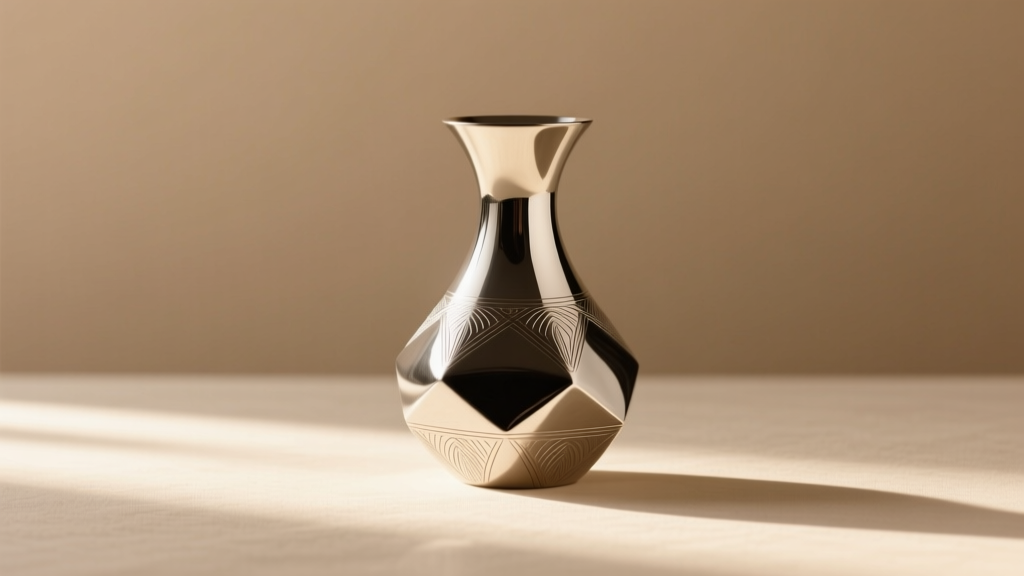
Constructed from brass, aluminum, or silver alloys, these bottles offer a sleek, modern profile with exceptional durability. Laser etching and precision engraving allow for intricate patterns—such as cloud motifs or ancient calligraphy—while maintaining structural integrity. Often used in unisex or avant-garde fragrance lines.
Advantages
- Extremely durable and impact-resistant
- Premium metallic sheen enhances luxury perception
- Suitable for refillable or reusable systems
- Aligns with sustainable packaging trends
Limitations
- Higher material and tooling costs
- May react with certain fragrance compounds over time
- Heavier than plastic alternatives
Best for: Limited series, eco-conscious brands, unisex or gender-neutral fragrances
Acrylic Materials
Polymethyl methacrylate (PMMA) is engineered to mimic the elegance of glass while offering superior shatter resistance. Acrylic allows for bold, sculptural forms—like blooming flowers or abstract calligraphy—through injection molding and CNC cutting. It's ideal for brands seeking a modern, minimalist, or futuristic aesthetic.
Advantages
- Lightweight and safe for travel
- Highly customizable in shape and color
- Cost-effective for large-scale production
- Can be made transparent, translucent, or opaque
Limitations
- Scratches more easily than glass
- Less perceived value compared to natural materials
- Not biodegradable (unless bio-acrylic is used)
Best for: Youth-oriented brands, travel perfumes, fashion collaborations
Wooden Accents
While full wooden bottles are rare due to permeability concerns, wood is increasingly used in caps, collars, and decorative inlays. Species like sandalwood, bamboo, and rosewood are favored for their natural grain, aromatic qualities, and sustainability. Hand-carved details add artisanal value and warmth to otherwise sleek designs.
Advantages
- Warm, organic texture enhances sensory experience
- Biodegradable and renewable resource
- Strong alignment with eco-luxury and slow design movements
- Unique grain patterns ensure no two pieces are identical
Limitations
- Requires sealing to prevent moisture absorption
- More labor-intensive to produce at scale
- Potential for warping in humid environments
Best for: Natural perfumery, wellness brands, artisanal or handmade fragrance lines
| Material Type | Durability | Aesthetic Value | Eco-Friendliness | Ideal Use Case |
|---|---|---|---|---|
| Traditional Ceramic | Very High | Exceptional | High | Luxury collectibles, cultural editions |
| Glass with Enamel | High | Excellent | Medium | Premium perfumery, artistic packaging |
| Metal | Very High | Excellent | High (if recyclable) | Refillable systems, limited releases |
| Acrylic | Medium | Good | Low (unless bio-based) | Mass-market, travel, fashion lines |
| Wooden Accents | Medium | Excellent | Very High | Eco-luxury, natural fragrance brands |
Expert Tip: When sourcing Chinese perfume bottles, consider requesting samples to evaluate material quality, finish durability, and compatibility with your fragrance formula—especially for porous materials like wood or reactive metals. Partnering with experienced OEM suppliers in Guangzhou or Yiwu can ensure both cultural authenticity and manufacturing precision.
Designs of New Chinese Perfume Bottles: Tradition Meets Modern Elegance
The artistry of Chinese perfume bottles has evolved into a captivating fusion of cultural heritage and contemporary design. These bottles are no longer mere containers—they are expressions of identity, craftsmanship, and symbolism. Their aesthetic significantly influences how consumers perceive Chinese perfumery, elevating it from a sensory experience to a visual and emotional journey rooted in centuries of tradition.
Key Design Themes in Modern Chinese Perfume Bottles
Qing Dynasty Influence
Many modern perfume bottles draw inspiration from the Qing Dynasty (1644–1912), a period renowned for its refined artistry and imperial elegance. Designers incorporate classic motifs such as coiling dragons, swirling clouds, and intricate geometric patterns, often rendered in the iconic blue-and-white porcelain style.
This aesthetic blends historical reverence with modern minimalism, creating bottles that feel both timeless and fresh. The balance between ornate detailing and clean silhouettes allows these designs to appeal to both traditionalists and contemporary consumers, making them popular in luxury and niche fragrance markets.
Floral Motifs
Floral patterns remain a cornerstone of Chinese decorative art, and their presence in perfume bottle design is both symbolic and visually striking. Peach blossoms represent romance and renewal, lotus flowers symbolize purity and enlightenment, while chrysanthemums stand for longevity and resilience.
These flowers are often hand-painted with meticulous detail, ensuring each bottle is a unique work of art. Available in transparent glass to showcase the perfume’s hue or crafted in richly glazed ceramics, these designs emphasize harmony between nature, beauty, and scent—inviting the user into a multisensory experience.
Zodiac Representations
Celebrating the 12 animals of the Chinese Zodiac, limited-edition perfume bottles are released annually to mark the lunar calendar. Each zodiac animal—such as the Rat, Ox, or Dragon—is intricately depicted through engraved reliefs, sculpted caps, or painted illustrations.
These collectible designs resonate with cultural pride and personal identity, as many consumers seek out bottles representing their birth year. More than decorative elements, they serve as talismans of fortune and continuity, connecting fragrance to heritage, time, and individual destiny.
Minimalist Approaches
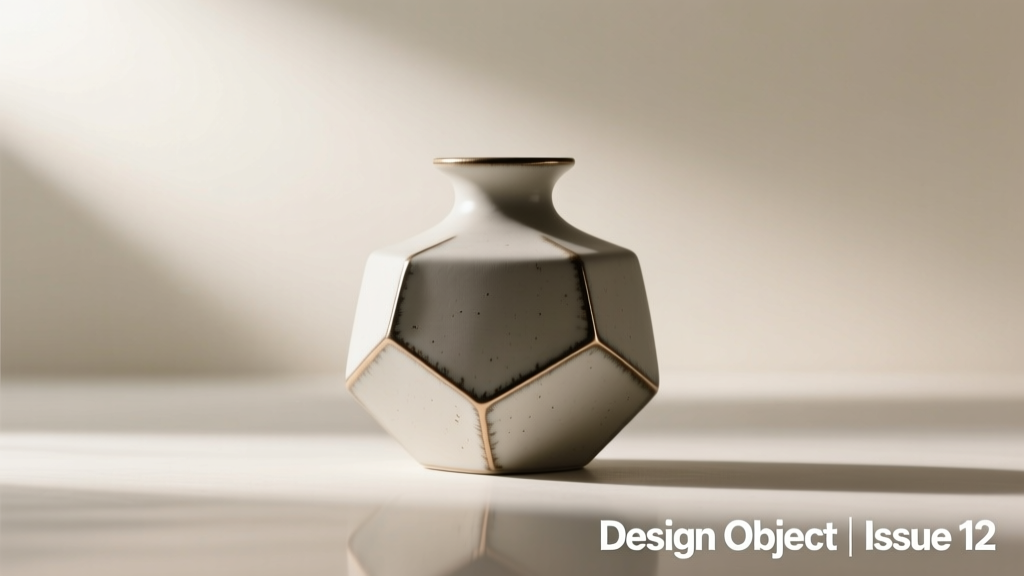
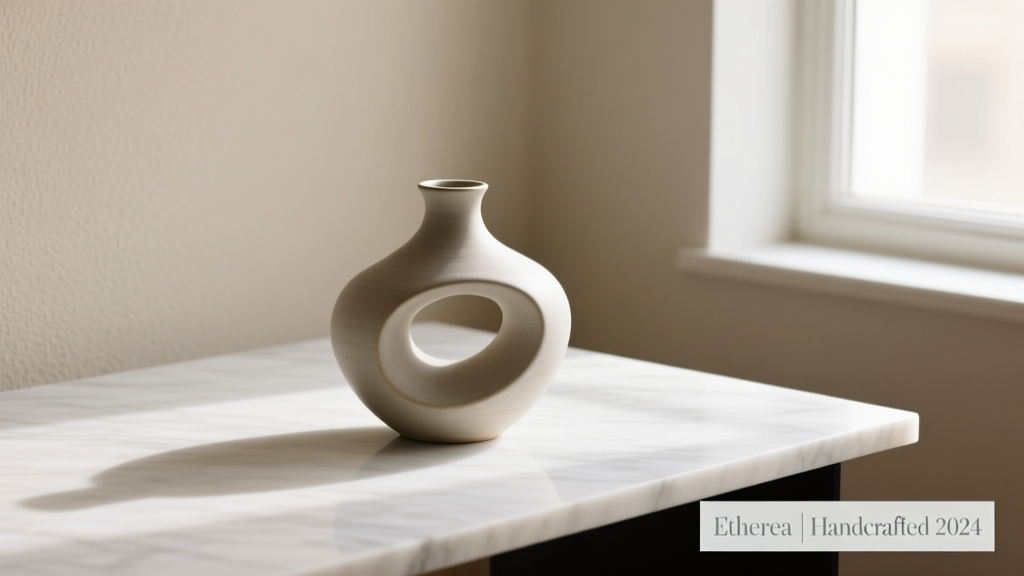
In contrast to ornate styles, a growing trend embraces minimalist design rooted in the Daoist principle of "wu wei" (effortless action) and the aesthetic of emptiness. These bottles focus on clean lines, geometric forms—such as perfect spheres, cubes, or cylinders—and restrained color palettes like matte black, ivory white, or soft gray.
By stripping away excess, designers emphasize the essence of the fragrance itself. This approach appeals to modern, urban consumers who value sophistication, sustainability, and understated elegance. It reflects a global design movement while remaining deeply aligned with traditional Chinese philosophies of balance and simplicity.
Lucky Symbols and Auspicious Imagery
Symbolism plays a central role in Chinese culture, and perfume bottles often feature powerful emblems believed to attract good fortune. The dragon, a symbol of strength and imperial power, is frequently paired with the phoenix, representing grace, harmony, and feminine energy.
Other common symbols include the double happiness character (囍), the endless knot, and the bat (a homophone for "fortune" in Chinese). These elements are delicately etched, painted, or embossed onto glass or ceramic surfaces, transforming the bottle into a vessel of meaning—not just for scent, but for aspiration, protection, and prosperity.
| Design Theme | Cultural Significance | Common Materials & Techniques |
|---|---|---|
| Qing Dynasty Style | Imperial elegance, historical continuity | Porcelain, hand-painted enamel, blue-and-white glaze |
| Floral Motifs | Nature, renewal, purity, longevity | Transparent glass, ceramic, hand-painting, silk screening |
| Zodiac Representations | Personal identity, luck, lunar tradition | Crystal, resin, metal caps, limited-edition sculpting |
| Minimalist Design | Balance, simplicity, modern elegance | Frosted glass, matte ceramics, geometric molding |
| Lucky Symbols | Prosperity, protection, harmony | Engraved glass, gold leaf, symbolic color use (red, gold) |
Why These Designs Matter
Note: As Chinese perfumery gains global recognition, authenticity in design is crucial. Brands should honor cultural symbols with respect and accuracy, avoiding superficial appropriation. When done thoughtfully, these designs do more than attract attention—they preserve heritage and inspire future generations of artisans and consumers alike.
Customization Options for New Chinese Perfume Bottles
Modern Chinese perfume bottles offer a wide range of personalization options that transform each bottle into a unique work of art. From material selection to packaging design, these customizable elements allow brands and individuals to create signature fragrances that stand out on the shelf and in the collector’s cabinet. Whether crafting a luxury line or a limited-edition gift, understanding the full scope of customization ensures a product that reflects both aesthetic vision and functional excellence.
Color & Material Selection
One of the most impactful customization choices is the combination of color and material, which defines the bottle’s visual and tactile experience. Chinese artisans offer a broad palette and diverse material options to suit various design goals.
- Glass: Available in crystal-clear, deep cobalt blue, soft jade green, smoky gray, and custom-tinted finishes. Ideal for showcasing the perfume’s hue.
- Ceramic: Provides a matte, premium feel with excellent color retention. Often hand-glazed for a one-of-a-kind appearance.
- China en Verre: A fusion of fine porcelain and glass, combining delicate craftsmanship with translucency for a luxurious hybrid effect.
- Acrylic: Lightweight and shatter-resistant, suitable for modern, minimalist designs with bold color infusions.
Design Insight: Deep, saturated colors like imperial red or emerald green evoke traditional Chinese elegance, while neutral tones appeal to contemporary tastes.
Bottle Shape & Silhouette
The physical form of the bottle plays a crucial role in brand identity and user experience. Chinese manufacturers use advanced mold-making and handcrafting techniques to bring imaginative designs to life.
- Create sleek, elongated profiles for a modern luxury aesthetic.
- Design short, rounded silhouettes inspired by ancient apothecary vessels or scholar’s stones.
- Incorporate symbolic shapes such as dragons, phoenixes, or lotus blossoms for cultural resonance.
- Use asymmetrical or sculptural forms for avant-garde collections.
Expert Tip: Ergonomic shaping ensures the bottle is comfortable to hold and spray, enhancing usability without sacrificing beauty.
Labels & Artistic Embellishments
Labels and artwork are essential for branding and storytelling. Chinese artisans specialize in intricate detailing that turns each bottle into a canvas.
- Apply custom labels using premium paper, silk, or metallic foils with calligraphy or seal-inspired typography.
- Offer direct glass etching or ceramic engraving for a permanent, high-end finish.
- Incorporate hand-painted motifs such as plum blossoms, bamboo, or cloud patterns to reflect the fragrance’s character.
- Use UV printing for photorealistic designs or gradient effects.
Collector’s Note: Limited-edition bottles with hand-signed artwork or numbered editions increase perceived value and desirability.
Caps & Closure Design
The bottle top is more than a functional element—it’s a statement piece. A wide variety of materials and finishes allow for striking contrasts and luxurious touches.
- Metal Caps: Crafted from brass, stainless steel, or aluminum, often plated in gold, silver, or rose gold.
- Wooden Tops: Made from sandalwood, bamboo, or ebony, adding natural warmth and texture.
- Crystal or Gemstone Accents: Swarovski crystals or semi-precious stones elevate the bottle to jewelry-like status.
- Integrated magnetic closures for a smooth, satisfying seal.
Luxury Touch: Engraved caps with initials or logos offer personalized exclusivity for bespoke clients.
Premium Packaging & Presentation Boxes
The outer box is the first impression. Thoughtfully designed packaging enhances unboxing experiences and reinforces brand prestige.
- Use silk-wrapped boxes with embroidered logos or traditional patterns.
- Carved wooden cases with latch closures for heirloom-quality presentation.
- Eco-friendly options like recycled paper with soy-based inks for sustainable luxury.
- Include magnetic closures, satin linings, or hidden compartments for added surprise.
Gifting Advantage: Elegant packaging makes the perfume ideal for weddings, festivals, or corporate gifts, especially during Chinese New Year or Mid-Autumn Festival.
Advanced Customization Add-Ons
Beyond the basics, additional features can further differentiate your product in a competitive market.
- UV-reactive inks or glow-in-the-dark elements for modern appeal.
- Augmented reality (AR)-enabled labels that reveal brand stories via smartphone.
- Refillable systems to promote sustainability and long-term customer loyalty.
- Custom spray nozzles with adjustable mist patterns for a personalized application.
Innovation Edge: Tech-integrated bottles attract younger, design-conscious consumers seeking interactive luxury.
Professional Recommendation: For best results, collaborate with Chinese manufacturers early in the design process. Provide detailed sketches or 3D models to ensure accurate prototyping. Request material samples and finished prototypes before mass production to verify quality, color accuracy, and structural integrity. Consider MOQ (Minimum Order Quantity) requirements when planning custom runs.
| Customization Feature | Material Options | Ideal For | Production Lead Time |
|---|---|---|---|
| Bottle Material | Glass, Ceramic, Acrylic, China en Verre | Luxury, Collectors, Limited Editions | 4–6 weeks |
| Color Finishes | Clear, Tinted, Opaque, Gradient | Brand Identity, Seasonal Lines | 2–3 weeks |
| Caps & Closures | Metal, Wood, Crystal, Magnetic | Premium Gifting, High-End Brands | 3–5 weeks |
| Packaging | Silk, Wood, Recycled Paper, Embossed Card | Corporate Gifts, Festive Collections | 3–4 weeks |
Additional Considerations
- Cultural Sensitivity: Avoid symbols or colors with negative connotations (e.g., white for mourning) unless contextually appropriate.
- Export Compliance: Ensure packaging and labeling meet international standards for fragrance products.
- Minimum Order Quantities (MOQ): Custom designs may require 500–1,000 units; negotiate based on complexity.
- Sustainability: Opt for recyclable materials and water-based coatings to appeal to eco-conscious markets.
- Brand Consistency: Maintain a cohesive design language across all product lines for strong brand recognition.
How to Choose a New Chinese Perfume Bottle: A Complete Buyer’s Guide
Chinese perfume bottles are more than just containers—they are exquisite works of art that blend tradition, craftsmanship, and cultural symbolism. From ancient apothecary vessels to modern luxury collectibles, these bottles reflect centuries of artistic heritage. Whether you're a collector, a gift-giver, or someone seeking a unique fragrance experience, choosing the right Chinese perfume bottle requires careful consideration of several key factors. This guide will help you make an informed decision while appreciating the deeper value behind each piece.
Cultural Note: Traditional Chinese perfume bottles, known as "xiāng náng" (香囊) or "yù píngfēng" (玉瓶風), often carry symbolic meanings—such as prosperity, harmony, and protection—through motifs like dragons, phoenixes, lotus flowers, and calligraphy. Understanding these symbols can enhance your appreciation and selection.
Key Factors to Consider When Choosing a Chinese Perfume Bottle
- Material Quality – The Foundation of Durability and Beauty
High-quality materials are essential for both longevity and aesthetic appeal. Premium Chinese perfume bottles are typically crafted from:
- Hand-blown glass with no visible bubbles, seams, or cloudiness—indicating expert craftsmanship
- Fine ceramics or porcelain, often glazed with traditional cobalt blue or celadon finishes, resistant to chipping
- Jade, crystal, or semi-precious stones in luxury editions, prized for their weight, cool touch, and natural inclusions
When evaluating a bottle, hold it in your hand. It should feel substantial and balanced—not too light (which may suggest thin or low-grade material) nor overly heavy (which could indicate poor design). Avoid pieces with cracks, uneven glazing, or rough edges.
- Design Details – Where Art Meets Function
The design of a Chinese perfume bottle is a testament to cultural storytelling and artistic mastery. Look for:
- Intricate hand-carved patterns such as ruyi clouds, peonies, or dragons symbolizing good fortune
- Traditional enamel work (cloisonné) or hand-painted scenes depicting landscapes, mythology, or imperial motifs
- Unique silhouettes inspired by ancient vases, pagodas, or scholar’s objects
- Authentic signatures or seals from recognized artisans or studios
A well-designed bottle should not only be visually striking but also harmonious in proportion. Pay attention to symmetry, color balance, and fine detailing that shows precision and care.
- Functionality and Care – Practical Use Without Compromising Elegance
While many Chinese perfume bottles are collectible art, some are designed for actual use. Consider the following:
- A secure, leak-proof stopper (often made of glass, jade, or cork with a rubber seal)
- Ease of refilling—removable caps or wide necks simplify maintenance
- Material compatibility with alcohol-based perfumes (avoid unsealed wood or porous stone)
- Cleanability: Smooth interiors and non-porous surfaces prevent odor retention
If the bottle is primarily decorative, ensure it’s displayed away from direct sunlight to preserve colors and fragrances. For functional bottles, use high-quality, skin-safe fragrances and clean periodically with mild soapy water.
- Size and Portability – Matching Form to Purpose
The ideal size depends on your intended use:
- Miniature bottles (5–15 ml): Perfect for travel, sampling, or as elegant gifts. Often come in sets with display boxes.
- Standard bottles (15–50 ml): Suitable for daily wear, balancing portability and capacity.
- Larger display bottles (50+ ml): Best as decorative centerpieces or heirloom pieces, not for regular use.
Consider where you’ll store or carry the bottle. Smaller sizes fit in purses or pockets, while larger ones enhance shelves, dressing tables, or ceremonial displays.
- Price and Value – Investing in Craftsmanship
Authentic Chinese perfume bottles vary widely in price based on:
- Artisan reputation and studio origin (e.g., Jingdezhen porcelain masters)
- Rarity of materials (jade, cloisonné, hand-painted enamel)
- Complexity of design and handcrafting time
- Age and provenance (antique vs. modern reproduction)
While higher prices often reflect superior quality, beware of overpriced imitations. Look for certifications, authenticity marks, or purchase from reputable dealers. A fair price should match the bottle’s material, artistry, and functionality—not just its label.
| Factor | What to Look For | Avoid | Recommended Source |
|---|---|---|---|
| Material Quality | Thick, bubble-free glass; smooth ceramic glaze; natural stone grain | Lightweight plastic, cloudy glass, chipped edges | Artisan studios, museum shops, certified craft markets |
| Design Details | Hand-carved motifs, symmetrical patterns, authentic symbols | Mechanical engraving, faded paint, cultural misrepresentation | Cultural heritage brands, licensed artists |
| Functionality | Sealed stopper, easy refill, non-porous interior | Loose caps, sticky residues, hard-to-clean necks | Luxury fragrance boutiques, specialty retailers |
| Size | Matches intended use—travel, daily wear, or display | Oversized for portability or too small for practical use | Customizable options from artisan vendors |
| Price & Value | Transparent sourcing, craftsmanship documentation | Vague descriptions, no artist info, too-good-to-be-true deals | Reputable auction houses, cultural foundations |
Expert Tip: When gifting a Chinese perfume bottle, pair it with a custom fragrance or traditional sachet (xiang nang) to create a meaningful, culturally rich present. Include a small card explaining the symbolism of the design for added personal touch.
Final Thoughts: Beyond the Bottle
Choosing a Chinese perfume bottle is not just about aesthetics—it's about connecting with a legacy of artistry and symbolism. Whether you're drawn to the elegance of Ming-style vases or the vibrant colors of Qing dynasty enamelwork, each bottle tells a story. Prioritize quality, authenticity, and personal resonance over trends. With proper care, a fine Chinese perfume bottle can become a cherished heirloom, passed down through generations as both a functional object and a cultural treasure.
Frequently Asked Questions About Chinese Perfume Bottles
Q1: What are new Chinese perfume bottles made from?Modern Chinese perfume bottles are typically crafted from high-quality materials chosen for both aesthetic appeal and durability. The most common materials include:
- Glass: Often used for its clarity, recyclability, and ability to preserve fragrance integrity. Many designs feature hand-blown or precision-molded glass with intricate finishes like frosted, colored, or etched surfaces.
- Ceramics: Popular in traditional and luxury designs, ceramic bottles are prized for their artistic potential. They allow for detailed hand-painting, glazing, and sculptural forms inspired by imperial vases and ancient pottery.
- Acrylics and Resins: Used in more affordable or avant-garde designs, these lightweight materials can mimic glass or jade while allowing bold colors and unique shapes.
- Metals and Composites: Some limited-edition bottles incorporate brass, aluminum, or mixed materials for caps and embellishments, adding weight and a premium feel.
Manufacturers carefully select materials not only for beauty but also to protect the perfume from light and oxidation, ensuring both functionality and visual impact.
Q2: Do the patterns on these perfume bottles have special meanings?Yes, many decorative elements on Chinese perfume bottles are deeply rooted in cultural symbolism and traditional artistry. Common motifs include:
- Dragons: Represent power, strength, and good fortune. Often depicted in imperial yellow or gold, they symbolize protection and prosperity.
- Phoenixes: Paired with dragons, they represent harmony, renewal, and the balance of yin and yang—especially in feminine fragrances.
- Floral Patterns: Peonies symbolize wealth and honor; plum blossoms stand for resilience and hope; lotuses represent purity and enlightenment.
- Zodiac Animals: Reflect personal identity and destiny, often used in limited-edition releases tied to the Chinese lunar calendar.
- Clouds and Waves: Symbolize eternal movement, spiritual journey, and blessings flowing endlessly.
- Calligraphy and Seals: Handwritten characters may include poetic phrases, brand names in traditional script, or auspicious words like “福” (fu – fortune) or “美” (mei – beauty).
These designs are more than decorative—they connect the user to centuries of Chinese heritage, making each bottle a miniature work of cultural art.
Q3: Are new Chinese perfume bottles good gift options?Absolutely. Chinese perfume bottles make exceptional gifts for several reasons:
- Artistic Value: Their sculptural designs and handcrafted details elevate them beyond mere containers—they’re collectible art pieces.
- Cultural Significance: Gifting a bottle with traditional symbolism conveys thoughtfulness and respect for heritage, ideal for birthdays, anniversaries, or Lunar New Year.
- Uniqueness: Unlike mass-produced Western designs, many Chinese perfume bottles feature limited runs or artisanal craftsmanship, making them stand out.
- Dual Purpose: Even after the fragrance is used, the bottle can be repurposed as a decorative object, vase, or keepsake, extending its sentimental value.
- Luxury Appeal: With elegant packaging and rich storytelling, these perfumes are perfect for high-end gifting in both personal and corporate settings.
Whether for a fragrance enthusiast or someone who appreciates fine art, a Chinese perfume bottle is a meaningful and visually stunning present.
Q4: How should one care for these perfume bottles?To preserve both the fragrance and the bottle’s appearance, proper care is essential:
- Cleaning: If reusing the bottle, wash it gently with warm water and mild dish soap. Avoid abrasive sponges or harsh chemicals that could damage painted surfaces or etched glass.
- Drying: Allow the bottle to air-dry upside down on a soft cloth to prevent water spots and scratching.
- Storage: Keep the bottle away from direct sunlight and extreme temperatures to prevent fading of labels, discoloration of liquid, and degradation of the fragrance.
- Handling: Hold ceramic or delicate glass bottles with care. Oils from hands can stain matte finishes over time—consider using gloves for display or cleaning.
- Caps and Sprayers: Wipe the nozzle regularly to prevent clogging. Store with the cap on to protect the atomizer and reduce evaporation.
With mindful maintenance, a Chinese perfume bottle can remain beautiful and functional for years—honoring both its artistry and purpose.
Q5: Can Chinese perfume bottles be customized in design or form?Yes, customization is increasingly available, especially through boutique brands, luxury designers, and online artisan platforms. Options often include:
| Customization Option | Available Choices | Ideal For |
|---|---|---|
| Shape & Form | Traditional (vase, lantern), modern abstract, animal figures, zodiac signs | Collectors, themed gifts |
| Color & Finish | Matte, glossy, metallic, translucent, hand-glazed ceramics | Personal style matching |
| Artwork & Engraving | Custom calligraphy, family crests, names, symbolic patterns | Weddings, anniversaries, corporate branding |
| Fragrance Pairing | Bespoke scents tailored to the bottle’s theme or recipient’s preference | Luxury gifting, personalized experiences |
Many brands offer made-to-order services, allowing customers to co-create a truly unique piece. Whether for personal use or as a one-of-a-kind gift, customized Chinese perfume bottles blend individuality with cultural elegance.