In the world of single-serve coffee, two names dominate: Nespresso and Keurig. One is sleek, European, and often associated with luxury cafes; the other is American, practical, and built for speed. But beneath the surface—past the minimalist design and bold marketing—what really separates them? Is Nespresso delivering a superior coffee experience worth the premium price, or are consumers simply paying for branding and aesthetics? And is Keurig’s affordability a sign of compromise, or smart engineering for everyday use?
The answer isn’t as simple as “one is better.” It depends on what you value: espresso authenticity, flavor complexity, long-term cost, environmental impact, or sheer convenience. Let’s break down both systems across key dimensions to see where your money actually goes.
Coffee Quality: Taste, Brew Method, and Bean Integrity
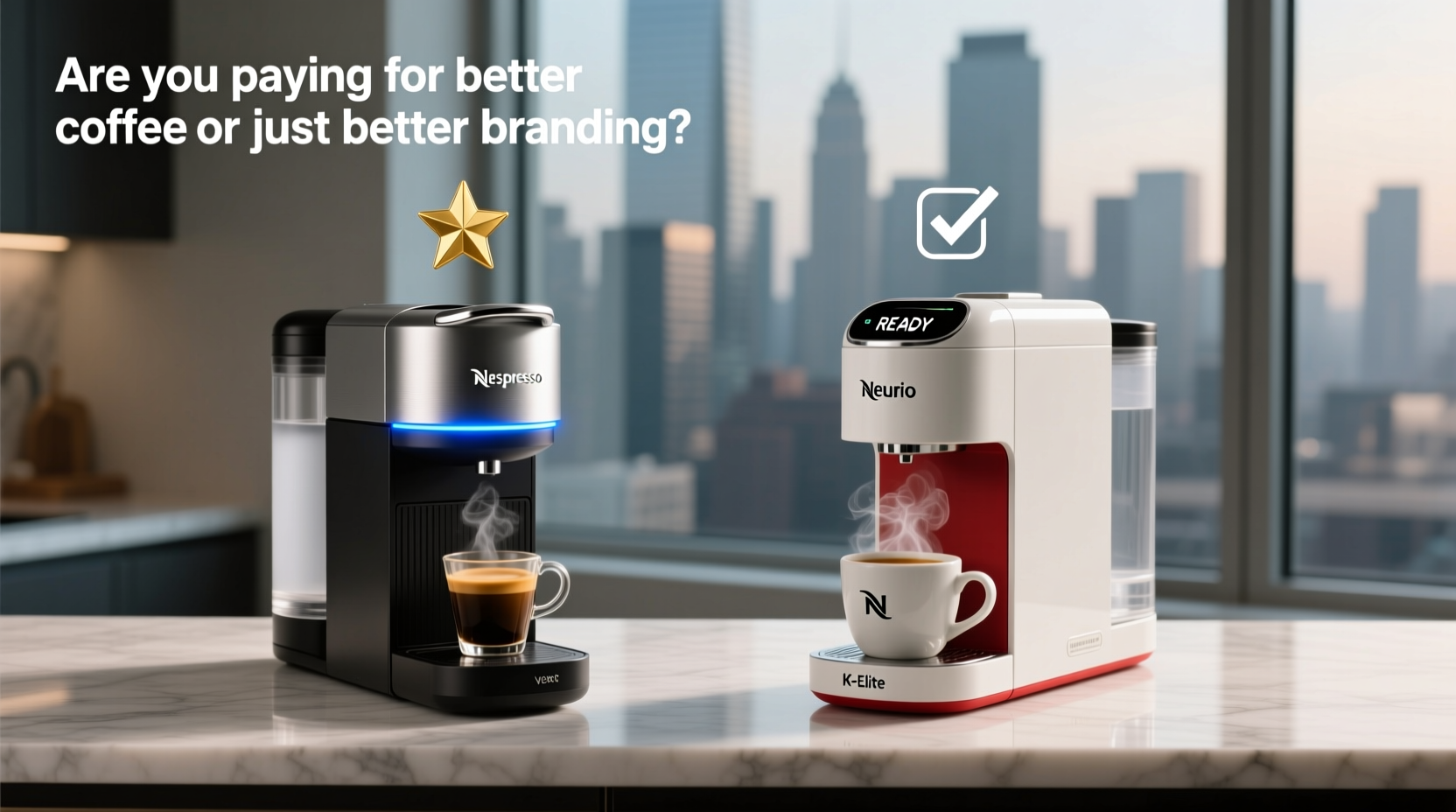
Nespresso and Keurig differ fundamentally in how they brew coffee, which directly affects flavor. Nespresso machines use high-pressure extraction (typically 19 bars), mimicking traditional espresso machines. This forces hot water through finely ground, densely packed coffee at high pressure, producing a concentrated shot with a creamy layer of crema—a hallmark of quality espresso.
Keurig, by contrast, uses lower-pressure brewing more akin to drip coffee. Water passes through pre-ground coffee in K-Cups at reduced pressure, resulting in a milder, less intense cup. While newer models like the Keurig K-Elite offer stronger brew settings, they still lack the physical mechanics to produce true espresso.
“The presence of crema changes everything,” says James Reynolds, a third-wave barista and coffee educator.
“Crema isn’t just visual—it traps aromatic compounds that elevate the sensory experience. Nespresso delivers this consistently. Keurig doesn’t, because it can’t.”
This distinction matters most to espresso drinkers. If you enjoy lattes, cappuccinos, or even strong Americanos, Nespresso’s richer base provides better texture and depth. Keurig excels at straightforward black coffee or flavored drinks where subtlety isn’t the goal.
Tip: For best flavor, always use fresh water and descale your machine monthly—regardless of brand. Stale or mineral-heavy water ruins even the highest-quality pods.Machine Design and User Experience
Nespresso machines are designed with intention. From the compact Vertuo line to the professional-grade Creatista series, they emphasize clean lines, intuitive interfaces, and quiet operation. Buttons are tactile, lids seal tightly, and many models auto-eject used capsules—minimizing mess.
Keurig machines prioritize function over form. Most feature simple lever mechanisms, basic LCD screens, and larger footprints. They’re built for durability and ease of use in busy households or offices. The trade-off is a utilitarian look and occasional quirks—like dripping after brewing or inconsistent pod puncturing.
Where Nespresso feels like a ritual, Keurig feels like a task. That may be exactly what some users want: fast, no-fuss coffee without ceremony. But if you appreciate design and precision, Nespresso offers a more refined daily interaction.
Cost Analysis: Upfront Price vs. Long-Term Spending
At first glance, Keurig wins on affordability. Entry-level models start under $100, while Nespresso machines often begin around $150–$200. However, the real cost emerges over time—in pod pricing and longevity.
| Factor | Nespresso | Keurig |
|---|---|---|
| Entry Machine Cost | $150–$300 | $80–$150 |
| Avg. Pod Cost (per serving) | $0.70–$1.10 | $0.50–$0.80 |
| Refillable Pod Option | Limited (official only) | Widely available |
| Machine Lifespan (avg.) | 5–7 years | 3–5 years |
| Descaling Frequency | Monthly | Every 3–6 months |
Over three years, assuming one pod per day:
- Nespresso: ~$300 (machine) + $250–$400 (pods) = $550–$700
- Keurig: ~$120 (machine) + $180–$290 (pods) = $300–$410
But here’s the catch: Keurig’s lower pod prices often come from lower bean quality and broader sourcing. Many K-Cups use cheaper, robusta-heavy blends or artificial flavorings. Nespresso, while pricier, sources higher-grade arabica beans and controls roast profiles tightly.
Additionally, Keurig machines tend to scale faster due to open reservoirs and plastic components, leading to earlier breakdowns. Nespresso’s sealed systems and metal boilers typically last longer with proper care.
Environmental Impact and Sustainability
This is where branding meets responsibility. Nespresso has invested heavily in aluminum capsule recycling, offering prepaid mail-in bags and boutique drop-off locations. Aluminum is infinitely recyclable and preserves coffee freshness better than plastic.
Keurig, historically criticized for non-recyclable plastic K-Cups, redesigned its pods to be “recyclable” in theory—but only if consumers separate the foil, filter, and plastic cup, which few do. In practice, most end up in landfills.
Third-party reusable pods exist for both systems, but compatibility varies. Stainless steel refillables work well with Keurig, though they require grinding your own beans and cleaning after each use. Nespresso-compatible reusables are less common and may void warranties due to pressure sensitivity.
Tip: If sustainability matters, choose Nespresso and commit to their recycling program—or invest in a high-quality reusable Keurig pod and grind fresh daily.Real-World Example: Two Households, Two Choices
Consider Sarah and Mark, both urban professionals who drink two cups a day.
Sarah chose Nespresso after trying a friend’s machine. She appreciated the rich espresso for morning lattes and the quiet hum of the machine starting her day. Over two years, she spent about $600—including the machine, pods, and occasional descaling kits. She joined the Nespresso recycling program and enjoys rotating seasonal blends. “It feels like a small luxury I earn every morning,” she says.
Mark opted for Keurig. He wanted something his college-bound son could use easily, and he liked having variety—vanilla chai one day, dark roast the next. His total spend over the same period was around $380. But after 18 months, his machine started leaking, and he replaced it with another budget model. “It works,” he admits, “but I notice the coffee tastes flat compared to café espresso.”
Their experiences reflect a broader truth: Nespresso rewards consistency and care; Keurig prioritizes access and flexibility.
Step-by-Step Guide: Choosing the Right System for You
Follow this decision path to determine which system aligns with your lifestyle:
- Assess your coffee preferences: Do you drink espresso-based drinks (latte, macchiato)? → Lean toward Nespresso. Prefer large mugs of drip-style coffee? → Keurig fits better.
- Evaluate your budget: Can you spend $200+ upfront for longer-term savings and durability? → Nespresso. Need under $100 now? → Keurig.
- Consider household usage: Multiple users, frequent guests, or kids? → Keurig’s simplicity helps. Solo user or coffee purist? → Nespresso offers refinement.
- Review environmental values: Committed to recycling? → Nespresso’s closed-loop system is more reliable. Willing to reuse pods? → Keurig’s reusable options are cheaper and widely available.
- Test before committing: Try both systems—borrow, rent, or visit a store. Taste matters more than specs.
Checklist: Before Buying Your Single-Serve Machine
- ☐ Determine your primary drink type (espresso vs. drip)
- ☐ Set a realistic total budget (machine + 2 years of pods)
- ☐ Measure counter space and verify fit
- ☐ Research local recycling options for pods
- ☐ Check warranty length and customer service reputation
- ☐ Read recent user reviews focusing on long-term reliability
- ☐ Consider noise level, especially for early mornings
Frequently Asked Questions
Can I use third-party pods with Nespresso or Keurig?
Yes, but with caveats. Keurig accepts most generic K-Cups without issue. Nespresso OriginalLine machines work with many off-brand aluminum pods, but VertuoLine uses proprietary barcode scanning, limiting compatibility. Performance may vary.
Do Nespresso machines make real espresso?
Technically, yes. They meet the standard 9+ bar pressure and produce crema. However, they lack the temperature stability and manual control of commercial machines. For home use, they deliver authentic espresso character—just not full barista-level customization.
Why are Nespresso pods more expensive?
Higher costs stem from premium arabica sourcing, precision roasting, aluminum packaging (more expensive than plastic), and tight quality control. You're paying for consistency, freshness, and flavor integrity—not just the logo.
Conclusion: Value Beyond the Brand
Nespresso isn’t just better branding—it delivers a measurably superior coffee experience through engineering, ingredient quality, and attention to detail. But that doesn’t mean it’s the right choice for everyone. Keurig fills a critical niche: affordable, accessible, and flexible coffee for households that prioritize convenience over connoisseurship.
The real question isn’t whether you’re paying for branding, but what kind of coffee ritual you want to build. If you savor the aroma, texture, and richness of a well-made espresso, Nespresso justifies its price. If you need caffeine fast, with minimal fuss and maximum variety, Keurig remains unmatched in value.
Neither brand is universally “better.” But understanding the trade-offs—between cost, taste, design, and sustainability—empowers you to decide what “better coffee” means to you. Stop comparing logos. Start comparing your mornings.
🚀 Ready to upgrade your coffee routine? Reassess your priorities using the checklist above, then share your thoughts: Which system do you trust, and why? Join the conversation below.