Materials Used to Make Nail Polish Bottles
A nail polish bottle is more than just a container—it's a carefully engineered packaging solution that balances functionality, aesthetics, and product preservation. The choice of materials directly impacts the shelf life of the polish, user experience, safety, and environmental footprint.
Understanding the materials used in nail polish bottle sets helps both consumers and manufacturers make informed decisions about quality, durability, and sustainability. Below is a detailed breakdown of the primary materials used in modern nail polish packaging.
Glass
The most widely used material for premium nail polish bottles due to its chemical inertness and elegant appearance.
Advantages
- Non-porous surface prevents absorption of polish or chemicals
- Chemical resistance ensures no reaction with solvents in nail polish
- Transparency allows clear visibility of color, texture, and fill level
- Premium aesthetic enhances brand image and perceived value
- Durable and reusable with proper care
Limitations
- Heavy compared to plastic, increasing shipping costs
- Breakable if dropped or mishandled
- Higher production cost than plastic alternatives
Best for: High-end brands, long-term storage, eco-conscious packaging
Plastic (PET/PP/PS)
Lightweight synthetic alternatives increasingly popular for budget-friendly and travel-safe nail polish containers.
Advantages
- Lightweight reduces shipping weight and costs
- Unbreakable makes it ideal for travel and children's products
- Cost-effective for mass production and disposable packaging
- Design flexibility allows for unique shapes, colors, and textures
- Ergonomic feel improves grip and application control
Limitations
- Potential chemical interaction with aggressive solvents over time
- Less premium appearance compared to glass
- Scratches easily, affecting clarity and aesthetics
- Limited reusability due to degradation from repeated use
Best for: Drugstore brands, sample sizes, travel kits, and promotional sets
Rubber & Silicone Sealants
Critical internal components that ensure product integrity and prevent drying.
Advantages
- Airtight seal prevents evaporation and oxidation of polish
- Moisture barrier protects against humidity and contamination
- Flexible fit accommodates slight variations in brush stems
- Durable and resilient maintains performance over time
- Extends shelf life by preserving formula consistency
Limitations
- Can degrade when exposed to certain solvents over time
- Requires precise manufacturing for optimal sealing
- May cause resistance when inserting/removing the brush if too tight
Best for: All bottle types—essential for maintaining polish quality and usability
Metal Components (Aluminum/Steel)
Used primarily in caps, collars, and brush assemblies for structural support and visual appeal.
Advantages
- Strong and durable provides reliable closure and protection
- Modern, chic appearance enhances brand identity
- Excellent threading ensures secure cap fit and leak prevention
- Heat and corrosion resistant when properly coated
- Combines well with glass/plastic for a polished finish
Limitations
- Can tarnish or corrode if exposed to moisture or low-quality plating
- Higher cost than plastic caps
- Potential for sharp edges if not finished properly
Best for: Designer brands, magnetic closures, luxury packaging lines
| Material | Primary Use | Durability | Aesthetic Value | Best For |
|---|---|---|---|---|
| Glass | Bottle body | High | Excellent | Luxury brands, long-term storage |
| Plastic | Bottle body | Medium | Good | Budget lines, travel sets, samples |
| Rubber/Silicone | Neck seal | High | Fair (functional) | All formulations, essential component |
| Metal | Caps, collars, fittings | Very High | Excellent | Premium branding, secure closure |
Expert Tip: When storing nail polish, keep bottles upright in a cool, dark place to maximize shelf life. Glass bottles with silicone seals and metal caps offer the best protection against light, heat, and air exposure—key factors in preventing polish thickening or separation.
In conclusion, the materials used in nail polish bottles are selected based on a balance of performance, cost, safety, and design. While glass remains the gold standard for quality and preservation, plastic offers practicality and affordability. Rubber or silicone seals and metal components play supporting but vital roles in ensuring functionality and longevity. Together, these materials create a cohesive packaging system that protects the product while enhancing the user experience.
Designs of Nail Polish Bottles: Functionality, Aesthetics, and Brand Identity
Nail polish bottles are more than just containers—they are integral to the user experience, brand perception, and product functionality. With evolving consumer preferences and advancements in packaging technology, manufacturers now offer a wide range of designs tailored to meet both practical and aesthetic demands. From classic shapes to luxurious finishes, each bottle design serves a unique purpose and appeals to specific market segments. Below is an in-depth exploration of the most popular nail polish bottle designs used in today’s beauty industry.
Classic Cylindrical Bottles
The cylindrical nail polish bottle remains the most iconic and widely used design in the nail polish bottle kit market. Its enduring popularity stems from its simplicity, functionality, and compatibility with mass production and retail display systems. This timeless shape has become synonymous with nail care products and is instantly recognizable to consumers worldwide.
Square and Rectangular Bottles
Modern beauty brands are increasingly adopting square or rectangular nail polish bottles to convey sophistication and innovation. This geometric design breaks away from tradition, offering a fresh, contemporary aesthetic that stands out in a crowded marketplace.
Enhanced Stability
Unlike round bottles that can roll, square designs remain stable on flat surfaces, reducing the risk of spills during application or storage. This makes them ideal for home use, salons, and travel kits.
Brand Differentiation
The unique silhouette of square bottles enhances shelf presence and brand recognition. Their angular lines project a minimalist, high-end image, often associated with luxury and precision.
These bottles particularly appeal to younger, design-conscious consumers who value aesthetics as much as performance. They are frequently used by indie brands and premium lines aiming to establish a distinct identity.
Picnic and Teardrop-Shaped Bottles
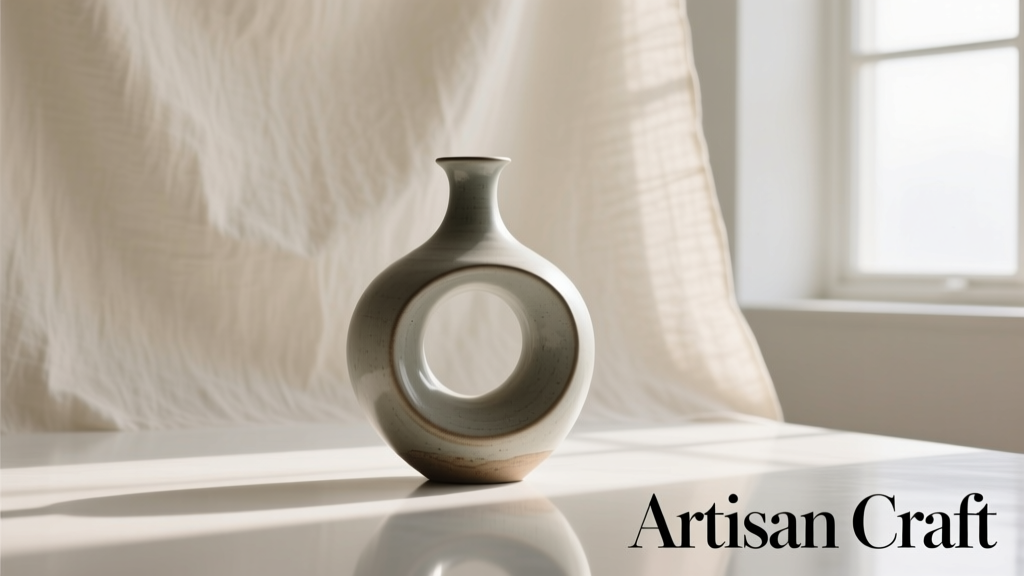
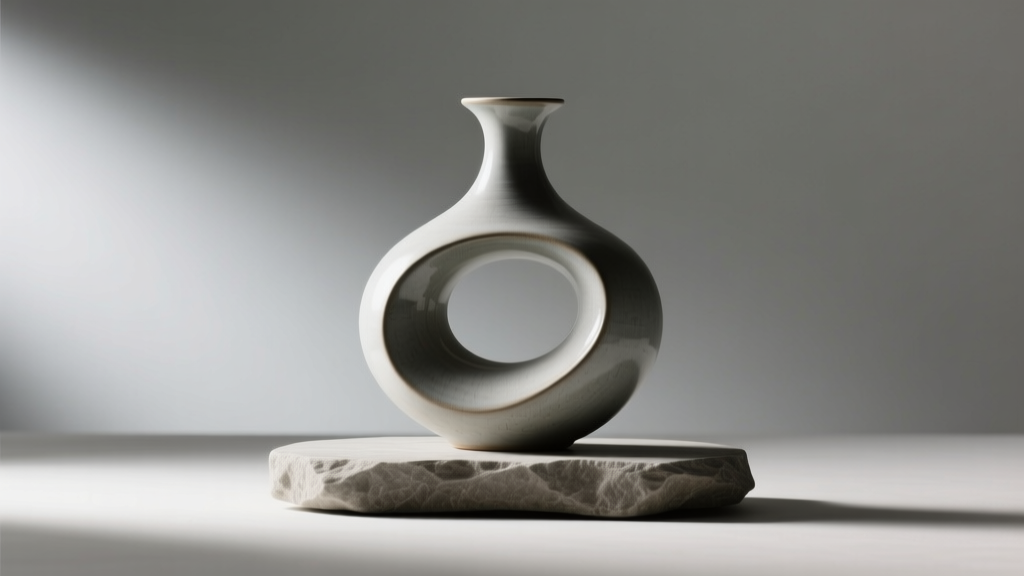
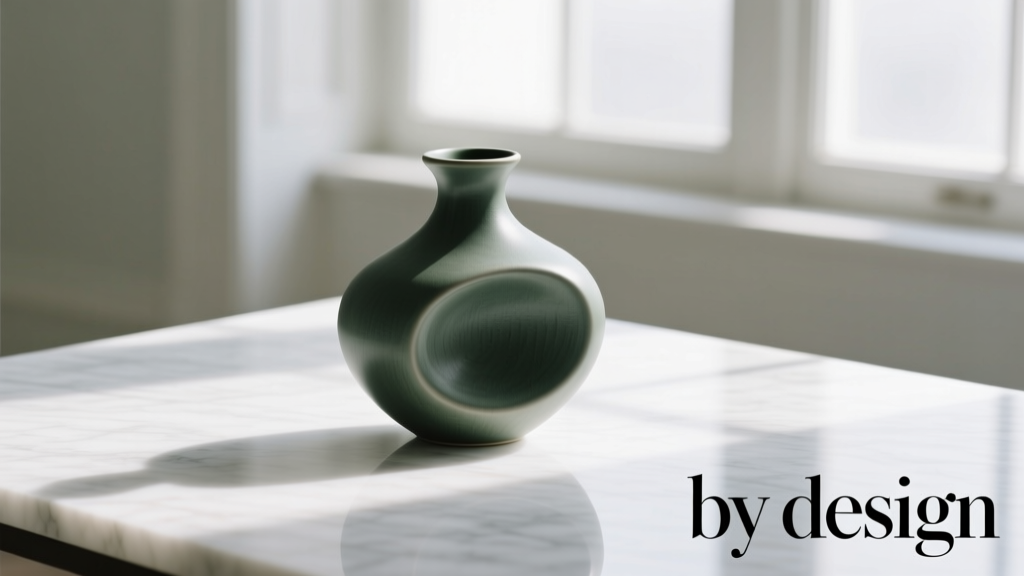
Inspired by vintage picnic flasks, ovoid or teardrop-shaped bottles—often referred to as teardrop nail polish bottles—combine ergonomic functionality with nostalgic charm. Their curved base and tapered neck make them both visually appealing and highly practical.
Frosted and Ombre Finish Bottles
To elevate perceived value and attract discerning customers, many brands utilize frosted and ombre (gradient) finish bottles. These decorative treatments transform the bottle into a collectible item, reinforcing the idea of luxury and exclusivity.
Frosted Matte Finish
A matte, frosted surface provides a velvety texture and soft sheen that feels premium to the touch. It diffuses light elegantly and masks minor imperfections, giving the product a refined, high-end appearance. This finish is commonly used in vegan, organic, or spa-inspired nail lines.
Ombre and Gradient Effects
The ombre technique blends two or more colors seamlessly across the bottle, mirroring the polish inside or creating a complementary visual theme. This dynamic look enhances shelf appeal and encourages social media sharing, making it a powerful tool for digital marketing and influencer engagement.
These finishes are especially effective in limited-edition collections, holiday sets, and collaborations with fashion designers or celebrities.
Caps with Decorative Elements
The cap is no longer just a functional closure—it has become a focal point of design innovation. Many nail polish bottles now feature caps adorned with embossing, metallic plating, gemstones, engraved logos, or textured patterns, turning them into miniature works of art.
| Bottle Design | Primary Benefit | Ideal For |
|---|---|---|
| Cylindrical | Cost-effective, familiar, easy to manufacture | Mass-market brands, starter kits, everyday use |
| Square/Rectangular | Stability, modern aesthetics, shelf standout | Premium brands, minimalist collections |
| Teardrop/Ovoid | Ergonomic grip, spill resistance | User-friendly lines, beginner kits, travel sets |
| Frosted/Ombre | Luxury feel, visual appeal | High-end, limited editions, gift sets |
| Decorative Caps | Branding, grip, collectibility | Luxury, fashion collabs, influencer editions |
Important: When selecting a nail polish bottle design, consider not only aesthetics but also functionality, target audience, and production scalability. A beautiful design that’s difficult to use or too costly to produce may hurt long-term brand success. Always test prototypes for ergonomics, leakage, and durability before full-scale launch.
Commercial Uses of Nail Polish Bottles
Nail polish bottles are more than just cosmetic containers—they are versatile, durable, and highly functional packaging solutions adopted across multiple industries. Their compact size, airtight seal, precision applicators, and sleek design make them ideal for storing and dispensing a wide range of liquid and semi-liquid products. From beauty to medicine, these small but mighty bottles have found innovative applications in various commercial sectors.
Beauty and Cosmetics Industry
While originally designed for nail polish, these bottles have become a staple in the broader cosmetics industry due to their hygienic sealing and elegant appearance. Their narrow neck and built-in brush or dropper system allow for controlled application, minimizing waste and contamination.
- Serums and Facial Oils: Used for small-batch or sample-sized luxury skincare products, especially those sensitive to light and air exposure.
- Lotions and Cuticle Treatments: Ideal for targeted application with precision brushes or rollerballs.
- Eyeliners and Liquid Liners: The fine-tipped brush enables smooth, accurate eyeliner application—many brands repurpose or redesign nail polish-style bottles for this purpose.
- Makeup Removers and Cleansing Oils: Travel-sized versions often use this format for portability and ease of use.
Key Benefit: Water-based nail polish bottles are increasingly popular due to their eco-friendlier formulation and compatibility with sensitive skin products.
Jewelry Cleaning Solutions
The jewelry industry has embraced nail polish bottles as practical containers for liquid cleaning agents. These solutions require protection from evaporation and contamination, which the airtight cap and glass construction provide effectively.
- Perfect for DIY and commercial jewelry cleaning dips containing mild solvents or alcohol-based formulas.
- The narrow opening allows users to dip small items like rings or earring backs directly into the solution without spilling.
- Durable glass resists chemical degradation, ensuring long-term usability.
- Branded bottles enhance product presentation on retail shelves or in gift sets.
Pro Tip: Adding a label with usage instructions turns a simple bottle into a professional-grade retail product.
Arts and Crafts Supplies
Artists and crafters value nail polish bottles for their portability, precise delivery, and vibrant visual appeal. These containers are frequently repurposed or manufactured specifically for creative applications.
- Paints and Inks: Used for detailed line work, nail art-inspired designs, or model painting where fine control is essential.
- Glitter Adhesives and Glues: The brush applicator ensures even distribution of sticky, sparkly mixtures for crafts and decorations.
- Resin Tints and Dyes: Small-volume colorants for epoxy resin projects are safely stored in tinted glass bottles to prevent UV degradation.
- Customizable Kits: Craft supply companies sell multi-color sets in display-ready trays, mimicking professional nail polish collections.
Creative Advantage: Available in various colors and finishes, these bottles double as decorative elements on a craft table or studio shelf.
Medical and Pharmaceutical Applications
Surprisingly, nail polish bottle designs have been adapted for certain medical uses, particularly where precise topical application is required and sterility must be maintained.
- Topical Antifungals: Some over-the-counter treatments for nail fungus use similar brush-on formulations for targeted delivery.
- Wart Treatments: Liquid medications applied directly to affected areas benefit from the precision brush.
- Minor Wound Protectors: Clear, protective sealants resembling clear nail polish are used to cover small cuts or blisters.
- Eye Drop Alternatives: While not standard, experimental formulations for ocular surface protection have explored dropper-style nail polish bottles for controlled release.
Hygiene Note: When used medically, bottles must meet regulatory standards for sterility and material safety—many are manufactured under FDA-compliant conditions.
DIY and Home Improvement
Homeowners and repair professionals use nail polish bottles for organizing and preserving small quantities of materials used in touch-ups and repairs.
- Furniture Touch-Up Paints: Match wood stains or paint colors in miniature bottles for fixing scratches on cabinets or furniture.
- Appliance Repair: Store matching paint for refrigerators, ovens, or washing machines in labeled bottles.
- Automotive Touch-Ups: Car manufacturers and aftermarket suppliers often package touch-up paint in nail polish-style bottles with built-in brushes.
- Varnish and Sealant Samples: Ideal for testing finishes on small areas before full application.
Practical Perk: The airtight seal prevents drying out, preserving product freshness for months or even years between uses.
Emerging and Niche Uses
As sustainability and micro-packaging trends grow, nail polish bottles are being explored in new markets.
- Eco-Friendly Sample Distribution: Brands use them for zero-waste trial sizes of beauty or wellness products.
- Perfume Oil Roll-Ons: Concentrated fragrance oils are packaged in reusable glass bottles with roller or brush tops.
- Edible Glazes (Food-Grade Only): Under strict safety protocols, food-safe versions can hold decorative glazes for baking or confectionery art.
- Educational Kits: Science or art classrooms use them for storing dyes, reagents, or pigments in student-safe quantities.
Innovation Spotlight: Search for nail polish bottles online to find customizable, bulk-order options tailored for commercial repurposing.
Business Insight: Entrepreneurs and small brands can leverage nail polish bottle packaging to create high-end, professional-looking products at a low cost. With customizable caps, labels, and bottle colors, these containers offer strong branding potential while ensuring product integrity and user convenience.
| Industry | Common Use | Key Bottle Feature Utilized | Material Preference |
|---|---|---|---|
| Beauty & Cosmetics | Serums, Eyeliners, Makeup Removers | Precision Brush Applicator, Airtight Seal | Clear or Tinted Glass |
| Jewelry Care | Cleaning Solutions, Dip Treatments | Chemical Resistance, Secure Lid | Thick Glass, UV-Resistant |
| Arts & Crafts | Paints, Glitters, Adhesives | Portable Design, Brush Control | Reusable PET or Glass |
| Medical/Pharma | Topical Treatments, Protective Coatings | Hygienic Application, Sterility | Medical-Grade Glass |
| Home & Auto | Touch-Up Paints, Varnishes | Long-Term Freshness, Easy Dispensing | Durable Glass with Tight Seal |
Why Nail Polish Bottles Are Commercially Valuable
- Cost-Effective Packaging: Mass-produced and widely available, these bottles offer an affordable yet premium look.
- Brand Identity: Distinctive shape and customizable design help products stand out on shelves.
- Sustainability: Reusable and recyclable glass options support eco-conscious branding.
- User Experience: Intuitive to use, with minimal learning curve for consumers.
- Versatility: Suitable for water-based, oil-based, and solvent-based liquids across industries.
How to Choose the Perfect Nail Polish Bottle: A Manufacturer’s Guide
Selecting the right nail polish bottle is far more than a packaging decision—it's a strategic move that impacts product performance, brand perception, and consumer satisfaction. In a competitive beauty market, the bottle serves as both a functional container and a powerful marketing tool. Manufacturers must evaluate multiple factors to ensure their packaging meets quality standards, aligns with brand identity, and appeals to eco-conscious buyers.
This comprehensive guide explores the key considerations for choosing nail polish bottles, helping manufacturers make informed decisions that enhance usability, aesthetics, and sustainability.
Pro Tip: The bottle is often the first point of contact between your brand and the customer. A well-designed, high-quality bottle can elevate perceived product value—even before the polish is applied.
1. Material Quality: Balancing Aesthetics, Durability, and Cost
The choice of material significantly affects the look, feel, and functionality of the nail polish bottle. The two most common materials are glass and plastic, each offering distinct advantages and trade-offs.
- Glass Bottles: Preferred for premium and luxury nail polish lines, glass offers a high-end appearance, excellent chemical resistance, and clarity that allows customers to see the polish color and level. It is heavier and more fragile but conveys quality and sophistication.
- Plastic Bottles: Lightweight, shatter-resistant, and cost-effective, plastic is ideal for travel-sized products, sample kits, or budget-friendly lines. While less luxurious, modern plastics can mimic the clarity and finish of glass with added durability.
- Hybrid Solutions: Some brands use a combination—such as a glass body with a plastic cap or base—to balance elegance with practicality. UV-resistant or tinted materials can also protect light-sensitive formulas from degradation.
Expert Insight: Consider using amber or cobalt glass for polishes with sensitive pigments or organic ingredients. These tints help block UV light, extending shelf life and maintaining color integrity.
2. Capacity: Matching Bottle Size to Market Demand
Bottle size should align with product positioning, usage patterns, and customer expectations. Common capacities in the nail polish industry include:
- 15 ml (0.5 fl oz): Standard full-size bottle, ideal for best-selling shades and everyday use. Offers better value for frequent users and reduces repurchase frequency.
- 11 ml (0.37 fl oz): Mid-size option popular in European markets and among brands aiming for a balance between portability and longevity.
- 8 ml (0.27 fl oz): Compact size perfect for limited editions, gift sets, trial kits, or travel collections. Appeals to collectors and trend-driven consumers.
Manufacturers should analyze sales data and consumer behavior to determine optimal sizing. Offering multiple sizes can cater to different customer segments—from casual users to professional nail artists.
3. Design and Shape: Enhancing Usability and Brand Identity
The physical design of the bottle plays a crucial role in user experience and shelf appeal. While functionality is key, aesthetics can drive purchase decisions.
- Ergonomics: The bottle should fit comfortably in the hand, allowing for steady control during application. Rounded edges, textured surfaces, or contoured shapes improve grip, especially when fingers are wet or slippery.
- Innovative Shapes: While cylindrical bottles dominate the market, unique silhouettes—square, faceted, or asymmetrical designs—can enhance brand recognition and stand out on crowded shelves.
- Cap Design: The cap should be easy to open and close, with a secure seal to prevent drying. Magnetic closures are increasingly popular for their premium feel and convenience.
Investing in distinctive bottle shapes can turn packaging into a collectible item, encouraging repeat purchases and social media sharing.
4. Custom Branding: Creating a Memorable Visual Identity
In a saturated market, branding is a key differentiator. Customization options allow manufacturers to reflect their brand’s personality and values directly on the bottle.
- Logo Application: Options include silk-screen printing, label application, embossing, or laser etching. Choose methods that ensure durability and clarity.
- Color Matching: Use Pantone-matched paints or coatings to maintain brand consistency across product lines.
- Finishes: Matte, glossy, metallic, or frosted finishes can enhance tactile appeal and visual distinction. Consider how lighting in retail environments will affect the appearance.
Strong branding not only builds recognition but also fosters customer loyalty. A cohesive, recognizable bottle design makes your product instantly identifiable—online and in-store.
5. Sustainability: Meeting Eco-Conscious Consumer Expectations
Sustainability is no longer optional—it's a consumer expectation. Environmentally responsible packaging can significantly boost brand reputation and appeal to younger, eco-aware demographics.
- Eco-Friendly Materials: Opt for recycled glass, bioplastics (PLA), or PCR (post-consumer recycled) materials to reduce environmental impact.
- Refillable Systems: Design bottles that allow users to refill polish, reducing waste and promoting circular economy practices.
- Recyclability: Ensure all components (bottle, cap, brush) are recyclable or clearly labeled for proper disposal. Avoid mixed materials that complicate recycling.
- Minimalist Packaging: Reduce secondary packaging like boxes or plastic inserts. Use recyclable or compostable materials when necessary.
Highlighting sustainable practices on the label or marketing materials can strengthen customer trust and drive purchasing decisions.
| Selection Factor | Key Benefits | Common Challenges | Best Practices |
|---|---|---|---|
| Material Quality | Premium look (glass), durability (plastic), chemical resistance | Cost (glass), perceived cheapness (plastic) | Match material to brand positioning; consider hybrid options |
| Capacity | Meets usage needs, reduces waste, supports marketing strategy | Inventory complexity with multiple sizes | Offer 2–3 standard sizes based on consumer demand |
| Design & Shape | Enhances grip, improves shelf visibility, boosts brand recall | Higher tooling costs for custom molds | Balance innovation with manufacturability and ergonomics |
| Custom Branding | Builds brand identity, increases recognition, supports storytelling | Minimum order quantities for customization | Use durable, high-resolution branding techniques |
| Sustainability | Appeals to eco-conscious buyers, improves brand image | Higher material costs, supply chain limitations | Use recycled content and clearly communicate eco-efforts |
Final Recommendation: Conduct consumer testing with prototype bottles to gather feedback on grip, weight, and visual appeal. Real-world insights can prevent costly redesigns and ensure your packaging resonates with your target audience.
Conclusion: Packaging as a Strategic Advantage
Choosing the right nail polish bottle is a multifaceted decision that goes beyond aesthetics. It involves balancing material science, ergonomic design, brand strategy, and environmental responsibility. By carefully evaluating each factor—material, capacity, design, branding, and sustainability—manufacturers can create packaging that not only protects the product but also enhances its marketability and customer loyalty.
Remember: in the beauty industry, the bottle is part of the experience. A thoughtfully designed package doesn’t just hold the polish—it tells the brand’s story.
Frequently Asked Questions About Nail Polish Bottles and Sustainable Packaging
Q1: Are there nail polish bottles and kits that are safe for storage and for the environment?Yes, many modern nail polish brands now offer bottles and kits designed with both product safety and environmental sustainability in mind. These eco-conscious solutions are crafted using materials that minimize environmental impact while ensuring the integrity and longevity of the polish inside.
- Recycled and Recyclable Materials: Many manufacturers use recycled glass or post-consumer recycled (PCR) plastics to reduce reliance on virgin resources. Glass is naturally inert and non-toxic, making it ideal for storing chemical-based products like nail polish.
- Low-Carbon Production: Sustainable brands often prioritize energy-efficient manufacturing processes and renewable energy sources to reduce their carbon footprint during production.
- Eco-Friendly Packaging: Beyond the bottle, companies are rethinking outer packaging—using biodegradable, compostable, or recyclable materials such as paperboard from responsibly managed forests.
- End-of-Life Responsibility: Some brands include recycling programs or incentives, encouraging customers to return empty bottles for proper processing or upcycling.
By choosing environmentally responsible nail polish bottles and kits, consumers support a circular economy and help reduce plastic waste in landfills and oceans.
Q2: How is a nail polish bottle modified to accommodate a refillable system?Refillable nail polish bottles are engineered with sustainability and reusability in mind, reducing single-use waste. To enable safe and effective refilling, manufacturers incorporate several key design modifications:
- Durable Inner Container: Made from high-quality glass or impact-resistant plastic, the inner reservoir is built to withstand repeated use, cleaning, and exposure to solvents without degrading.
- Resealable Cap Mechanism: The cap features a precision seal—often silicone or rubber gaskets—that ensures an airtight closure after each refill, preventing evaporation and contamination.
- Refill Port or Removable Base: Some designs include a small opening at the bottom or side that allows users to insert new polish without removing the brush, while others have detachable bases for full access to the interior.
- Compatibility with Refill Pods: Brands may offer concentrated polish refills in minimal packaging (like biodegradable pods), which can be poured into the main bottle, reducing plastic usage by up to 70%.
These innovations make refillable systems not only eco-friendly but also convenient and cost-effective over time, appealing to environmentally conscious beauty consumers.
Q3: What features are necessary for ergonomic bottles?Ergonomic nail polish bottles are designed to enhance user comfort, control, and ease of application—especially important for professionals and frequent users. Key features include:
- Contoured Shape: A streamlined, slightly tapered or rounded body fits naturally in the hand, reducing strain during long application sessions.
- Non-Slip Grip: Textured surfaces, rubberized coatings, or ribbed designs provide better traction, minimizing the risk of dropping the bottle, especially when hands are slightly damp or oily.
- Lightweight Construction: Using lightweight yet durable materials ensures the bottle is easy to handle without compromising structural integrity.
- Optimal Size and Balance: Bottles are designed with a low center of gravity and balanced weight distribution to prevent tipping and improve brush control.
- User-Friendly Lid: Easy-to-open caps with wide grips or thumb pads allow quick access, even with one hand.
When combined with refillable systems, ergonomic design not only improves the user experience but also promotes sustainable habits by encouraging long-term reuse of well-designed containers.
Q4: What roles do nail polish bottle sets play in packaging cosmetics?Nail polish bottle sets serve multiple critical functions in cosmetic packaging, blending practicality with brand identity and market appeal:
- Product Protection: They securely contain volatile liquid formulas, preventing leakage, evaporation, and contamination from air and light—especially important for maintaining polish consistency and color integrity.
- Precise Dispensing: Integrated brush applicators allow controlled, mess-free application, enhancing user satisfaction and reducing waste.
- Brand Aesthetic and Marketing: Attractive bottle designs, unique shapes, and elegant finishes (such as matte, metallic, or frosted glass) contribute to shelf appeal and reinforce brand image—often associated with luxury, creativity, or eco-consciousness.
- Emotional Appeal: Thoughtful design elements like feminine curves, artistic labels, or minimalist elegance can evoke sophistication, fun, or empowerment, aligning with consumer lifestyles and values.
- Set Functionality: Multi-bottle sets (e.g., seasonal collections or curated color palettes) encourage gifting, collection-building, and repeat purchases, increasing customer engagement and brand loyalty.
In today’s competitive beauty market, nail polish bottle sets are more than just containers—they are an essential part of the product experience and brand storytelling.
Q5: What are the characteristics of a good nail polish bottle?A high-quality nail polish bottle combines functionality, durability, and aesthetic appeal to deliver a superior user experience and support brand reputation. The most important characteristics include:
| Feature | Description |
|---|---|
| Chemical Resistance | Made from materials (like borosilicate glass or specific resins) that resist degradation from acetone, solvents, and pigments, ensuring long-term stability and safety. |
| Airtight Seal | Equipped with a secure cap and sealing mechanism to prevent drying out and extend shelf life. |
| User-Friendly Design | Features easy-to-hold shapes, smooth pouring, and intuitive opening mechanisms for hassle-free use. |
| Light Protection | Uses amber, cobalt, or opaque glass to shield polish from UV light, which can degrade formulas and alter colors over time. |
| Elegant & Compact Form | Designed with a sleek, space-saving profile that looks appealing on vanities and in travel kits. |
| Sustainability | Incorporates recyclable materials, refillability, or take-back programs to support eco-friendly consumption. |
Ultimately, the best nail polish bottles strike a balance between performance, safety, and visual appeal—ensuring customer satisfaction while aligning with evolving environmental standards in the beauty industry.