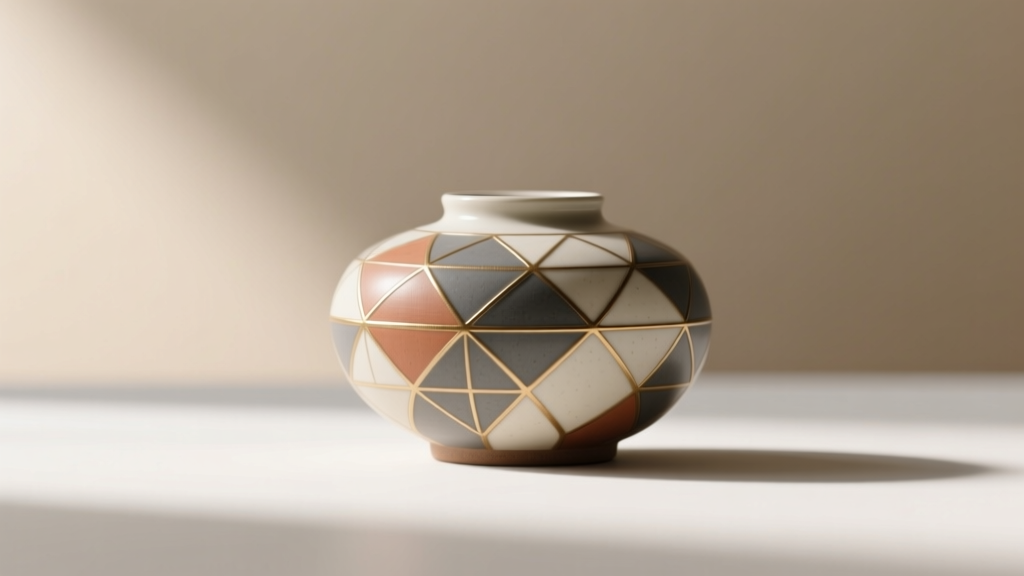
Types of Large Shallow Baking Dishes
A large shallow baking dish is a versatile kitchen essential used for roasting, baking casseroles, preparing lasagnas, and serving meals directly at the table. Its wide surface area and low sides promote even heat distribution and browning, making it ideal for a wide variety of dishes. Different materials offer unique benefits in terms of heat retention, durability, aesthetics, and ease of use.
Understanding the different types can help you choose the best option for your cooking style, whether you're preparing weeknight dinners or hosting a holiday feast.
Glass Baking Dishes
Made from tempered glass, these dishes allow you to monitor food as it cooks without opening the oven door.
Advantages
- Transparent—lets you see food cooking
- Non-reactive—safe for acidic ingredients like tomatoes and citrus
- Oven, microwave, and freezer safe
- Distributes heat evenly for consistent baking
Limitations
- Can shatter if exposed to sudden temperature changes
- Heavier than metal or disposable options
- Not suitable for stovetop use
Best for: Casseroles, baked pasta, desserts, and slow-cooked dishes with acidic ingredients
Ceramic Baking Dishes
Handcrafted or glazed ceramic dishes prized for their aesthetic appeal and excellent heat retention.
Advantages
- Superior heat retention—keeps food warm longer
- Beautiful designs—ideal for oven-to-table serving
- Naturally non-stick when glazed
- Safe for acidic foods
Limitations
- More fragile—can crack or chip if dropped
- Slower to heat up than metal
- Often more expensive than other types
Best for: Roasted meats with vegetables, lasagna, gratins, and elegant dinner presentations
Metal Baking Dishes
Typically made from aluminum or stainless steel, known for rapid and efficient heat conduction.
Advantages
- Heats up quickly and browns food beautifully
- Durable and long-lasting
- Lightweight and easy to handle
- Ideal for achieving crispy textures
Limitations
- May react with acidic foods (especially uncoated aluminum)
- Can warp under high heat or sudden cooling
- Less attractive—usually not suitable for direct serving
Best for: Roasted vegetables, baked potatoes, sheet-pan meals, and any dish requiring crispiness
Non-Stick Baking Dishes
Available in metal or ceramic bases with a specialized coating to prevent food adhesion.
Advantages
- Effortless food release and cleanup
- Reduces need for oil or butter
- Great for sticky or cheesy dishes
- Saves time and reduces scrubbing
Limitations
- Coating can scratch or degrade over time
- Not compatible with metal utensils
- Limited lifespan compared to raw materials
Best for: Lasagna, mac and cheese, baked pasta, and delicate dishes that tend to stick
Disposable Aluminum Foil Dishes
Single-use pans made from lightweight aluminum foil, perfect for convenience and portability.
Advantages
- No cleanup required—dispose after use
- Inexpensive and widely available
- Good heat conductor for even cooking
- Great for sharing meals, potlucks, and gifts
Limitations
- Not environmentally friendly (single-use)
- Less durable—can bend or leak if overloaded
- Limited reusability (not recommended)
Best for: Baked ziti, casseroles for gatherings, meal prep deliveries, and events with limited cleanup access
| Type | Heat Performance | Durability | Cleanup Ease | Best Use Case |
|---|---|---|---|---|
| Glass | Even, moderate heating | Medium (sensitive to thermal shock) | Easy | Acidic dishes, desserts, slow baking |
| Ceramic | Excellent heat retention | Medium (fragile if chipped) | Easy to moderate | Oven-to-table meals, roasts, elegant serving |
| Metal | Rapid heating, excellent browning | High (if high-quality) | Easy (unless food sticks) | Crispy roasts, sheet-pan dinners, browning |
| Non-Stick | Depends on base material | Low to Medium (coating wears) | Very Easy | Sticky or cheesy dishes, quick cleanup |
| Disposable Foil | Good conductivity | Low (single-use) | No cleanup | Potlucks, meal sharing, convenience |
Expert Tip: Avoid sudden temperature changes with glass and ceramic dishes—never place them directly from the freezer into a hot oven. Allow them to reach room temperature first to prevent cracking.
Design of Large Shallow Baking Dishes: Functionality, Features & Best Uses
Large shallow baking dishes are essential kitchen tools designed to optimize cooking performance for a variety of recipes, from roasted vegetables and casseroles to baked meats and sheet-pan meals. Their shallow depth and expansive surface area promote even heat distribution and facilitate moisture evaporation, making them ideal for browning, crisping, and roasting. These dishes resemble wide trays or low-sided bowls, often with gently sloped edges that help contain liquids while allowing steam to escape—key for achieving desired textures in food.
Key Design Elements of Large Shallow Baking Dishes
The effectiveness and versatility of a large shallow baking dish depend on several well-thought-out design features. Below is a detailed breakdown of each component, including material choices, dimensions, functional elements, and aesthetic considerations.
Material Composition
The material of a baking dish significantly affects heat conduction, durability, and usability. Common materials include:
- Glass (e.g., tempered borosilicate): Excellent heat retention and even heating; allows visibility during cooking. Resistant to staining but can be prone to thermal shock if exposed to sudden temperature changes.
- Ceramic (stoneware or porcelain): Offers superior heat retention and elegant presentation. Often comes in decorative finishes suitable for oven-to-table serving. Durable but can chip if mishandled.
- Metal (aluminum or stainless steel): Heats quickly and evenly, ideal for roasting and browning. Lightweight and durable, though prone to warping at high temperatures unless reinforced. Often features non-stick coatings for easier release and cleaning.
Choosing the right material depends on your cooking style—whether you prioritize browning, presentation, or ease of cleaning.
Size and Shape
Large shallow baking dishes typically come in two primary shapes: rectangular and oval, each serving different culinary needs.
Rectangular dishes are the most popular due to their efficient use of oven space and compatibility with standard oven racks. They usually measure between 9x13 inches and 11x17 inches, with an average depth of about 2 inches. This generous capacity makes them perfect for family meals, meal prep, or entertaining guests.
Oval dishes, while less common, are specifically designed for roasting large round items like whole turkeys, legs of lamb, or deep-dish casseroles. Their curved shape accommodates bulky foods more naturally and provides a more elegant presentation at the dining table.
Edges and Handles
The edges of a large shallow baking dish are typically slightly raised—usually 1 to 2 inches high—to prevent spills and contain juices during cooking. This design is especially important when roasting meats or preparing saucy dishes.
Many models feature built-in side handles, which enhance safety and convenience when moving hot dishes in and out of the oven. Handles are often made of the same material as the dish (e.g., ceramic or metal) and may be ergonomically shaped for a secure grip. Some high-end versions include silicone-coated or insulated handles for added heat resistance.
These features make transfer from oven to counter or table safer and more efficient, supporting seamless oven-to-table service.
Non-Stick Coating
Many modern metal and some ceramic baking dishes come with a non-stick coating—often made from PTFE (Teflon®) or ceramic-based finishes. This feature prevents food from adhering to the surface, simplifying both cooking and cleanup.
Non-stick coatings are particularly beneficial for sticky foods like cheese casseroles, baked eggs, or glazed meats. However, they require careful handling: avoid using metal utensils, abrasive scrubbers, or high-heat settings above the coating’s tolerance (typically 450°F/230°C).
With proper care—using wooden or silicone tools and hand-washing—non-stick surfaces can last for years, enhancing the dish’s longevity and user experience.
Aesthetic and Functional Design
Beyond utility, large shallow baking dishes are often designed with aesthetics in mind. Many are crafted to transition seamlessly from oven to dining table, eliminating the need for plating and preserving presentation.
Available in a wide range of colors, glazes, and patterns—from minimalist white and earthy tones to hand-painted motifs—these dishes can complement any table setting. Brands like Le Creuset, Pyrex, and Emile Henry are known for combining visual appeal with performance.
This dual functionality makes them favorites for holiday meals, dinner parties, and everyday family dining where presentation matters as much as taste.
Heat Distribution & Cooking Performance
The shallow depth (typically 2 inches or less) increases surface exposure to heat, promoting faster cooking and better browning—ideal for roasting vegetables, crisping chicken skin, or creating golden-top casseroles.
Shallow dishes also allow moisture to evaporate more readily than deep pans, reducing sogginess and enhancing flavor concentration. This makes them superior for recipes that benefit from dry heat and caramelization.
When combined with the right material (e.g., ceramic for slow, even heating or metal for rapid searing), these dishes offer precise control over cooking outcomes.
| Design Feature | Function | Best For |
|---|---|---|
| Shallow Depth (~2") | Promotes browning and moisture evaporation | Roasting, sheet-pan meals, casseroles |
| Rectangular Shape | Maximizes oven space and portion control | Family meals, meal prep, baking bars |
| Oval Shape | Fits large round foods; elegant presentation | Whole poultry, roasts, oven-to-table serving |
| Side Handles | Safe handling of hot dishes | All cooking applications, especially heavy loads |
| Non-Stick Coating | Prevents sticking; easy cleanup | Cheesy dishes, sticky glazes, delicate foods |
| Ceramic/Glass Material | Even heating; attractive finish | Serving directly at the table |
Practical Tips for Choosing & Using Large Shallow Baking Dishes
- Match Material to Use: Choose glass or ceramic for slow, even cooking and presentation; opt for metal for high-heat roasting and browning.
- Check Oven Compatibility: Ensure the dish fits comfortably on your oven racks and can withstand your oven’s maximum temperature.
- Use Non-Metal Utensils: Protect non-stick or glazed surfaces by using silicone, wood, or plastic tools.
- Avoid Thermal Shock: Never place a hot glass or ceramic dish on a cold surface or under running water—allow it to cool gradually.
- Consider Multi-Functionality: Invest in a stylish, durable dish that can go from oven to table to enhance both cooking and dining experiences.
Important: Always follow manufacturer guidelines for temperature limits, cleaning methods, and usage. Misuse—such as placing a cold glass dish directly into a hot oven—can lead to cracking or shattering. Proper care ensures long-term performance, safety, and aesthetic appeal.
How to Choose the Perfect Large Shallow Baking Dish
Selecting the right large shallow baking dish is essential for achieving delicious, evenly cooked meals while enhancing your kitchen’s functionality and style. Whether you're preparing family dinners, holiday feasts, or crowd-pleasing casseroles, understanding the key features will help you make an informed decision that balances performance, durability, and aesthetics.
Material: Performance & Heat Distribution
The material of a baking dish directly impacts how heat is absorbed, retained, and distributed—critical factors in cooking consistency and food quality.
- Glass (e.g., borosilicate or tempered): Offers excellent visibility during baking, retains heat well, and resists thermal shock. Ideal for casseroles and dishes where monitoring browning is helpful.
- Stoneware/Ceramic: Provides superior heat retention and even cooking, keeping food warm at the table. Glazed versions are naturally non-stick and add a rustic charm to serving.
- Metal (aluminum or carbon steel): Heats up quickly and promotes browning and crisping—perfect for roasted vegetables, baked ziti, or gratins needing a golden crust.
- Silicone (flexible, non-traditional): Lightweight and non-stick, though less effective at browning; best used for desserts or delicate dishes.
Expert Tip: Avoid sudden temperature changes with glass or ceramic to prevent cracking—never place a cold dish directly into a hot oven.
Size and Shape: Capacity & Versatility
A large shallow baking dish typically ranges from 9x13 inches (rectangular) to 11x7 inches (oval), offering ample surface area with moderate depth (2–3 inches).
- Rectangular dishes: Maximize oven space and are ideal for casseroles, lasagnas, sheet-pan roasts, and brownies. Their straight edges make cutting portions clean and easy.
- Oval dishes: Perfect for roasting whole chickens, hams, or turkeys, as they accommodate rounded shapes and provide elegant presentation at the table.
- Capacity: A 3- to 4-quart dish comfortably serves 6–8 people. Consider your household size and typical recipes when choosing.
- Depth: Shallow depth (under 3") ensures faster, more even cooking and better browning compared to deep casseroles.
Pro Tip: Measure your oven interior to ensure the dish fits with room for air circulation.
Ease of Cleaning & Maintenance
No one enjoys scrubbing stuck-on food, so choosing a dish that’s easy to clean enhances both convenience and longevity.
- Non-stick coatings: Found on some metal or ceramic dishes, these reduce sticking and simplify cleanup—ideal for cheesy pasta bakes or sticky desserts.
- Glazed ceramics and tempered glass: Naturally resistant to staining and usually dishwasher-safe, making them low-maintenance favorites.
- Dishwasher safety: Always check manufacturer guidelines. Most glass, ceramic, and stainless steel dishes are dishwasher-safe; hand washing is recommended for delicate stoneware.
- Stain resistance: Light-colored dishes may show stains over time—consider darker glazes if appearance matters after repeated use.
Smart Choice: Look for smooth, seamless interiors without crevices where food can accumulate.
Functionality: Match the Dish to Your Cooking Style
The best baking dish supports your most common cooking tasks, from weeknight meals to special occasions.
- Casseroles and baked pastas: Choose a deep-sided rectangular dish with even heat distribution (stoneware or glass).
- Rosasting meats and vegetables: Opt for metal or ceramic dishes that promote browning and can go from oven to stovetop (if compatible).
- Desserts (brownies, bread puddings): Metal pans offer crisp edges; glass allows monitoring doneness without opening the oven.
- Freezer-to-oven use: Some glass and ceramic dishes are designed for this transition—check labels for safety ratings.
Key Insight: Multi-functional dishes save space and money—choose one that transitions seamlessly from oven to table.
Appearance & Serving Appeal
Today’s baking dishes are designed not just for cooking but also for stylish presentation. Many are oven-to-table ready, eliminating the need for platters.
- Color and finish: Neutral tones (white, cream, gray) match any décor; bold colors (red, cobalt) make a statement.
- Glaze quality: High-gloss finishes resist scratching and enhance visual appeal over time.
- Handles: Curved or rolled edges provide secure gripping and add to the dish’s elegance.
- Brand coordination: Matching sets (like Pyrex or Le Creuset) create a cohesive kitchen aesthetic.
Design Tip: A beautiful dish encourages home cooking and impresses guests—invest in one that doubles as serveware.
Durability & Long-Term Value
A high-quality baking dish should last for years, making durability a smart investment.
- Thermal shock resistance: Tempered glass and high-fired ceramics withstand temperature fluctuations.
- Chipping resistance: Thick rims and reinforced corners prevent damage from handling or stacking.
- Warranty and brand reputation: Trusted brands often back their products with guarantees against cracking or peeling.
- Weight considerations: Heavier dishes (like stoneware) retain heat better but may be harder to handle when full.
Long-Term View: Spending more upfront on a durable, versatile dish often saves money over time compared to replacing cheaper alternatives.
Professional Recommendation: For most home cooks, a 9x13-inch tempered glass or glazed ceramic rectangular dish offers the best balance of performance, ease of cleaning, and oven-to-table presentation. It handles everything from mac and cheese to roasted vegetables and blondies. If you frequently roast meats, consider adding an oval stoneware or metal roasting pan to your collection for better shape compatibility and browning.
| Material | Best For | Oven Safe Temp | Dishwasher Safe | Lifespan |
|---|---|---|---|---|
| Tempered Glass | Casseroles, baked pasta, desserts | Up to 425°F (check manufacturer) | Yes | 5–10+ years with care |
| Glazed Stoneware | Even baking, serving, roasting | Up to 450°F | Mostly yes | 8–15+ years |
| Aluminum/Carbon Steel | Browning, roasting, crispy edges | Up to 500°F+ | Yes (avoid non-stick coating damage) | 3–7 years |
| Silicone | Desserts, easy release, storage | Up to 425°F | Yes | 2–5 years |
Additional Considerations
- Lids or Covers: Some dishes come with glass or plastic lids, making them ideal for storage and reducing cleanup.
- Stackability: Rectangular glass or metal dishes often stack efficiently for compact storage.
- Ergonomic Design: Dishes with wide, comfortable handles are safer and easier to carry when full.
- Non-Reactivity: Glass and ceramic won’t react with acidic ingredients like tomatoes or citrus, preserving flavor.
- Sustainability: Materials like glass and stoneware are recyclable and long-lasting, reducing environmental impact.
Advantages of Large Shallow Baking Dishes
Large, shallow baking dishes are a kitchen essential that offer numerous functional and practical benefits, making them ideal for everyday meals, family gatherings, holiday feasts, and meal prep. Their design combines generous capacity with optimal heat distribution, enhancing both cooking performance and presentation. Whether you're roasting vegetables, preparing a casserole, or baking a dessert, these versatile pans elevate your culinary experience.
Pro Tip: A large shallow baking dish (typically 9x13 inches or larger with a depth of 2–3 inches) strikes the perfect balance between surface area and volume, allowing for even browning and efficient cooking without overcrowding ingredients.
Key Benefits of Using a Large Shallow Baking Dish
- Versatility Across Recipes
Large baking dishes are incredibly adaptable, serving as a single vessel for a wide range of dishes. They’re perfect for preparing hearty casseroles, baked pastas like ziti or lasagna, one-pan roasted meats with accompanying vegetables, sheet-pan dinners, and even desserts such as fruit cobblers, crisps, or bread puddings. This multi-functionality reduces the need for multiple specialized pans and simplifies cleanup. Additionally, many are oven-to-table safe, doubling as serving dishes, and can be used for marinating or refrigerated food storage.
- Superior Even Cooking
The wide, shallow design promotes uniform heat circulation throughout the dish. Unlike deep containers that can trap heat at the top while leaving the bottom undercooked, shallow pans expose more surface area to consistent oven temperatures. This prevents overcooked edges and dry spots—common issues in deep dishes—while ensuring the center cooks thoroughly. It’s especially beneficial for dishes like baked ziti or scalloped potatoes, where texture consistency is key. For roasting vegetables or proteins, the reduced depth allows for better browning and caramelization without steaming.
- High-Capacity Cooking for Groups
With ample space to accommodate large quantities of food, these dishes are ideal for feeding families, hosting dinner parties, or preparing meals in advance. A standard 9x13-inch pan can comfortably serve 8–12 people, making it a go-to for potlucks, holiday meals, or weekly meal prep. Cooking everything in one batch saves time, reduces energy consumption, and maintains flavor consistency across servings, eliminating the need to cook in multiple rounds.
- Easy Monitoring and Doneness Checks
The lower depth makes it simple to visually assess cooking progress without excessive opening of the oven door. You can easily check for bubbling, browning, or doneness in the center of dishes like lasagna or casseroles without needing to cut into them repeatedly. This minimizes heat loss and helps maintain a stable oven environment, leading to more predictable results and reducing the risk of under- or overcooking.
- Efficient Oven Space Utilization
Shallow baking dishes have a broad, flat profile that fits well on oven racks, allowing for better airflow and more efficient use of space. You can fit multiple shallow pans on the same rack or stack them across different levels without blocking heat circulation. This is particularly useful when roasting several items simultaneously—such as chicken thighs and root vegetables—ensuring everything cooks evenly and finishes at the same time.
- Enhanced Presentation and Convenient Serving
Many large shallow baking dishes are crafted from materials like ceramic, glass, or enameled metal, offering an attractive, rustic-chic appearance that transitions seamlessly from oven to dining table. Presenting food in the same dish it was cooked in adds a homely, inviting touch to meals and reduces the need for additional serving platters. This not only streamlines serving but also minimizes cleanup, making it a practical choice for both casual weeknight dinners and formal entertaining.
| Benefit | Ideal For | Common Use Cases | Recommended Materials |
|---|---|---|---|
| Versatility | Multipurpose cooking and storage | Casseroles, baked pasta, desserts, marinating | Stoneware, glass, stainless steel |
| Even Cooking | Dishes requiring consistent texture | Baked ziti, scalloped potatoes, roasted veggies | Ceramic, enameled metal, tempered glass |
| Large Capacity | Feeding crowds or batch cooking | Holiday meals, meal prep, potlucks | Heavy-duty metal, oven-safe ceramic |
| Easy Monitoring | Dishes needing visual doneness checks | Lasagna, cobblers, custards | Clear glass, light-colored metal |
| Oven Efficiency | Simultaneous multi-dish cooking | Sheet pan dinners, roasting, baking | Aluminum, carbon steel, non-stick |
| Presentation & Serving | Oven-to-table meals | Dinner parties, family gatherings | Glazed ceramic, stoneware, glass |
Expert Tip: To extend the life of your baking dish, avoid sudden temperature changes (e.g., placing a hot dish on a cold surface). Hand-wash delicate materials like ceramic or glass, and always use non-metal utensils to prevent scratching.
Maintenance and Selection Tips
- Choose oven-safe materials that match your cooking style—glass for even heating, metal for browning, ceramic for presentation.
- Look for dishes with reinforced rims and handles for safer handling when hot.
- Ensure the dish fits comfortably in your oven with space for air circulation.
- Use non-abrasive cleaners to preserve the finish, especially on enameled or non-stick surfaces.
- Label and store leftovers directly in the dish (if oven-safe and tightly covered) for easy reheating.
In summary, a large shallow baking dish is a cornerstone of efficient, flexible, and appealing home cooking. Its ability to handle diverse recipes, cook food evenly, serve large groups, and double as a serving platter makes it one of the most valuable tools in any kitchen. Investing in a high-quality version ensures durability and consistent performance for years to come.
Frequently Asked Questions About Large Shallow Baking Dishes
Q1: Which foods are best cooked in a large shallow baking dish?A1: Large shallow baking dishes are ideal for recipes that benefit from even heat distribution and controlled moisture evaporation. Their wide surface area promotes browning and crisping, making them perfect for:
- Casseroles: Dishes like tuna casserole or green bean casserole achieve a golden, crunchy top when baked in a shallow pan.
- Lasagna and Baked Pasta: These dishes cook evenly and develop a delicious crust on top while maintaining a moist interior.
- Roasted Meats with Vegetables: Chicken, pork, or beef roasts with potatoes, carrots, and onions brown beautifully and cook uniformly when spread out in a shallow dish.
- Sheet Cakes and Brownies: The even depth ensures consistent baking without overcooking the edges.
- Gratins and Au Gratin Vegetables: Starchy ingredients like potatoes or macaroni absorb flavors well and form a rich, crispy top layer.
Because shallow dishes expose more surface area to heat, they're excellent for recipes where you want to reduce sauces slightly or achieve a caramelized finish.
Q2: What is the difference between a shallow dish and a deep dish for lasagna?A2: The choice between a shallow and deep baking dish significantly affects cooking results, especially for layered dishes like lasagna:
| Feature | Shallow Baking Dish | Deep Baking Dish |
|---|---|---|
| Depth | 1–2 inches deep; wider surface area | 3+ inches deep; narrower base |
| Best For | Baked ziti, thin lasagnas, casseroles with less liquid | Meat lasagnas, stews, soups, recipes with lots of sauce |
| Cooking Result | Even cooking, crisp top layer, reduced moisture | Moist interior, softer texture, longer simmering |
| Heat Exposure | More surface browning and caramelization | More steam retention, gentler heat penetration |
For traditional lasagna, a medium-depth dish (around 2.5 inches) is often ideal—deep enough to hold multiple layers but shallow enough to allow the top to crisp. A very shallow dish may dry out lasagna, while a very deep one might leave the center undercooked.
Q3: Are large shallow baking dishes dishwasher safe?A3: Dishwasher safety depends entirely on the material and manufacturer’s design. Here’s a breakdown by common materials:
- Glazed Ceramic or Stoneware: Often labeled as dishwasher safe, but repeated high-heat cycles may degrade glaze over time. Handwashing is recommended for longevity.
- Tempered Glass (e.g., Pyrex): Most are dishwasher safe, but sudden temperature changes—even in the dishwasher—can cause cracking. Place on the top rack to reduce risk.
- Metal (Stainless Steel, Aluminum): Typically dishwasher safe and durable, though aluminum may discolor.
- Enameled Cast Iron: Usually hand-wash only to preserve the enamel finish and prevent chipping.
Important: Always check the manufacturer’s label or packaging for care instructions. Even if a dish is labeled dishwasher safe, handwashing can extend its lifespan, especially for delicate or decorative pieces.
Q4: Can large shallow baking dishes be placed in a broiler?A4: Broiler safety depends on the material and construction of the dish:
- Glass and Ceramic Dishes: Not recommended for broiler use. The intense, direct heat from the broiler can cause thermal shock, leading to cracking or shattering—even if the dish is oven-safe up to high temperatures.
- Metal Baking Dishes (Stainless Steel, Aluminum, Carbon Steel): Generally safe for broiling, as metal conducts heat evenly and withstands high temperatures without damage.
- Silicone Molds: Most are not broiler-safe unless explicitly labeled as such.
- Stoneware with Metallic Trims: Avoid broiling, as metal accents can spark or overheat.
Pro Tip: If you need to broil a dish that started in a glass or ceramic pan, transfer the food to a metal broiler-safe pan before placing it under the broiler. This ensures safety and optimal browning.